Best Back Saws 2026: Accurate Cuts for Fine Work
Disclosure: We may earn a commission when you buy through links on this page, at no extra cost to you. As an Amazon Associate I earn from qualifying purchases. Learn more

Learn how to choose back saws for dovetails, tenons, and mitres, with advice on teeth, spine stiffness, handles, and sharpening for clean cuts.
Best back saws use a stiffened spine to keep a thin blade straight, giving woodworkers precise controlled cuts for joints, mitres, and fine trimming. The comparison table below lists back saws in the main types, from dovetail saws to larger tenon saws.
A back saw is a precision instrument, not a rough cutting tool, so tooth geometry, spine stiffness, and handle comfort decide cut quality. This guide explains saw types, tooth counts, set, sharpening, and technique, so you can choose the right saw for your bench work.


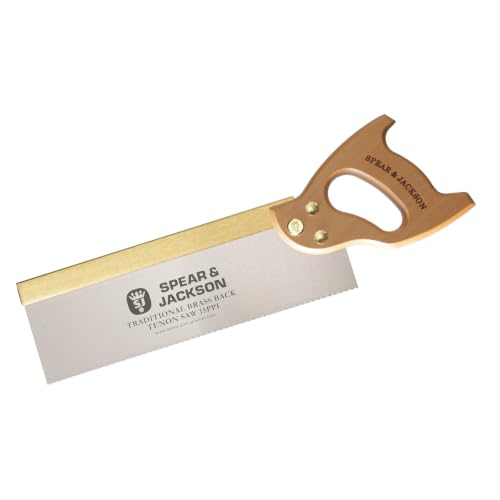


Who Should Buy a Back Saw
Furniture makers, box makers, and joiners who cut dovetails, tenons, and mitres by hand rely on back saws for accuracy no power saw matches easily. Hobbyists learning hand tool woodworking also benefit, since a good back saw teaches sawing technique and patience.
Builders cutting framing lumber or sheet goods should choose a larger handsaw or power saw instead, since back saws suit fine work rather than speed. Match the saw to the task: precision joints deserve a back saw, rough cuts deserve a coarser tool.
Dovetail, Carcass and Tenon Saws
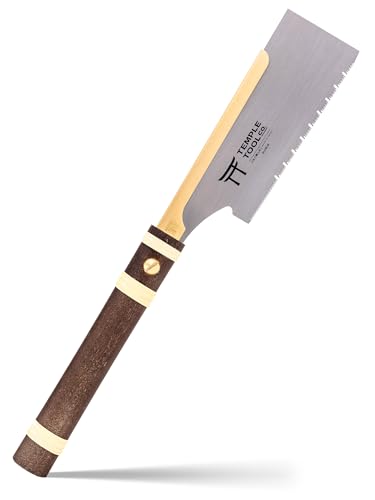
Dovetail saws use fine teeth and thin blades for small precise joints in thin stock, giving clean cuts with minimal cleanup. Carcass saws sit in the middle, handling medium joints and crosscuts in furniture sized stock with good control.
Tenon saws use larger teeth and longer blades for cutting tenon cheeks and shoulders in thicker stock. Choose tooth count by stock thickness: finer teeth for thin delicate work, coarser teeth for faster cuts in thicker material.
Teeth, Set and Cut Quality
The right tooth pattern matters more than any other feature when you shop for the best back saws. Tooth count, measured in teeth per inch, shapes cut speed and smoothness: higher counts cut slower but leave cleaner surfaces. Rip teeth cut along the grain for tenon cheeks, while crosscut teeth slice fibres cleanly across the grain for shoulders and mitres.
Set, the sideways bend of teeth, controls kerf width and friction: too much set makes a rough wide cut, too little binds in the wood. Quality saws balance set for their intended wood type, so test cuts in your usual stock reveal more than specifications.
Compare shortlisted back saws on tooth geometry for your joints, spine stiffness, handle comfort, and sharpening support. A saw that cuts straight, feels balanced, and sharpens well will serve your bench for decades.
Spine, Blade and Handle Comfort
A stiff brass or steel spine keeps the thin blade from buckling, which is essential for straight accurate cuts. Check that the spine sits tight along the blade without wobble, since a loose spine ruins precision no matter how sharp the teeth are.
Handles should fit your hand and allow a relaxed three finger grip with the index finger pointing along the blade for guidance. Closed handles suit larger tenon saws, while open handles give dovetail saws a lighter nimble feel for delicate work.
Sharpening, Care and Technique
Back saws need periodic sharpening with files matched to tooth size, plus jointing and setting when teeth wear unevenly. Learning to sharpen saves money and keeps the saw cutting beautifully, though beginners can use professional sharpening services while practising.
Store saws hung or in a till where teeth cannot knock against other tools, and wipe blades lightly oiled to prevent rust. Saw with light steady pressure, letting the teeth do the work, and start cuts with a few gentle strokes to establish the kerf.
Japanese Pull Saws Versus Western Back Saws
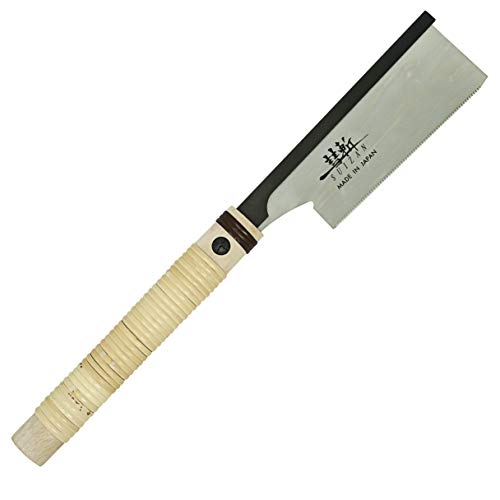
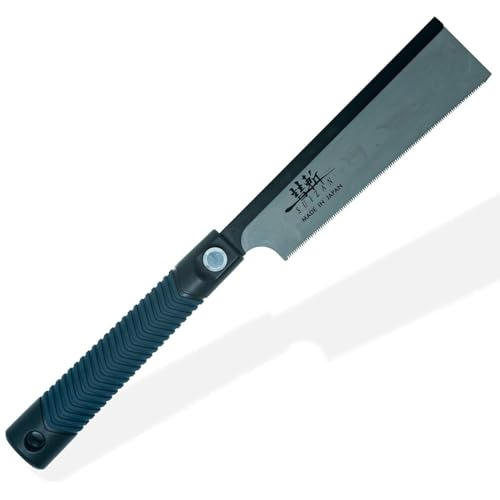
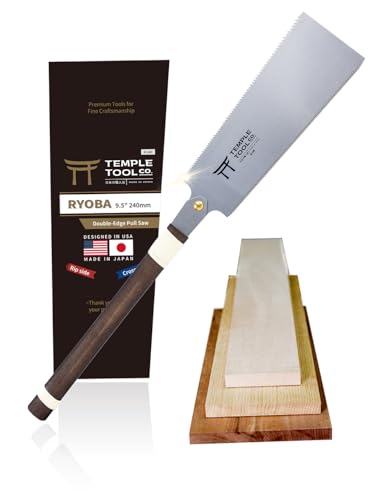
Japanese pull saws cut on the pull stroke with thin blades and fine teeth, offering exceptional control for delicate joints. They suit woodworkers who prefer light effort and already own Western saws for heavier tasks.
Western back saws cut on the push stroke with a stiff spine, giving familiar control for dovetails and tenons in traditional bench work. Most Western woodworkers start here, since technique transfers from other Western hand tools.
Owning both types broadens capability, since pull saws excel at flush trimming and fine cuts while back saws dominate joint cutting. Try a pull saw on scrap before committing, since the reversed stroke feels strange initially.
Saw Sets, Guides and Accessories
Saw guides and magnetic guides help beginners cut straight while learning technique, though they should not replace practice. Use guides for critical first cuts, then gradually rely on eye and muscle memory as confidence grows.
Bench hooks and shooting boards support stock firmly during back saw cuts, preventing movement that ruins accuracy. A stable bench and sharp marking knife matter as much as the saw itself for clean joints.
Invest in quality files, a saw vice, and a setting tool if you plan to sharpen your own saws. These accessories cost less than a few professional sharpenings and pay for themselves quickly across a growing saw collection.
Saw Tooth Geometry Deep Dive
Tooth rake angle controls cutting aggression, with lower rake cutting faster but rougher and higher rake cutting smoother but slower. Dovetail saws use higher rake for control, while tenon saws use lower rake for efficient stock removal.
Tooth fleam angle shapes crosscut performance, slicing wood fibres cleanly rather than tearing them. Crosscut back saws use fleam to produce smooth shoulders, while rip saws use minimal fleam for efficient long grain cutting.
Understanding geometry helps buyers choose saws wisely and diagnose cutting problems accurately. A saw that tears crosscuts likely needs fleam adjustment, while one that binds may need set correction rather than replacement.
Workbench Setup for Hand Sawing
Workbench height should let you saw with a comfortable elbow angle, neither reaching up nor stooping over the work. A bench around wrist height suits most sawing tasks, though taller users may prefer slightly higher benches.
Secure stock firmly with clamps or a bench hook, since movement during cuts ruins accuracy and risks injury. Test stability before cutting, pushing the workpiece firmly to confirm it cannot shift mid stroke.
Good lighting transforms sawing accuracy, revealing cut lines and tooth progress clearly. Position a lamp to shine across the cut line rather than directly at your eyes, reducing glare while highlighting the kerf.
Frequently Asked Questions
What is the difference between rip and crosscut back saws?
Rip back saws cut along the grain with chisel like teeth for tenon cheeks and long joints. Crosscut back saws cut across the grain with knife like teeth for shoulders, mitres, and trimming. Using the wrong tooth geometry tears fibres and leaves rough cuts. Many woodworkers own one of each for clean results in both directions.
How many teeth per inch do I need?
Dovetail saws typically use 14 to 20 teeth per inch for fine thin stock, carcass saws use 12 to 14 for medium furniture work, and tenon saws use 10 to 12 for thicker stock. Finer teeth cut slower but smoother, while coarser teeth cut faster but rougher. Match tooth count to stock thickness and joint size for the cleanest cuts.
Can beginners sharpen a back saw?
Beginners can learn back saw sharpening with practice, files, and a saw vice, starting on a cheap saw before tackling a prized one. The process involves jointing, shaping, setting, and sharpening teeth evenly. Professional sharpening services offer a safety net while learning. Sharp saws cut safer and cleaner than dull ones, so never postpone sharpening.
Why does my back saw drift off line?
Drift usually comes from uneven tooth set, a dull side, poor technique, or a loose spine. Check set symmetry with a magnifier and test cuts in scrap wood. Keep pressure light and let the saw track the marked line, guiding with your index finger. If drift persists after technique fixes, the saw likely needs jointing and resharpening.
How should I store back saws?
Store back saws hung by the handle or in a dedicated till where teeth cannot strike other tools. Keep them dry and lightly oiled to prevent rust, especially in damp workshops. Avoid stacking saws in drawers where teeth chip against metal objects. Good storage preserves sharpness and keeps the spine straight for decades.
Final Thoughts
Pick best back saws by joint type, tooth geometry, spine stiffness, and handle fit for your hands. Use the product table above to shortlist, but test cuts in your own stock tell the truth. Choose a saw that tracks straight, feels balanced, and sharpens well, and it will reward careful work for years.