Best Bolt Cutters: Every Type Explained Side by Side (2026)
Disclosure: We may earn a commission when you buy through links on this page, at no extra cost to you. As an Amazon Associate I earn from qualifying purchases. Learn more

Bolt cutters compared by type, from the KNIPEX CoBolt to WORKPRO, Klein, RIDGID and cordless models.
Bolt cutters handle jobs that ordinary snips cannot: cutting lost padlock shackles, chain, threaded rod, fencing and rebar ties. They range from palm sized compact cutters to 30 inch heavy duty models and battery powered tools, and each type suits a different kind of work. This guide to the best bolt cutters compares every main type side by side, so you can match length, jaw style and capacity to what you need to cut.
Below you will find a comparison table, a closer look at each type, a head to head between heavy duty and midsize cutters and a buying checklist. Use tips and common questions follow.




Types of Bolt Cutters Compared
| Type | Best For | Pros | Cons | Typical Price |
|---|---|---|---|---|
| Compact cutter (8 inch) | Toolbags, electricians, quick cuts | Fits a pocket, high leverage | Small capacity | Around $53 |
| Small bolt cutter (14 inch) | Home, wire, small locks | Light, cheap, easy to store | Limited on thick or hard metal | Around $18 to $50 |
| Midsize cutter (18 to 24 inch) | Most padlocks, chain, rods | Good balance of power and size | Bulkier to carry | Around $31 to $60 |
| Heavy duty cutter (30 to 31 inch) | Thick chain, hard metal, jobsites | Most leverage and capacity | Heavy, long | Around $65 to $190 |
| Cordless bolt cutter | Repeated cuts, rebar, fencing | No hand effort | Needs battery, costs more | Around $110 tool only |
Compact Options: Pocket Cutters and 14 Inch Models
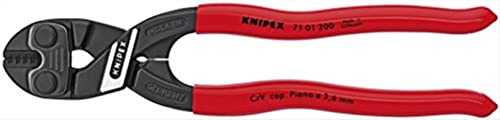
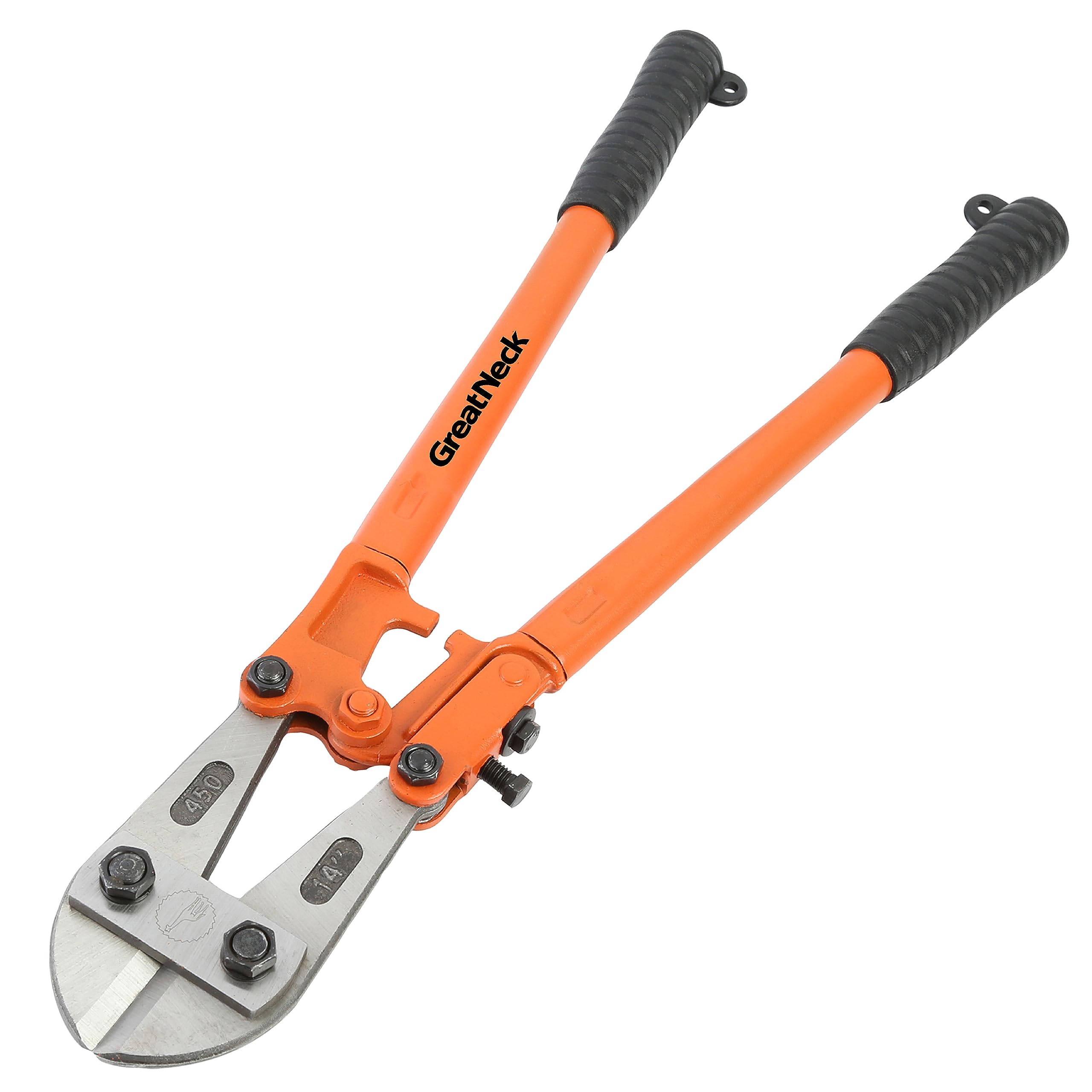
Compact cutters pack bolt cutter leverage into a plier sized tool. The KNIPEX CoBolt 71 01 200 is 8 inches long and fits a tool pouch, making it popular with electricians, mechanics and maintenance workers for cutting bolts, nails, rivets and wire. Small 14 inch cutters, like the WORKPRO 14 inch, Edward Tools 14 inch and GreatNeck BC14, are light enough for a kitchen drawer or truck box. Edward Tools lists a capacity of 7/32 inch for hard material up to HRC 42 and 1/4 inch for softer material, and backs its cutter with a lifetime warranty.
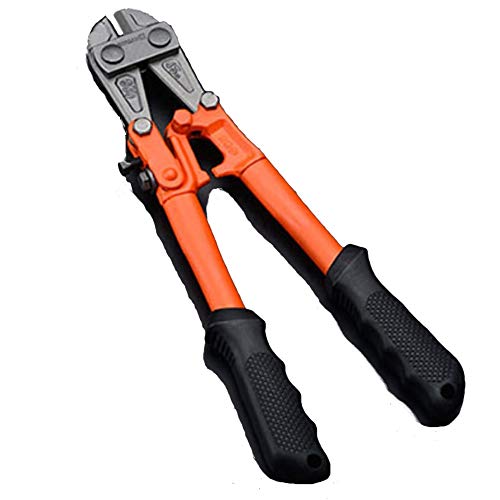
These tools suit home repairs, fence wire, small padlocks and zip ties. They cannot handle thick chain or hardened locks, so treat them as light duty cutters.
Budget Options: Value 14 to 24 Inch Cutters
Budget cutters around $18 to $40 deliver solid performance for occasional use. The WORKPRO 24 inch cutter uses drop forged chrome molybdenum steel with powder coated jaws, a classic lever fulcrum design and bi material anti slip grips. WORKPRO lists a capacity of 5/16 inch for hard material up to HRC 42 and 25/64 inch for softer material under HRC 25. The GRENPRO 24 inch cutter uses chrome vanadium steel with anti slip handles.
These suit homeowners, landlords and renters who need to cut a lost lock or chain once in a while. The tradeoff is softer jaws and handles that flex more than premium cutters on hard metal.
Mid Range Options: Professional 14 to 24 Inch Cutters
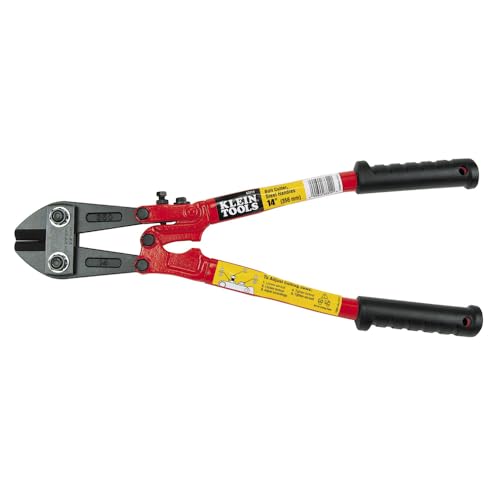
Midrange cutters add better steel, precise jaws and sturdier handles. The Klein Tools 63314 14 inch cutter uses forged alloy tool steel jaws that are precision ground, center cut for soft, medium and hard metals, with capacities up to Brinell 400, Rockwell C42 for hard materials.
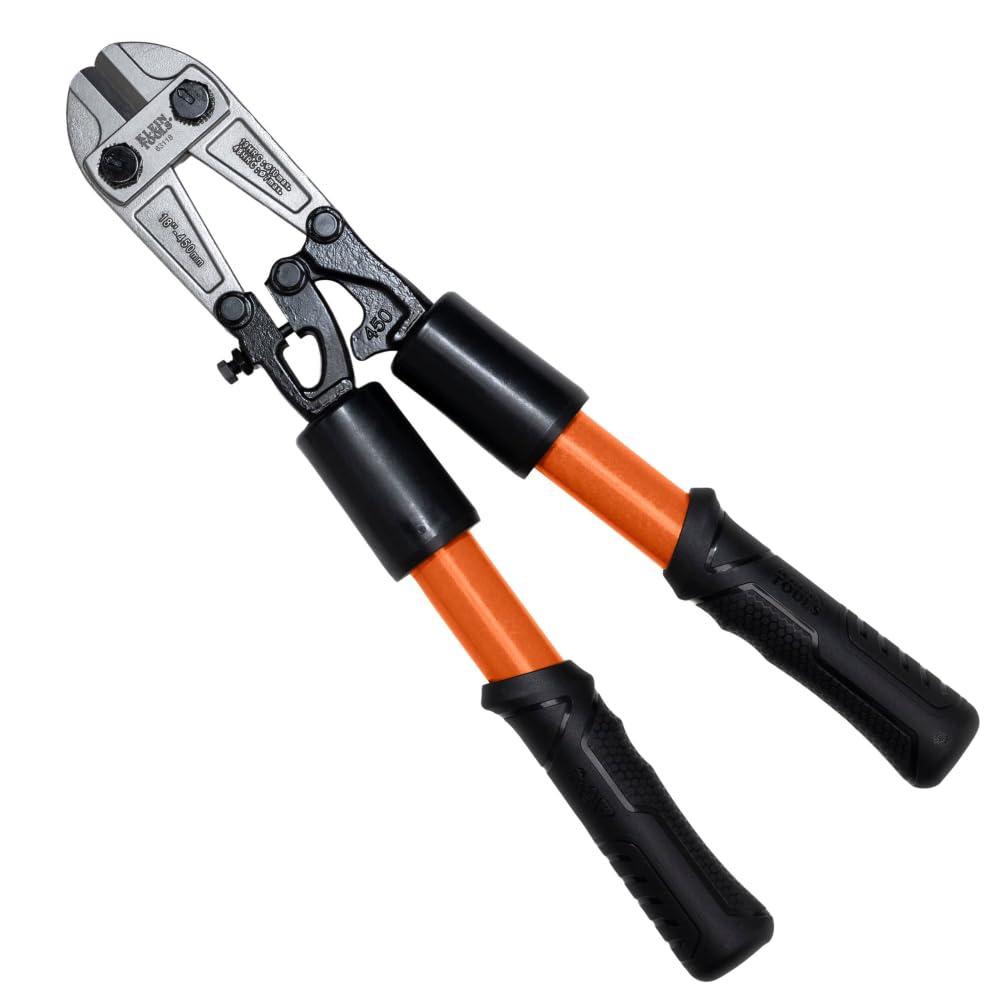
Its heavy vinyl grips have flat ends for 90 degree cuts. The Klein 63118 18 inch cutter adds fiberglass handles. The STEELMAN 24 inch folding cutter folds in half for storage in a truck or toolbox.
These suit electricians, maintenance staff and frequent DIYers who want a cutter that stays sharp and aligned.
Premium Options: Heavy Duty and Cordless Cutters
Heavy duty cutters give the most leverage and capacity. The RIDGID S30 is 31 inches long with solid hardened alloy steel jaws and a one step internal cam mechanism for accurate blade alignment.
RIDGID lists capacities of 1/2 inch for soft metals, 7/16 inch for medium metals and 3/8 inch for hard metals. The WORKPRO 30 inch cutter offers a lower cost heavy option. The RYOBI ONE+ 18V cordless bolt cutter (P592) removes hand effort entirely, which helps with repeated cuts, but the battery and charger are sold separately.
These suit contractors, farms, property managers and anyone cutting thick chain or many pieces of rod.
Premium Options vs Mid Range Options: Which Should You Choose?
Comparing heavy duty or cordless cutters with midrange 14 to 24 inch cutters on the points that matter most:
- Capacity: 30 to 31 inch cutters handle thicker and harder metal, like the 1/2 inch soft metal capacity of the RIDGID S30.
- Effort: Longer handles and cordless power cut with less hand strength.
- Portability: Midrange cutters are easier to carry, and folding models like the STEELMAN pack small.
- Precision: Professional midrange cutters like the Klein 63314 offer precise jaws in a smaller size.
- Price: Midrange cutters cost around $31 to $60, heavy duty models around $65 to $190.
Choose a midrange cutter for most padlocks, chain and rod around the home or shop. Choose heavy duty or cordless for thick chain, hardened metal and frequent jobsite use.
How to Choose From the Best Bolt Cutters
Intended Use and Who It's For
Match the cutter to the job. Electricians and mechanics benefit from a compact cutter like the KNIPEX CoBolt.
Homeowners cutting wire, small locks and zip ties do well with a 14 inch cutter. Most people cutting standard padlocks and light chain should choose an 18 to 24 inch cutter. Contractors, farmers and property managers cutting thick chain should choose 30 inch or cordless models.
Build Quality and Materials
Look for forged jaws made of chrome molybdenum, chrome vanadium or alloy tool steel that are heat treated for hardness. Precisely aligned or adjustable blades, like GreatNeck's adjustable blades, keep cuts clean. Handles should be sturdy steel tubing or fiberglass with comfortable, non slip grips. Avoid cutters with loose pivots or jaws that do not meet evenly.
Key Performance Specs
Check cutting capacity for hard, medium and soft metals, often listed in inches with a hardness rating such as HRC 42. Longer handles multiply leverage, so a 24 inch cutter cuts more easily than a 14 inch one. Jaw style matters too: center cut jaws, like Klein's, are all purpose, while other designs cut flush. Never exceed the rated capacity, since that damages jaws.
Warranty and Customer Support
Warranties vary widely. Edward Tools offers a lifetime warranty, and established brands like RIDGID, Klein and KNIPEX are known for durable tools and available support. Replacement jaws or heads, offered on some heavy duty cutters, extend tool life. Check the warranty before buying a cutter for regular professional use.
Size and Storage
Long cutters are heavy and awkward to store. Folding cutters like the STEELMAN 24 inch fit truck boxes, and compact cutters fit tool pouches. Measure your storage space, and consider owning a compact cutter for daily work and a longer one for occasional heavy jobs.
Jaw Types: Center Cut, Clipper Cut and Shear Cut
Center cut jaws meet in the middle and are the most common all purpose design for bolts, chain and rod. Clipper cut jaws cut flush against a surface, which helps when trimming bolts close to a plate. Shear cut jaws slide past each other for clean cuts on soft materials like cable and wire rope. Most homeowners need center cut jaws.
Tips to Get the Most From Your Bolt Cutter
- Cut deep in the jaws. Place material near the pivot for the most leverage.
- Keep cuts square. Twisting the handles chips jaws.
- Respect capacity limits. Hardened locks and chains may need larger or powered cutters.
- Wear protection. Use safety glasses and good work gloves, since cut pieces can fly.
- Use only on your own property. Cut locks and chains only when you own them or have permission.
FAQs
What features matter most when buying bolt cutters?
The most important features are a length that suits your typical cuts, forged and heat treated jaws, a clear rated capacity for hard metals and comfortable, non slip handles. Adjustable or precisely aligned blades and a solid warranty add value for frequent users.
How long does a bolt cutter last?
A quality bolt cutter can last many years, often decades for occasional home use. Jaws wear first, especially if you cut beyond capacity or twist the tool. Some heavy duty models accept replacement heads, which extends their life further.
How much should I spend on a bolt cutter?
Spend around $18 to $40 for a small or budget 24 inch cutter for occasional use. Spend around $50 to $60 for a professional compact or midsize cutter, and around $65 to $190 for heavy duty 30 inch or more models. Cordless cutters cost around $110 tool only.
Are expensive bolt cutters worth it?
They are worth it for frequent use and hard metals. Premium cutters stay sharp longer, keep jaws aligned and cut with less effort. For a once a year cut, a budget cutter does the job well.
How do I maintain a bolt cutter?
Wipe the jaws clean after use, oil the pivot points lightly and store the cutter dry. Check jaw alignment and adjust if your model allows. Avoid cutting hardened steel beyond the rated capacity.
What size bolt cutter do I need to cut a padlock?
Most standard padlocks need an 18 to 24 inch cutter, while thin shackle locks can be cut with a 14 inch cutter. Hardened, thick shackle locks may need a 30 inch or more heavy duty cutter or a powered tool.
The Bottom Line
Three things matter most: the right length for your cuts, forged jaws with a capacity rating for hard metal and handles you can control. The KNIPEX CoBolt is the best compact cutter, the WORKPRO 24 inch is a strong budget choice, the Klein Tools 63314 suits professionals and the RIDGID S30 handles the toughest jobs. Pair your cutter with quality lineman pliers and a combination padlock, then check the product table above to choose from the best bolt cutters for your work.