
Best Boho Sandals: Every Type Explained Side by Side for 2026
Disclosure: We may earn a commission when you buy through links on this page, at no extra cost to you. As an Amazon Associate I earn from qualifying purchases. Learn more

Compare flat, platform, gladiator and wedge styles side by side so you can choose the best boho sandals for comfort, outfits and budget with ease.
Boho sandals look simple in photos, yet the range of soles, straps, and heights can leave you unsure which pair fits your feet and your wardrobe. A flat pair that feels dreamy for a farmers market may punish your arches at an all day festival. This guide compares each main type clearly so you can pick the best boho sandals for how you actually spend your warm days.
Start with the comparison table below to line up styles and prices. Then use the type breakdown and fit advice that follow to narrow your choice with confidence.
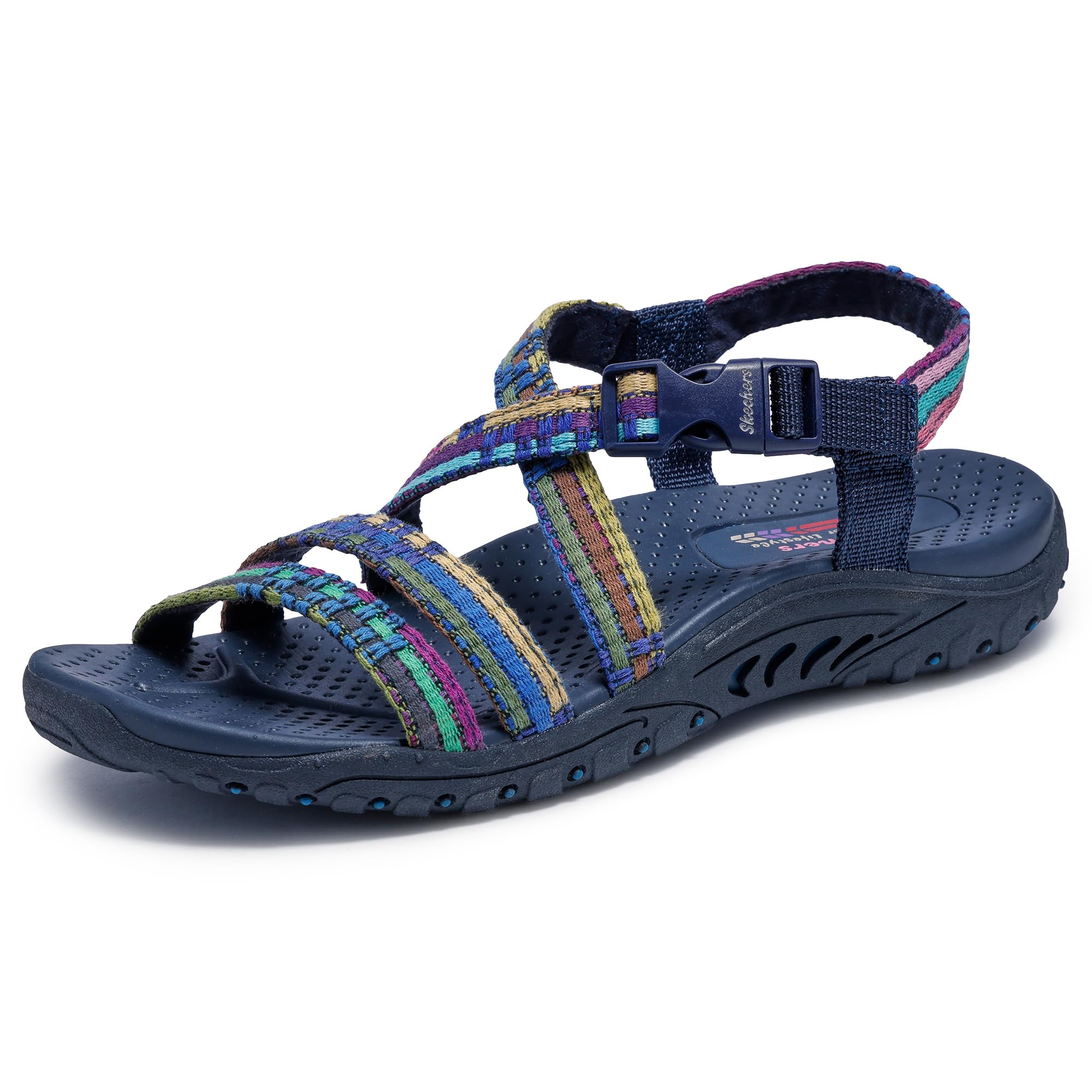

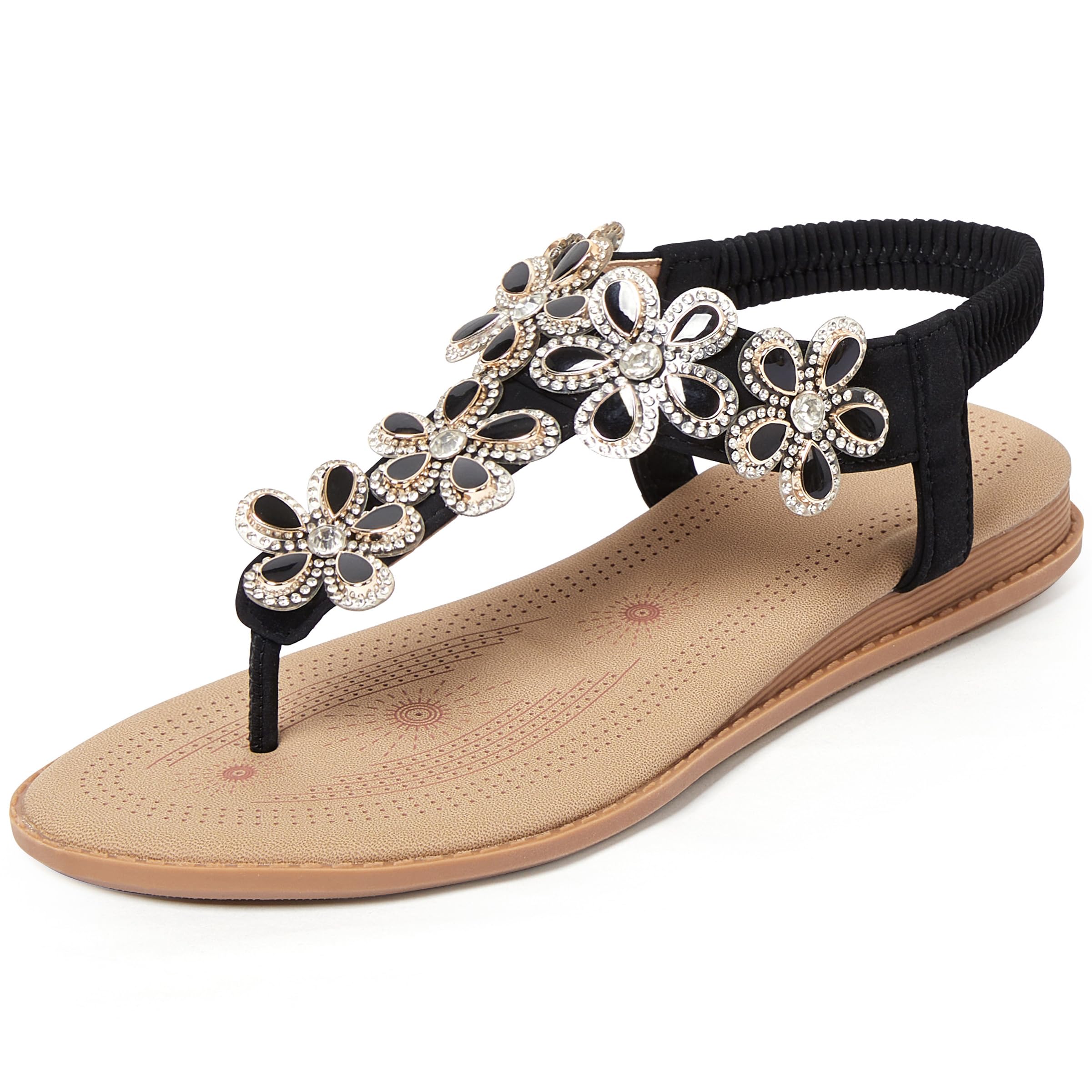
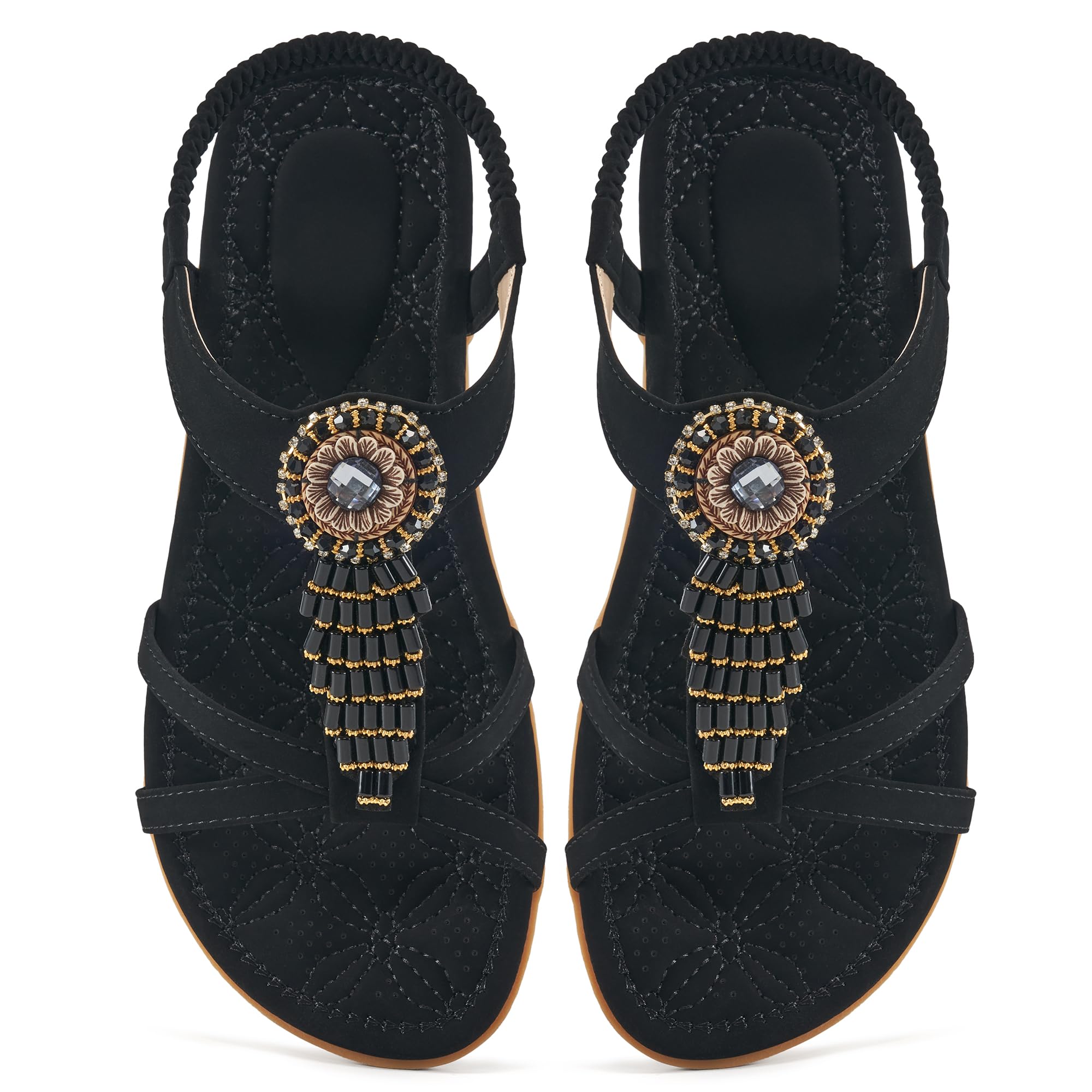
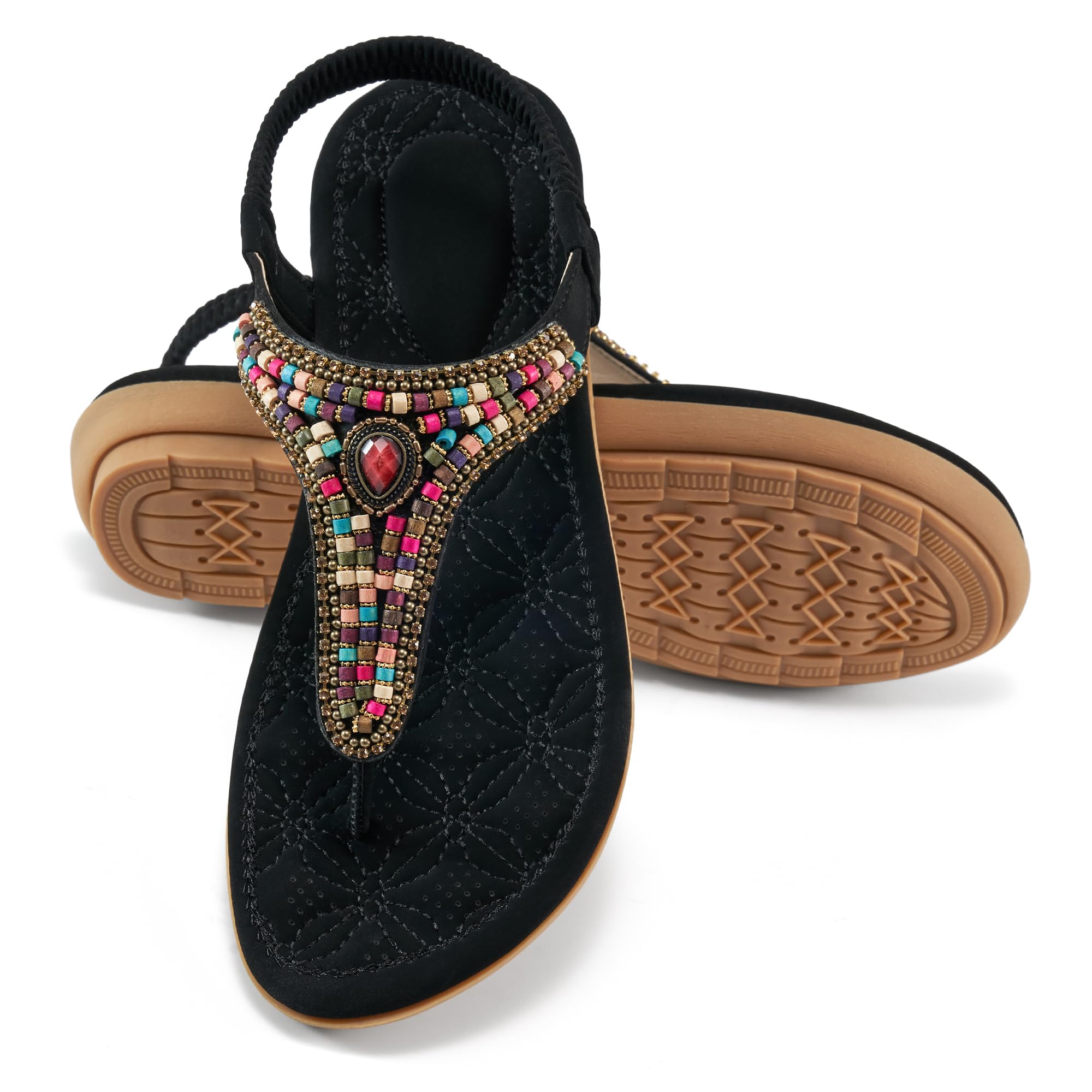
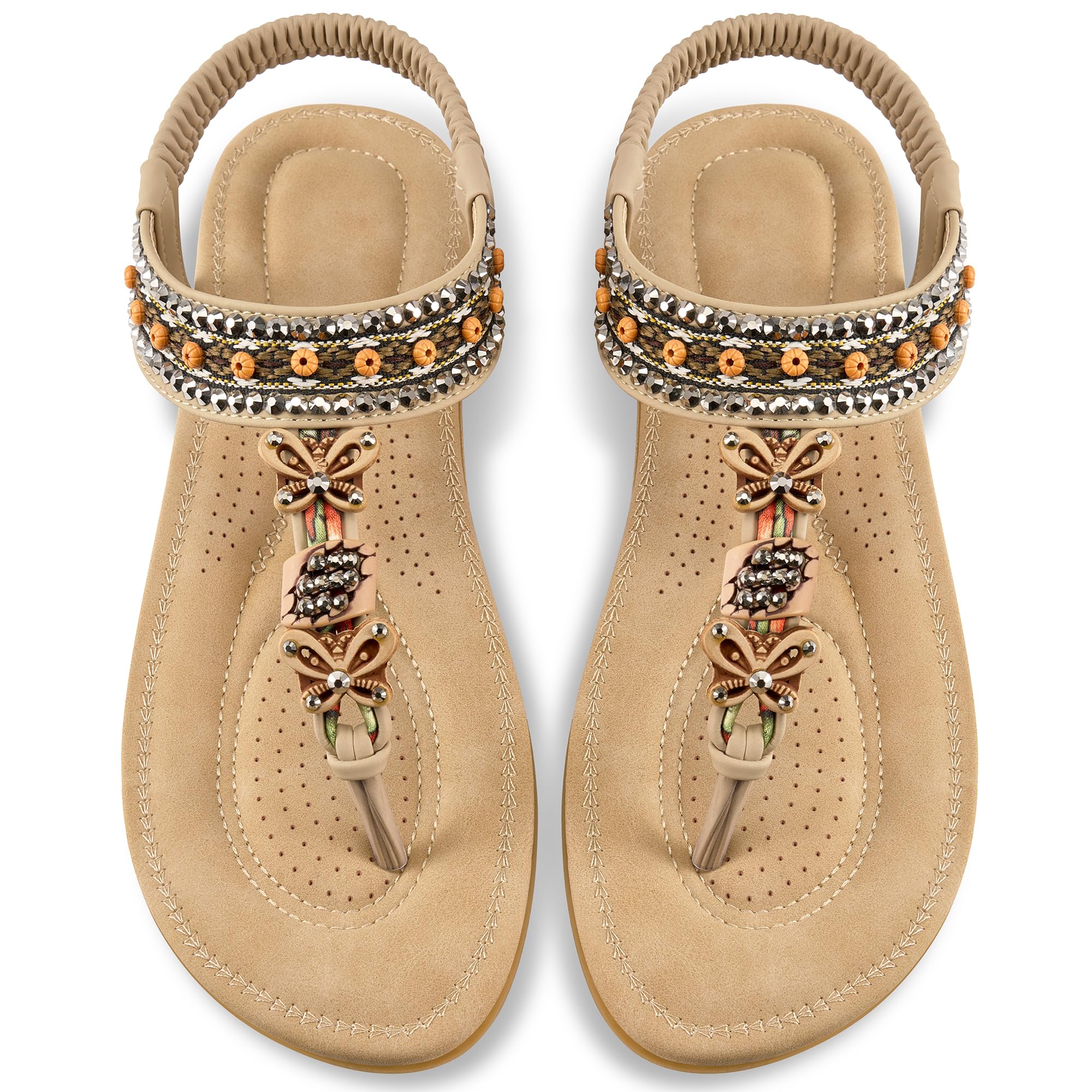
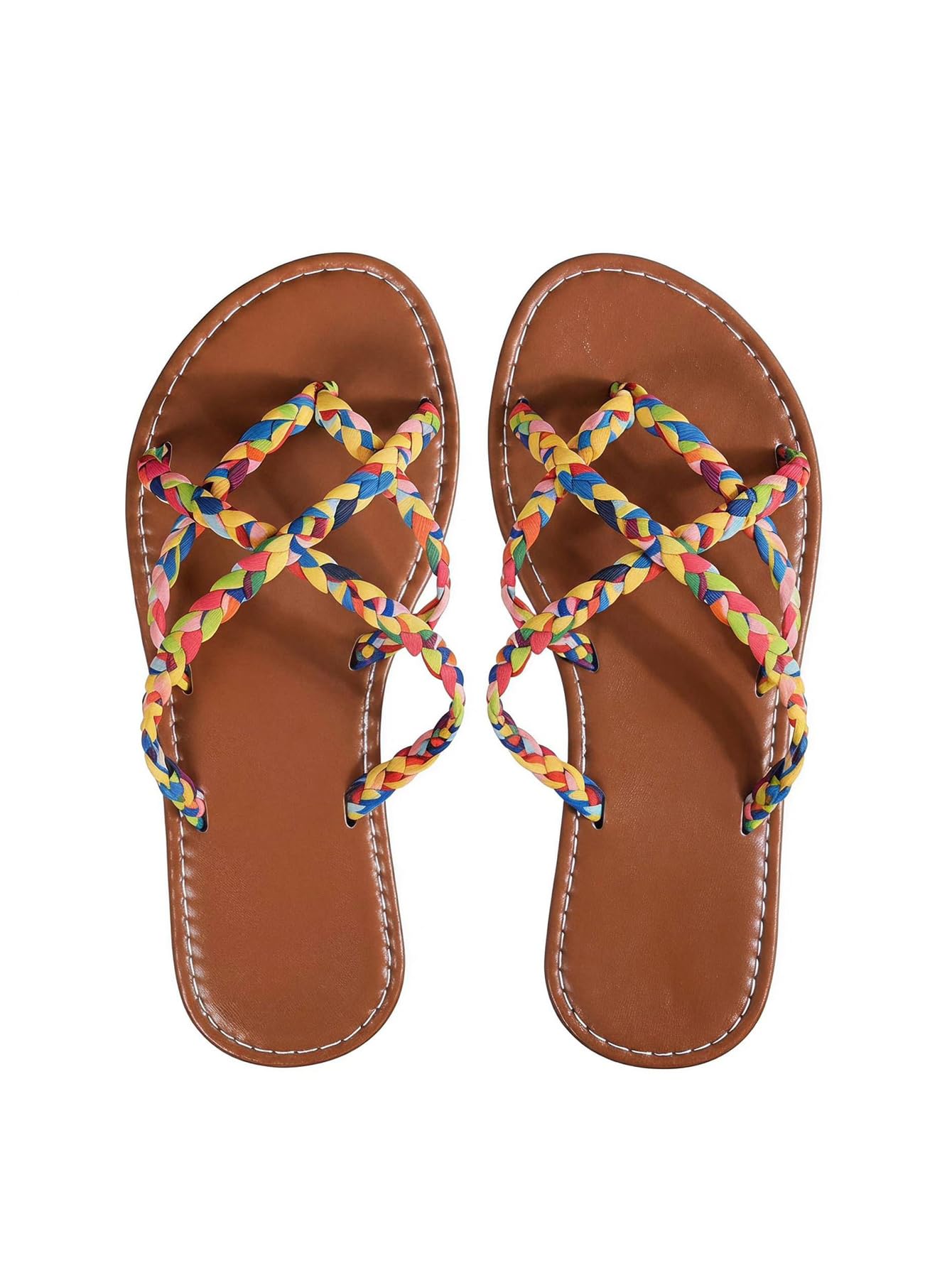

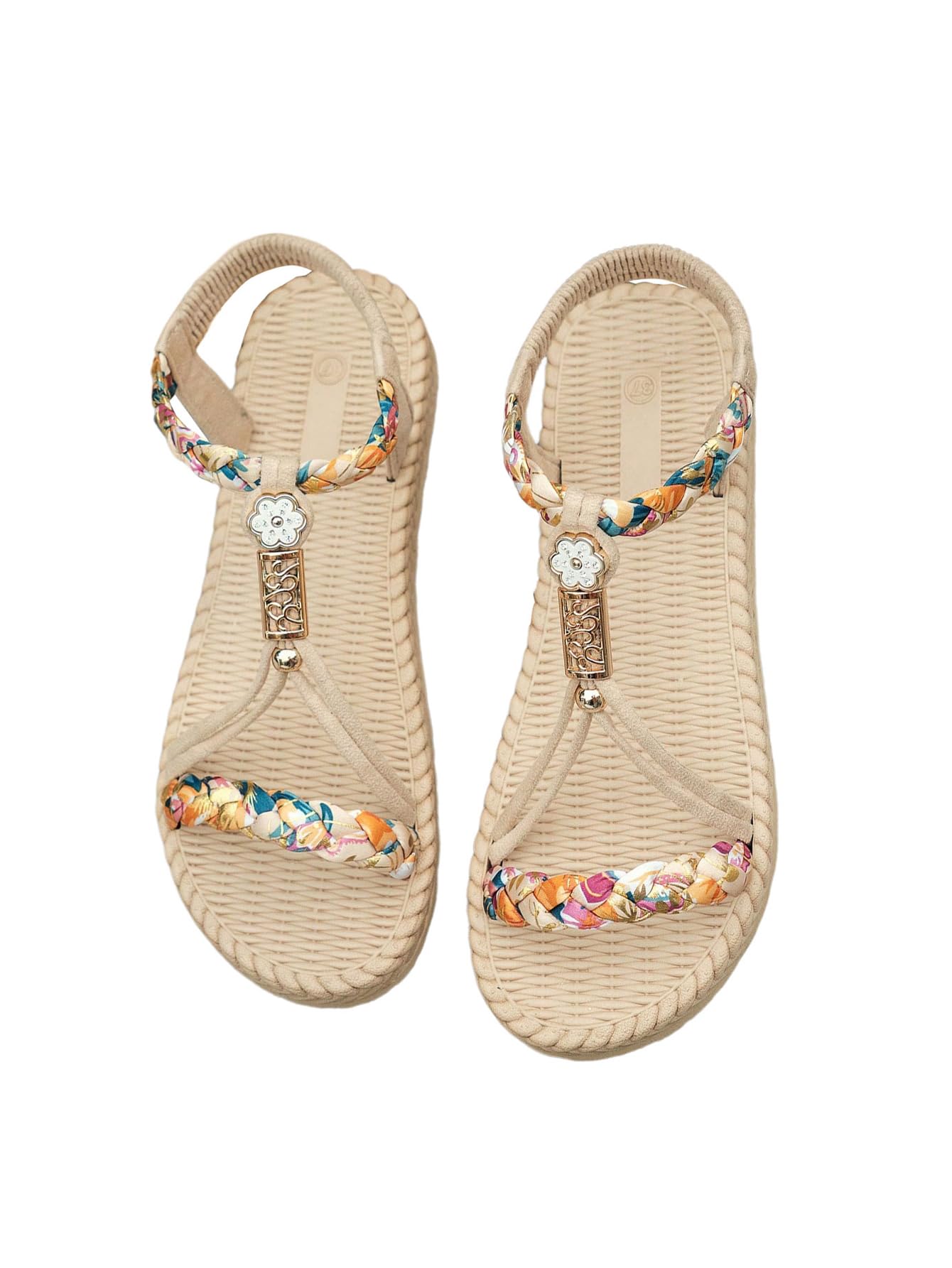

Types of Boho Sandals Compared
Boho style covers more ground than one look. The shared traits are natural tones, woven or braided details, fringe, beads, or tooled patterns, and an easy mood that pairs with flowing fabrics. What changes your comfort is the sole under those details. The four types below cover nearly every pair you will see, from flat festival staples to dressier wedges. If you want a broader benchmark for quality across sandal styles, our guide to best rated sandals shows how buyers rate fit and durability overall.
Flat Strappy Sandals
Flat strappy sandals are the classic boho starting point. Thin soles and multiple narrow straps keep them lightweight and easy to pack, and they pair with almost any dress, skirt, or loose pant. Prices often start around $25 to $50, which makes them the lowest risk way to try the style.
The trade off is support. Most flat pairs offer minimal cushioning and little arch support, so your feet do the work on hard ground. Thin straps can also rub between toes or across the top of the foot during the first wears. Choose this type for short outings, soft ground, and travel days built around sitting as much as walking.
Platform and Wedge Sandals
Platform and wedge styles lift the boho look with height while keeping your foot more level than a stiletto would. A platform raises the whole foot, while a wedge rises mainly at the heel with a gentle heel to toe drop. Cork, espadrille style rope, and wood look soles are common, and prices often run around $45 to $90.
These pairs suit weddings, dinners, and photos where you want length and polish. The extra sole can add welcome cushioning, but height raises ankle roll risk on uneven ground like cobblestones or festival fields. If you walk far or stand on grass, pick a lower platform with a wide, stable base and an ankle strap that holds the foot in place.
Gladiator and Lace Up Styles
Gladiator and lace up sandals wrap straps or cords up the ankle and sometimes toward the calf. They make a plain outfit look styled with almost no effort, and the wrap fit adjusts well to different ankle sizes. Most use flat or low soles, and prices often fall around $35 to $75 depending on materials.
Fit patience is the main cost. Laces take a minute to tie well, and wraps that are too tight can leave marks, while loose wraps slide and bunch. These styles shine for events and photos, and they pack flat for trips. Skip tall wraps on very hot, humid days, since covered skin plus friction can leave your lower legs sore and sweaty.
Embellished and Woven Sandals
Embellished and woven pairs put craft first, with handwoven straps, beadwork, coins, tassels, or embroidered bands. They range from flat slides to low wedges, and prices vary widely, from around $30 for simple woven flats to around $100 or more for detailed handwork and real leather.
These sandals act like jewelry for your feet, so they rescue plain dresses and solid color outfits. The care cost is higher: beads can loosen, pale weaving shows dirt fast, and delicate straps dislike rain and rough trails. Buy this type for style impact, and rotate it with a plainer, sturdier pair so the details last for many seasons.
Flat Sandals vs Platform Sandals: Which Should You Choose?
Choose flat sandals if your day is casual, your ground is soft or even, and you value light packing over support. Flats cost less, slip into any bag, and match the relaxed roots of the style. They ask more of your feet, though, so long walks on pavement will expose thin soles and weak arch support quickly.
Choose platform sandals if you want height, a dressier line, and often a thicker cushion underfoot. Platforms photograph beautifully and keep hems off dusty ground. They demand more care on stairs, gravel, and sloped lawns. A simple rule helps: if you will walk more than you pose, go flat or low. If you will pose more than you walk, a platform earns its place.
How to Choose the Right Boho Sandal
Durability and Expected Lifespan
A well made pair of boho sandals should last about two to four warm seasons of regular wear. Leather straps and stitched soles outlast glued straps and thin synthetic soles, which can peel or crack after one hot summer. Check stress points where straps meet the sole, since that joint fails first on most pairs.
Your habits set the real lifespan. Sandals worn daily on hot pavement wear far faster than pairs rotated a few times a week. If you love one style, buying a second pair to rotate can double the life of both, because foam and leather recover better with a rest day between wears.
Cushioning and Support
Cushioning decides how your feet feel at hour four, not minute four. Look for a footbed with some thickness and a slight mold under the arch and heel rather than a board flat sole. Foam footbeds feel soft at once, while cork footbeds mold to your foot over the first weeks and then hold that shape well.
Stability matters as much as softness. A sole that twists easily in your hands will let your foot roll on uneven ground. For long days, favor moderate cushioning with a firmer base over plush foam that bottoms out. Your knees and lower back will notice the difference before your feet do, especially on concrete.
Arch Support and Foot Type
Flat feet and high arches need different help from a sandal. Flat feet tend to roll inward, so a shaped footbed with a defined arch and a firm heel cup adds welcome control. High arches spread pressure poorly, so they need cushioning under the heel and the ball of the foot plus a gentle arch fill.
If you have plantar heel pain or a clinician has advised support, treat fashion flats as short wear shoes only. Our guide to best sandals for plantar needs covers support features in depth for sensitive feet. Stop and seek medical advice if you develop sharp heel pain, numbness, or pain that alters how you walk, since footwear alone cannot fix every foot problem.
Water Resistance and Materials
Most boho sandals are fair weather shoes. Leather, suede, cork, and woven fabric all dislike soaking, and beaded details can trap moisture and rub when wet. A light splash at a beach cafe is fine, but a downpour can stain leather, swell cork, and loosen glued straps in a single afternoon.
If your plans include boats, pool decks, or rainy travel, pack a plain waterproof sandal for wet hours and save your boho pair for dry time. Some synthetic woven styles tolerate water better and dry fast, though they rarely look as rich as leather. Breathable natural materials still win for hot dry days, since they limit sweat and odor better than plastic straps.
Fit, Sizing, and Toe Box
Measure and try sandals late in the day, when feet are at their largest from heat and walking. Your heel should sit fully on the footbed with no overhang, and your toes should rest flat with a small space ahead of the longest toe. A wide toe box lets toes spread, which improves balance and prevents rubbing at the strap joints.
Between sizes, size up if your heel or toes reach the edge, since sandal soles give no extra room beyond the rim. Walk on a hard floor during try on, not just carpet, and listen for slap or slide sounds that signal loose fit. Straps should hold the foot without pressing lines into the skin after a few minutes.
Care and Maintenance Tips
- Air dry wet shoes away from direct heat. Stuff damp sandals with plain paper and let them dry at room temperature so leather and cork keep their shape.
- Rotate two pairs for daily wear. A rest day lets footbeds rebound and straps dry fully, which cuts odor and slows wear.
- Brush dust off after each wear. Grit left in woven straps acts like sandpaper, so a soft brush keeps details intact longer.
- Store pairs flat and out of sun. Sunlight fades dyes and dries leather, so a shaded shelf beats a bright windowsill or a hot car.
For trips and resort days, pack your most delicate pair in a cloth bag so beads and fringe avoid snags. Our guide to best rated sandals resort covers travel friendly features if you are building a full vacation shoe plan.
Frequently Asked Questions
Do I need waterproof boho sandals?
You need waterproof boho sandals only if your plans center on water, such as boat days, beach bars with wet floors, or rainy city trips. Most leather and woven pairs handle a brief splash but suffer in a soaking. A practical extra tip: if a listing claims waterproof leather, check whether the footbed is also sealed, since an unsealed cork base still absorbs water and stains.
How often should I replace my boho sandals?
Replace your boho sandals when the sole wears smooth, straps loosen or crack, or the footbed stays compressed and hard. For daily summer wear that point often arrives after about two seasons. One early warning sign many people miss is a new ache in the ball of the foot, which often means the cushion under the forefoot has packed down and stopped protecting you.
Are expensive boho sandals worth it?
Expensive boho sandals are worth it when the extra money buys real leather, stitched soles, and shaped footbeds you will wear for years. They are not worth it when the price only buys more beads on the same thin glued sole. A quick value check: divide the price by the days you expect to wear them each season, and compare that daily cost across your options.
How should boho sandals fit?
Boho sandals should fit with your heel fully on the footbed, toes flat, and straps snug without digging. Your foot should not slide forward when you walk downhill or turn quickly. A fit trick worth using at home: stand on a sheet of paper, trace your foot in the evening, and compare the length with the brand size chart, since boho brands vary more than athletic brands.
Can I wear boho sandals all day?
You can wear boho sandals all day if you choose a cushioned, shaped footbed and a secure strap layout, and if your route avoids long stretches of hard pavement. Thin fashion flats rarely pass the all day test. Build up wear time over a week before a big event day, and pack a backup pair for the car so a rubbed spot never ruins your plans.
How long is the break in period for boho sandals?
The break in period for boho sandals is usually about three to seven wears for leather straps and cork footbeds. Straps soften and footbeds mold during short outings first. Speed the process safely by wearing them indoors with socks for an hour at a time. Blisters are not a required stage: if a strap cuts or burns after two gentle wears, the fit or strap placement is wrong for your foot.
Wrapping Up
Start with the sole, not the decoration. Pick the type that matches your ground and walking load, insist on a footbed your arches can live with, and fit the pair late in the day. The comparison table above will then do its job, narrowing pretty options to pairs your feet will thank you for. Chosen that way, the best boho sandals become the pair you reach for daily, not the pair you admire and avoid.


