Best Bodyweight Home Gym (2026): Straps, Towers and Stations
Disclosure: We may earn a commission when you buy through links on this page, at no extra cost to you. As an Amazon Associate I earn from qualifying purchases. Learn more
Capacity, footprint and anchor advice for choosing the best bodyweight home gym, from suspension straps to free standing towers.
Choosing a home gym gets confusing when most options assume you want heavy plates, cables, and a large frame in the room. A bodyweight setup takes a simpler path, using your own weight for resistance through bars, straps, and leverage stations. If you want quiet training that stores small, the best bodyweight home gym fits your space, supports your weight with margin, and lets you progress for months.
This guide compares the main types on build quality and weight capacity, footprint and storage, and features and programs. Use the product table below to compare real options.




Types to Compare at a Glance
Bodyweight equipment falls into three broad types, and each one changes what exercises you can do and how much room you need. None needs weight plates, so your choice comes down to anchors, bars, and floor space.
Suspension Trainer Systems
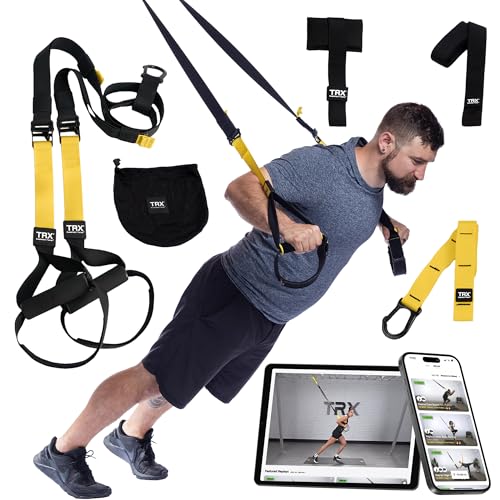
Suspension systems use two adjustable straps with handles, anchored to a door, a beam, or a wall mount. Changing your body angle changes the load, so a row can feel easy or demanding without adding weight. They pack into a small bag and suit renters, but every exercise depends on that single anchor point. Check strap stitching, buckle strength, and anchor padding first.
Doorway and Free Standing Bars
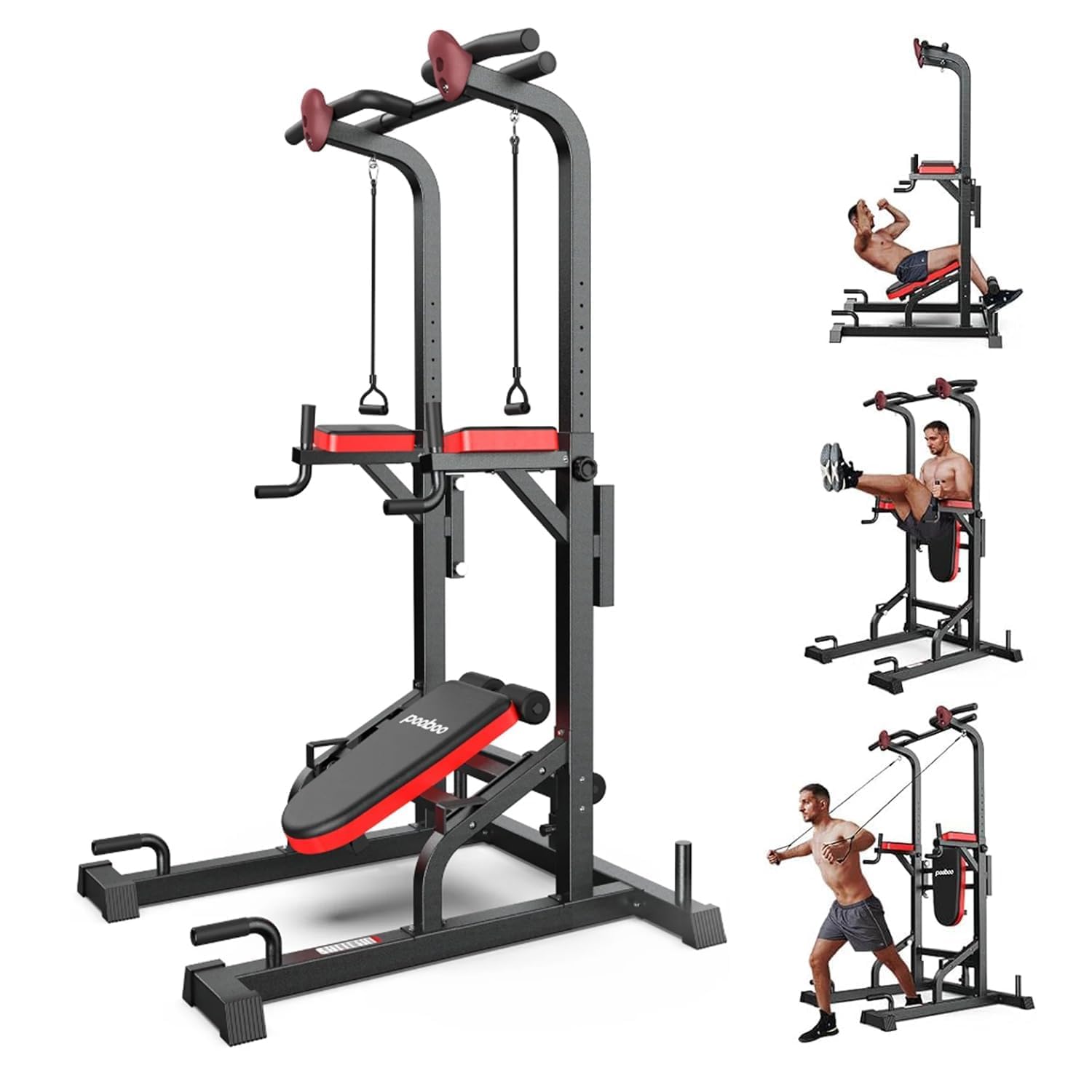
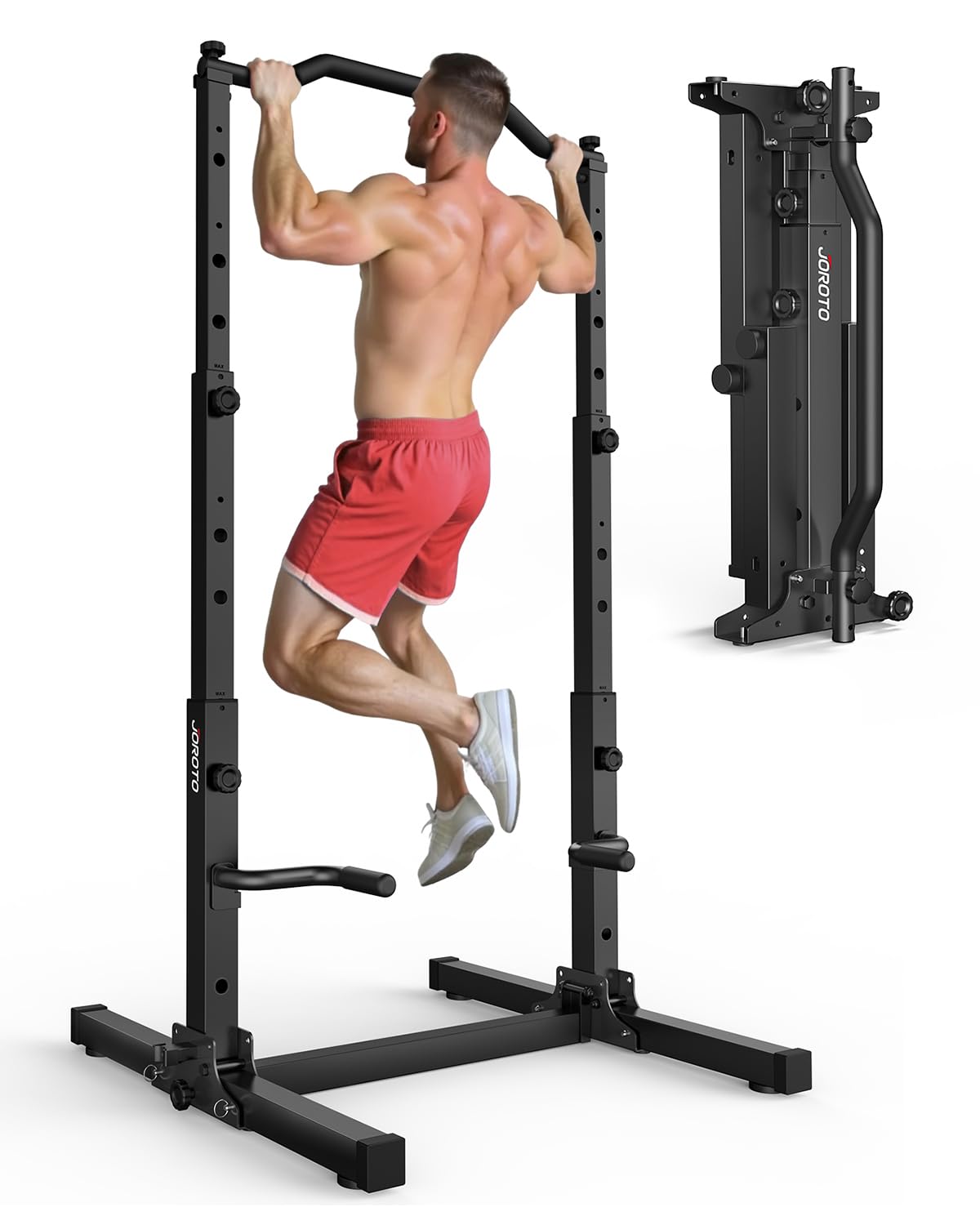
Bars give you pull ups, chin ups, dips, and leg raises, the pulling work that floor exercises alone cannot copy. Doorway models brace against the trim and come down after a session, while free standing towers stay in place and add dip handles and a knee raise station. A tower feels steadier and serves taller users better, but it claims a fixed corner. Measure ceiling height and door trim width before you decide.
Leverage and Incline Stations
Leverage stations guide your body along a fixed path, often with an incline bench or a sliding board that raises part of your weight as resistance. They feel stable for beginners because the frame controls the movement, and many fold upright for storage. The tradeoff is variety, since the fixed path limits exercise angles. Look for smooth glide action, a firm lock at each incline setting, and padding that will not compress flat quickly.
What to Compare
Compare types using maker specifications, stated capacities, frame materials, and patterns in verified buyer feedback about wobble, strap wear, and anchor damage. The criteria were build quality and capacity, footprint and storage, features and programs, noise, and warranty cover. Progress depends far more on consistent practice than on any single frame or strap set.
Who Should Buy Which Type?
Apartment Renters Who Cannot Drill or Bolt
If your lease bans wall fixings, a suspension set with a door anchor or a doorway bar that braces on trim protects your deposit. You also need quiet gear, since thin walls carry impact sounds to neighbors. Choose gear you can remove in minutes and store in a closet, so a small room never becomes a permanent gym you resent.
Beginners Building a Steady Routine
If you are returning to exercise after a long break, guided and scalable moves matter more than maximum load. An incline station or suspension straps let you start at a shallow angle and stand more upright when an exercise feels too hard. That control helps you finish sessions and come back the next day. Avoid gear that only offers full pull ups or deep dips, because a setup with no easier variation tends to sit unused.
Experienced Lifters Who Want Pulling Strength at Home
If you already train with weights elsewhere, your gap at home is usually heavy pulling and dip work rather than general fitness. A sturdy free standing tower with a thick bar and a high stated capacity serves you best. You can add slow reps, pauses, and single arm progressions to keep the load challenging. Straps still help for rows, but a flexing doorway bar will frustrate you quickly, so frame rigidity should lead your decision.
How to Choose the Right Home Gym
Features Worth Paying For and Ones to Skip
Pay for thick steel tubing, smooth strap adjustment that locks without slipping, wide dip handles with firm grips, and anchor hardware rated well above your weight. Grip positions add real value because neutral, wide, and narrow grips change which muscles share the work. Skip bundles stuffed with thin resistance bands and plastic push up boards, which raise the price without improving the core station.
Space and Footprint
Measure the working space, not just the stored size. A suspension session needs a clear lane about as long as you are tall, plus room to walk the straps out to your chosen angle. A tower needs ceiling clearance above the bar for your head at the top of a pull up, plus space in front for knee raises. Doorway bars need a side clear of furniture you could kick during leg raises.
Weight Capacity
The stated capacity should exceed your body weight by a clear margin, because dynamic moves load the frame harder than standing still does. Dropping into a dip or swinging slightly on a row adds force beyond your scale weight. Treat the listed limit as a ceiling you stay under, not a target. Check whether the rating covers the whole station or only the bar, since dip handles and benches sometimes carry lower limits in the manual.
Programs and App Subscriptions
Some systems include printed charts, while others lean on an app with guided sessions and progress tracking. An app can help you log angles or incline settings, which makes progression easier to repeat. Before you pay for a subscription, check what stays free and whether the workouts need extra gear. If you prefer screens off during training, a smart platform may suit you less, so compare it with our guide to the best smart home gym before you commit.
Noise and Floor Protection
Bodyweight training is naturally quiet because there are no plates to clang, but small sounds still matter. Straps can creak at the anchor, tower feet can rock on hard floors, and a sliding board can thump at the end of its travel. Rubber feet, a dense mat under the station, and slow controlled reps keep most of that down. A mat also protects wood and tile from the pressure of narrow frame feet.
How Much Should You Spend?
Suspension sets often cost under $100 and cover rows, presses, and core work if you already have a solid anchor. Doorway bars and compact towers usually fall at about $100 to $300, with the extra money buying rigidity and more grip options. Larger leverage stations can run about $300 to $1,000, and that price only makes sense if the guided path solves a real problem for you. For a wider view of full setups, see our guide to the best home gym options.
Bodyweight Training Compared With Other Home Gyms
The clear gain is simplicity. You store little, move the gear easily, and never trip over plates. Sessions start fast, which helps on busy days. The clear limit is load progression, since you progress by changing angles and leverage rather than adding plates in small steps. Leg training also tops out sooner, because squats and lunges with body weight alone challenge balance more than raw strength once you are fit.
If you expect to outgrow that ceiling, a frame based route gives you barbell work instead, as covered in our guide to the best power rack home gym setups. A guided bar path is another step up in load, which our guide to the best smith machine home gym options explains. Neither replaces bodyweight gear for travel or tiny rooms, so many owners keep straps even after they add a rack.
Common Mistakes to Avoid
- Trusting a door anchor on a hollow or damaged door, which can pull free mid rep and drop you.
- Buying a tower before measuring ceiling height, which leaves no room above the bar.
- Ignoring the lower rating on dip handles or a bench, which can bend parts even when the bar feels solid.
- Starting every exercise at the hardest angle, which strains shoulders and elbows and stalls your routine within weeks.
- Skipping a mat on hard floors, which lets feet slide and can mark wood or crack tile.
- Choosing gear with no easier variation of pull ups or dips, which leaves no way to build up gradually.
How to Make Your Setup Last Longer
Inspect straps and stitching weekly, and retire any strap with frayed edges or a buckle that slips under load. Wipe grips after sessions so sweat does not corrode metal or crack padding, and keep straps dry and out of direct sun, since sunlight weakens woven fabric. Tighten tower bolts monthly, because repeated rocking loosens them slowly.
Sound technique extends gear life too, because jerky reps stress frame joints and fabric alike. If you are new to structured sessions, our guide on how to use a home gym covers session layout and safe progression. Stop using any station with a crack, a bent tube, or a torn anchor, and ask the maker about replacement parts.
FAQ
What is the best bodyweight home gym for a tall user?
Height changes the answer more than brand does. Tall users need a tower with a bar set high enough that their knees stay bent only slightly at a dead hang, and straps long enough to keep a straight body line. Check bar height and strap length figures in the listing, not just capacity. A doorway bar rarely gives tall users a full hang, so a free standing tower usually wins.
Are bodyweight home gyms worth it for building muscle?
Yes, within the limits of your own weight as the load. Muscle grows when sets feel hard near the final reps, and angle changes, slower lowering, and pauses can keep bodyweight moves in that zone for a long time. Push, pull, and core work respond well. Heavy leg strength is the weak spot, since you cannot load a squat far beyond your weight, so keep lower body expectations realistic.
How long does a bodyweight home gym last?
A steel tower or bar can serve for many years if the bolts stay tight and the finish keeps rust away, especially in a dry room. Straps and pads are the wear items, and heavy use can call for replacement in a few seasons. One point buyers miss is that grips and foam pads often fail first from sweat and sun. Replacing those small parts on time keeps the station feeling solid.
Is a home gym worth it if you already have a gym membership?
It can be, as a backup rather than a replacement. A home station covers days when travel, weather, or a late finish would otherwise mean a missed session, and short home workouts pair well with heavier gym days. The math depends on use, not price alone. Our article asking is a home gym worth it walks through cost per session, the fairest way to judge your case.
How do you clean a bodyweight home gym?
Wipe steel and grips with a cloth dampened with mild soapy water, then dry them fully so moisture does not sit in joints or under pads. Wash strap fabric only as the maker directs, and let it air dry away from heat, since hot air can weaken webbing. One detail many owners skip is cleaning the mat under the station, where dust builds up and makes feet slide.
What is the most reliable bodyweight home gym brand?
No single brand earns that title for every type, so judge reliability by signals you can verify instead. Look for clear capacity ratings for each part, spare straps and pads sold separately, a warranty that covers the frame for years, and manuals that state anchor limits in plain language. A vague listing with no parts support is a warning sign, whatever name sits on the box.
Final Thoughts
Start with your space and anchor options, then match the type to the way you like to train. Straps suit renters and small rooms, bars reward anyone chasing pulling strength, and leverage stations guide beginners who want a fixed path. Whichever route you take, the best bodyweight home gym has capacity to spare, a stable feel under load, and progressions you will use each week. Check the product table near the top, measure your room, and pick the type you can trust on every rep.