The Best Body Gain Tablets for 2026: A Clear Buying Guide
Disclosure: We may earn a commission when you buy through links on this page, at no extra cost to you. As an Amazon Associate I earn from qualifying purchases. Learn more

Body gain tablets compared by ingredients, calories, safety checks and cost, with habits that support steady, healthy gain.
Gaining body weight sounds simple until you try to do it in a steady and healthy way. You may eat regular meals and still see the scale barely move, or you may feel full long before you reach the calories you need. Choosing the best body gain tablets can help fill small gaps in your routine, but only when the formula matches your diet, your digestion, and your health history.
This guide walks you through ingredients, serving sizes, safety checks, and realistic costs so you can compare options with confidence. Use the comparison table below for a quick view of formats and daily serving counts, then read on for the details that labels often hide in small print.

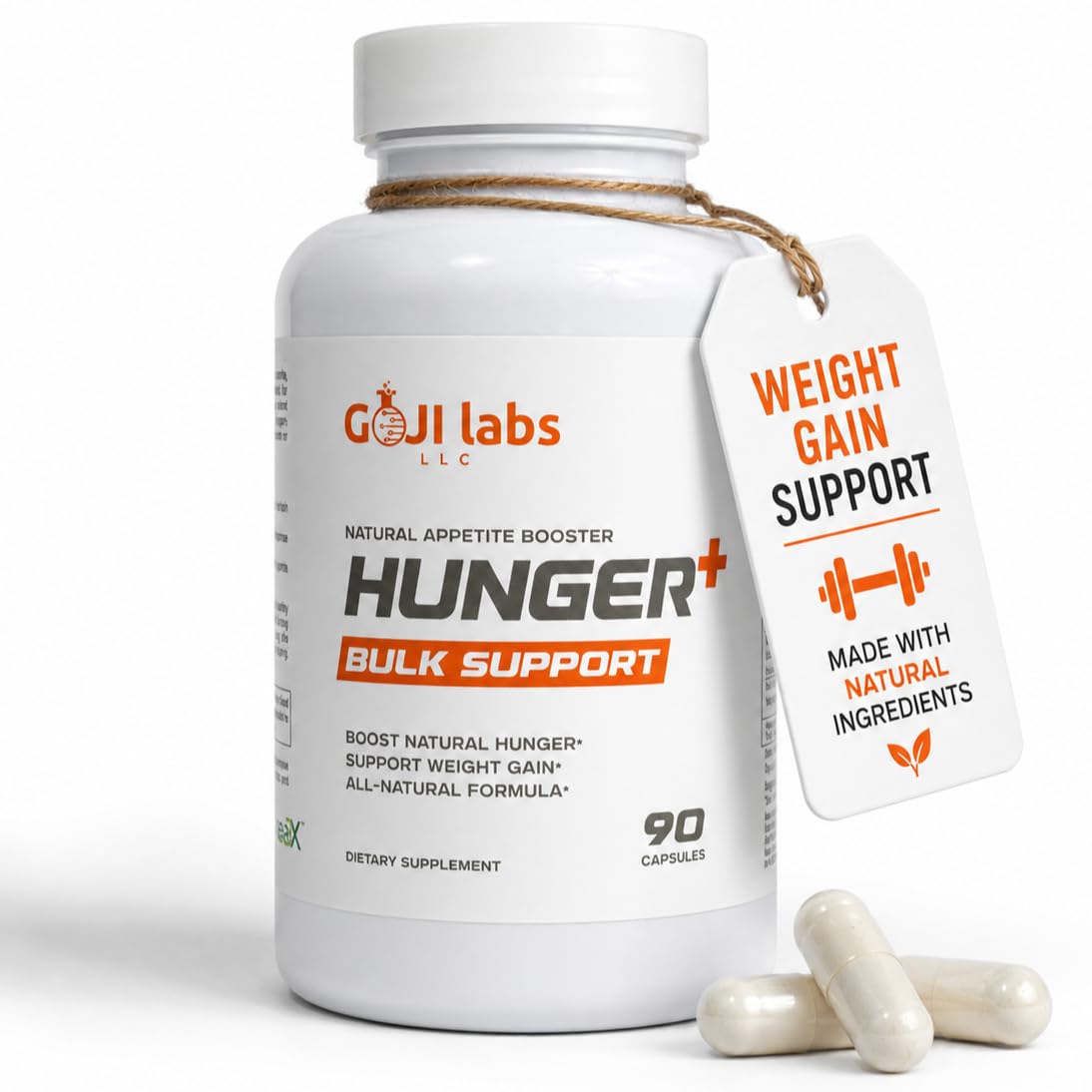
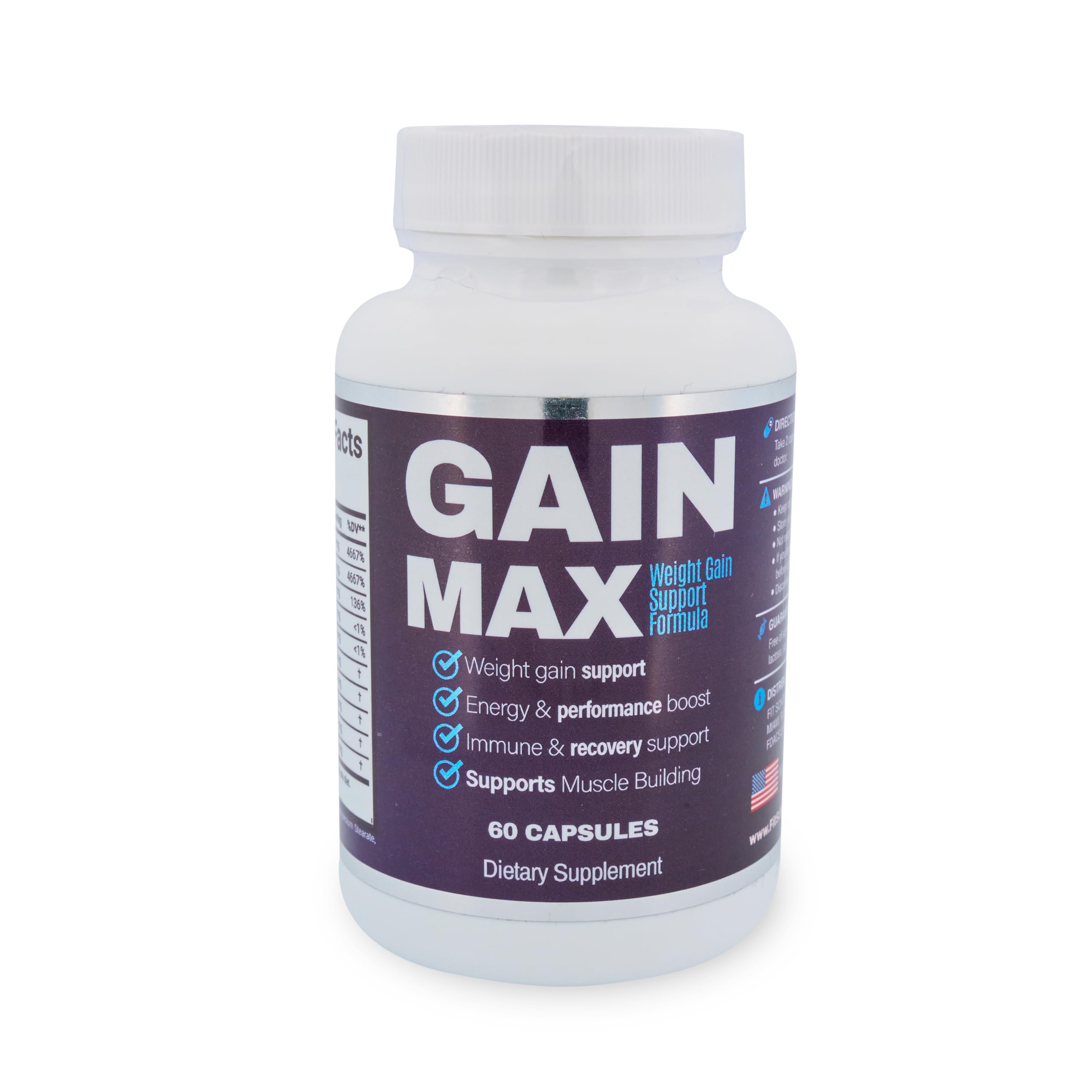
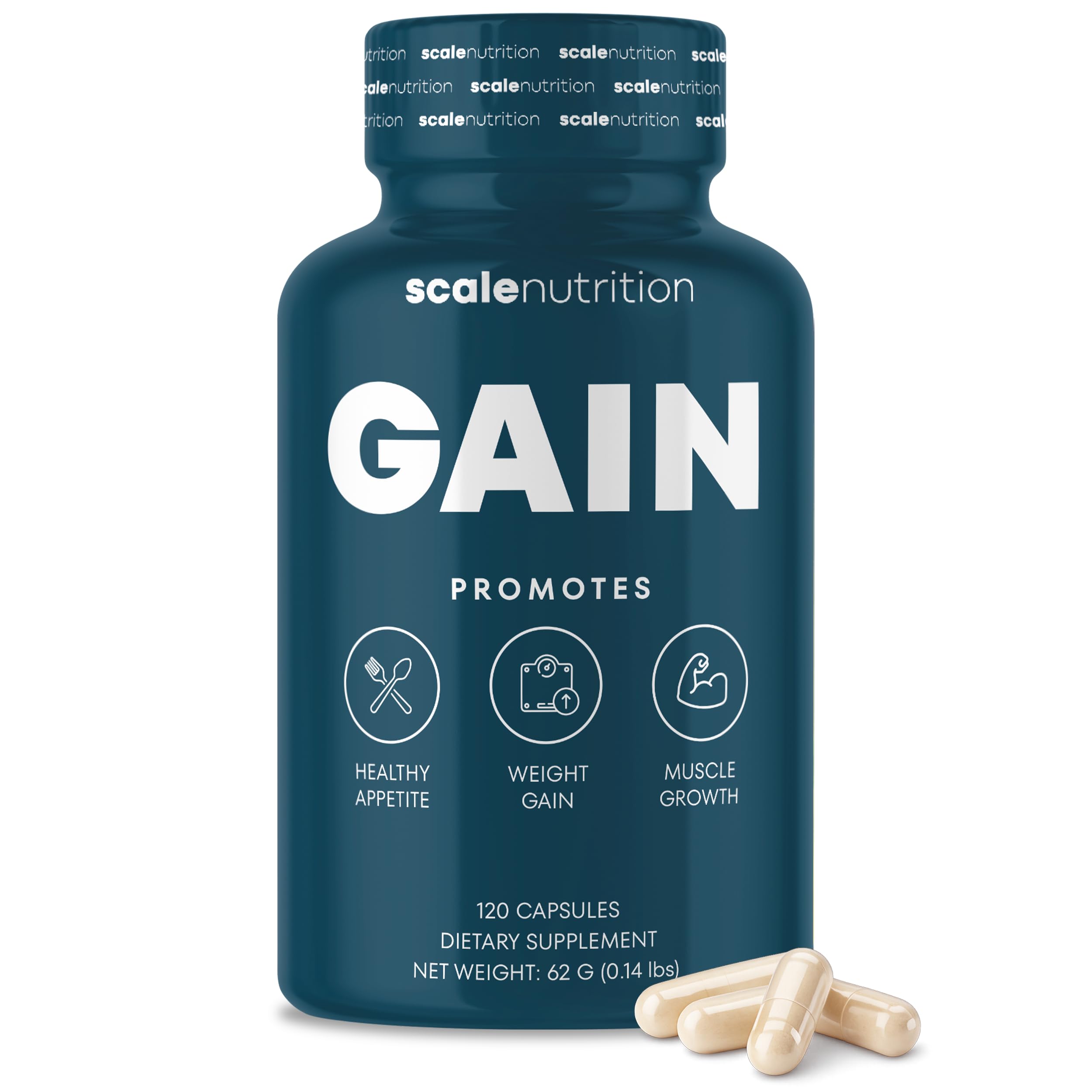

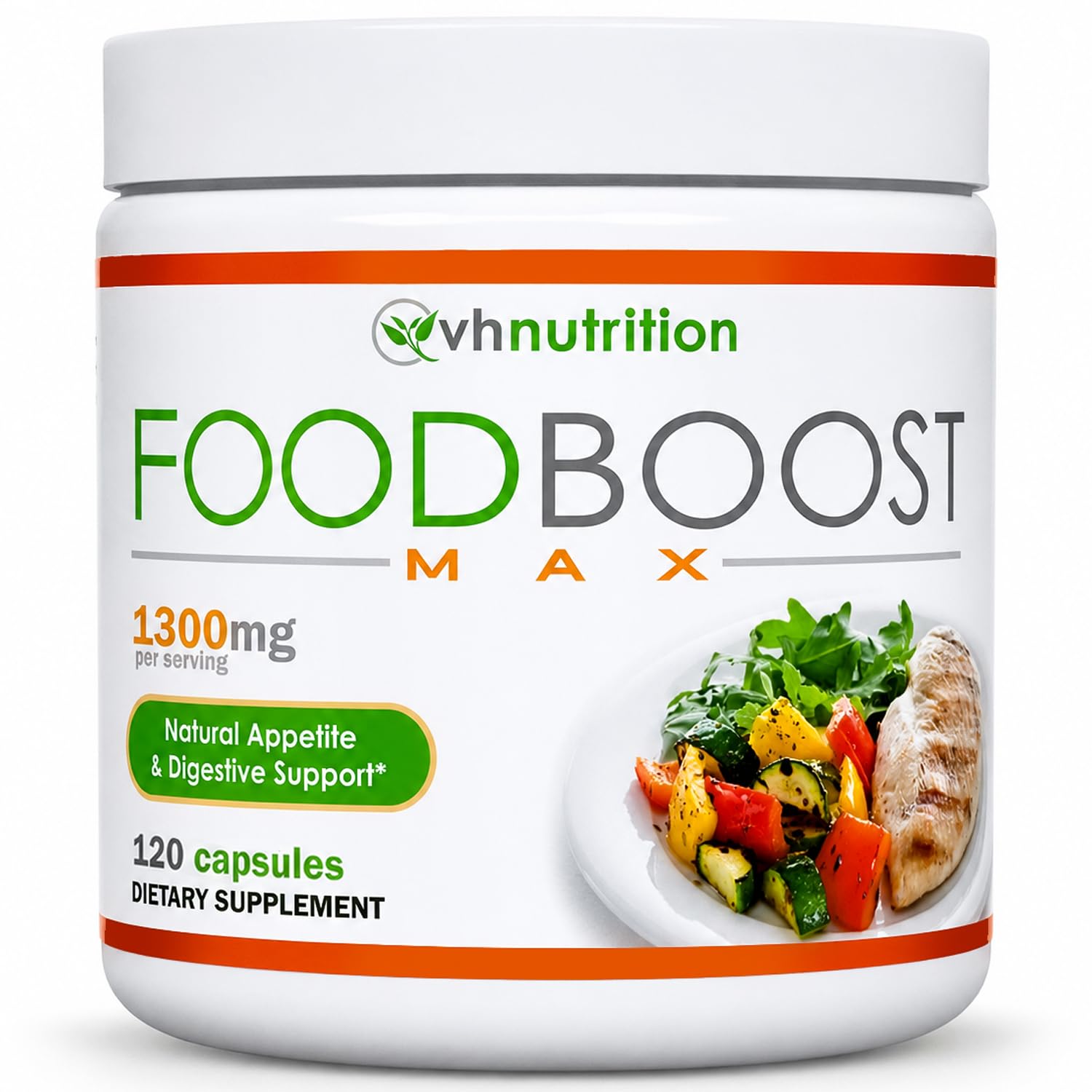
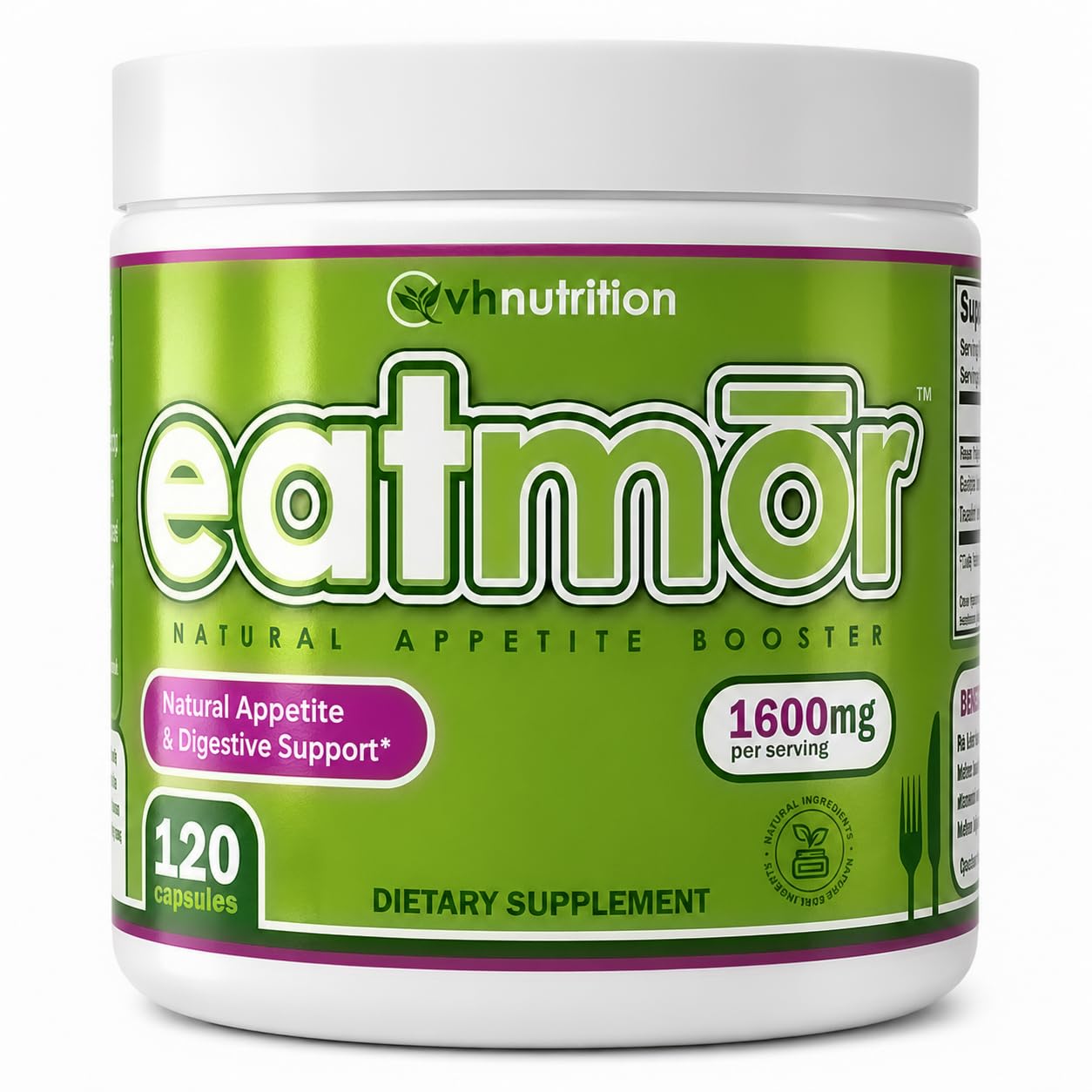
What the Three Price Tiers Usually Offer
The product table above groups most formulas into three broad price bands. The tiers below describe what each band usually delivers, so you can judge value by contents rather than by bold claims on the front of the bottle.
Budget Tier: Simple Calorie and Protein Support
Budget formulas, often under $25 for a month of use, usually focus on a short list of basics such as protein, simple carbohydrates, and a few common vitamins. They can suit you if your diet is already close to your calorie target and you only need a small daily boost. Expect larger tablets, plainer flavors if the product is chewable, and fewer extras for digestion. Check the serving size carefully, because a low price sometimes means you must take many tablets each day to reach the listed amounts.
Midrange Tier: Broader Nutrition in Each Serving
Midrange formulas, often about $25 to $45 per month, tend to add a fuller vitamin and mineral panel, more protein per serving, and ingredients that support appetite or digestion. This is the tier most buyers land in, because the daily routine is usually simpler and the label is easier to compare. You still need to read the full ingredient list, since added sugars can climb in this range. If you already take a multivitamin, compare both labels to avoid doubling up on the same nutrients.
Premium Tier: Fuller Formulas With Extra Checks
Premium formulas, often above $45 per month, may include digestive enzymes, herbal extracts, higher protein amounts, and third party testing for purity. The extra cost can be worth it if you have a sensitive stomach or want clearer quality documentation. It does not guarantee faster results, because your total food intake still drives most of your progress. Treat premium extras as support features, not as a shortcut around regular meals, sleep, and consistent training or daily activity.
How to Choose Body Gain Tablets: A Practical Buying Guide
A good choice starts with your current diet, not with the bottle. Write down what you eat on a normal day, note where you fall short, and then look for a formula that fills that exact gap without adding things you do not need.
Active Ingredients and What They Actually Do
Most formulas rely on protein sources, calorie dense carbohydrates, creatine in some sports focused blends, and plant extracts that are marketed for appetite. Protein supports muscle repair when you also do resistance exercise, while carbohydrates simply add energy. No single ingredient creates new body mass on its own, because gain comes from a sustained calorie surplus over weeks. Be skeptical of any label that promises dramatic change in a few days. If an ingredient is unfamiliar, look up its purpose and typical dose before you buy.
Calories and Protein Per Serving
Tablets are compact, so the calories per serving are modest compared with shakes or full meals. A typical serving may add only a small amount of energy, which means the product works as a supplement to food, not a replacement for it. Compare the protein grams per serving and the number of tablets you must take to reach that amount. If you are also comparing drinkable options, our guide to the best weight gain tablets explains how serving math differs across formats. Always judge a bottle by its daily totals, not by the largest number on the front label.
Vitamins, Minerals, and Gaps in Your Diet
Some people gain slowly because low appetite leads to skipped meals and, over time, low intake of key nutrients such as iron, vitamin D, or B vitamins. A formula with a sensible vitamin panel can help cover mild gaps, but megadoses are not better and can cause harm. Compare the percentages on the label with what you already get from food and other supplements. For a narrower focus, see our guide to the best vitamin tablets for weight gain for how individual nutrients fit a gain plan.
Digestive Comfort and Tolerance
Bloating, gas, and loose stools are common reasons people quit a new formula within the first week. Start with a half serving for several days and take tablets with food and a full glass of water. Ingredients such as lactose, sugar alcohols, and large doses of iron can bother sensitive stomachs. Fiber also changes how full you feel, so timing matters around meals; our guide to the best fiber tablets covers how fiber affects appetite and digestion. Stop using a product and speak with a clinician if you have ongoing pain, vomiting, or signs of an allergic reaction such as swelling or trouble breathing.
Protein Sources and Collagen Content
Labels may list whey, soy, pea protein, or collagen as the protein source, and each behaves a little differently. Collagen is popular but it is not a complete protein, so it should not be the only protein in a formula you rely on for muscle support. If you avoid animal products, confirm the source is plant based and check for a complete amino acid profile. Readers curious about collagen on its own can see our guide to the best collagen tablets for its usual uses and limits.
Tablet Size, Daily Count, and Routine Fit
A formula only helps if you can stick with it every day. Large tablets that you must swallow six or eight at a time quickly become a chore, and missed days erase the small calorie benefit. Count the total tablets per bottle and divide by the daily dose to learn the true days of supply. Chewable and smaller tablet options can help if swallowing is hard for you. Set a phone reminder tied to breakfast or lunch, because linking the dose to an existing habit is the simplest way to stay consistent.
Added Sugars, Sweeteners, and Sodium
Some gain formulas quietly add a lot of sugar to raise the calorie count, which can work against your health goals and your teeth. Check the added sugars line and the total carbohydrate breakdown before you buy. Sweeteners such as stevia or sucralose are common and generally reduce sugar, though they can cause mild digestive upset in some people. Sodium is usually low in tablets, but it is worth a glance if your clinician has asked you to limit it. A cleaner label with moderate calories is usually a better long term choice than a sugary one with a bigger headline number.
Safety Checks and Label Quality
Look for a full supplement facts panel, a clear list of allergens, the maker name and contact details, and an expiration date you can actually read. Seals from recognized third party testing programs suggest the contents were checked for purity and banned substances. Avoid products that hide ingredient amounts inside a proprietary blend with no quantities listed. Keep a photo of the label when you start, so you can show your clinician exactly what you take. If you are pregnant, breastfeeding, under 18, or managing a condition such as diabetes, kidney disease, or liver disease, do not start a gain formula without medical advice first.
Body Gain Tablets Compared With Other Options
Tablets are only one way to add calories and nutrients. The options below can work alongside a tablet routine or replace it entirely, depending on your appetite, budget, and schedule.
Shakes and Powders
Shakes and powders deliver far more calories per serving than tablets, often several hundred at a time, which suits people with a large calorie gap. They cost more per month and need mixing, storage, and cleanup. Many people find a small shake between meals easier than adding another full meal. If your gap is small, though, a shake may overshoot your target and add mostly fat rather than lean tissue.
Whole Food Calorie Strategies
Adding calorie dense whole foods, such as nut butters, olive oil, cheese, dried fruit, and granola, is often the cheapest and most flexible route. You control the ingredients and avoid supplement costs entirely. The trade off is time, because shopping and preparing extra snacks takes effort each week. A simple approach is to add one planned snack of about 300 calories per day before you buy anything. If that habit alone moves the scale, you may not need a supplement at all.
Appetite and Lifestyle Support
Sleep, stress, and activity levels all shape your appetite and how your body uses energy. Poor sleep can blunt hunger signals, and very long cardio sessions can burn the surplus you are trying to build. Strength training two or three times per week helps direct extra calories toward muscle instead of only fat. If your appetite has dropped suddenly or you are losing weight without trying, see a doctor promptly, because low appetite can signal thyroid problems, digestive disease, infection, or other conditions that tablets cannot fix.
Tips to Get the Most From Your Routine
- Track your weight once a week at the same time of day, and aim for slow steady change rather than rapid jumps.
- Take your tablets with a meal that already contains protein and carbohydrates, which improves tolerance and adds context for the extra nutrients.
- Drink enough water through the day, since low fluid intake can worsen constipation and reduce appetite.
- Keep one backup snack ready at work or in your bag, so a busy day does not erase your calorie surplus.
- Review your progress after four weeks, and adjust food portions first before you increase any supplement dose.
- Store tablets in a cool dry place away from children, and never use a product past its expiration date.
Frequently Asked Questions
How long do body gain tablets take to show results?
Most people need at least four to eight weeks of consistent use plus a real calorie surplus before the scale shows a clear trend. Weigh yourself weekly and look at the average, because daily readings swing with water and meal timing. If nothing changes after two months of honest tracking, the issue is usually total food intake or an underlying health problem, not the brand of tablet. Bring your food notes to a clinician or dietitian for a closer review.
Do body gain tablets replace meals?
No, body gain tablets do not replace meals, because a serving holds far fewer calories and nutrients than even a small plate of food. Think of them as a top up that sits beside breakfast or lunch. Skipping meals and relying on tablets usually lowers your total intake and slows progress. If chewing or appetite makes full meals hard, ask a clinician about liquid meal options and a check for dental, swallowing, or digestive causes.
Are body gain tablets safe for everyone?
No, body gain tablets are not safe for everyone, and labels rarely tell the whole story. People who are pregnant, breastfeeding, under 18, or living with kidney, liver, or metabolic conditions should get medical advice before using them. Some ingredients can interact with medicines for blood pressure, blood sugar, or blood thinning. Stop at once and seek care for warning signs such as a rash, swelling of the lips or tongue, severe stomach pain, yellowing of the skin, or unusual fatigue.
Can women and men use the same body gain formulas?
Yes, most general formulas are sold for all adults, but calorie needs and iron needs differ between people and across life stages. Women who menstruate lose iron monthly, while men usually need more total calories because of higher average body size. What matters most is your own target intake and any lab results your clinician has shared. Choose serving sizes based on your plan, not on gendered marketing or package colors.
When should you talk with a doctor before gaining weight?
You should talk with a doctor before a gain plan if you have lost weight without trying, have a body mass index in the underweight range, or have ongoing digestive symptoms. Unexplained loss can point to conditions that need treatment first. A clinician can also set a safe rate of gain and check nutrient levels with simple blood work. Bring a list of all supplements and medicines you take, including the tablets you are considering.
Wrapping Up
The right choice comes down to three things: a formula that fills your real dietary gap, a daily routine you can actually keep, and a label you can trust. Compare the product table above once more with those points in mind, and favor steady habits over bold promises. When chosen carefully, the best body gain tablets act as quiet support for the meals, sleep, and training that do the real work. Talk with your clinician about your personal needs before you start, especially if you take regular medication or live with a long term condition.