
Best Bobcat Sets 2026: A Complete Lawful Trapping Guide
Disclosure: We may earn a commission when you buy through links on this page, at no extra cost to you. As an Amazon Associate I earn from qualifying purchases. Learn more
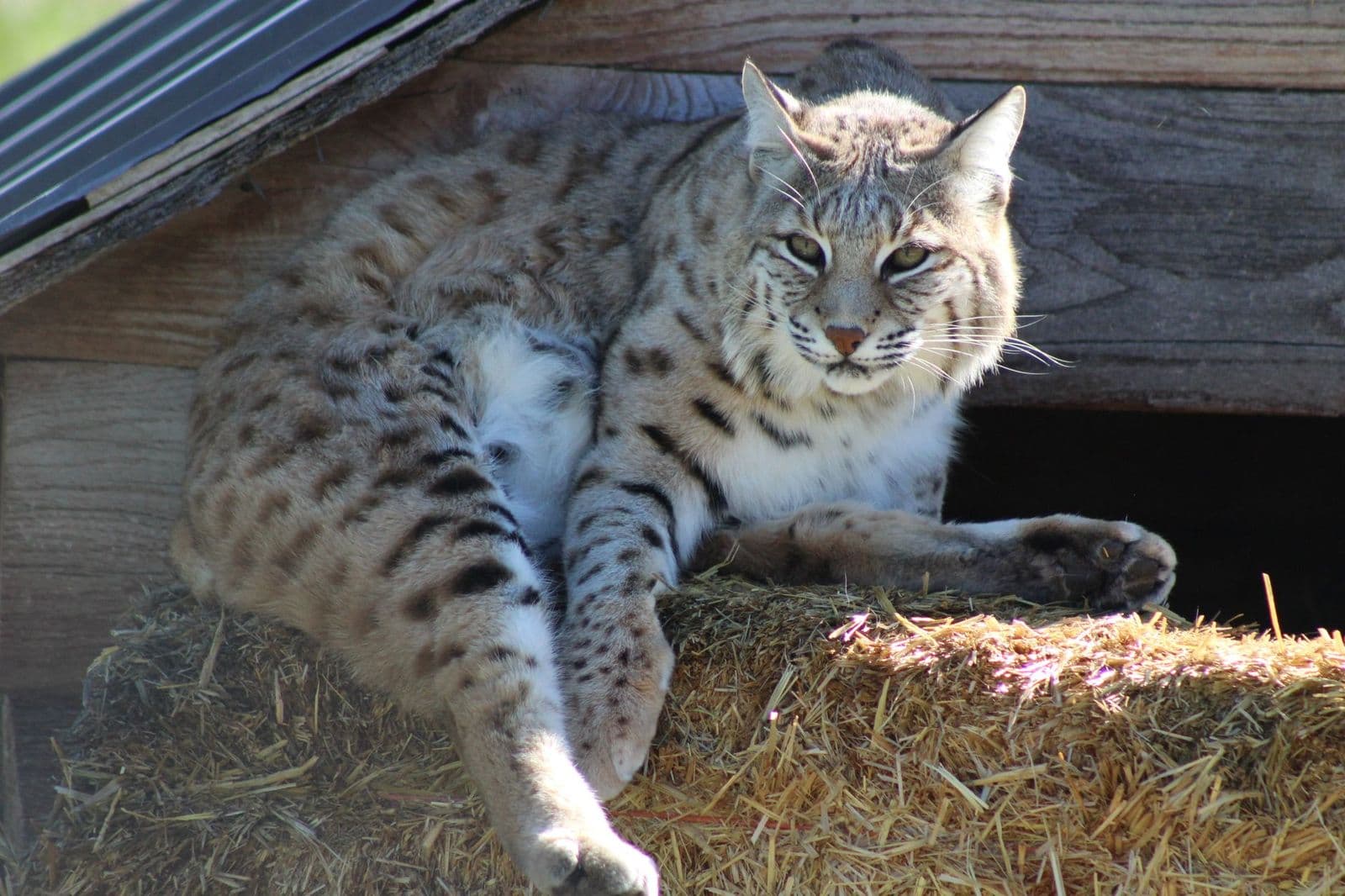
Learn about bobcat trap sets, including legal rules, humane practices, location choice, and safety, before choosing gear for lawful trapping.
Bobcat sets refer to trap sets used for bobcats, and choosing them responsibly starts with law, ethics, and safety rather than gear alone. Start with the trapping rules for your state or region. This guide to the best bobcat sets covers lawful trapping only: check seasons, licences, and permitted trap types before buying or setting any equipment.
Bobcat trapping is regulated in most places, and rules differ sharply by location, season, and land type. Never set traps on land without permission, and never use methods your local rules prohibit. This guide explains the decisions lawful trappers weigh, but it does not replace your local wildlife agency guidance, which you should confirm before every season.
Legal Rules and Licences First
Trapping laws cover licences, seasons, permitted trap types, tagging, checking intervals, and reporting, and they vary by state, province, and country. Contact your wildlife agency for current rules, since online summaries go out of date and local rules override general advice. Keep licences and tags with you while trapping, and follow checking intervals strictly.
Private land needs clear permission, and public land may need additional permits or have closed areas. Respect neighbouring properties, trails, and livestock areas, and avoid sets near footpaths, dog walking areas, and homes. Lawful trappers protect their privilege by trapping discreetly, legally, and with consideration for other land users.
Choosing the Best Bobcat Sets: Humane Practices and Trap Selection
Humane trapping prioritises quick, selective capture and minimal stress for both target and non target animals. Modern foothold traps with padded or offset jaws, proper sizing, and swivels reduce injury risk compared with older designs. Choose trap size and type approved for bobcats in your area, and follow maker guidance on setting and anchoring.
Selectivity matters: the right set, location, and lure reduce non target captures of pets and other wildlife. Learn bobcat sign, tracks, and travel patterns so sets target bobcat routes rather than general animal paths. If non target captures occur repeatedly, move or redesign sets rather than accepting them as normal.
Location, Sign, and Set Types
Bobcat location choice starts with sign: tracks, scat, scrapes, and travel routes along ridges, creek edges, and brushy borders. Flat sets, dirt hole sets, and cubby sets each suit different terrain and bobcat behaviour, and experienced trappers match set type to sign and ground conditions. Study local terrain and bobcat habits before setting, since random placement wastes effort and increases non target risk.
Weather, soil, and vegetation affect set performance: frozen ground, heavy rain, and leaf fall all change how sets bed and hold scent. Bed traps solidly so they do not rock, blend them into surroundings, and check sets after weather changes. Patience matters more than set count, and a few well placed sets outperform many careless ones.
Safety, Pets, and Other Land Users
Trap safety protects trappers, pets, livestock, and other people sharing the landscape. Set traps away from trails, homes, and areas where dogs run loose, and use warning signs where local rules or landowners require them. Carry tools for safe release, learn release techniques before the season, and never handle a live trapped animal without proper training and equipment.
Tell someone where you trap and when you expect to return, especially in remote areas. Carry a phone, first aid supplies, and weather protection, and check sets on schedule even in bad weather. Responsible trapping means accepting that duty in all conditions, not only convenient ones.
Care, Storage, and Season Preparation
Trap care affects performance and humane function: clean, wax, and inspect traps before the season, checking springs, jaws, and swivels for wear. Store traps dry and labelled, and keep lures and baits sealed and away from children and pets. Replace worn parts rather than risking malfunction in the field.
Prepare before the season by scouting locations, confirming rules, and practising set construction on your own land. Record set locations, results, and non target captures to improve selectivity next season. Good records help you trap more effectively and more responsibly year after year.
Getting the Most From Lawful Trapping Preparation
Scout locations thoroughly before the season, learning bobcat sign, travel routes, and terrain without setting any traps. Scouting knowledge separates effective lawful trappers from random setters, since well chosen locations outperform many poorly placed sets. Record sign locations, dates, and weather to build patterns across seasons.
Practise set construction on your own land before the season, bedding traps solidly and blending them naturally until setup feels efficient and consistent. Practised setters work faster in the field, disturb less ground, and create more selective sets. Skill development before the season matters more than buying additional equipment.
Build relationships with landowners and wildlife officers early, communicating plans, respecting boundaries, and reporting results honestly. Good relationships preserve trapping access and community trust, which benefit all lawful trappers. Trappers who communicate well face fewer conflicts and more opportunities over time.
Before You Buy Any Gear
Before buying trapping gear, confirm current licences, seasons, permitted trap types, and checking intervals with your wildlife agency. Regulations change, and last season knowledge may mislead. Written confirmation from the agency beats online summaries for legal certainty.
Finally, complete training in humane methods, safe release, and first aid before setting traps independently. Mentorship from experienced lawful trappers accelerates skill development and prevents common beginner mistakes. Training first protects wildlife, landowners, and trappers themselves.
Related Guides
For the closest related guide, see best bobcat trap sets, which covers trap set specifics in more detail for lawful trappers who have confirmed their local rules.
Frequently Asked Questions
Do I need a licence to trap bobcats?
Yes, most places require a trapping licence for bobcats, plus compliance with seasons, permitted trap types, and reporting rules. Licence types and costs vary by location, so check your wildlife agency for current requirements before buying gear. Trapping without a licence risks fines, loss of privileges, and confiscation of equipment.
What is the most humane trap type for bobcats?
Humane trap choice depends on local approved types, but modern foothold traps with padded or offset jaws, correct sizing, and swivels are widely used for bobcats where allowed. Follow your local rules on permitted types, and learn proper setting, bedding, and checking from experienced trappers or agency guidance. Humane use depends as much on skill and checking as on trap design.
How often must traps be checked?
Trap checking intervals are set by local law and vary by place, commonly requiring checks at least once every day. Follow your local interval strictly, and check sooner after storms or temperature extremes. Regular checking reduces stress for captured animals and lets you release non target animals promptly. Carry a notebook or phone log for check times, since accurate records help if officers or landowners ask questions.
How do I avoid catching pets and other animals?
Avoid non target captures by choosing bobcat specific locations, set types, and lures, and by keeping sets away from trails, homes, and dog areas. Learn bobcat sign so sets target bobcat routes rather than general paths. If non target captures repeat, move sets, change lures, or pause trapping in that area.
Where can I learn trapping skills safely?
Learn trapping through your wildlife agency courses, trapper associations, and experienced mentors in your area, since hands on guidance beats online summaries for safety and legality. Many agencies offer workshops on regulations, humane methods, and release techniques. Start with training before setting traps independently. Joining a local trapper association also connects beginners with mentors and lawful trapping land opportunities nearby.
Final Thoughts
Bobcat sets demand legal knowledge, humane skill, and respect for other land users before gear choices matter. Confirm rules, choose approved selective methods, and commit to regular checking and safe release skills.
Responsible trapping protects wildlife, landowners, and the trapping tradition itself. If you cannot meet the legal and humane standards for your area, wait, train, and seek mentorship first. That restraint is part of a sound decision about the best bobcat sets for your situation.


