
Best Boat Deck Shoes 2026: A Complete Buying Guide
Disclosure: We may earn a commission when you buy through links on this page, at no extra cost to you. As an Amazon Associate I earn from qualifying purchases. Learn more

Learn how to choose boat deck shoes with wet grip, quick drainage, comfortable fit, and salt resistant materials for safe and comfortable days on deck.
Boat deck shoes need grip on wet fiberglass, quick drying after spray, and comfort for long days moving around a boat. The comparison table below compares the main options, so start with your boating style. Best boat deck shoes balance non marking soles, drainage, and support, since a shoe that slips or stays soggy quickly becomes a safety problem on deck.
Deck conditions change fast: dry mornings turn wet from spray, fish, and rain, and soles that grip dry decks can slide dangerously when wet. Prioritize wet grip, drainage, and a secure fit that stays put when decks heel or move. Style matters less than staying upright and comfortable all day.


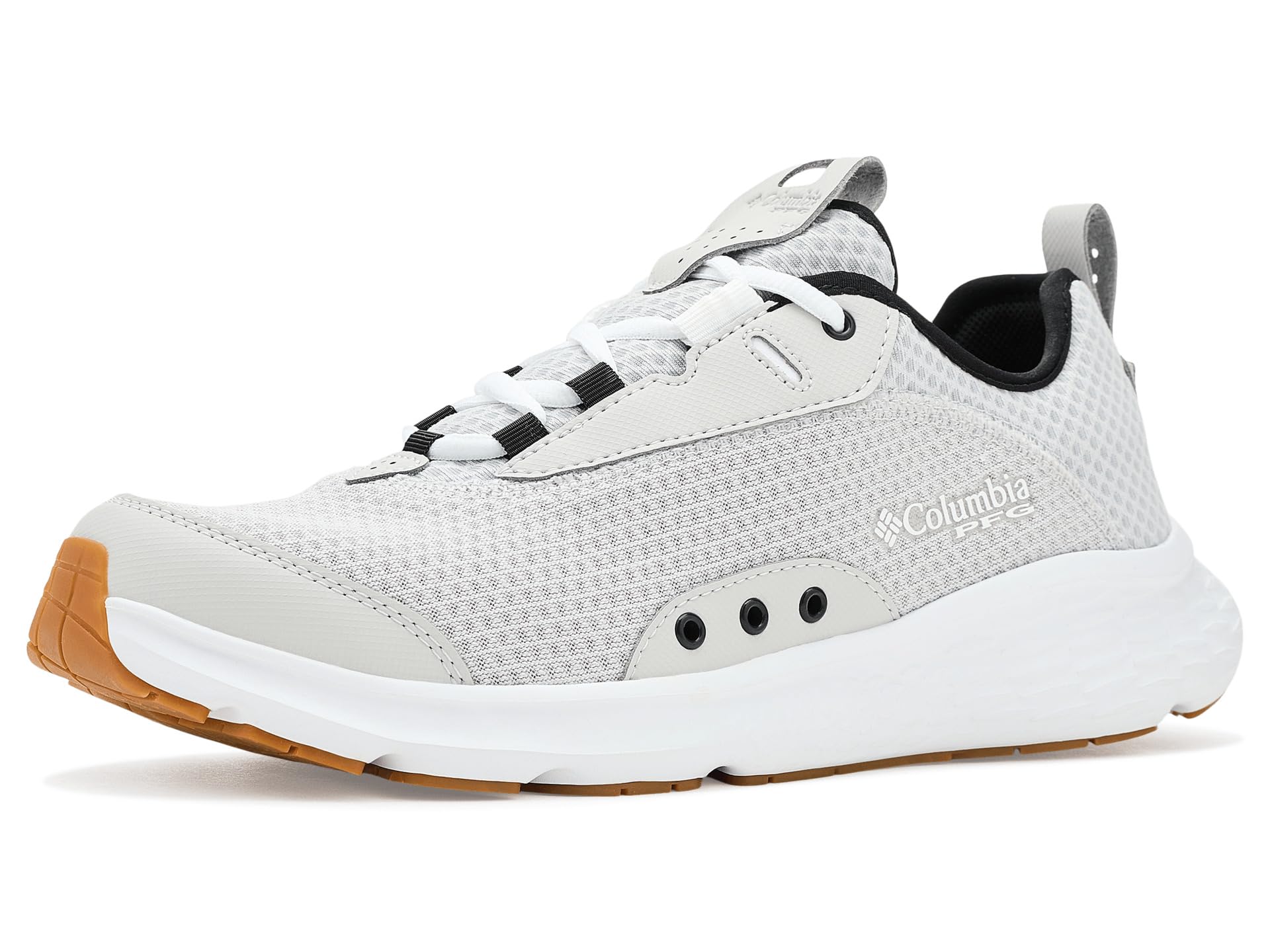
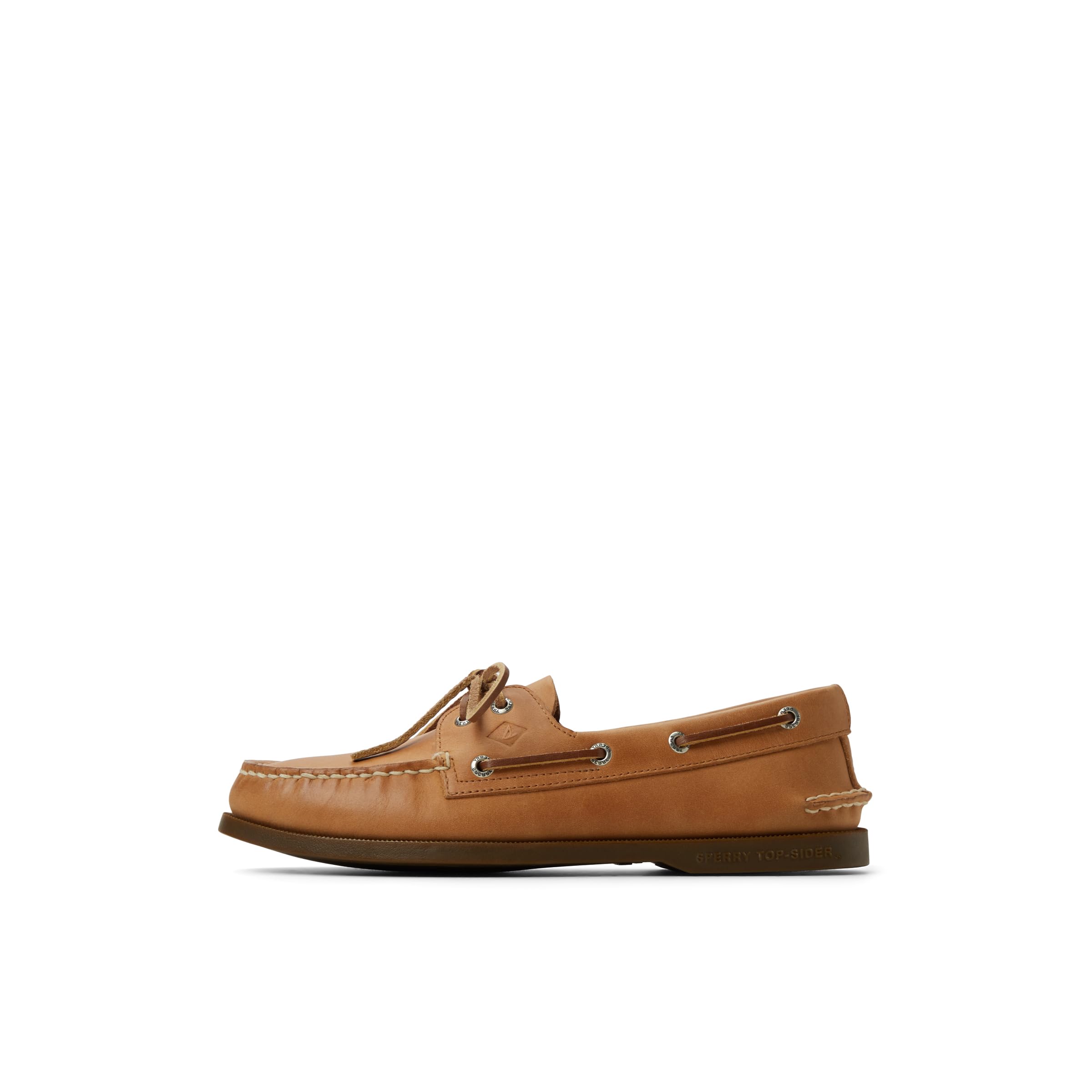
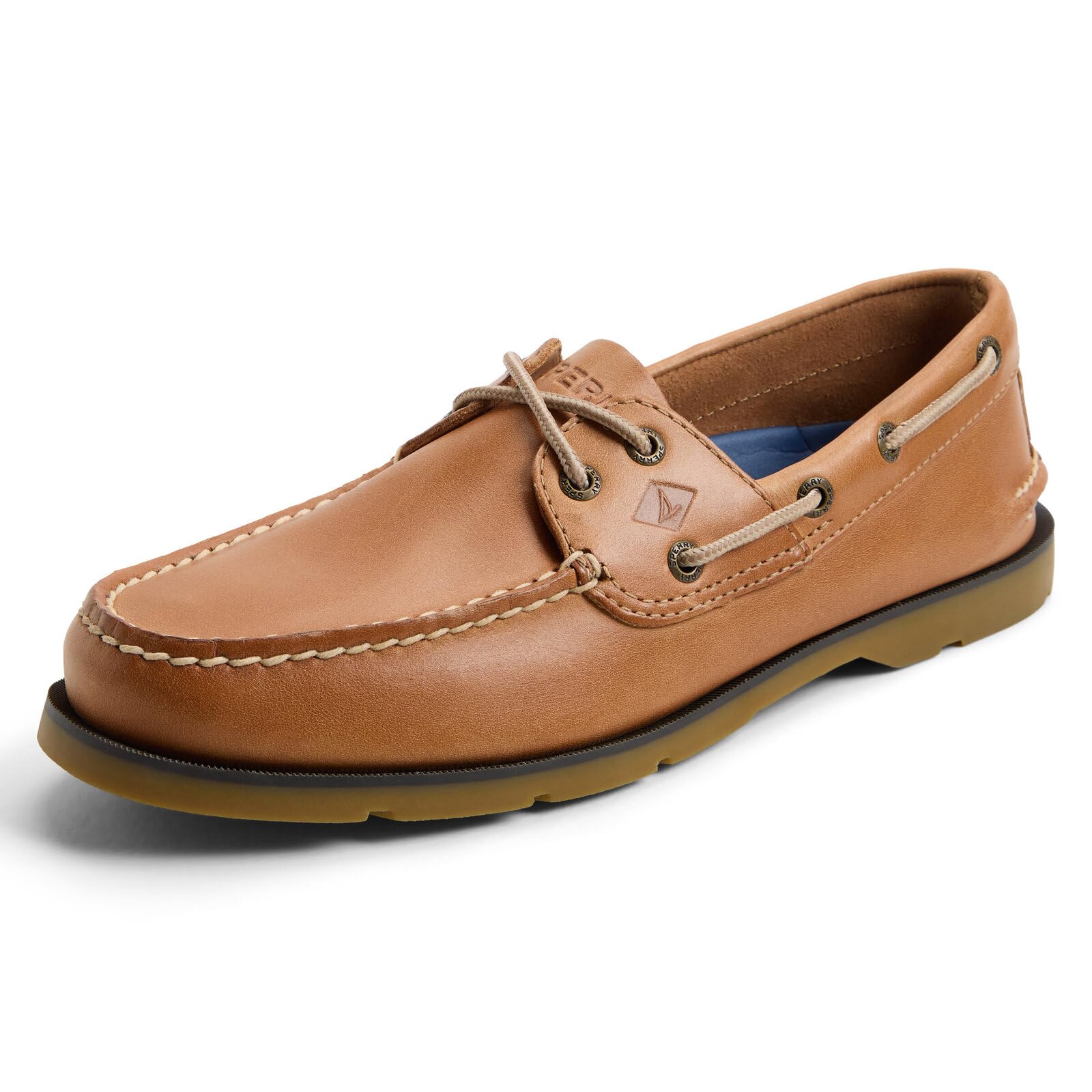


Wet Grip and Non Marking Soles on Boat Deck Shoes
Wet grip is the defining feature of a boat deck shoe. Look for siped soles with thin slits that channel water away, similar to quality boat shoe treads. Non marking soles protect deck surfaces from scuffs, which matters on fiberglass and teak decks where marks are hard to remove.
Test grip on wet surfaces before relying on shoes offshore, since marketing claims vary. Walk on wet smooth surfaces at home and note any sliding, especially when turning quickly. Replace shoes when tread wears smooth, since worn soles lose wet grip long before the upper looks damaged.
Drainage, Drying, and Water Exposure
Deck shoes get wet repeatedly, so drainage holes, mesh panels, and quick dry materials matter. Shoes that drain and dry quickly feel lighter and reduce blister risk on long days. Leather uppers look classic but dry slowly, while mesh and synthetic uppers dry faster and suit frequent spray.
After boating, rinse shoes with fresh water to remove salt, and dry them away from direct heat. Salt crystals stiffen materials and weaken stitching over time if left unrinsed. Stuffing shoes with newspaper speeds drying and helps them keep shape between trips.
Fit, Support, and All Day Comfort
Boat shoes should fit snugly without pinching, since loose shoes slip on wet decks and cause blisters. Check heel hold, toe room, and arch support for your foot shape, and test fit with the socks you actually wear boating. Some deck shoes suit bare feet, others need thin socks for comfort and blister prevention.
Support matters on long days standing, moving, and handling lines. A cushioned midsole reduces fatigue, while a flexible sole lets you feel the deck underfoot for balance. If you have foot pain, swelling, numbness, or persistent soreness, talk with a clinician or podiatrist about support needs rather than relying on shoes alone for relief.
Materials, Salt Resistance, and Durability
Salt water, sun, and repeated wetting punish shoe materials, so choose uppers and soles rated for marine use where possible. Synthetic and treated leather resist salt better than untreated leather, while rust resistant eyelets prevent corrosion stains. Check stitching quality, since salt weakened thread fails first on cheap shoes.
Inspect shoes regularly for sole separation, eyelet corrosion, and upper cracking. Replace shoes when grip fades, soles separate, or support collapses, even if they still look presentable. Safety and comfort depend on grip and support, not appearance, so retire worn deck shoes promptly.
Care, Storage, and Seasonal Use
Rinse deck shoes with fresh water after every outing, remove insoles to dry, and store in a ventilated place away from damp lockers. Avoid machine washing unless the maker allows it, since heat and agitation damage adhesives and leather. Air drying preserves shape and grip far better than direct heat.
Rotate two pairs if you boat frequently, so each pair dries fully between outings. Check shoes at season start for stiffness, sole wear, and eyelet condition after winter storage. A little off season care keeps deck shoes safe and comfortable for the next season on the water.
Getting the Most From Your Boat Deck Shoes
Break in deck shoes gradually with short outings before long days offshore, since new shoes need time to mold to your feet and reveal pressure points. Wear them around the house and on short trips first, noting heel rub or toe pinch while exchanges remain easy. Gradual break in prevents blisters that ruin otherwise enjoyable boating days.
Rotate deck shoes with a second pair when boating frequently, giving each pair full drying time between outings. Damp shoes worn daily develop odor, stiffness, and weakened adhesives far faster than rested pairs. Rotation costs more initially but extends total shoe life and comfort noticeably across a season.
Match deck shoes to boating activity, keeping classic leather pairs for calm cruising and quick dry mesh pairs for fishing, sailing, and wet work. Different activities stress shoes differently, and activity matched footwear performs better than one pair forced into every role. Activity matching also preserves dressier pairs for appropriate occasions.
A Final Check Before You Order
Before ordering, test wet grip on a smooth wet surface and fit with your boating socks, since dry shop floors hide both grip and fit problems. Check sizing against the maker chart, since deck shoe sizing varies between brands and leather stretches with wear. Order with return options that allow wet testing if possible.
Finally, inspect stitching, eyelets, and sole bonding on arrival, since manufacturing flaws show most clearly before first use. Confirm non marking soles for your deck material, especially teak and light fiberglass that scuff easily. Early inspection catches defects while returns remain straightforward.
Related guides include best deck shoes, best boat shoes, and best men's deck shoes. They cover general deck footwear and men focused fits if your household needs several pairs.
Frequently Asked Questions
What makes a shoe good for boat decks?
A good boat deck shoe combines siped non marking soles for wet grip, quick drainage and drying, and a snug fit that stays secure on moving decks. Those features matter more than style or brand for safety and comfort. Test wet grip and fit before offshore use, and replace shoes when tread wears smooth.
Should boat deck shoes be worn with socks?
Boat deck shoes can be worn with or without socks, depending on the shoe design and your comfort. Thin moisture wicking socks reduce blisters on long days and help shoes dry with less odor. Some classic leather deck shoes suit bare feet, but socks usually improve comfort and hygiene for all day wear.
How do I clean boat deck shoes after salt water?
Rinse boat deck shoes with fresh water after every outing, remove insoles, and air dry away from direct heat. Salt left in materials stiffens uppers and weakens stitching over time. Stuffing with newspaper speeds drying, and a soft brush removes dried salt and dirt from soles and uppers. Leather deck shoes benefit from occasional conditioner after drying, which keeps the leather supple after salt exposure.
When should I replace boat deck shoes?
Replace boat deck shoes when wet grip fades, soles separate, support collapses, or eyelets corrode, even if the uppers still look good. Worn tread is the clearest warning sign, since it directly affects safety on wet decks. Regular inspection after outings catches wear before it becomes dangerous. Keep old pairs for garden chores if they still look tidy, but never trust worn tread on a wet boat deck.
Are boat deck shoes good for everyday wear?
Boat deck shoes work well for casual everyday wear, especially in warm weather, thanks to light weight and easy slip on comfort. They lack the support and cushioning of dedicated walking shoes for long distances, so they suit short outings and casual days better than all day city walking. Choose walking shoes for long urban days.
Final Thoughts
Boat deck shoes should grip wet decks, drain and dry quickly, and fit securely for long days on the water. Test wet grip before offshore use, rinse salt after every outing, and retire shoes when tread or support fades. The product table above compares grip, materials, and fit for deck use.
Safe footing lets you enjoy boating without worrying about every step on a wet deck. That confidence is the real value of a best boat deck shoes purchase, and it is worth more than any style detail.


