
Best Body Combat Shoes 2026: Complete Training Guide
Disclosure: We may earn a commission when you buy through links on this page, at no extra cost to you. As an Amazon Associate I earn from qualifying purchases. Learn more

Learn how to choose BodyCombat training shoes with lateral support, grip, cushioning, and fit for high energy kick and punch workouts in studio classes.
BodyCombat workouts mix punches, kicks, jumps, and fast direction changes, so training shoes need lateral support and grip that running shoes rarely provide. The comparison table below compares the main options, so start with how your classes move. Best body combat shoes should hold your foot steady through side steps and pivots, cushion landings, and grip studio floors without sticking.
Studio floors vary from sprung wood to rubber and vinyl, and each surface rewards slightly different grip. Think about your class frequency, foot shape, and any past ankle or knee concerns before choosing. A shoe that supports quick lateral moves and feels comfortable through an hour class will serve you far better than a fashionable runner.


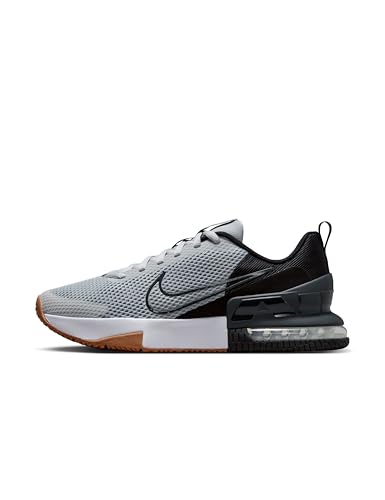

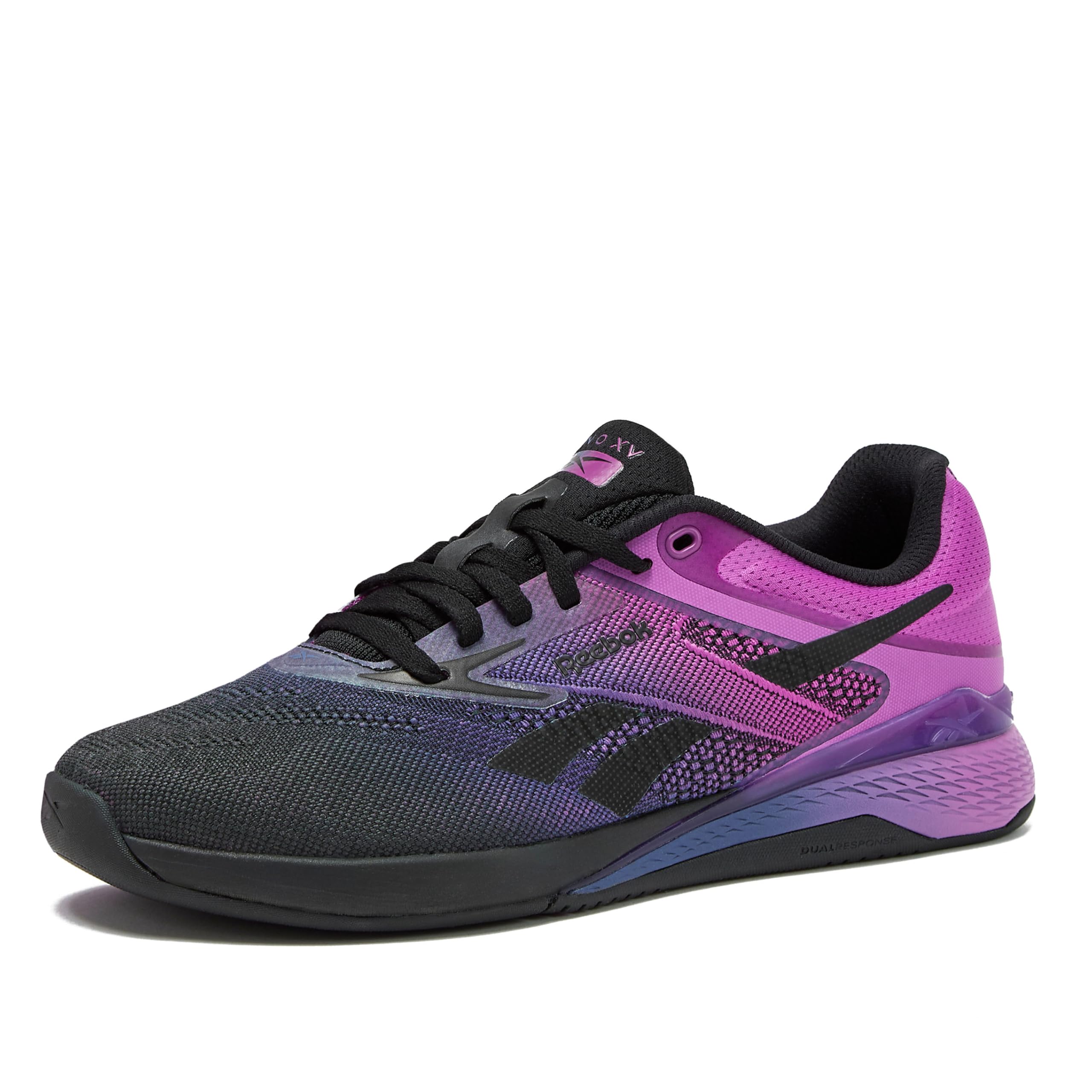
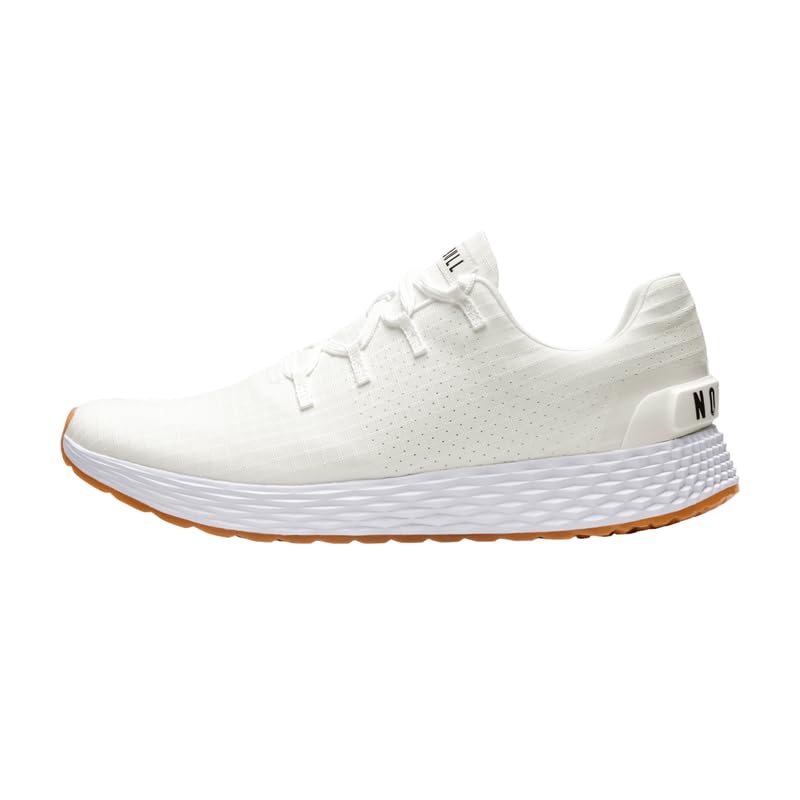
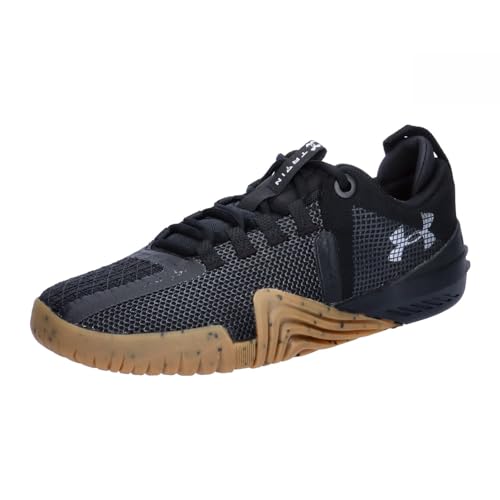


Lateral Support and Stability in Body Combat Shoes
BodyCombat moves load feet sideways far more than running, so lateral support is the top priority. Look for a stable midsole, reinforced side walls, and a low profile that keeps you close to the floor. High, soft running soles feel unstable during side steps and increase ankle roll risk during fast direction changes.
Check support with side steps, lunges, and pivots in the shop or studio, not just walking. The shoe should hold your foot over the sole without letting it slide sideways. If your foot rolls over the edge during lateral moves, try a more stable model or a wider fit before committing.
Grip, Pivots, and Studio Floors
Grip must balance stick and slide: too much grip catches during pivots and twists knees, while too little grip slips during kicks and jumps. Look for rubber outsoles with pivot points or moderate tread that lets you turn smoothly. Different studio floors change grip, so test shoes on a surface similar to your class floor when possible.
If you train on several floor types, favor versatile grip over extreme stickiness. Replace shoes when tread wears smooth or unevenly, since worn grip changes pivot behavior and increases slip risk. Keep soles clean, since dust and studio debris reduce grip more than many trainees expect.
Cushioning, Landings, and Joint Comfort
Jumps, tuck jumps, and fast footwork load knees and ankles repeatedly, so cushioning matters for comfort and joint care. Look for responsive cushioning that absorbs landings without feeling mushy during lateral moves. Too much soft cushioning destabilizes side steps, while too little leaves landings jarring over an hour class.
If you notice persistent knee, ankle, or foot pain, swelling, or numbness, ease back and talk with a clinician or physiotherapist about training load and footwear needs. Shoes support comfort and fit, but they do not treat injuries. Rest, technique checks, and professional advice matter more than any shoe feature when pain persists.
Fit, Breathability, and Class Comfort
Fit should be snug through the midfoot with toe room for kicks and jumps, since tight toes cramp and loose heels slip during fast moves. Try shoes with the socks you wear to class, and test fit after warming up, since feet swell slightly during exercise. Lacing systems that lock the midfoot help during lateral work.
Breathability matters in hot studios: mesh uppers ventilate well and dry faster between classes. Sweaty feet slip inside shoes, so moisture wicking socks and ventilated uppers improve comfort and grip inside the shoe. Rotate shoes if you train daily, giving each pair time to dry fully.
Durability, Care, and Replacement
BodyCombat training wears shoes through lateral flex, pivots, and repeated impact, so durability depends on upper reinforcement and outsole rubber quality. Check sidewall stitching and outsole wear regularly, especially at pivot points and lateral edges. Shoes that look fine on top can lose support inside long before uppers fail.
Clean studio shoes with a damp cloth, air dry away from heat, and avoid using training shoes for outdoor running, which wears grip patterns differently. Replace shoes when lateral support softens, cushioning flattens, or grip fades, typically after many months of regular classes. Fresh support protects ankles and knees better than squeezing extra life from worn shoes.
Getting the Most From Your Training Shoes
Warm up properly before classes regardless of footwear, since cold muscles and joints suffer more during jumps and direction changes. Arrive early for mobility work, ankle circles, and gradual movement that prepares feet and legs for intense work. Footwear supports movement, but warm up protects joints far more than any shoe feature.
Track shoe condition alongside class frequency, noting when support softens or grip fades relative to months of use. Personal wear records predict replacement timing better than generic lifespan claims, since training intensity varies widely. Replace shoes on condition, not calendar alone, for safety and comfort.
Strengthen ankles and feet with simple exercises outside class, such as balance work and calf raises, since strong feet handle lateral loads better than any shoe alone. Footwear and strength together reduce roll risk and improve class performance. Ask your instructor or physiotherapist for exercises suited to your level and history.
A Final Check Before You Order
Before ordering, test lateral moves, pivots, and jumps in the shoes, not just walking, since BodyCombat loads feet sideways and dynamically. Check fit with class socks after warming up, since feet swell during exercise. A shoe that fits perfectly while seated may pinch during an hour class.
Finally, confirm return terms that allow studio testing, since shop floors differ from studio surfaces. Test grip on a similar floor type before committing, and check durability warranties for training use. Studio testing reveals fit and grip truths that shop trials hide.
Frequently Asked Questions
Are running shoes good for BodyCombat?
Running shoes are not ideal for BodyCombat, since they prioritize forward cushioning and often lack lateral support for side steps and pivots. Their high soft soles can feel unstable during fast direction changes. Cross training shoes with lateral stability, lower profiles, and pivot friendly grip suit BodyCombat classes much better.
How should BodyCombat shoes fit?
BodyCombat shoes should fit snugly through the midfoot with enough toe room for kicks and jumps, and a heel that stays put during fast moves. Try them with class socks and test side steps and pivots before buying. If your foot slides sideways inside the shoe, try a narrower fit or a more supportive model.
Do I need special grip for studio floors?
You need moderate grip that holds during kicks and jumps but still lets you pivot smoothly without catching. Very sticky soles twist knees during turns, while worn smooth soles slip dangerously. Pivot friendly rubber outsoles suit most studio floors, and keeping soles clean preserves grip between classes. Ask your instructor which grip suits your studio floor, since they see many shoe types across weekly classes.
How often should I replace training shoes?
Replace training shoes when lateral support softens, cushioning flattens, or tread wears smooth, typically after several months of regular classes. Heavy trainees and daily classes wear shoes faster than weekly classes. Inspect pivot points and sidewalls regularly, since support loss appears there before uppers look worn. Budget for replacements as part of class costs, since worn support quietly raises injury risk over time.
Can BodyCombat shoes help knee pain?
BodyCombat shoes can improve comfort through stability, cushioning, and fit, but they do not treat knee pain or injuries. If pain persists, swells, or limits movement, ease back from training and talk with a clinician or physiotherapist about causes and load. Technique, strength, and rest matter more than footwear alone for knee health.
Final Thoughts
BodyCombat shoes should prioritize lateral support, pivot friendly grip, and cushioning that handles jumps without destabilising side moves. Fit them with class socks, test lateral moves before buying, and replace them when support or grip fades. The product table above compares those training essentials.
A stable, comfortable shoe lets you focus on technique and energy rather than slipping or rolling feet. That freedom makes classes safer and more enjoyable. It is the real measure of a good best body combat shoes purchase.


