
Best Bmw Floor Mats by Budget: A Buying Guide for 2026
Disclosure: We may earn a commission when you buy through links on this page, at no extra cost to you. As an Amazon Associate I earn from qualifying purchases. Learn more

Compare the best bmw floor mats by budget, from flat carpet sets to deep tray liners, with fit, pedal safety, and meltwater tips for every price tier.
Floor mats for a BMW span a wide price range, from under $30 for thin universal carpet to over $200 for molded tray liners. Spending more only helps when it buys the right fit and coverage for your car. This guide to the best bmw floor mats by budget shows what each tier actually includes, so you can match the spend to your climate and habits. The product table below lists current sets.
One rule sits above every price tier: a driver mat must lie flat, lock onto the factory retention points, and stay clear of the pedals. A loose mat that bunches near the brake pedal is a hazard at any price, so fit comes before style in what follows.


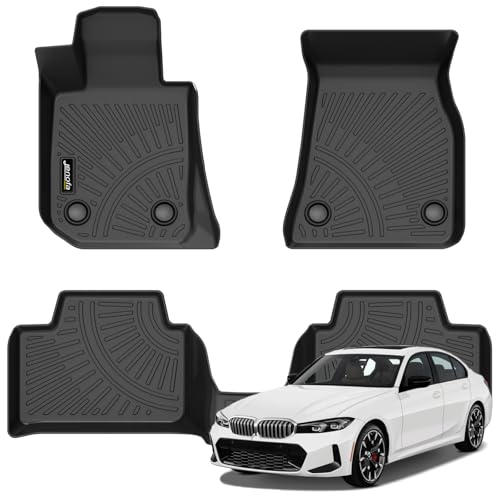
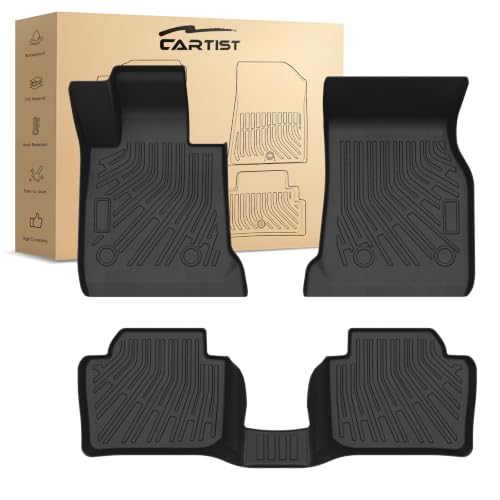
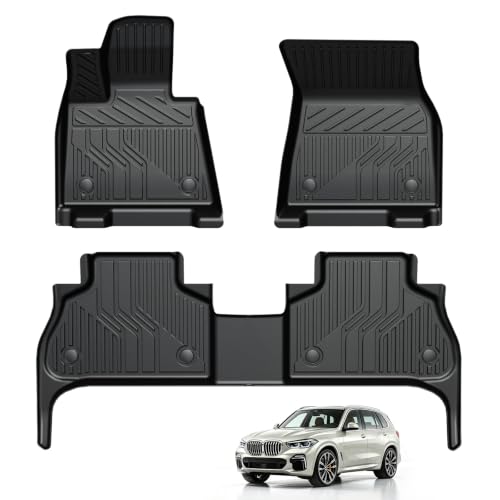

Fit and Pedal Safety Come Before Price
Fit is the first thing your money should buy. A mat must never touch, hook, or slide toward the pedals, and its edges must not curl into the pedal path. What governs whether a mat stays put is its retention: factory posts, clips, or hook and loop pads that anchor it to the floor. Sound retention keeps a mat flat for years, while friction alone lets a mat creep forward a little more every week.
Exact Fit Versus Trim to Fit
Exact fit mats are shaped for one footwell pattern, so they cover the dead pedal and leave no gaps where grit collects. Universal trim to fit mats cost less because one shape serves many cars, and you cut them down along printed lines. The risk is a careless cut near the pedals that leaves an edge free to lift. Trim universal mats in the car, and check the pedal area twice before driving.
The Engine Off Pedal Check
Before the first drive on any new set, sit in the car with the engine off and work each pedal through its full travel. Press the accelerator to the floor and release it, then do the same with the brake, and confirm the mat edge never catches, folds, or lifts. Repeat it after every wash or deep vacuum, since a mat refitted one clip off can ride forward.
Never stack a new mat over an old one, because the doubled thickness raises your heel and gives the top mat nothing solid to grip. The driver's position is where protection matters most, since the best floor mat in any car is the one guarding the footwell without ever moving.
Channels and Lips: Holding Meltwater and Mud
Where you drive decides how much containment you need. Deep channels molded into the surface trap grit and liquid, and a raised lip about 1 to 2 inches high around the edge holds meltwater from snowy boots until you tip it out. Together, channels and lip govern how much slush reaches the carpet. A deep tray holds that water in place; a flat mat lets it run straight off the edge.
Tray Style Liners for Wet Climates
Tray style liners are rigid or semi rigid shells with walls that climb the sides of the footwell, catching water, road salt, and mud before it touches carpet. They suit snow belt winters, rainy regions, and boots that carry in slush. The trade off is feel: a hard tray is less plush underfoot and looks utilitarian. For drivers facing months of meltwater, that trade is worth making.
Flat and Low Profile Mats for Dry Climates
In dry regions, a flat carpet or low profile rubber mat may be all the protection the footwell needs. These mats are light, cheap, and quick to shake out. Their limit is containment: with no lip and shallow channels, a spilled drink drips straight through to the carpet. The same split runs through the wider market for best automotive floor mats, where tray depth is the first specification worth comparing against your weather.
What Your Money Gets You at Each Price Tier
Prices below reflect full front and rear sets sold in the US; single front pairs cost less, as across the best floor mats for car category as a whole. Within every tier, the best bmw floor mats share two traits: they anchor securely and cover the spots your heels and boots actually touch.
Budget Tier: Flat Coverage for about $25 to $60
Budget sets are universal carpet or thin rubber mats that you trim to fit. Expect flat coverage, little or no lip, and nibbed backing instead of true retention clips. They suit dry climates and older cars whose owners mainly want dust off the carpet. Plan on replacing them sooner, since thin carpet wears through at the heel within a couple of winters.
Midrange Tier: Shaped All Weather Mats for about $60 to $120
Midrange mats are shaped for specific models and molded from rubber or flexible plastic compounds. You get channels, a modest lip, and retention points that line up with the factory posts, so the mat locks down like the original. This tier is the sweet spot for most owners: weather protection and a secure fit without paying for full tray coverage.
Premium Tier: Molded Tray Liners for about $120 to $250
Premium liners are measured for an exact footwell and molded with tall walls, deep reservoirs, and coverage that extends up the dead pedal and over the rear hump. Materials feel denser and shrug off years of slush. Coverage this complete costs more on larger vehicles too, which is why prices in the best floor mats for truck category start where car trays leave off. Choose this tier for hard winters or long ownership.
Features Worth Paying For (and Ones to Skip)
Warranty and Customer Support
A clear warranty matters most at the premium tier, where a cracked tray or failed retention clip should bring a replacement, not a new purchase. Read whether coverage includes heel wear or only manufacturing defects, since those are very different promises. At the budget tier, skip paid extended warranties entirely: a cheap carpet set costs less than the paperwork.
Ease of Use and Setup
Good mats install in minutes: line up the retention points, press the mat down, and run the pedal check. Pay for designs that remove just as easily, because a mat you dread pulling out is a mat you stop cleaning. Skip multi piece clip systems that need tools. They add nothing to safety, and lost clips quietly turn a secure mat into a loose one.
Intended Use and Who It Is For
Match the mat to the life the car leads. Daily commuters in mild weather do well with midrange shaped mats, while families with kids and dogs benefit from trays that contain back seat spills. Drivers who track in snow, mud, or beach sand should buy containment first and looks second. Occasional drivers of a garaged car can stay in the budget tier, since their mats mostly guard against dust.
Maintenance and Long Term Costs
Rubber and tray mats hose off and dry in minutes, while carpet mats need vacuuming and the odd shampoo to keep salt from crusting into the pile. Most care advice for best auto floor mats comes down to one habit: pull the mats out, clean them, and let them dry fully before they go back in. Trapped moisture feeds mildew smells, and it costs nothing to prevent.
Long Term Costs to Factor In
The purchase price is only part of what a set costs you. A budget carpet set replaced every two winters can pass the price of one midrange set within five years, while protecting less each year. Add small costs for cleaner and spare retention clips. The hidden cost is the carpet itself: once road salt soaks through a thin mat, professional cleaning costs far more than the liner that would have stopped it.
BMW Floor Mats: Your Questions Answered
How long does a BMW floor mat last?
A BMW floor mat lasts about two to three years in budget carpet form and five years or more as a molded tray or quality rubber mat. The driver's mat wears first, and the honest signal is the heel spot under your right foot: once it thins or cracks, water passes straight through. Some owners replace the front pair alone and keep the rear set in service.
Are expensive BMW floor mats worth it?
Expensive BMW floor mats are worth it when you keep the car for many years or drive through real winters. The premium buys exact coverage and tall containment, and the payoff shows at resale in carpet that still looks new. If the car is a short term lease or lives in a dry climate, a midrange set gives you nearly all the protection you will use.
What features matter most when buying BMW floor mats?
Secure retention and full pedal clearance matter most, ahead of any styling choice. After fit, look at containment: channel depth and lip height decide how much meltwater the mat holds. One feature buyers miss is coverage of the dead pedal and rear center hump, two spots that collect surprising amounts of grit. Check those areas in the product table before judging a set by its front mats alone.
How much should I spend on BMW floor mats?
Most owners should spend about $60 to $120 for a shaped all weather set that fits securely and handles normal rain and slush. Spend toward about $120 to $250 only if winters are long, boots carry in salt, or you keep the car well past five years. Spending under $30 makes sense for a mild climate runabout, but treat those mats as a consumable you will replace.
How do I maintain BMW floor mats?
Shake or vacuum mats weekly, hose rubber and tray mats as needed, and let everything dry fully before reinstalling. One safety rule matters more than any cleaning tip: never apply silicone dressings or shiny protectants to a mat. They make the surface slick exactly where your heel pivots between pedals. A clean, dry, grippy surface is the goal, and plain water with a stiff brush gets you there.
Final Thoughts
Start with fit and retention, since a mat that moves is a problem no discount can fix. Add containment that matches your weather, then pick the tier your budget and ownership plans support. Drivers comparing the best bmw floor mats for their own car will find the honest differences are fit, lip height, and coverage, not logos or styling. Use the product table to compare sets, and run the pedal check the day your set arrives.


