
Best Blush Sets at Every Price: What Your Money Really Gets You for 2026
Disclosure: We may earn a commission when you buy through links on this page, at no extra cost to you. As an Amazon Associate I earn from qualifying purchases. Learn more

Learn how to choose the best blush sets by shade range, formula, finish, and skin type, with clear price tier guidance and a simple buying checklist.
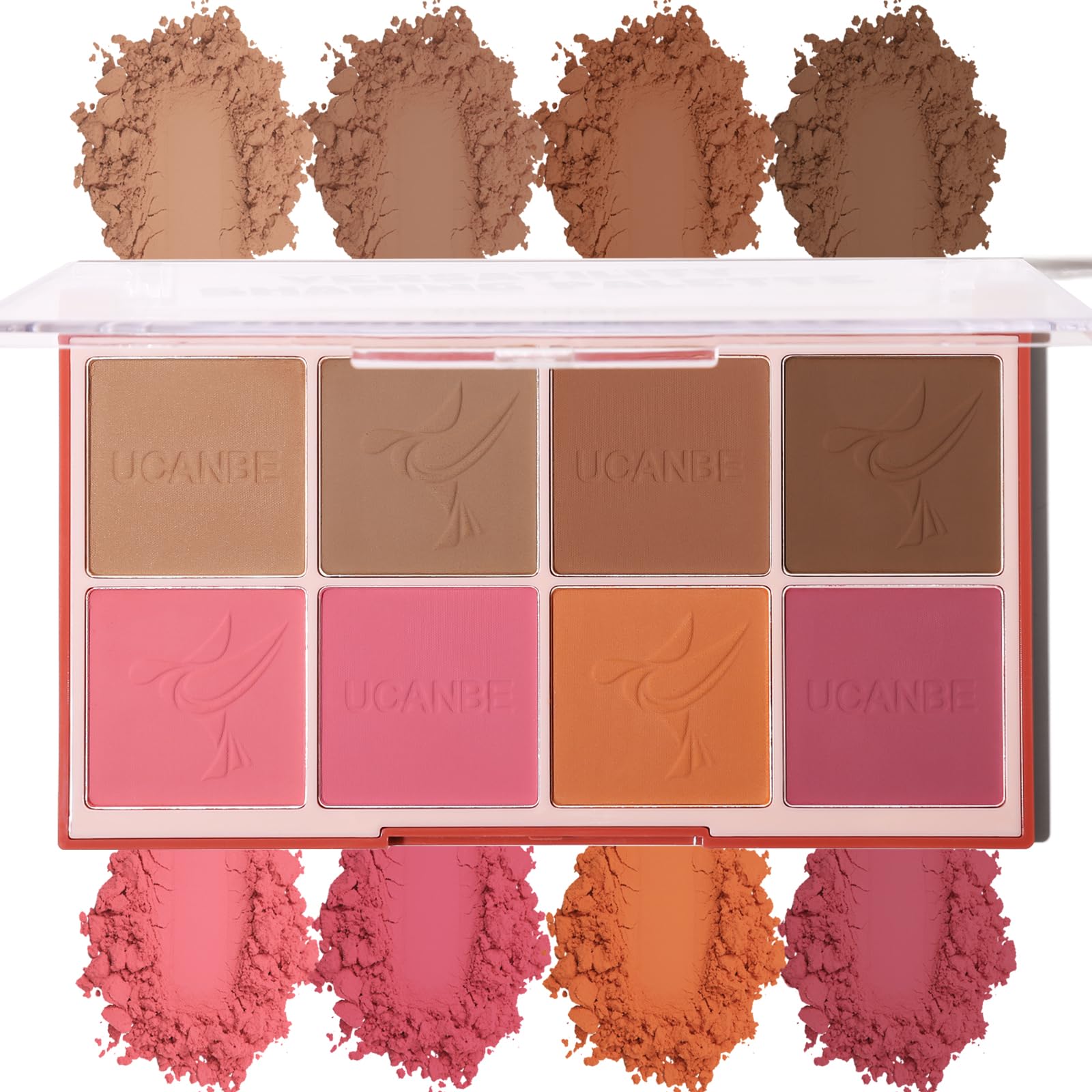
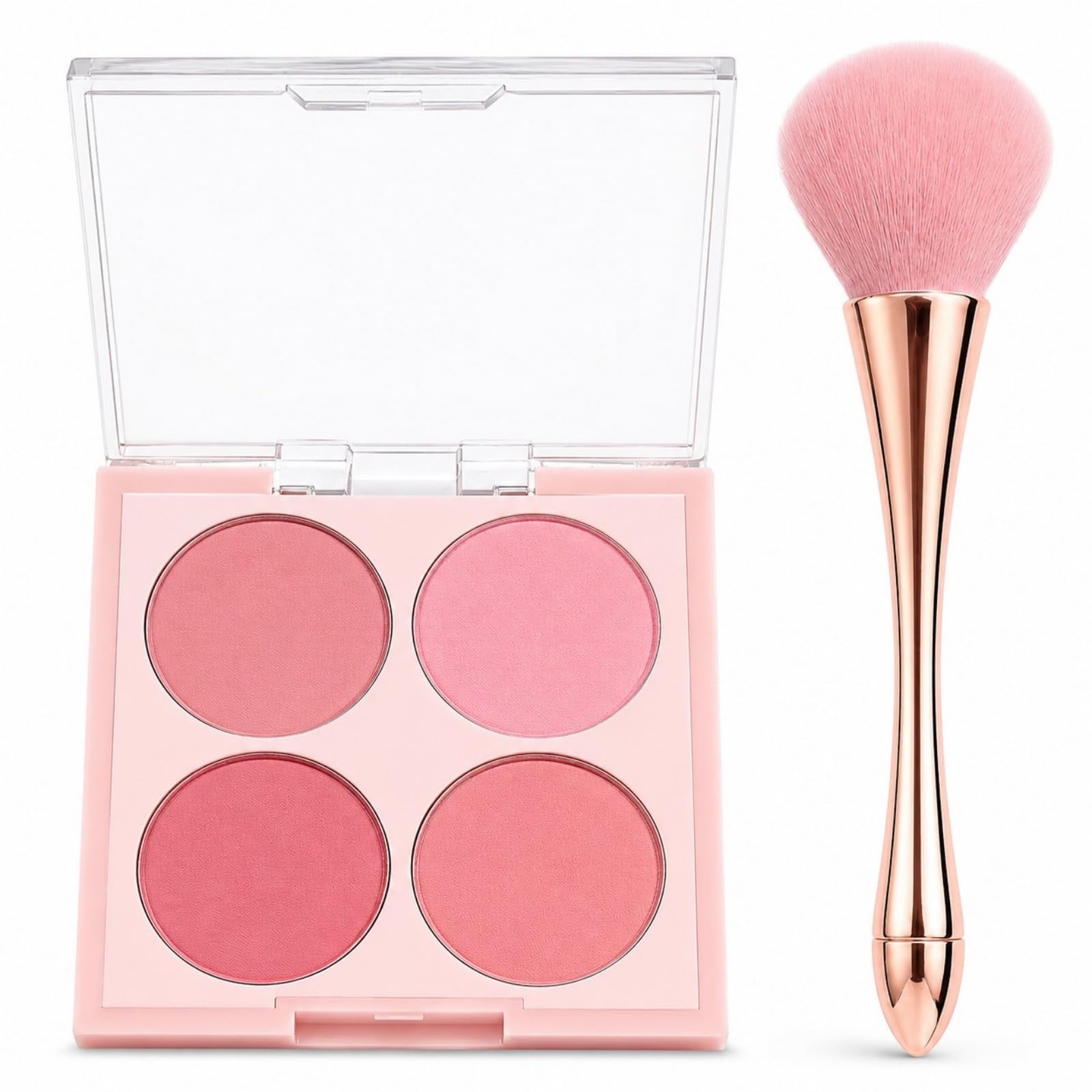
Blush sets range from a few dollars for a small duo to well over $100 for a large palette, and price alone tells you very little about how the color will wear on your skin. The best blush sets for you depend on your undertone, your skin type, and whether you reach for one everyday shade or enjoy changing your look often. This guide breaks down what each price tier actually delivers, which features are worth paying for, and which extras you can skip. Use the product table below to see how shade counts and formats line up before you decide.


What to Look for at Each Budget Level
Instead of chasing a single name, judge each tier by what a good set at that price should give you. The criteria below work at any budget and help you spot a set that is priced fairly for what it contains.
Budget Tier Criteria
A smart budget buy gives you two to four wearable shades rather than a rainbow you will never touch. Look for at least one soft everyday color, smooth pigment that builds gradually, and packaging that closes firmly so powder does not crack in a makeup bag. Shades should swatch evenly without large chalky patches. If most colors suit only one skin tone and that tone is not yours, pass even when the price is tempting.
Midrange Tier Criteria
In the midrange, expect a wider shade range that covers warm, cool, and neutral undertones in one set. Formulas usually blend more easily and last longer through a workday, and many sets add a cream option alongside powders. Mirrors are larger, pans are often replaceable, and shade names or numbers make reordering simpler. This tier suits you if you wear blush most days and want variety without buying singles.
Premium Tier Criteria
Premium sets earn their price through finely milled powder, thoughtful shade curation, and sturdy cases that protect the product for years. Pigment tends to be forgiving, so a light tap gives color that you can build without harsh edges. Some premium sets include refill pans, which lower waste and long term cost. Pay this much only when the shade range truly matches your coloring and you will use most pans regularly.
What Your Money Gets You at Each Price Tier
Budget Tier: What to Expect
Budget sets usually cost around $10 to $25 and focus on basic powder shades in simple plastic cases. Color payoff can be strong, but blending may take more work and shimmer shades can look powdery on dry skin. Wear time is often four to six hours before fading. These sets are a sensible way to test which shade family flatters you before spending more, and they travel well because replacing one is painless.
Midrange Tier: The Sweet Spot for Most Buyers
Midrange sets, around $25 to $60, usually deliver the best balance of shade range, blendability, and lasting power. You will often find both matte and satin finishes, plus pans sized generously enough to last a year of regular use. Packaging feels sturdier and shade selection is more inclusive across light to deep skin tones. For most buyers, this tier covers daily wear, photos, and seasonal changes without paying for extras that add little.
Premium Tier: When Spending More Pays Off
Premium sets at around $60 to $120 focus on texture and curation rather than sheer pan count. Powders feel silky, creams melt into skin without disturbing foundation, and shades are edited so every pan works with the others. Cases may use metal hinges and magnetic closures that survive daily handling. Spending more pays off if you have mature or textured skin, because softer pigment is far less likely to emphasize pores or fine lines.
Features Worth Paying For (and Ones to Skip)
Maintenance and Long Term Costs
Blush itself needs little upkeep, but brushes and sponges do, and dirty tools are the top reason color looks muddy. Budget for a gentle brush cleanser and plan to wash tools weekly. Cream products dry out faster once opened, so a set with several creams costs more over time if you cannot finish them. Powder sets generally last longest, often two years or more when stored dry.
Build Quality and Materials
Case quality matters because one drop can shatter a pressed powder. Look for hinges that open smoothly, pans seated firmly, and lids that stay shut in a bag. Ingredient quality matters too: finely milled pigments and skin friendly binders give smoother application than coarse, filler heavy powders. If you have sensitive skin, choose fragrance free options and patch test a new shade on your jawline before full use.
Warranty and Customer Support
Cosmetics rarely carry warranties, so the return policy is your real protection. Buy from sellers that accept returns on opened makeup, since shade mismatch is common and hard to judge from photos. Keep the receipt until you have worn each shade in daylight. Responsive brands publish full ingredient lists and shade descriptions by undertone, which signals they will also help if a pan arrives cracked or a case arrives damaged.
Intended Use and Who It Is For
Match the set to your actual routine. If you do a five minute face before work, two or three reliable shades beat a twelve pan palette you will never explore. If you create content or do makeup for events, a broader range with both cream and powder formats gives you layering options. Beginners benefit from sheer, buildable color, while experienced users may prefer stronger pigment that applies quickly with a light hand.
Shade Range and Undertone Matching
Undertone is the detail that decides whether a shade looks natural or sits on top of your skin. Warm undertones usually suit peach, coral, and warm rose shades. Cool undertones tend to look best in pink, berry, and mauve. Neutral undertones can wear either family, so a mixed set offers the most freedom.
Depth matters just as much as undertone. A set marketed for light skin may look ashy or vanish entirely on deep skin, while very rich shades can overwhelm fair skin unless the formula is sheer. Check swatch photos on a skin tone close to yours, and favor sets that show shades on several models rather than one arm swatch.
A practical test at home helps too. Hold a shade next to your cheek in natural light after applying it, then check again after thirty minutes, because some colors deepen as they settle into skin oils. If a set gives you one perfect daily shade plus two supporting shades for evenings or seasons, that is a better buy than eight shades you wear once.
Formula and Finish Choices
Powder blush is the most forgiving format for oily or combination skin and layers easily over setting powder. Cream blush gives a skin like glow on dry or mature skin and can be applied with fingers, which makes it handy for travel. Liquid formulas are potent, so one dot per cheek is usually enough, and they reward quick blending.
Finish changes the effect as much as color does. Matte shades read natural and photograph cleanly. Satin finishes add gentle life to the cheeks without visible sparkle. Strong shimmer can double as a highlight on smooth skin but may emphasize texture, so use it sparingly if pores or lines are a concern for you.
Long Term Costs to Factor In
The purchase price is only part of what a set costs you. Add a decent blush brush if you do not own one, around $10 to $25, plus replacement sponges for cream products. Sets with many pans you never use carry a hidden cost per wear that can exceed a smaller set you finish completely. Expiry matters as well: creams generally keep about twelve months after opening, while powders often stay usable far longer if they smell normal and apply smoothly. Divide the price by the shades you will truly wear to compare sets fairly.
Frequently Asked Questions
What features matter most when buying blush sets?
Shade fit for your undertone and skin depth matters most, followed by blendability and finish. A set can have beautiful packaging and still fail if the colors fight your coloring. Look for buildable pigment, at least one matte option, and pans large enough for a standard brush. Ingredient lists and return policies are useful tie breakers between otherwise similar sets.
How long does a blush set last?
A powder based set often lasts eighteen months to three years with regular use, because each pan holds more product than most people expect. Cream shades are usually finished or expire sooner, often within a year of opening. If a product develops a hard film, an off smell, or applies unevenly, replace it. Storing sets away from bathroom steam helps every format last longer.
How do I maintain a blush set?
Keep pans clean by wiping the surface with a dry tissue after use and washing your brushes weekly. If a powder develops hard pan, a small piece of clean tape pressed lightly on the surface can lift the film. Never share blush or brushes without cleaning them, and close lids fully to keep dust out. Stop using any shade that causes itching or redness, and talk with a dermatologist if irritation continues.
Are expensive blush sets worth it?
They can be, when the extra money buys finer pigment, better shade curation, and a case that protects the product. On textured or mature skin, that smoother texture is a real daily benefit. They are not worth it when the shades duplicate colors you already own or when most pans are too bold for your routine. Judge by cost per shade you will actually wear.
How much should I spend on a blush set?
Most people do well spending around $25 to $60, where blendability and shade ranges improve noticeably over budget options. Spend less while you are still learning which colors suit you. Spend more only for refillable pans, exceptional texture, or a curated range you will use almost fully. Your routine, not the price tag, should set the budget.
Wrapping Up
Focus on undertone fit, blendable pigment, and a finish that suits your skin, and the price tier decision becomes simple. Budget sets help you learn your colors, midrange sets serve most daily routines, and premium sets reward buyers who value texture and curation. Compare the shades and formats in the product table, then choose the best blush sets option that matches your skin and your habits rather than the largest pan count.


