Best Bluetooth Wall Mounted Speakers: Types Compared and How to Choose for 2026
Disclosure: We may earn a commission when you buy through links on this page, at no extra cost to you. As an Amazon Associate I earn from qualifying purchases. Learn more

Compare weatherproof, on-wall and in-wall types of bluetooth wall mounted speakers by sound, mounting and price.
Wall speakers promise clean sound without giving up floor space, but the labels can blur together fast. One model talks about weatherproofing, another about streaming, and a third looks more like a bookshelf speaker with a bracket. If you are shopping for best bluetooth wall mounted speakers, this guide sorts the main types first, so the specs start to make sense.
You will compare what each type does well, where it falls short, and who it suits. Then you will get a simple choosing process you can use with the comparison table below before you drill a single hole in the wall.




Types of Bluetooth Wall Mounted Speakers Compared
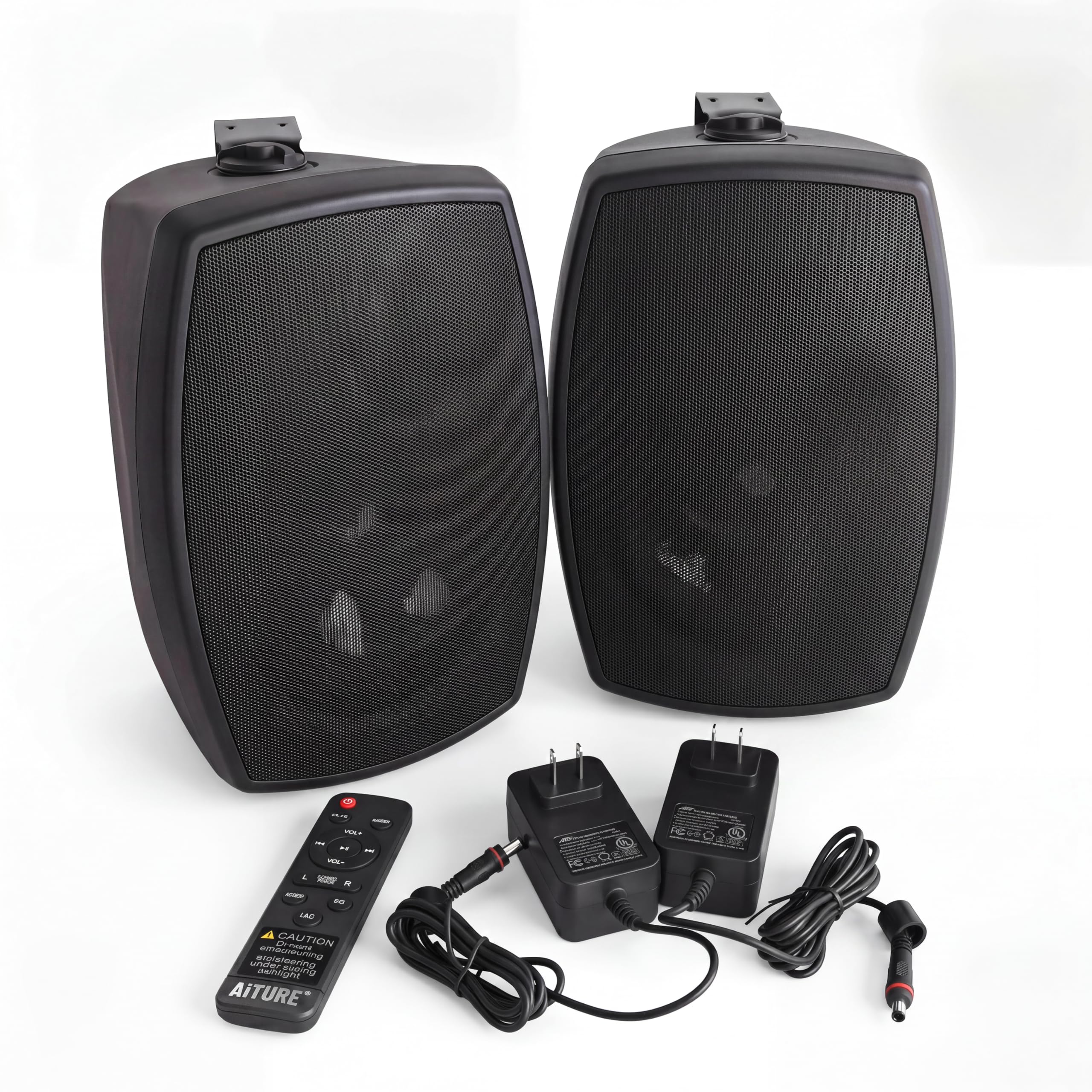
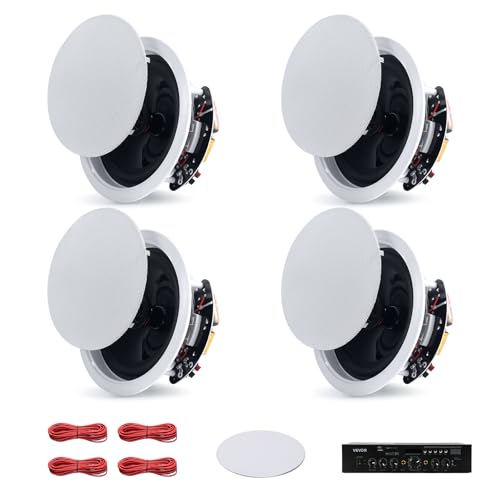
Most wall mounted Bluetooth speakers fall into three groups: weatherproof outdoor models, powered on-wall home models, and in-wall or flush mount pairs. The groups overlap, but naming the main job of each type helps you avoid paying for a feature your room does not need.
As a rough price guide, basic wall models often cost under $100 per pair, fuller sounding home models commonly land at about $100 to $250, and larger weatherproof or in-wall systems can run $250 or more. Brackets, wiring and an amplifier add to the total, so price a complete setup rather than a single box.
Weatherproof Indoor and Outdoor Models
These are built for patios, garages, porches and bathrooms. A sealed cabinet, UV resistant grille and a stated water rating let them live outside all year. Many pair over Bluetooth and include a small built in amplifier, so one power cable is the only wiring.
Choose this type if the speakers will face rain, steam or direct sun. The trade off is looks and tone: rugged cabinets are plain, and the sound is tuned to carry across open space rather than to please a seated listener.
Powered Wireless On-Wall Models
This is the core type most shoppers mean. The speaker connects to your phone, tablet or computer over Bluetooth, and many also take a wired input. Bluetooth 5.3 is a good modern baseline because it tends to hold a steadier connection through a room and reconnect faster after you walk away and return.
These models suit everyday listening in a living room, workshop or kitchen. Look for multipoint if you switch between a phone and a laptop. Range claims assume open space, so expect less through walls and metal shelving.
In-Wall and Flush Mount Pairs
Flush mount speakers sit inside a cut-out in the wall or ceiling, so only the grille shows. They tend to have larger drivers and a fuller sound, and many come with a small amplifier or receiver that adds Bluetooth. They need a wall cavity, a clear path for cable and a little carpentry.
The catch is installation. Check the cut-out size, the depth behind the drywall and whether the cavity holds insulation or wiring. If you want the tidiest look and a fuller sound, this is usually the most satisfying type. For a deeper look at the sound first approach, see our guide to the best wall mounted speakers audiophile options.
Weatherproof, On-Wall or In-Wall: Which Should You Choose?
Start with your room, not the feature list. For a patio or garage, a weatherproof model is the safe choice. For a living room where looks matter, an in-wall pair disappears into the wall. For a quick install in a rental, a light on-wall model with a plug is the easiest.
Next, compare connection needs. Check Bluetooth version, multipoint support and whether a wired input matters to you. Then compare size and mounting: shallow, light models suit drywall, while fuller models need a stronger bracket. Finally, compare power: some models have one powered speaker and one passive partner, which means a speaker cable between them.
If you also plan a home theater later, think about expansion now. Some wall speakers can serve as surround channels, and our guide to the best wall mounted atmos speakers explains how placement changes when height and surround duties enter the picture.
How to Choose the Right Bluetooth Wall Mounted Speaker
Comfort, Fit, and Weight
For a wall speaker, fit means fit to the wall and the room. Measure the depth of the cabinet and add the bracket depth, then check that the total does not crowd a walkway, a door swing, or curtains. Note the weight of each speaker and choose a bracket rated for at least twice that weight, mounted into studs or proper anchors for your wall type.
Height matters too. Tweeters sound clearest near ear level when you are seated, so aim the speaker face toward your main seats if the bracket tilts or swivels. A model that is light and shallow is the comfortable choice for drywall in a rental, while heavy home models belong on solid walls with planned placement.
Sound Quality and Tuning
Driver size and frequency response tell part of the story. A larger main driver, often around 5 to 6.5 inches in home models, usually moves more air and gives fuller midrange and bass. A stated frequency response that reaches lower, for example down toward 50 to 60 Hz, hints at deeper bass, though room placement can change what you actually hear.
Tuning is the other half. A neutral tune keeps vocals and dialogue clear, which suits TV and podcasts. A bass forward tune feels exciting for pop and films but can muddy speech in a reflective room. An app with a simple equalizer helps you trim bass when the speaker sits near a corner. If wall placement is your main constraint across rooms, compare notes with our guide to the best bluetooth wall speakers for placement ideas that transfer well.
Ecosystem and App Features
The app decides how pleasant daily use feels. Look for an equalizer you can actually find, saved presets, easy pairing for a second speaker as a stereo pair, and grouping if you want the same music in two rooms. Check which voice assistant or streaming services the system supports, and whether those features need WiFi rather than Bluetooth alone.
Also confirm the basics work without the app. Volume, pairing, and input switching on the speaker or a remote protect you if the app changes or your phone is in another room. Firmware updates should arrive through the app with clear notes. A maker that lists a support window in years is easier to trust for a fixed install you plan to keep.
Weather Rating and Placement
Be clear about the rating you need. IPX4 handles splashes on a covered porch, while IP65 or IP67 suits open decks and rain exposure. Remember that the rating applies to the speaker, not your outlet or connections, so outdoor power still needs weather protection.
Placement gives you free sound gains. Keep speakers away from the noisiest wall, use soft furnishings to calm reflections, and avoid cranking volume to fight noise, because distortion rises fast. If the speaker will live outdoors, our guide to the best wall mounted outdoor bluetooth speakers covers the weather ratings and materials that indoor models do not need.
Care and Maintenance Tips
Keep firmware updated through the maker app, checking every few months rather than only when something breaks. Dust the grille and cabinet with a dry or slightly damp cloth, and keep spray cleaners off the driver area. Once or twice a year, check bracket screws for looseness, because daily vibration can work them out slowly over time.
Protect the electronics as well. Give powered models ventilation space, keep them out of direct steam in a bathroom install, and use a surge protector where the outlet is easy to reach. If you store a spare or seasonal speaker, keep it in a dry place in its box or a soft case so the drivers and finish stay clean.
Frequently Asked Questions
Do wall speakers have noise cancelling?
Active noise cancelling is a headphone feature, because it needs a sealed space around your ear. A speaker plays into the room, so a listing that promotes cancelling is mostly marketing. Spend the money on a better driver, a sturdier bracket or a higher weather rating instead.
Do I need a special codec?
No, a standard codec already sounds good for casual listening. A special codec only helps when both your phone and the speaker support it, and when the recording quality is high to begin with. AAC is the practical choice with Apple gear. If you mostly stream compressed music at modest volume, spend on placement and driver size before you spend on codec badges.
Wired or wireless: which sounds better?
A wired input can sound slightly cleaner because it skips wireless compression, and it also removes pairing hiccups. In daily use, though, a strong Bluetooth connection at close range is close enough that most listeners cannot tell during a song. The bigger gain comes from using the wired input for TV, where it also avoids the small delay that can put dialogue out of sync.
What IP rating do I need for outdoor use?
For a covered porch, look for at least IPX4, which handles splashes. For open decks, poolside walls, or rain exposure, aim for IP65 or IP67 so dust and stronger water exposure are covered. Remember that the rating applies to the speaker, not your outlet or connections, so outdoor power still needs weather protection and a ground fault outlet for safety.
How long does the battery last?
Many wall mounted models plug into power and have no battery at all, which is normal for a fixed install. Battery equipped models commonly run about 8 to 20 hours per charge depending on volume, with loud playback and bass heavy music cutting that figure sharply. If you need a speaker you can lift off its mount for the patio, confirm the mount releases easily and the charger is standard USB C.
Wrapping Up
Finding the best bluetooth wall mounted speakers starts with the type. Decide the type first, then weigh sound tuning, mounting weight, and power in that order. Indoor rooms reward a fuller home model, patios and garages need a weatherproof one, and everyone benefits from a bracket and placement plan made before purchase. When you are ready, compare the best bluetooth wall mounted speakers in the product table above against your room measurements and your short list of must have features.