Best Bluetooth Speakers That Pair Together 2026: Stereo and Dual Play Guide
Disclosure: We may earn a commission when you buy through links on this page, at no extra cost to you. As an Amazon Associate I earn from qualifying purchases. Learn more

Learn how paired wireless speakers work, how to place them for stereo sound, and how to fix dropouts, sync problems, and uneven volume levels at home.
Paired speakers can make music feel wider and rooms feel fuller, but only when pairing is stable and placement is thoughtful. The best bluetooth speakers that pair together make that easy. Some pairs form true stereo, some play the same sound in two places, and some do both. This guide explains the options and the checks that matter, and the comparison table below gives a quick overview.
Start with your goal. Stereo pairing suits a fixed listening spot, while dual play suits coverage across a patio or two rooms. Knowing the goal helps you judge whether a pair is worth it, and which pairing mode you will actually use most.
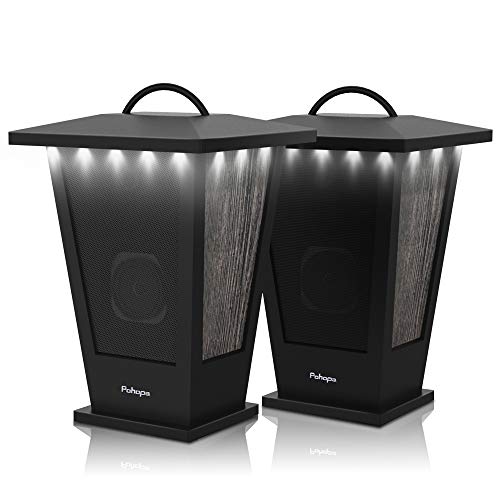
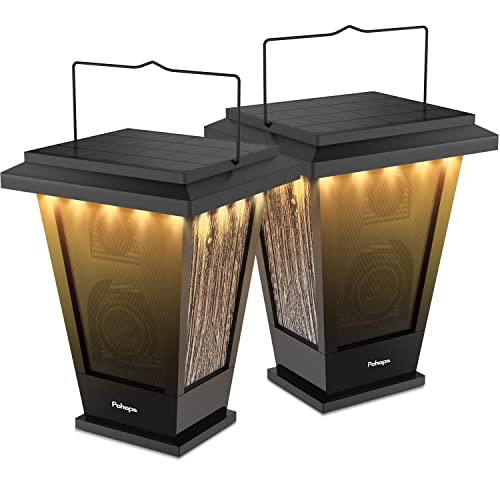
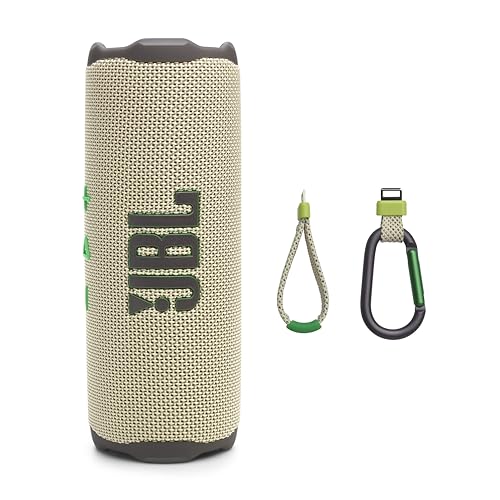





Who Should Buy Which Option
For Music Lovers Seeking Stereo
Stereo listeners want left and right separation, a clear centre image, and a pair that stays in sync. Placement matters as much as the speakers, with separation, height, and angle all shaping the result. A stable pair in a good spot beats a larger pair in a poor spot.
For Patios and Large Rooms
Patio and large room users want even coverage, so sound does not fade as you move. Dual play can help here, because both speakers play the same music and fill the space more evenly. Check range, battery life, and whether the pair stays linked across the full area.
For TV and Film Watchers
Viewers want dialogue clarity, lip sync, and a soundstage that matches the screen. A pair that pairs quickly and keeps sync with a television is more useful than a pair with a long feature list. Check television inputs and sync behaviour before you buy.
Key Features to Compare
Pairing Modes Explained
Stereo mode splits left and right sound, dual mode plays the same sound from both speakers, and some pairs let you switch. Check which modes are offered, how switching works, and whether settings survive a power break. A clear mode choice avoids confusion during daily use.
Placement for Stereo Sound
Place stereo speakers apart, at a similar height, and angled toward the main listening spot. Avoid placing one speaker in a corner and the other in open space, because the balance will shift. Small moves, such as raising a speaker or moving it from a corner, can improve the image a lot.
Range, Sync, and Dropouts
Pairing links can drop when distance, walls, or interference increase. Check range in your own space, keep the source reasonably close, and note whether the pair reconnects quickly. If dropouts happen often, reduce distance or remove obstacles before assuming a fault.
Volume Balance and Tone
Paired speakers should sound balanced, with similar volume and tone. Check per speaker volume if offered, and test both speakers alone to spot a weak unit. A pair that sounds uneven will distract you, even if each speaker sounds fine on its own.
Battery, Power, and Portability
For portable pairs, check play time at moderate volume and whether both speakers charge with the same cable. For fixed pairs, mains power avoids battery wear and keeps the pair ready. Match power type to how often the pair will move.
How to Choose with Confidence
Before you order, decide the main pairing mode and the main listening area. That decision shapes size, power, and placement, and it prevents buying a pair for stereo use that you mostly use for coverage, or the reverse. Sketch the area and mark speaker spots.
Test pairing early. Pair the speakers, play music at your normal volume, walk the listening area, and check sync and balance. Also test reconnection after sleep and after a power break. Early testing reveals range and sync problems while an exchange is still easy.
Think about future use too. A pair that works in a living room now may later move to a patio, so weather aware handling and easy charging add value. The product table above shows the main options, and the related guides below can help if you want a single speaker or a system for several rooms.
Care, Safety, and Everyday Use
Keep speakers clean, check charging ports, and store portable pairs dry and out of direct sun. Charge both speakers together so they stay balanced, and avoid leaving batteries flat for long periods. Simple care keeps pairing stable and tone even.
If one speaker drops, check battery, distance, and obstacles first. Re pair the set, test each speaker alone, and try a different source to separate a pairing problem from a source problem.
A Final Check Before You Order
When you test a pair, start with stereo mode and a familiar song, and listen from your usual seat. Note whether instruments feel spread out, whether vocals sit in the centre, and whether one speaker dominates. Then switch to dual mode and walk the area, noting where sound stays even and where it fades.
Consider height and symmetry, because a pair at very different heights or distances will sound unbalanced, even if each speaker is good. Place both speakers at a similar height, measure distances roughly, and angle them toward listeners. Small symmetry fixes often improve a pair dramatically.
Think about battery balance for portable pairs, because one speaker with a low battery can drop out and ruin the pair. Charge both speakers together, check levels before gatherings, and carry a spare cable. Balanced charging keeps the pair reliable for long sessions.
Also test reconnection after sleep, because a pair that needs manual re pairing every morning will soon annoy you. Put the pair to sleep, wake it, and play music without touching settings. A pair that reconnects cleanly feels like one system, not two separate gadgets.
Finally, note how the pair handles phone calls and video sound, if you use it for those purposes. Some pairs handle calls well, while others struggle with sync or microphone routing. Test calls and video early, so you know the limits before relying on the pair for work or family calls.
Related Guides to Explore
For related reading, see our guides on best bluetooth speakers to pair together, best bluetooth speakers that link together, best bluetooth speakers stereo pair, best bluetooth speakers to pair with echo dot, and best quality bluetooth speakers, which cover closely related choices and may help you compare options before you decide. The product table above gives the main overview, while related guides add detail on neighbouring products.
Frequently Asked Questions
What is the difference between stereo and dual play?
Stereo splits left and right sound for a wider image, while dual play sends the same sound to both speakers for even coverage. Stereo suits a fixed listening spot, dual play suits a patio or two rooms. Some pairs offer both, so check the modes before you buy.
How far apart should paired speakers be?
In a living room, a metre or more apart usually creates a sense of width, with both speakers angled toward listeners. In a small room, even a shorter gap can help if placement is balanced. Avoid extreme gaps that leave a hole in the middle of the sound.
Why does one speaker sometimes drop out?
Dropouts often come from distance, walls, interference, or a low battery in one speaker. Moving closer, charging both speakers, and re pairing usually help. If drops persist in a small space, test each speaker alone to check for a fault.
Can I pair speakers from different brands?
Usually not, because pairing often needs matching models or a shared system. Check maker guidance before assuming two speakers will pair. A matched pair is the safest choice for stable stereo or dual play.
What should I test in the first week?
Test pairing stability, stereo image, dual play coverage, sync with video, and reconnection after sleep. Also test battery balance and controls for both speakers. Early testing across your real space confirms the pair fits your habits.
Final Thoughts
Paired speakers work best when pairing is stable, placement is balanced, and the mode matches your listening goal when you choose the best bluetooth speakers that pair together. Use the comparison table above, test in your own space, and let real listening guide the choice.
With thoughtful placement and a short test, a pair can make music feel wider and rooms feel fuller without fuss. Choose the pair that stays linked and balanced in daily use.