
Best Bluetooth Speakers for Peloton 2026: Clear Class Audio
Disclosure: We may earn a commission when you buy through links on this page, at no extra cost to you. As an Amazon Associate I earn from qualifying purchases. Learn more

How to pick the best bluetooth speakers for peloton: sweat resistance, pairing and clear instructor audio over the fan.
A Peloton bike or tread puts a good screen in front of you, but the built in speakers are aimed at a quiet room, not at a sweaty class with a fan running. A separate speaker makes the instructor easier to hear, brings the music to life and keeps you motivated through the last climb. The best bluetooth speakers for peloton pair easily, stay clear at high volume and survive sweat and the odd knock.
This guide covers what to look for when you add a speaker to a Peloton setup: pairing, placement, sweat resistance and volume. Use the product table to compare options once you know where the speaker will sit.
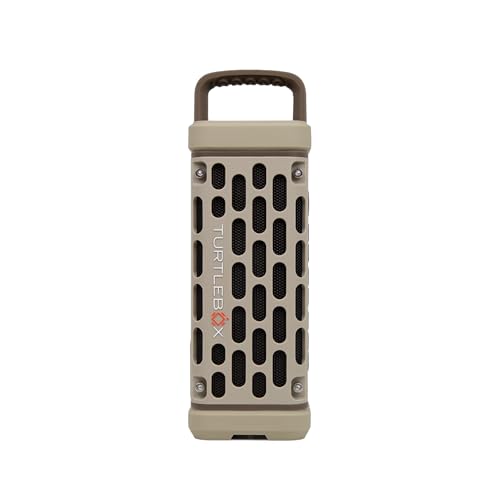


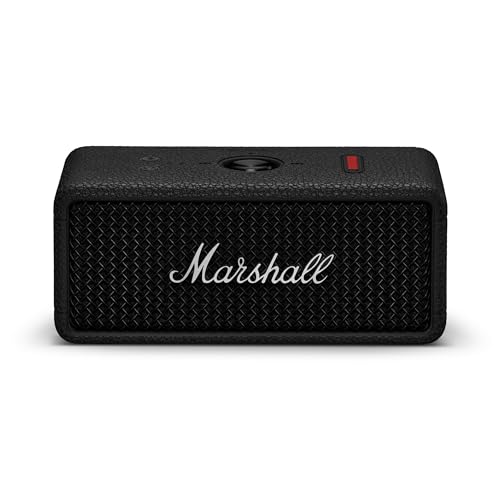


Connecting a Speaker to a Peloton
Peloton screens include Bluetooth for headphones and speakers, and the setup lives in the sound settings on the touchscreen. Put the speaker in pairing mode, open the Bluetooth menu on the bike and select it. Once paired, the bike remembers the speaker and reconnects when both are on.
Bluetooth connections to the bike can add small delays. Class audio is usually forgiving, but if the instructor's voice seems behind the video, try moving the speaker closer or switching to a wired option if your speaker has one.
Sound That Cuts Through the Fan
A bike or tread is noisy, with a flywheel, a fan and your own breathing. Choose a speaker with clear midrange and strong vocals, so that the instructor stays intelligible. Bass heavy tuning helps music classes but can drown the coach's cues.
Aim for a speaker that stays clean at high volume. If it distorts, the class becomes tiring.
Placement Around the Bike
Place the speaker where it points toward you, not at a wall. A shelf at head height behind the bike or a stand beside the screen works well. Avoid the floor, where sound is muffled by the mat.
Keep it away from the wheel and cables. A stable base is important, because the bass can make a light speaker creep.
Sweat, Dust and Durability
Sweat drips in all directions in a hard class. A speaker that is splash resistant with covered ports survives that. Wipe it after sessions and let it dry before charging.
A rubber body protects against knocks, and a strap or loop helps if you move the speaker between rooms.
Battery and Power
A mains powered speaker never runs flat during a long ride. A battery model gives placement freedom and should last at least 10 to 12 hours. Charge it after each session if you use it daily.
For other fitness oriented choices, see our guide to the best bluetooth speakers for home gym.
Volume and Neighbours
A spin class can be loud. Keep levels reasonable, especially in apartments or early mornings. A speaker with good clarity at moderate volume lets you hear the coach without disturbing others.
Headphones remain the best option for shared spaces.
Class Types and What Each Needs From the Speaker
Power zone and interval rides are loud and fast, with music pushing a tempo and the instructor shouting cues over the top. For these, a speaker with a punchy midrange and clean volume is best, because the instructor's voice has to cut through the beat. Scenic and low impact rides are quieter, and a speaker with a smooth tone and good detail at low volume suits them better.
Strength, yoga and stretching classes on the same screen work differently again. You might move the speaker off the bike and place it on the floor or a shelf near your mat. A portable speaker with a battery makes this easy, while a mains powered model stays with the bike. If you take classes both on the bike and on the floor, a battery speaker is the more flexible choice.
Whatever the class, think about volume levels before you start. Set the instructor and music balance on the Peloton screen so that the speaker does not need to be turned up too high. A balanced mix at moderate volume sounds cleaner and protects your hearing.
Charging, Cables and Keeping the Setup Tidy
A bike is already surrounded by cables, so a battery speaker keeps the area tidy. Charge it after each long session or on a regular day so it never goes flat mid ride. A short USB C cable kept near the bike makes this a quick habit.
If you use a mains powered speaker, route the cable away from the wheel and the pedals. A cable clip on the wall or a shelf keeps it safe. Check that the plug does not hang where your foot could snag it when you clip in or out.
Wipe the speaker with a dry cloth after sessions and keep a small towel nearby. Sweat on a speaker leaves salt deposits over time, and a quick wipe is easier than a deep clean later.
Comparing the Best Bluetooth Speakers for Peloton in the Product Table
Start with sweat resistance and clean volume, then compare battery, size and price. Read return terms and make sure the speaker pairs with the bike before the return window ends.
A speaker that reconnects instantly each day is worth more than extra features.
Frequently Asked Questions
Can I use any Bluetooth speaker with a Peloton?
Most Bluetooth speakers work, but check that the pairing process on the bike works smoothly.
Why is there a delay in class audio?
Bluetooth adds delay. Moving closer or using a wired connection can help.
Is a waterproof speaker necessary?
A splash resistant rating is enough to handle sweat.
How loud should the speaker be?
Loud enough to hear the instructor over the fan, but not so loud that it distorts.
Where should I put the speaker?
At head height, pointing at you, on a stable shelf or stand.
Final Thoughts
Choosing the best bluetooth speakers for peloton means picking a sweat resistant speaker with clear midrange and stable pairing. Place it with care and keep the volume sensible. Use the product table to compare options and read return terms.


