
Best Bluetooth Speakers for Classroom 2026: A Practical Guide
Disclosure: We may earn a commission when you buy through links on this page, at no extra cost to you. As an Amazon Associate I earn from qualifying purchases. Learn more

Compare classroom speakers and voice amplifiers by clear sound, school day battery life and sturdy build so every student can hear.
A classroom speaker has to do one job well: carry a teacher's voice, a video, or an audio book to every seat without distortion. The best bluetooth speakers for classroom use are loud and clear at room volume, run for a whole school day, and survive being carried, knocked, and packed away every afternoon.
The comparison table below covers portable Bluetooth speakers and teacher voice amplifiers. This guide explains which type fits which room and which features to check before you order.
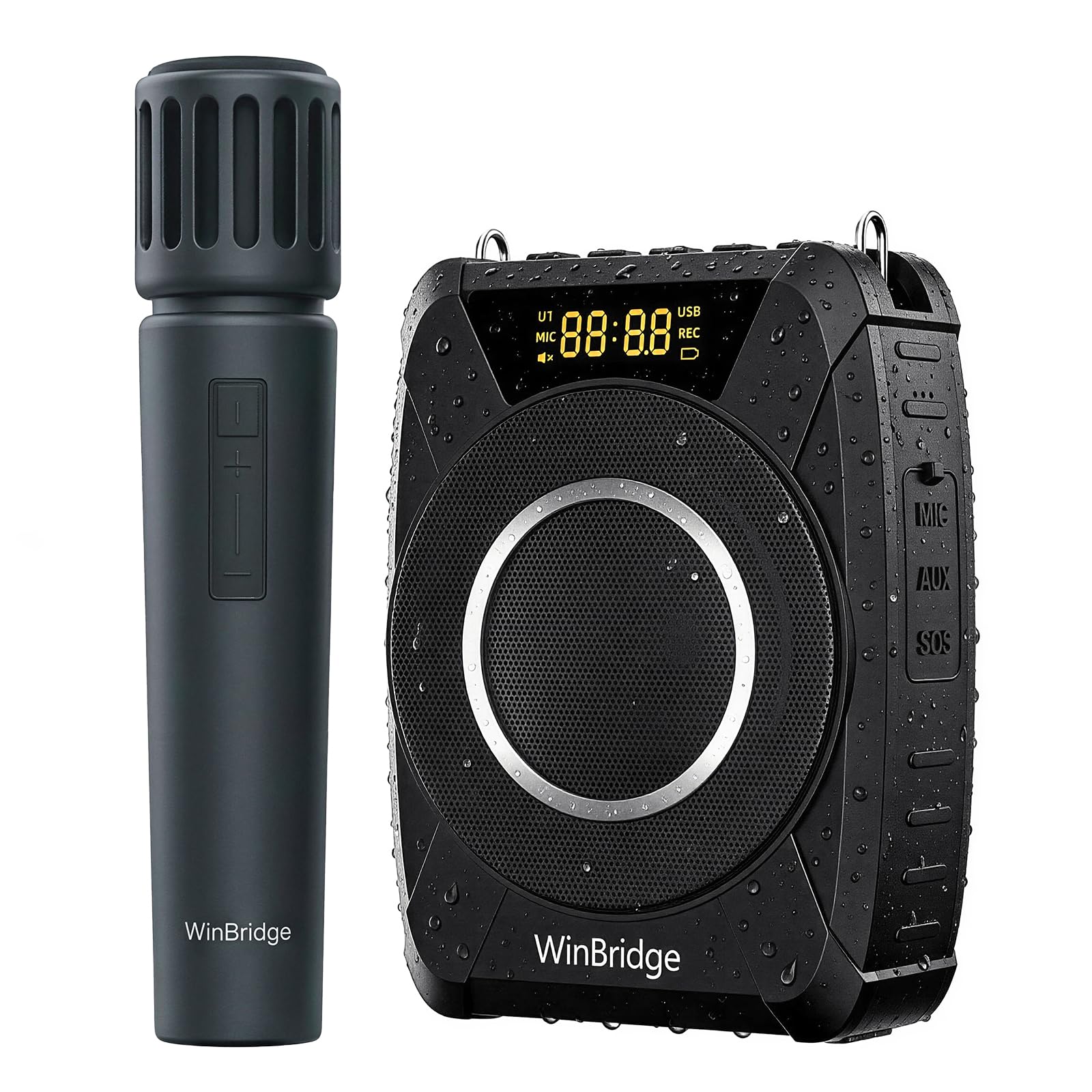

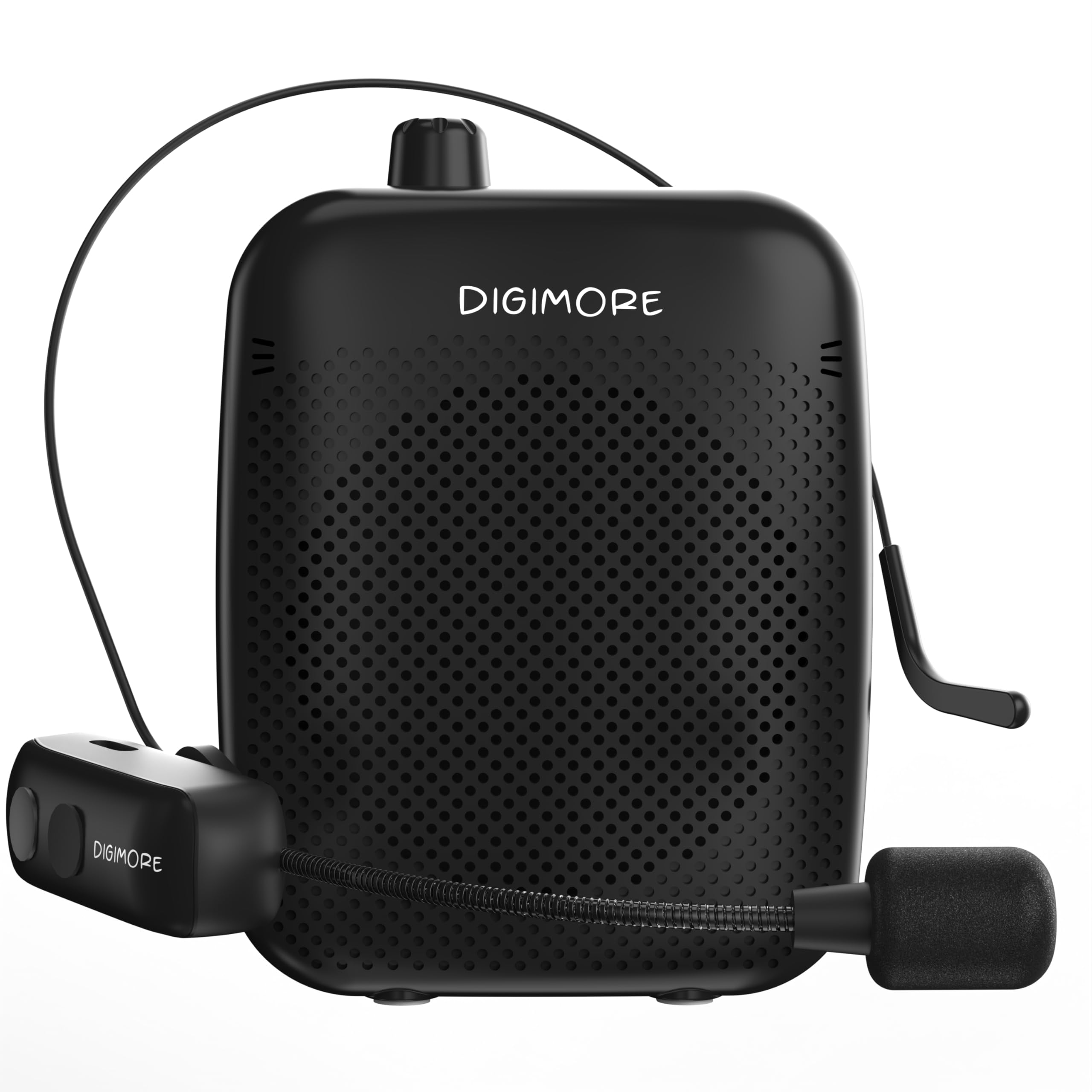

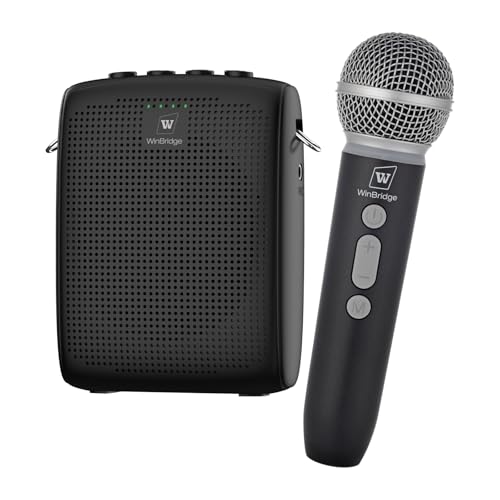
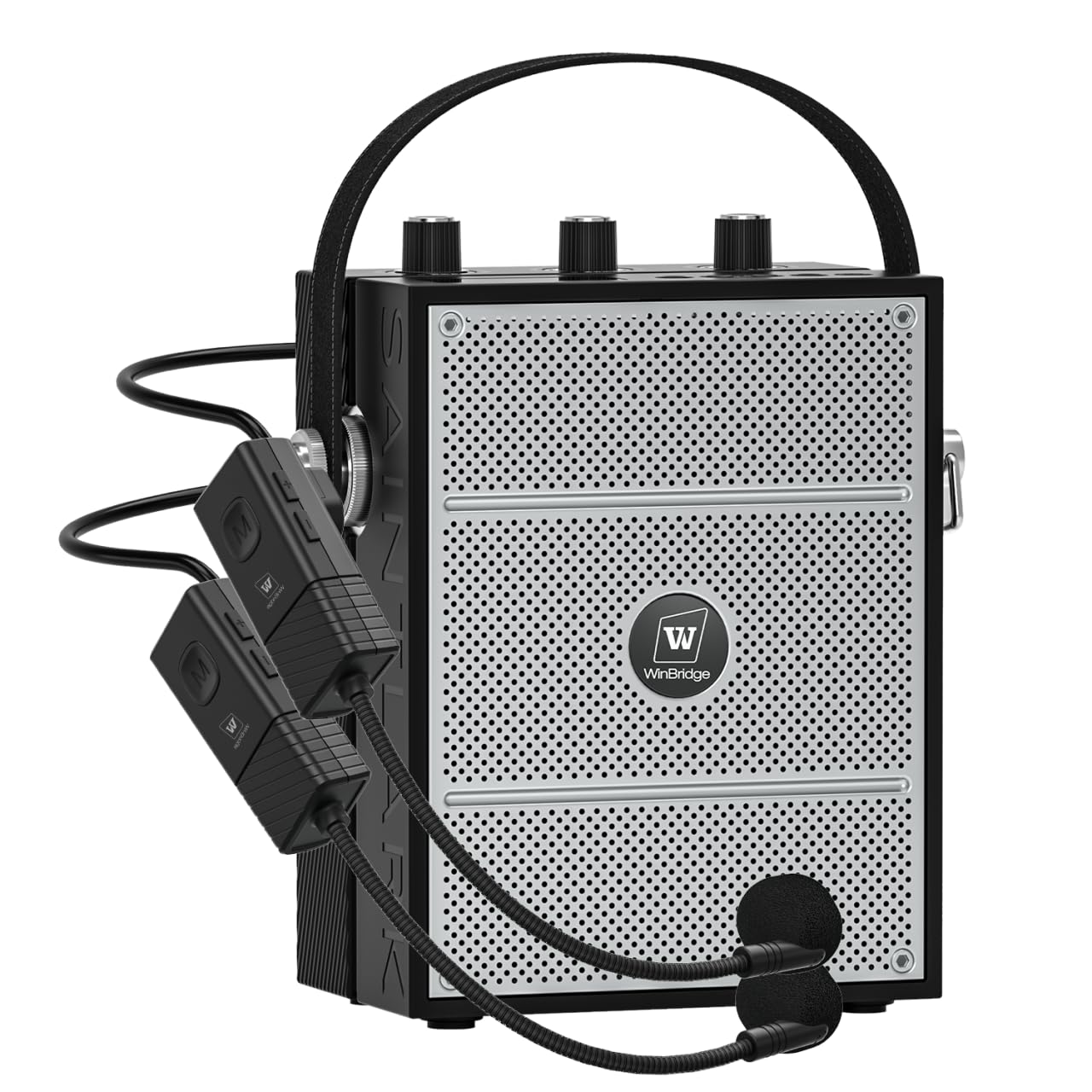

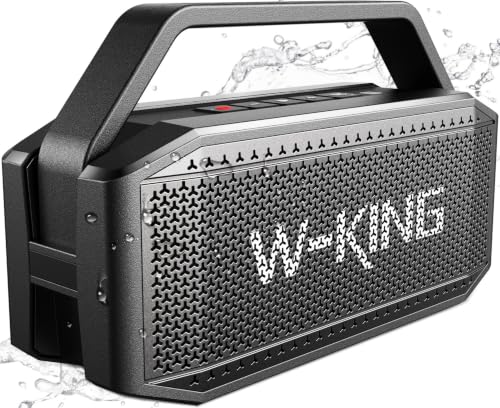
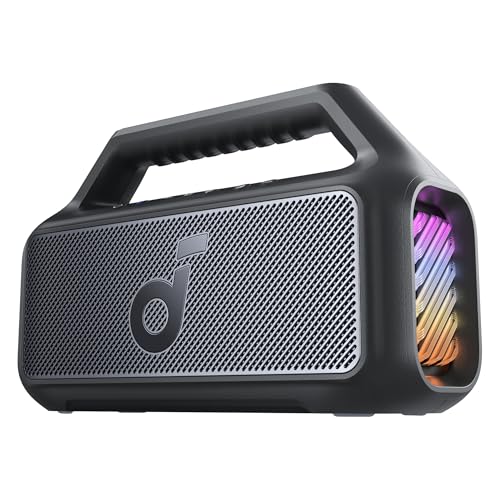

Who Should Buy Which Type
A teacher who mostly plays music, videos, and audio books from a laptop or phone needs a portable Bluetooth speaker with a stable connection and simple controls. A teacher who talks for hours in a large or noisy room is often better served by a voice amplifier with a headset microphone, which also pairs with Bluetooth for playing audio. Teachers who move between rooms value a light speaker with a handle, while a fixed classroom can use a heavier, louder model.
Think about class size and room shape first. A speaker that sounds fine for ten students at a reading table can sound thin in a gym or a lunchroom, so match output to the biggest space you will use it in.
Key Features to Compare
Clear Voice at Classroom Volume
Speech clarity matters more than bass. Look for a speaker that stays clean at medium-high volume, because distortion makes it hard for students at the back to follow. A speaker that points sound forward, or a model with two drivers, helps cover a wider area than a small single-driver unit.
Battery Life Through the School Day
Choose a battery rated for at least ten hours, and remember that real playtime drops at high volume. A speaker that can play while it charges is useful, since you can plug it in at a desk during long days. USB-C charging is convenient because the same cable can serve other classroom devices.
Sturdy Build and Simple Controls
Classroom gear gets dropped and bumped, so look for a rugged shell, a protected grille, and buttons that students can use without damaging them. Large buttons for play, volume, and pairing help substitute teachers who have never used the speaker before. A strap or handle makes it easier to carry between rooms.
Connections and Microphones
Bluetooth is the main connection, but a 3.5 mm input is a useful backup for a classroom computer or an older projector. If you want to use the speaker for talking as well as playback, check for a microphone input or choose a voice amplifier with a headset. Wired headsets avoid pairing problems, while wireless ones give more freedom to move around the room.
Choosing Between Types
Portable Bluetooth speakers cost less and suit music, videos, and small groups. Voice amplifiers cost a little more and include a microphone, which protects a teacher's voice during long days. Larger powered PA speakers cover gyms and assemblies but are heavy and usually more than a single classroom needs.
For a related choice, our guide to the best speakers for classroom compares wired and powered options, and the best quality bluetooth speakers guide helps when sound quality is the priority.
Matching the Speaker to the Room
As a rough guide, a small portable speaker covers a reading corner or a class of ten to fifteen students in a quiet room. A mid-size speaker with two drivers handles a standard classroom of twenty to thirty. Larger spaces such as a gym, a cafeteria, or an assembly area need a powered speaker or a voice amplifier with a stronger output, and they often benefit from placing the speaker on a stand so sound reaches the back rows.
Room acoustics matter too. Hard walls and floors reflect sound and make speech harder to follow, while carpet and wall displays absorb some of it. If the room echoes, aim the speaker slightly down toward the students and keep the volume moderate rather than turning it up to cover the echo.
Using a Speaker With Students
Set a few simple rules for equipment: one adult handles pairing, students do not change the volume, and the speaker returns to the same safe spot after use. Label the charging cable and keep it with the speaker. For listening activities, play a short sample first so you can check that the volume is right and the recording is clear before the lesson starts.
Setup, Safety, and Care
Pair the speaker before students arrive and test the volume from the back row. Keep cables out of walkways, and place the speaker on a stable desk or shelf where it cannot be knocked off. Keep volume at a comfortable level so that it never becomes tiring for students or teachers, and leave drinks away from the speaker.
Charge it every evening so it is ready the next morning, wipe it with a dry cloth, and store it away from heat. Check with your school about rules for wireless devices on the school network and for any approved equipment list.
A Final Check Before You Order
Confirm the room size you need to cover, check that the battery lasts through your day, and read the return terms. Check that the speaker works with the devices you use in class, and look for a warranty that covers the battery. If a model meets those needs and fits the school budget, it is a strong candidate.
Frequently Asked Questions
How loud should a classroom speaker be?
It should fill the room at a comfortable level without needing maximum volume. Running a speaker near its limit causes distortion and shortens its life, so choose one with some power in reserve for the largest room you will use it in.
Is a Bluetooth speaker or a voice amplifier better for teachers?
A Bluetooth speaker suits playing media. A voice amplifier suits teachers who speak for long periods and want to protect their voice. Some voice amplifiers also connect by Bluetooth, which covers both jobs.
How long should the battery last?
Aim for at least ten hours of rated playtime. Loud playback shortens that, so a model rated for fifteen hours or more is safer for a full school day.
Can a classroom speaker connect to a computer?
Yes, most connect by Bluetooth or a 3.5 mm cable. A wired connection avoids pairing problems on shared classroom computers.
How do I keep a classroom speaker safe from drops?
Choose a rugged model, keep it on a stable surface away from desk edges, and use a padded bag or shelf for storage. A strap or handle makes it easier to carry without dropping it.
Final Thoughts
The best bluetooth speakers for classroom use combine clear voice sound, a battery that lasts the school day, and a sturdy build with simple controls. Match the speaker or voice amplifier to your room size, check the connections you need, and compare your shortlist in the product table above.


