
Best Bluetooth Speakers for Bass Lovers: A First Time Buyer's Guide for 2026
Disclosure: We may earn a commission when you buy through links on this page, at no extra cost to you. As an Amazon Associate I earn from qualifying purchases. Learn more

Shopping for the best bluetooth speakers for bass lovers for the first time? Learn the terms, compare options, and avoid common mistakes with this easy guide.
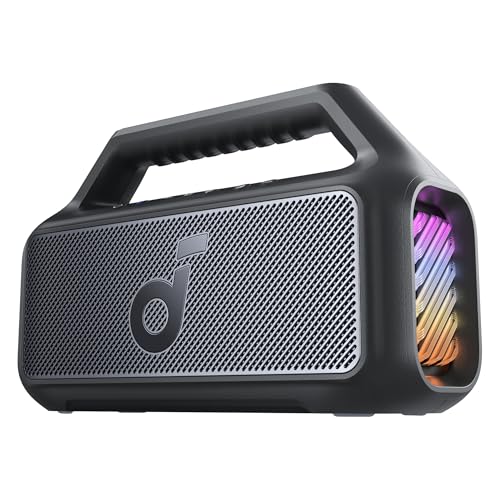
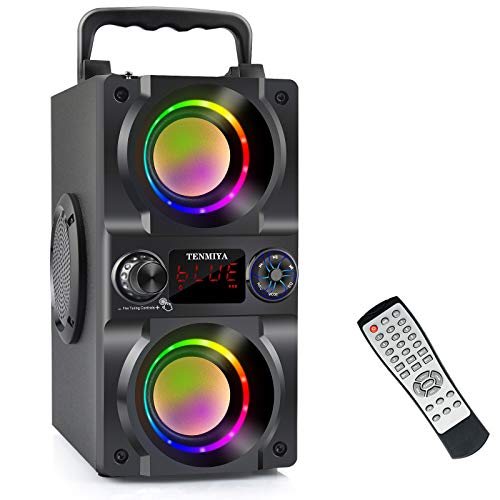
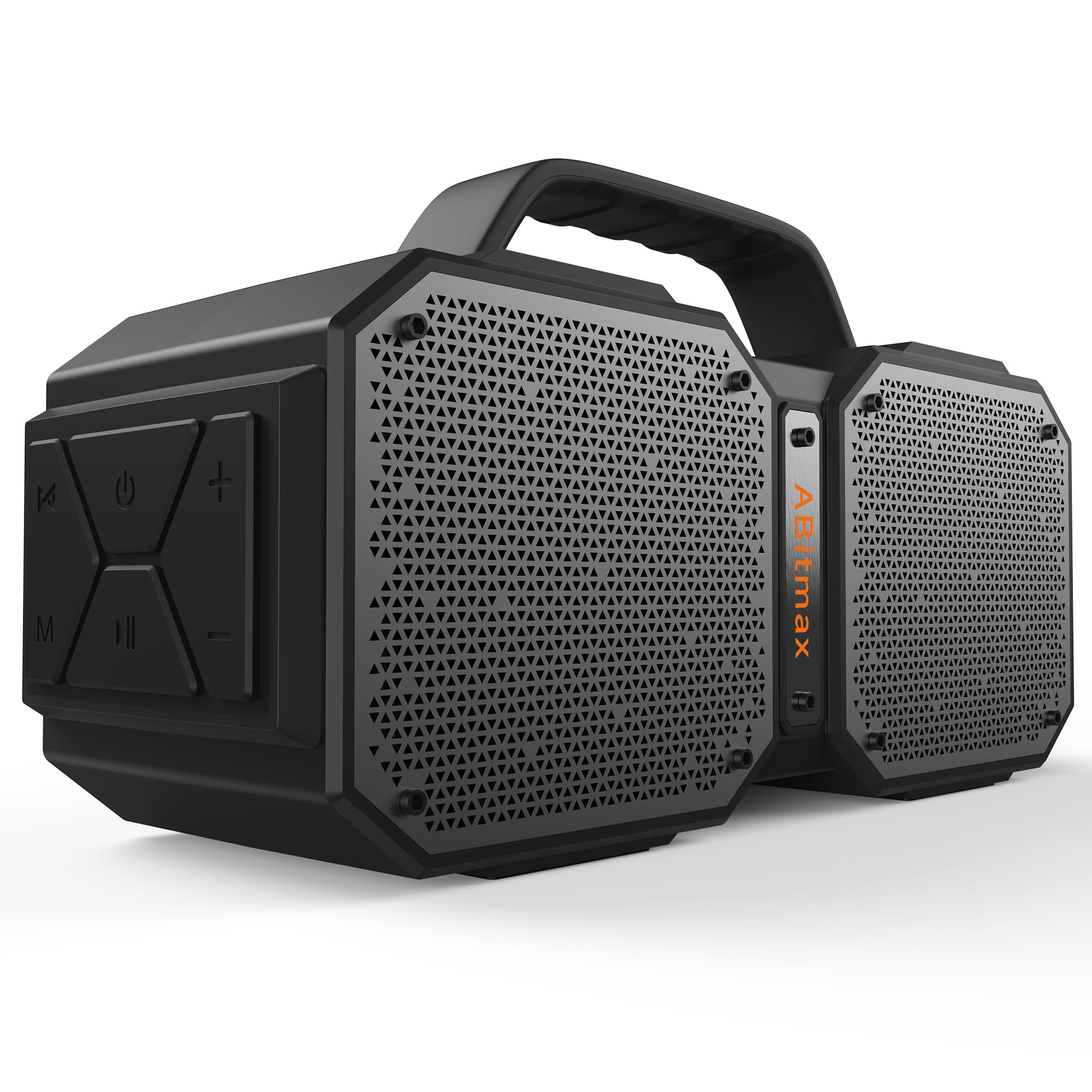
If you love music where the kick drum, bass guitar, and low synth notes carry the song, a regular small speaker can leave you disappointed. Bass needs air movement, cabinet size, and careful tuning, and those needs are easy to misunderstand on a first purchase. This guide explains the best bluetooth speakers for bass lovers in plain language, starting with basics and ending with a simple checklist, and the comparison table below gives you a quick way to compare sizes and prices.
You do not need technical training to choose well. You only need to know which specs actually predict low end strength and which claims are just marketing. The sections below build that knowledge step by step.





Bluetooth Speakers 101: The Basics
A Bluetooth speaker receives audio wirelessly from your phone, tablet, or computer and plays it through one or more drivers inside a cabinet. A driver is the part that moves to create sound. Larger drivers and extra passive radiators, which are unpowered membranes that move with air pressure, usually help a speaker produce deeper bass.
Bass is the low frequency part of music, roughly the deep notes you feel as much as hear. A small speaker can make bass sound louder by boosting it, but it cannot truly reproduce the lowest notes if the driver and cabinet are too small. That is why size is the first honest clue. Keep that in mind whenever a tiny model promises huge bass.
Key Specs Explained in Plain English
Specs look technical, but each one answers a simple buying question. Read them with your music and room in mind, not as abstract numbers.
Features That Matter for Bass Lovers
Bass lovers need driver size, cabinet volume, and radiator design more than extra smart features. As a starting point, look for a main driver of at least 3 inches in a home model or dual radiators in a portable model. A frequency response that reaches near 50 to 60 Hz suggests useful low end for most popular music.
Also look for a bass mode or equalizer you can reduce, not only increase. Rooms with walls close behind the speaker already boost bass, so control matters. If you listen outdoors, you will need more power because open air gives no wall support. For outdoor focused options, see our guide to the best outdoor bluetooth speakers with bass and note the larger sizes in that group.
Sound Quality and Tuning
Tuning is how the maker voices the speaker. Bass heavy tuning lifts low notes for impact, while neutral tuning keeps vocals and instruments more balanced. For bass lovers, the sweet spot is strong but controlled bass that does not cover the singer or blur fast drum patterns. If bass sounds like a single thump on every song, tuning or size is limiting you.
Practical tip: test with three tracks you know well, one with acoustic bass, one with electronic bass, and one with a clear vocal. A good speaker keeps all three distinct. An app equalizer helps you fine tune after placement, so prefer models that let you lower bass in a small room.
Size and Weight
For speakers, comfort means how easily the speaker fits your life. A larger bass capable model may weigh several pounds and suit a shelf or patio table, while a compact model fits a backpack but gives up low end depth. Decide honestly where you will use it most, because carrying a heavy speaker you leave at home is wasted effort.
Check handle design, button placement, and whether the speaker stands stable on its base. Rubber feet help reduce vibration on a shelf. If space is tight but bass still matters, see our guide to the best small bluetooth speakers with bass for the trade offs of compact cabinets.
Microphone Quality
Microphone quality does not affect bass, but it affects daily value if you take calls or use voice controls between songs. A clear microphone array lets you answer a call without reaching for your phone. If calls are rare for you, do not pay extra for advanced microphone systems at the expense of driver size.
Place the speaker away from walls during calls to reduce echo, and keep it within a few feet of your seat. For music only use, you can place it for best bass instead, which is usually near a wall but not tight in a corner unless you want maximum boost.
Placement and Room Size (for Speakers)
Placement changes bass more than many buyers expect. A speaker near a wall gains bass support, a speaker in a corner gains even more, and a speaker in the middle of a room sounds leaner. Start about 6 to 12 inches from a wall, listen, then move it a few inches at a time until bass feels full without sounding boomy.
Room size matters too. A medium portable speaker can fill a bedroom, but a large living room or outdoor patio needs a bigger cabinet or a stereo pair. If you want wireless freedom with stronger low end, see our guide to the best wireless bluetooth speakers with bass for pairing and range notes.
Battery Life and Charging
Strong bass uses more power, so play time drops when you listen loud with bass boost on. Most portable models claim about 12 to 24 hours at moderate volume, but expect notably less during a loud outdoor session. USB C charging is the most convenient standard, and a model that can play while charging suits home use.
Plan your purchase around your longest typical session. If you host afternoon gatherings, choose longer battery life over a slightly smaller size. Keep a cable in the room where you charge most often, so the speaker is ready without a search before guests arrive.
Rookie Mistakes to Avoid
- Buying the smallest speaker and expecting deep bass. Physics limits what a tiny cabinet can do, no matter the marketing.
- Judging bass only by loudness in a store demo. Loud bass that distorts will tire your ears at home.
- Placing the speaker in a corner and then blaming the speaker for boomy sound. Move it out and listen again first.
- Using maximum bass boost at maximum volume for long periods. That combination strains drivers and drains the battery fast.
- Ignoring an auxiliary input or equalizer. Both give you control when you change rooms or music styles.
Each mistake is easy to avoid once you know it. Slow down, check size and controls, and think about your room before you pay. For portable use with stronger low end, see our guide to the best portable bass bluetooth speakers and compare weight against battery life.
Getting Started: Setup and First Use
Charge the speaker fully before your first long session. Pair it with your phone following the maker instructions, then update firmware through the companion app if one is offered. Firmware updates can improve Bluetooth stability and sometimes refine tuning, so do this step on day one rather than months later.
Place the speaker on a solid surface at about ear height when seated, start with flat equalizer settings, and play familiar music at moderate volume. Adjust placement before you adjust the equalizer. Store the speaker in a case or on a stable shelf to protect the drivers, and keep the charging port clean and dry.
If deep bass is your top priority and portable models feel limited, a model with a dedicated subwoofer design may suit you better. See our guide to the best bluetooth speakers with subwoofer for bass to understand when that extra low end hardware is worth the size.
Bluetooth Speakers: Your Questions Answered
What features matter most in bluetooth speakers for bass lovers?
Driver size, cabinet volume, and controlled tuning matter most for bass lovers. Together they decide whether low notes feel deep and distinct or loud and blurred. Look for radiators or a larger driver, an equalizer you can adjust both ways, and enough power for your room without constant distortion at your normal volume.
Do I need a special codec?
No special codec is required for strong bass, because codecs mainly affect clarity and efficiency. AAC works well with Apple phones and SBC works with almost everything. Bass depth comes from hardware and tuning, so spend your attention and budget there first, then treat codec support as a secondary plus.
Wired or wireless: which sounds better?
Wired can sound slightly cleaner, but wireless gives you placement freedom that often improves bass more in real rooms. You can move a wireless speaker to the spot where bass sounds best without cable limits. For most listeners, that placement advantage outweighs the small compression difference of Bluetooth.
What IP rating do I need for outdoor use?
IP67 is ideal for outdoor bass listening because it protects against dust and brief water exposure during rain or poolside use. IPX5 handles splashes for a patio, but bring the speaker inside afterward. Bass sounds weaker outdoors, so an outdoor model also needs extra power, not only protection.
How long does the battery last?
Expect about 12 to 24 hours at moderate volume, and much less at loud volume with bass boost active. Bass heavy play is the most demanding use for a portable speaker. If you plan long outdoor sessions, choose the longest battery rating in your size class and carry a charging cable.
Our Verdict
Start with cabinet and driver size, then check tuning control and battery life for your longest session. Place the speaker thoughtfully before you judge its bass, because position can transform the result. Compare your finalists in the product table above, and you will choose the best bluetooth speakers for bass lovers with realistic expectations and music that finally has the weight you wanted.


