
Best Bluetooth Speakers for Apple Products: Types Compared and How to Choose for 2026
Disclosure: We may earn a commission when you buy through links on this page, at no extra cost to you. As an Amazon Associate I earn from qualifying purchases. Learn more

Compare the best bluetooth speakers for apple products by type, sound, battery life, and Apple friendly features with this clear buying guide and checklist.
Choosing a speaker for an iPhone, iPad, or Mac can feel confusing because portable, home, and specialty models all promise great sound. This guide compares each type in plain language so you can match the speaker to your room, your travel habits, and your budget. You will find the best bluetooth speakers for apple products explained by use case, not by hype, with the comparison table below to help you narrow your short list.
Apple devices pair easily with most modern Bluetooth speakers, yet small details still matter. Support for the AAC codec, stable Bluetooth 5.3 connections, and simple controls can make daily use smoother. The sections that follow walk through those details step by step.

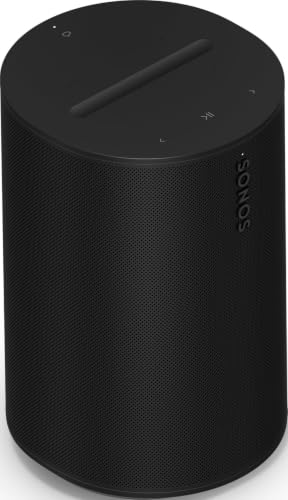


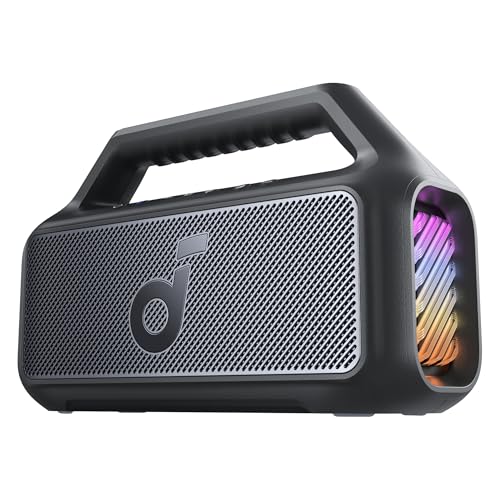





Types of Bluetooth Speakers Compared
Start with type, because type decides size, power needs, and where the speaker will sound its best. A tiny portable model that suits a hotel room will struggle to fill a living room, while a larger home model may be wasted on a desk. Price also follows type, with portable models often around $50 to $150, home models around $100 to $300, and larger premium designs above that range. Think first about where you will listen most often.
Wireless and Bluetooth Models
Portable wireless models are built for movement. They run on a rechargeable battery, connect without cables, and often include a water resistance rating such as IP67 for use near a pool or in a bathroom. Their drivers are smaller, so bass is modest, but clarity for podcasts, playlists, and video is usually strong for their size.
Choose this type if you move between rooms, travel often, or want one speaker for both home and outdoor use. Look for at least 12 hours of battery life, USB C charging, and multipoint pairing if you switch between an iPhone and a Mac during the day. A carry loop or flat shape that fits a bag is a practical bonus.
Home and Bookshelf Models
Home and bookshelf models stay in one place and plug into wall power. Without a battery to fit inside, they can use larger drivers and a bigger cabinet, which usually means fuller bass, wider stereo separation when you use a pair, and a more natural sound for music and film. Many also add WiFi streaming or an auxiliary input for a television or record player.
Choose this type if most listening happens in one room and sound quality matters more than portability. Measure your shelf depth before you buy, leave a few inches behind the speaker for air flow if the design has a rear port, and plan for a pair if you want true stereo. A remote or clear top controls helps when the speaker sits out of easy reach.
Noise Cancelling Models
Speakers do not cancel noise the way headphones do, but some models include smart microphone systems and sound processing that reduce background noise during calls and voice commands. Others focus on clear voice pickup in a busy kitchen or office. This category matters most if you plan to use the speaker for calls, meetings, or voice assistant tasks in a noisy space.
Choose this type if call clarity is a priority and your room has echo or competing sounds from appliances or other people. Test microphone placement in the store description, look for multiple microphones and echo reduction, and remember that no processing can fully fix a very loud room. For pure music listening, spend the same money on larger drivers instead.
Wireless and Bluetooth Models vs Home and Bookshelf Models: Which Should You Choose?
Compare the two main types on five points. For portability, portable models win because they are light and battery powered. For sound size, home models win because larger drivers move more air. For outdoor use, portable models with IP67 protection are safer. For daily convenience, home models win if you dislike charging, while portable models win if you move rooms often.
Your Apple setup can tip the choice. If you listen on an iPhone while cooking, cleaning, and working outside, go portable. If you listen on a Mac or Apple TV in one room most evenings, go with a home model. Many households end up happiest with one of each, starting with the type that covers the most hours of listening.
If you are also comparing wired and WiFi options for the same room, see our guide to the best speakers for apple products for broader context on placement and inputs.
How to Choose the Right Bluetooth Speaker
Once you know the type, compare the details that affect daily use. The five points below matter more than long feature lists. Use them in order, and cross off any model that fails the point that matters most to you.
Microphone Quality
A good microphone makes calls and voice commands feel effortless. Look for more than one microphone, clear voice pickup from about 6 to 10 feet, and processing that reduces echo in hard surfaced rooms. If you take work calls, place the speaker near your usual seat and away from a television or fan that could compete with your voice.
Practical tip: after setup, record a short voice memo while standing in your normal spot. Play it back on your iPhone. If your voice sounds thin or distant, move the speaker closer or higher before you decide the microphone is weak. Small placement changes often fix call quality.
Noise Cancellation and Isolation
For speakers, isolation is mostly about placement and volume rather than a special chip. A speaker placed on a solid shelf away from walls will sound cleaner than one tucked in a corner where bass builds up. During calls, microphone processing that focuses on voices helps more than any claim about cancelling room noise.
If your office is noisy, close the door, lower other audio sources, and keep the speaker within arm reach during calls. Those habits improve clarity more than paying extra for processing you may not need for music. Save that budget for battery life or driver quality if calls are rare.
Features That Matter for Apple Products
Apple devices use the AAC codec over Bluetooth, so a speaker that supports AAC will usually deliver clean and efficient sound from an iPhone or Mac. Bluetooth 5.3 or newer gives a more stable link and better range through walls. Easy pairing, remembered devices, and multipoint support also matter if you own several Apple products.
Check that controls work well with iOS volume and that the speaker reconnects automatically when you open your iPhone nearby. If you use Siri, confirm voice assistant access is simple to enable or disable. For a focused look at Apple pairing, see our guide to the best apple bluetooth speakers and compare pairing notes side by side.
Battery Life and Charging
Portable models commonly offer about 10 to 24 hours of play at moderate volume, and loud outdoor use shortens that time. USB C charging is now the most convenient choice because the same cable can charge your iPhone accessories and travel gear. Fast charging that adds several hours from a short plug in session helps on travel days.
Home models skip this concern because they use wall power. If you choose a portable model, develop a simple habit: charge it after any long session and store it at a partial charge if you will not use it for weeks. That habit helps the battery age more slowly and keeps the speaker ready.
Sound Quality and Tuning
Sound quality comes from driver size, cabinet design, and tuning. Larger drivers and passive radiators usually give deeper bass, while a clear midrange matters most for voices in podcasts and film dialogue. Frequency response numbers alone do not tell the whole story, so look for an app equalizer or simple bass and treble controls to adjust the sound to your room.
Think about what you play most. Dance and hip hop benefit from stronger bass, while acoustic music and spoken word benefit from neutral tuning. If you value overall clarity across genres, see our guide to the best quality bluetooth speakers for more on tuning and driver trade offs.
Care and Maintenance Tips
Keep firmware updated through the companion app so pairing and codec support stay current. Store a portable speaker in a soft case to protect the drivers and finish during travel. Wipe grilles with a dry or slightly damp cloth, keep charging ports free of dust, and avoid leaving any speaker in a hot car or in direct sun for long periods.
For outdoor use, rinse off dust or sand only if the IP rating allows it, then dry the speaker fully before charging. If you plan regular garden or patio listening, see our guide to the best bluetooth speakers for outside for durability points to check. Simple care keeps sound clear and buttons responsive for years.
Bluetooth Speakers: Your Questions Answered
What features matter most in bluetooth speakers for apple products?
AAC codec support, Bluetooth 5.3, and reliable auto reconnect matter most for Apple devices. Together they give clean sound and a stable link when you move between rooms. Add battery life above 12 hours for portable use and an equalizer in the app so you can adjust bass for small rooms without buying a second speaker.
Is ANC worth the extra cost?
For speakers, extra cost for noise processing is worth it only if you take frequent calls in noisy rooms. The processing helps microphones focus on your voice, but it does not silence the room for music listening. If you mostly play music, put that money toward larger drivers or longer battery life instead.
Do I need a special codec?
You do not need a special codec, but AAC support is a clear plus with Apple devices. AAC is the codec your iPhone uses by default, so matching it avoids extra conversion and keeps sound efficient. SBC will still work fine, yet AAC models often sound a touch cleaner at the same volume.
How long does the battery last?
Most portable models last about 10 to 24 hours at moderate volume on one charge. Louder volume, strong bass, and cold weather all shorten that time. A useful check is to look for play time stated at about half volume, then expect less during a full day outdoors at higher volume.
What IP rating do I need for outdoor use?
IP67 is a strong choice for outdoor use because it covers dust protection and brief immersion in water. IPX5 or IPX6 handles rain and splashes for patio use, but you should still bring the speaker inside after use. Always dry the charging port fully before you plug in a cable.
Wired or wireless: which sounds better?
A wired or WiFi connection can sound slightly cleaner because it avoids Bluetooth compression. In daily use, a well tuned Bluetooth speaker with AAC support sounds very close for most music and video. Choose wireless for convenience and placement freedom, and choose wired inputs when the speaker will stay beside a television or desk.
Our Verdict
Match the type to your main room and routine first, then check AAC support, battery life, and driver size in that order. Portable models suit flexible and outdoor listening, while home models reward you with bigger sound in one place. Review the product table above to compare those points quickly, and you will land on the best bluetooth speakers for apple products for your own Apple setup with confidence.


