
Best Bluetooth Soundbar Speakers in 2026: Which Type Is Right for You?
Disclosure: We may earn a commission when you buy through links on this page, at no extra cost to you. As an Amazon Associate I earn from qualifying purchases. Learn more

Compare the best bluetooth soundbar speakers by type, with clear guidance on channels, subwoofers, HDMI ARC, room size, and price to fit your TV setup.
TV speakers keep getting thinner and weaker, so dialogue drowns under music and effects while phone streaming happens on a separate speaker across the room. A soundbar fixes both jobs at once, yet the range of types confuses buyers fast: compact bars, bars with wireless subwoofers, surround sets, and premium Atmos models all promise more. Choosing the best bluetooth soundbar speakers for your room starts with the type, not the brand, because type decides bass, clarity, wiring, and price more than any single feature.
This guide compares each soundbar type by who it suits, what it does well, and where it falls short. Start with the comparison table below, match a type to your room size and viewing habits, then use the buying checks on channels, connections, and placement to confirm your pick before you spend.





Types of Bluetooth Soundbar Speakers Compared
Four types cover nearly every living room and bedroom. Prices below are typical US ranges for each type as a whole, not promises about a single model. Read across the strengths and limits, then read the detailed notes under each heading, because a type that suits a small apartment can disappoint badly in a large open plan room.
Compact Single Bars
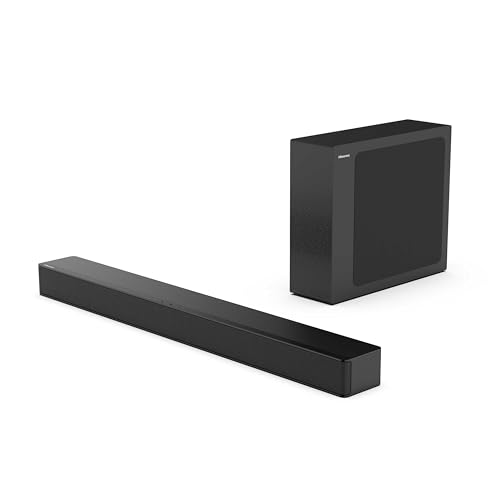
A compact single bar holds all its drivers in one slim cabinet, usually 2.0 or 2.1 channels simulated through processing, and connects by HDMI ARC or optical plus Bluetooth for music. Strengths are price, usually about $60 to $150, tiny footprint, and setup that takes minutes. Dialogue clarity improves a lot over TV speakers, which is the main reason to buy one. The limit is bass and width: action films feel polite, and small rooms suit these bars best. Choose this type for bedrooms, dorms, kitchens, and anyone whose priority is hearing speech clearly at modest volume.
Bars With a Wireless Subwoofer
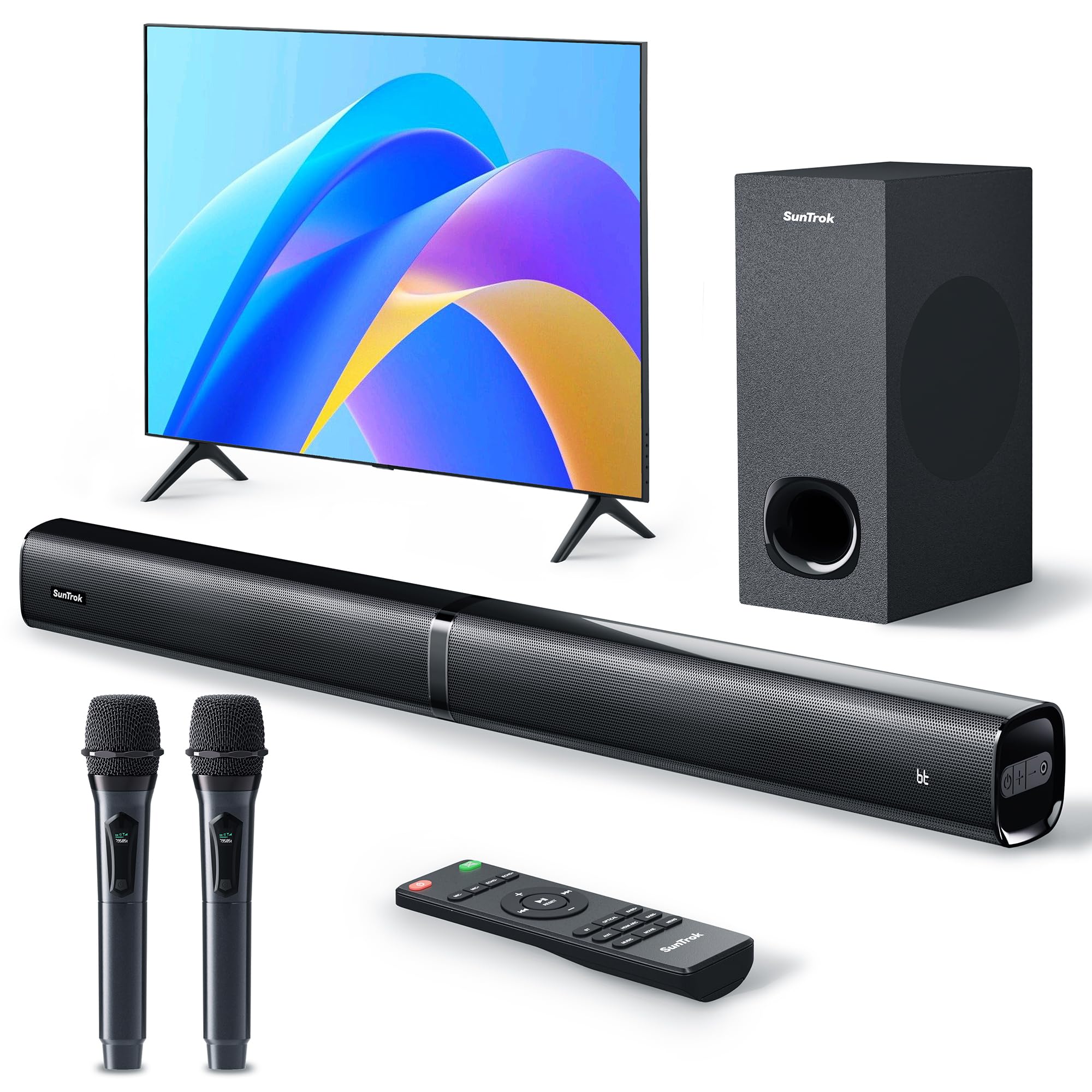
This type pairs a main bar with a separate wireless subwoofer, giving true 2.1 sound where the sub handles low notes the bar cannot reach. Typical prices run about $150 to $350. The gain is real movie weight: explosions rumble, music gains body, and dialogue stays clear because the bar no longer strains to fake bass. Placement is flexible since the sub links wirelessly and only needs an outlet, though corners can boom. Choose this type for most living rooms and mixed use, where films, sport, and music all matter and you have floor space beside a sofa or cabinet.
Surround Sets With Wireless Rear Speakers
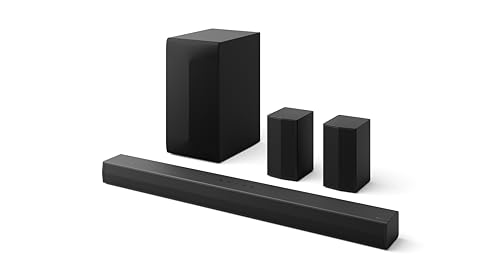
Surround sets add two small rear speakers to a bar and subwoofer for true 5.1 style sound that wraps effects around your seat. Typical prices run about $300 to $700. Strengths are immersion and placement of sounds, which transform films and games once rear speakers sit at ear level behind or beside the sofa. The trade offs are cost, more boxes to place, and rear speakers that still need power outlets. Choose this type for a dedicated viewing room with a fixed sofa position, and skip it if seating moves often or outlets sit far from where rears belong.
Premium Atmos Bars
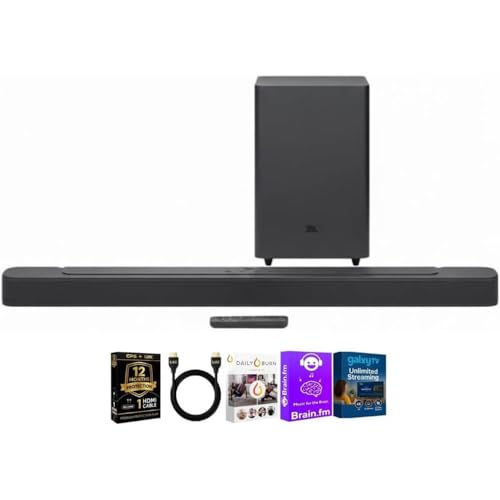
Premium bars add upward firing drivers and height processing for Dolby Atmos style overhead effects, often with more total power, room tuning, and richer streaming features. Typical prices run about $500 to $1,200, sometimes with the subwoofer sold as part of the set. Strengths are scale, clarity at high volume, and height effects in rooms with flat ceilings at moderate height. Limits are price and ceiling dependence, since vaulted or very high ceilings weaken the bounce effect. Choose this type for a main home theater where films are the priority and the room shape supports it.
Compact Bars vs Subwoofer Bars: Which Should You Choose?
These two types compete for most buyers, so compare them directly. On dialogue, both beat TV speakers, with the subwoofer set slightly clearer because its bar works less hard. On bass, the subwoofer set wins clearly for films and music. On space, the compact bar wins, needing only the shelf in front of the TV. On price, compact bars cost roughly half as much. On music by Bluetooth, the subwoofer set sounds fuller at gatherings, while the compact bar suits podcasts and background listening.
Choose the compact bar if your room is small, your viewing is mostly news, series, and sport at moderate volume, or your budget is tight. Choose the subwoofer bar if films anchor your weekends, your room is medium or large, or you host music often. If you are torn, the subwoofer type is the safer long term pick, because bass is the upgrade owners say they would miss most, a pattern that also shows up across the broader options in our best soundbar speakers guide.
How to Choose the Right Bluetooth Soundbar Speaker
Once the type is set, four checks separate a satisfying bar from a return. Work through sound tuning, connection method, and room fit in order, and write down your TV output options before shopping, since connection mismatches cause most setup frustration.
Smart Platform and Sound
Soundbars are not smart TVs, but many add WiFi streaming, voice assistant support, or app control on top of Bluetooth. Decide whether Bluetooth from your phone is enough, which it is for most buyers, or whether you want direct streaming that keeps playing when your phone leaves the room. For sound itself, look for a clear dialogue or voice mode, a night mode that tames loud effects, and tone controls you can reach from the remote. These everyday tools matter more than long codec lists, and they help every type of content you watch.
Dialogue Clarity and Lip Sync
Clear speech is the top reason households buy a soundbar, so test for it in specs and settings: a dedicated center channel or strong voice mode, plus adjustable dialogue level on better models. Lip sync matters too, because Bluetooth is for music from your phone, not for TV sound, where delay can drift voices away from mouths. Use HDMI ARC, eARC, or optical for TV audio, which keeps sound and picture aligned, and keep any audio delay setting in mind if your TV offers one. This single wiring choice prevents the most common soundbar complaint.
Connectivity and Ports
HDMI ARC or eARC is the first choice for TV connection, because it lets the TV remote control bar volume and powers the bar with the TV on many setups. Optical is a fine fallback for older TVs, while a 3.5 mm input suits small desktop use. Bluetooth version matters less here, though 5.0 or newer gives steadier phone streaming from another room. Check for an HDMI input if you own a games console you want to pass through the bar. For a wider view of Bluetooth audio quality across speaker types, see our best quality bluetooth speakers guide.
Channels and Driver Layout
Channel numbers describe layout: 2.0 is left and right, 2.1 adds a subwoofer, 5.1 adds a center and rears, and numbers with a final .2 or .4 add height drivers. More channels help only when your room and seating let you place them well. A strong 2.1 set beats a weak 5.1 set with rears stranded on a shelf. Driver size and cabinet build shape tone, with wood or rigid cabinets usually sounding warmer than thin plastic. Match the layout to your room first, then compare power ratings as a rough guide to how loudly a bar plays without strain in larger spaces.
Setup and Care Tips
Good setup is free performance. Place the bar centered under the TV, close to the front edge of its shelf so sound does not bounce off the surface, and keep nothing blocking its ends where side drivers fire. Put the subwoofer on the floor near a wall, then move it a foot at a time until bass sounds even at your seat rather than boomy. Use the HDMI ARC input for TV sound and save Bluetooth for phones and tablets.
- Turn off any TV speaker output once the bar works, so the two do not play together and blur dialogue.
- Run the maker room tuning or channel level setup if your model offers it, then fine tune the subwoofer level by ear with a film scene you know.
- Dust the bar grille and subwoofer with a soft dry cloth, and keep vents clear so amplifiers stay cool.
- Update firmware when the maker app offers it, since updates often fix HDMI handshake and Bluetooth pairing issues.
- Keep spare batteries for the remote, and photograph your input settings so a power cut or a curious guest cannot undo your setup for long.
Bluetooth Soundbar Speakers: Your Questions Answered
What size bluetooth soundbar should I get for my room?
Match bar width roughly to your TV width for looks, then size power and type to the room. Small rooms under about 150 square feet suit compact bars, medium rooms suit subwoofer sets, and large or open plan rooms benefit from surround or premium bars with more output. A bar much narrower than the TV still sounds fine, because driver layout matters more than cabinet width, so never reject a strong smaller bar on size alone.
Should I use Bluetooth or HDMI for TV sound on a soundbar?
Use HDMI ARC or eARC for TV sound, and save Bluetooth for music from phones and tablets. HDMI keeps voices in sync with the picture, carries higher quality audio, and lets one remote control volume. Bluetooth can add delay that makes dialogue drift, and some TVs limit Bluetooth volume control. The only exception is a quick casual watch where setup speed beats polish, and even then most owners switch back to HDMI within a day.
Do I need a subwoofer with a bluetooth soundbar?
You need a subwoofer if films, games, or full range music matter in a medium or large room, because no slim bar reproduces deep bass on its own. You can skip it for a bedroom, a small apartment with thin walls, or viewing that is mostly news and dialogue shows. Many bars let you add a matching subwoofer later, so check upgrade paths before buying a compact bar you may outgrow. Neighbors and sleeping children are also fair reasons to choose the calmer setup.
How long do bluetooth soundbar speakers last?
A soundbar commonly lasts six to ten years, because it has no battery to wear out and few moving parts beyond the drivers. The usual failure points are HDMI ports stressed by tight cables, remote controls, and app support aging on smart features. Core sound over HDMI and Bluetooth keeps working even if an app is retired. Support the cables so they do not hang from the ports, keep the bar ventilated, and the hardware should outlast the TV it serves.
Does Bluetooth quality matter for music on a soundbar?
Bluetooth quality matters modestly for music, mainly through connection stability rather than fine detail. A bar with Bluetooth 5.0 or newer holds a link from the kitchen or hallway without dropouts, which is what most listeners notice. Support for AAC helps Apple phones sound their best, while standard SBC still sounds good for casual listening at home volumes. If music is a top priority alongside TV, compare your shortlist with the outdoor and portable options in our best bluetooth speakers for outside guide to decide which speaker style your home actually needs most.
Wrapping Up
Pick the type first: compact for small rooms and dialogue, subwoofer sets for most living rooms, surround for fixed theater seating, and Atmos bars for film first rooms with suitable ceilings. Then connect by HDMI for TV, reserve Bluetooth for phones, and place the subwoofer by ear. The best bluetooth soundbar speakers for your home are the ones that make speech effortless and movie night simple. Compare your type against the product table above, and if a tiny speaker for another room is also on your list, see our best tiny bluetooth speakers guide next.


