
Best Bluetooth Smart Watches 2026: Complete Buying Guide
Disclosure: We may earn a commission when you buy through links on this page, at no extra cost to you. As an Amazon Associate I earn from qualifying purchases. Learn more

Compare Bluetooth smart watches by phone compatibility, notifications, wellness tracking, battery life, and comfort for daily wear and workouts.
A smart watch puts notifications, timers, and wellness tracking on your wrist, so you check your phone less often during the day. The comparison table below compares the main options, so start with your phone system. Best bluetooth smart watches connect to your phone by Bluetooth, and that pairing quality shapes everything from notifications to call handling.
Smart watches are wellness tools, not medical devices, and their readings support general awareness rather than diagnosis. Choose a watch for comfort, battery life, and features you will actually use, not the longest specification list. A watch that feels good and lasts through your day will stay on your wrist, which is what makes its tracking useful.
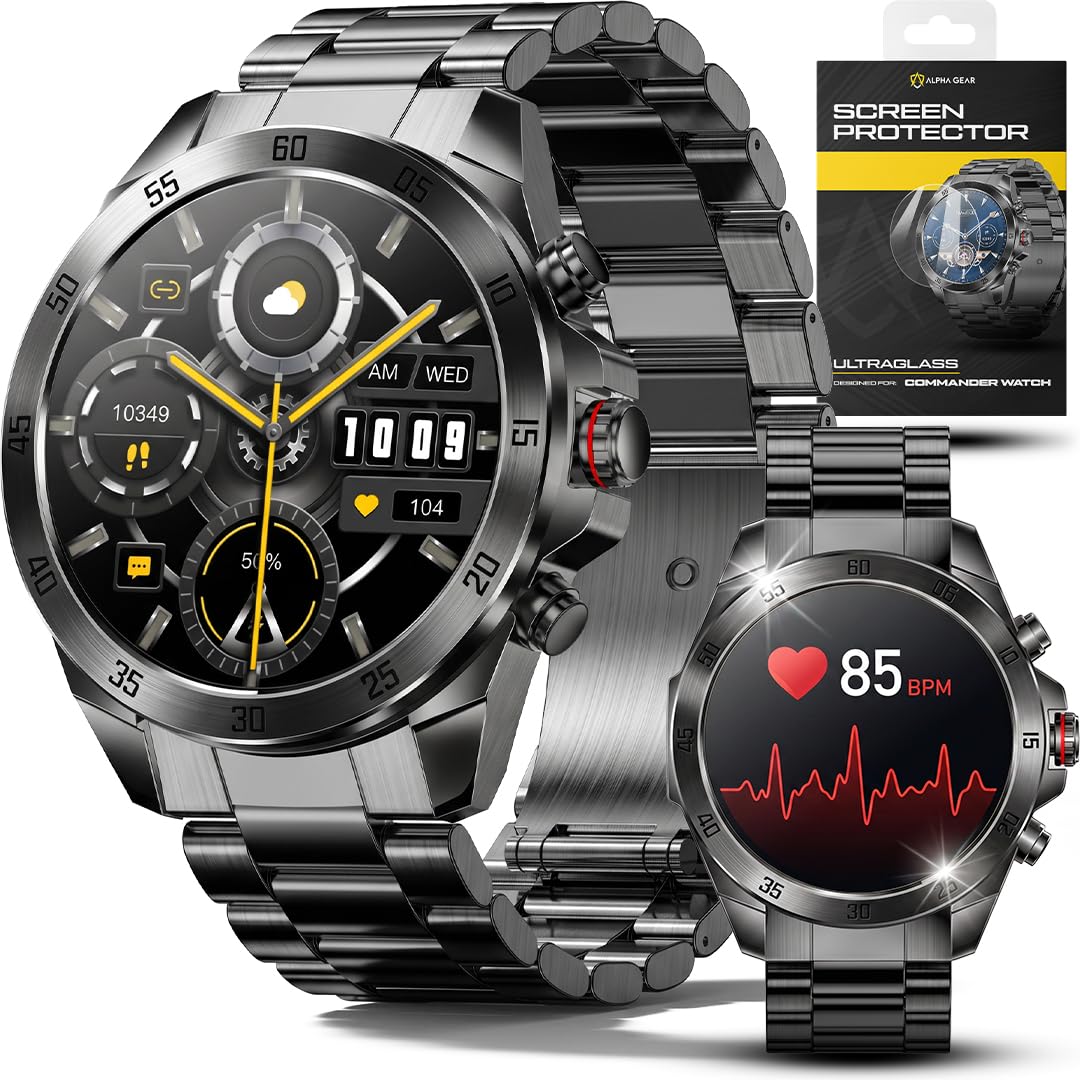

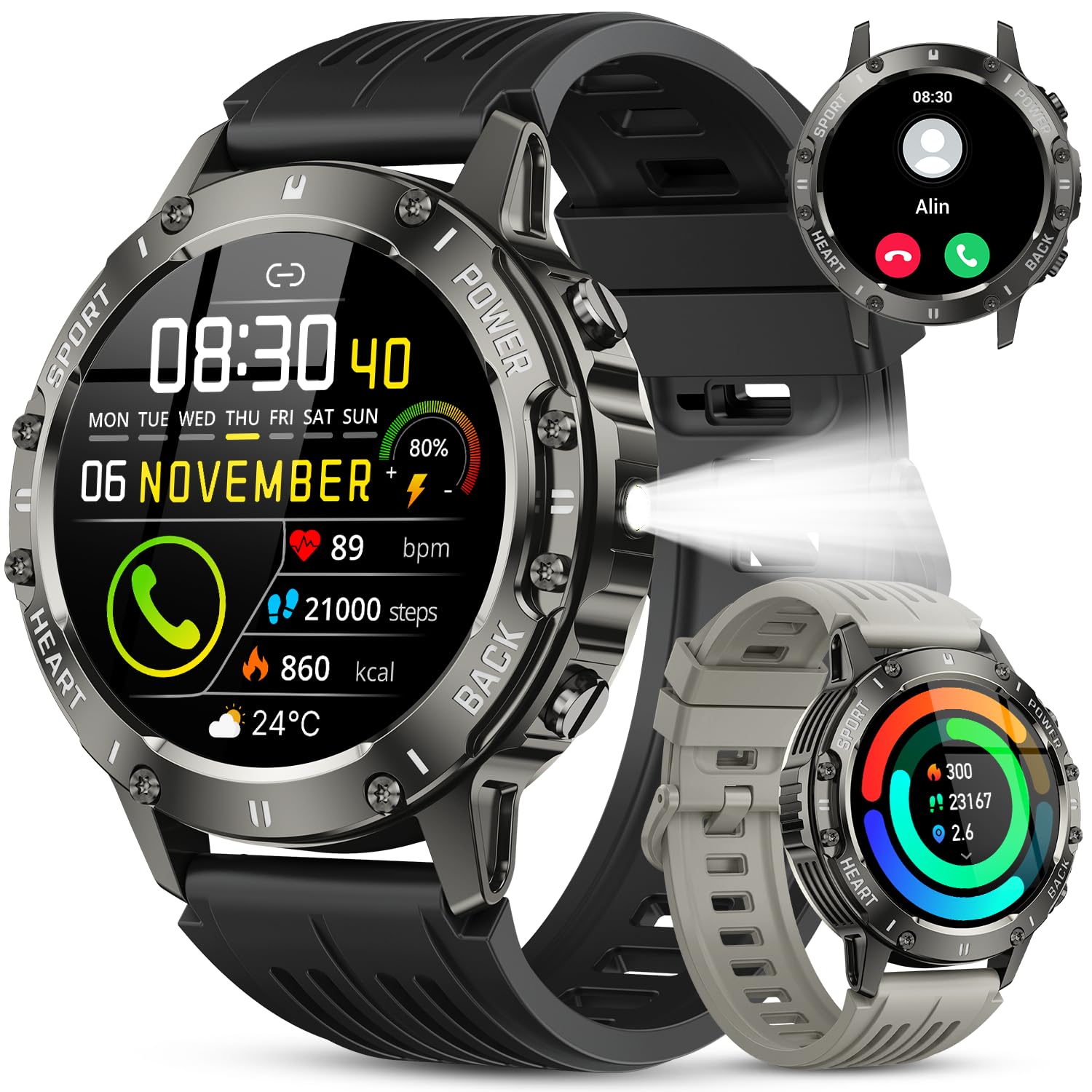
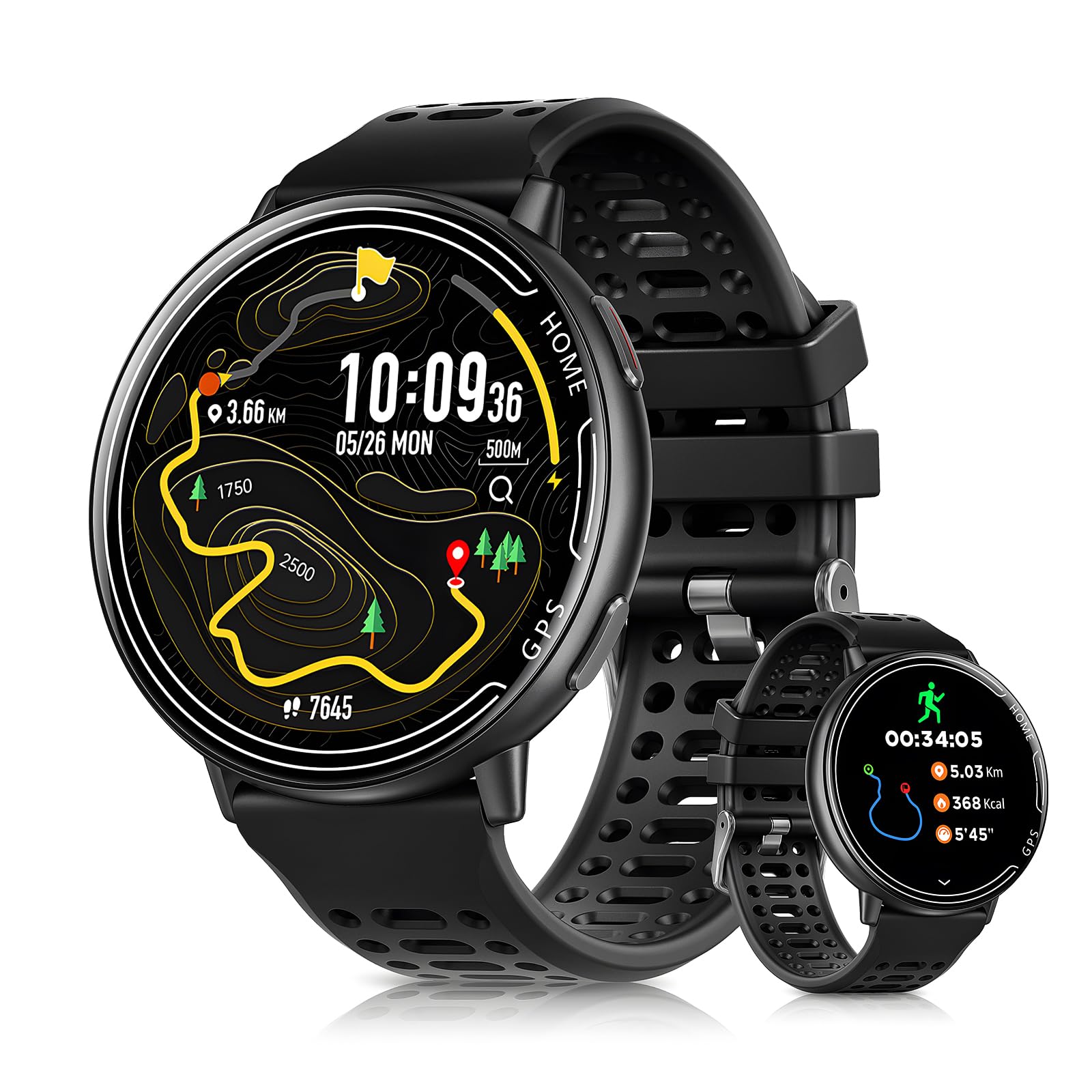
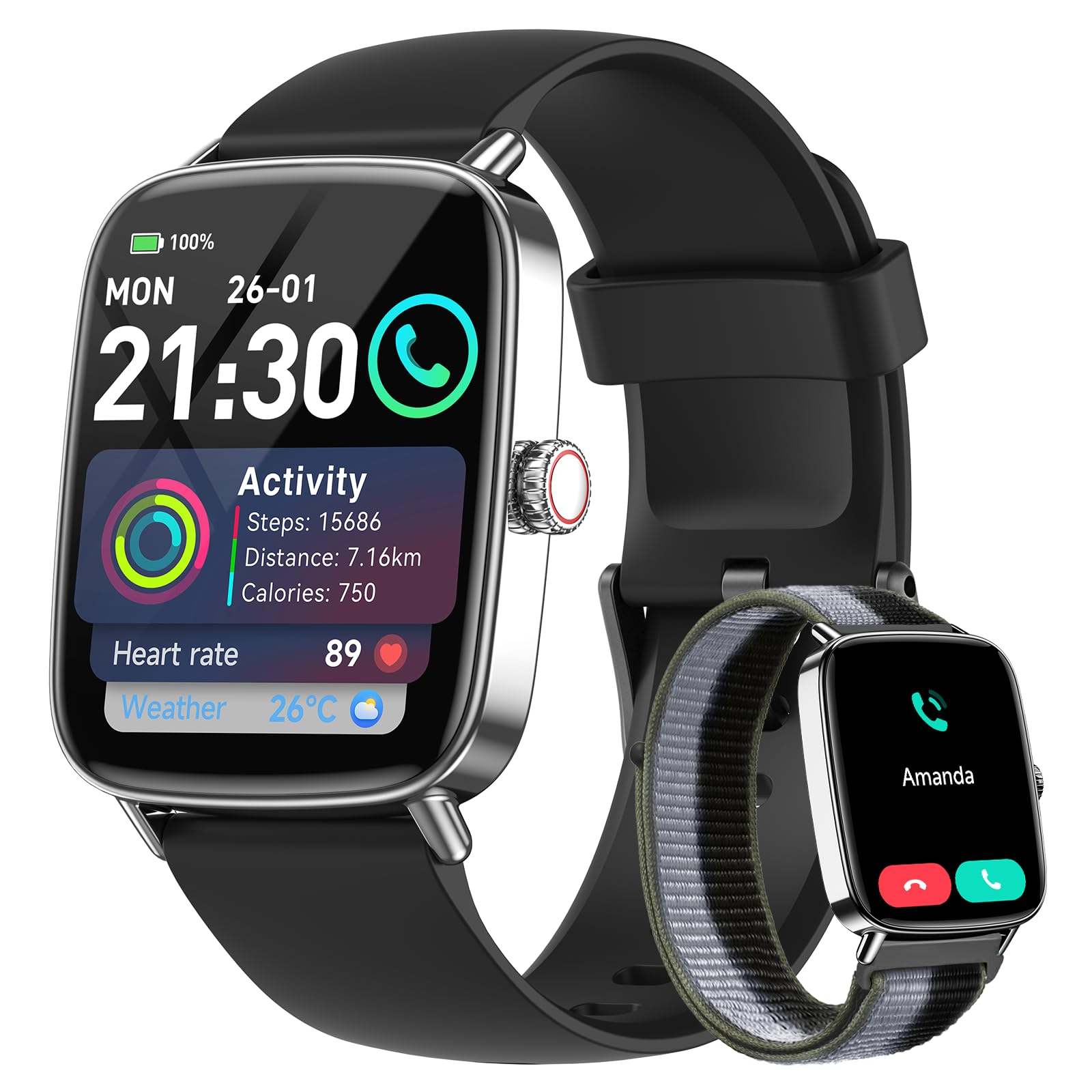


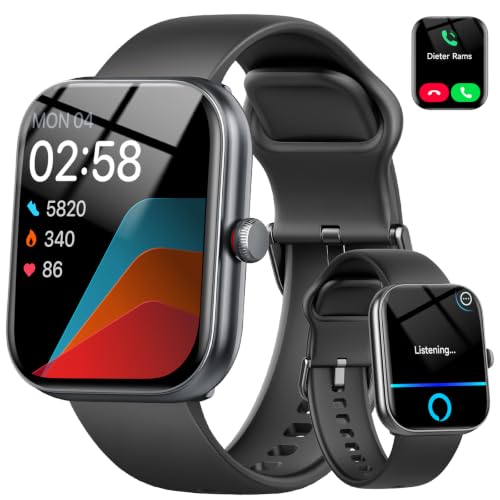
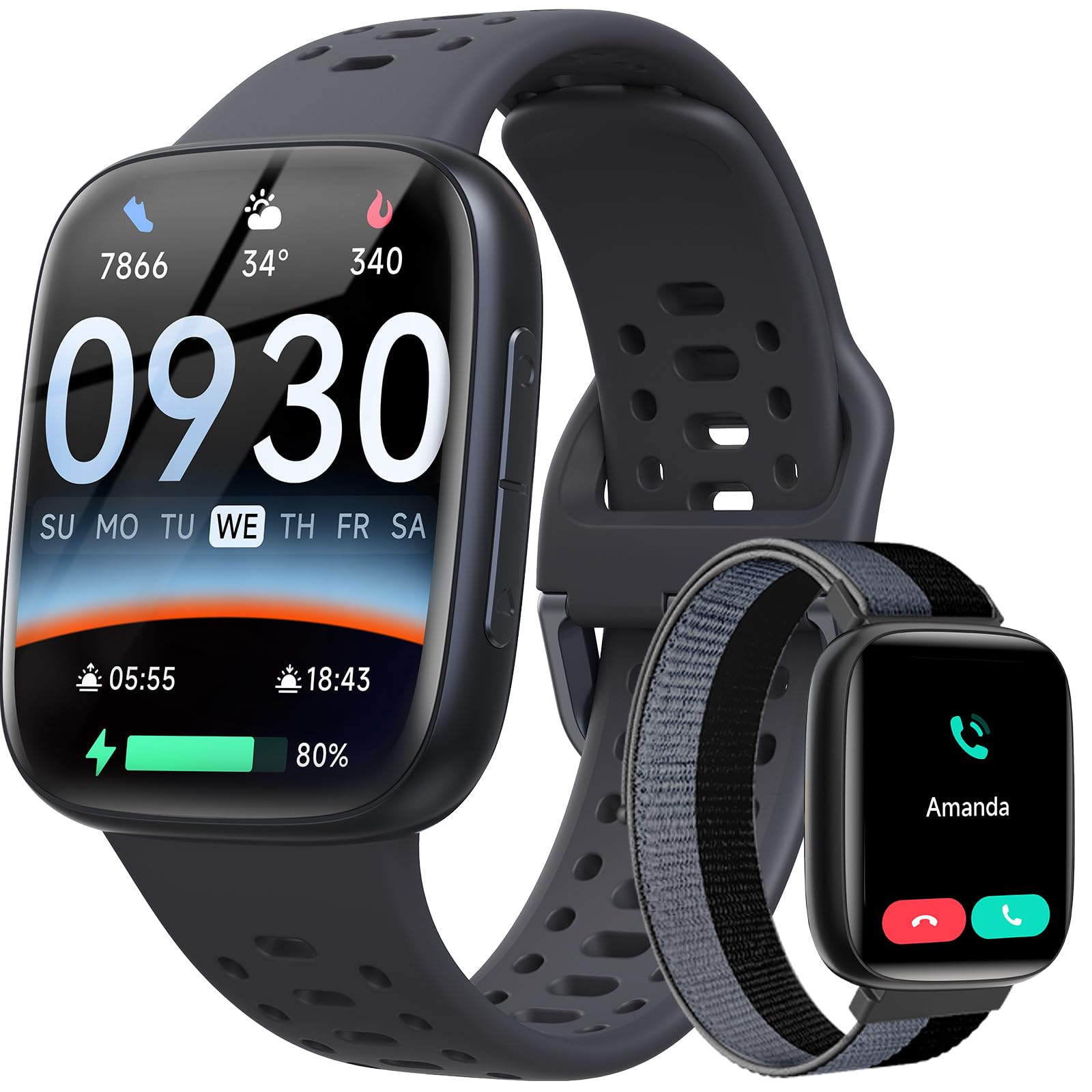
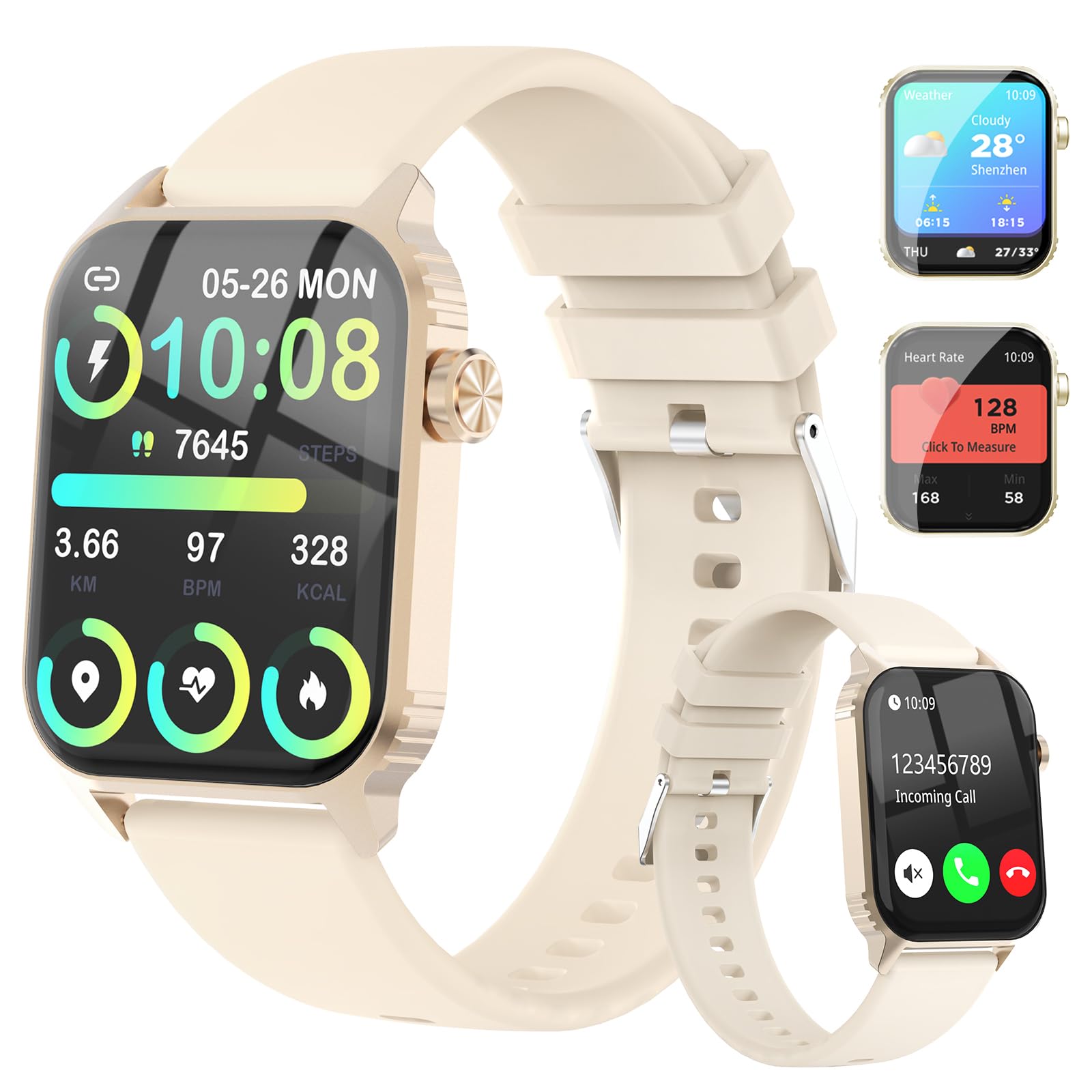
Phone Compatibility and Pairing
Compatibility starts with your phone: some watches pair fully only with the same brand phone, while others work well across Android and iPhone. Check notification support, reply options, and call handling for your exact phone before buying, since those features vary more than marketing suggests. Pairing should be quick and reconnection automatic after charging or distance gaps.
Apps matter too. Check whether the watch companion app runs well on your phone and whether health data syncs to the app you already use. A watch with a clumsy app discourages checking trends, even if the hardware is good. Test pairing and app setup within the return period, when fixes are still easy.
Notifications, Calls, and Daily Convenience
Notifications should be useful, not overwhelming. Look for controls that let you choose which apps alert your wrist, silence hours, and vibration strength. A watch that buzzes for every message quickly becomes a distraction, while well tuned alerts help you catch important messages without pulling out your phone.
Call handling varies: some watches let you answer and talk on the wrist, others only show caller ID. Wrist calls suit short exchanges and hands busy moments, but sound quality suffers in noisy places. Decide whether wrist calling matters to you, or whether notification glanceability is enough for daily life.
Wellness Tracking and Its Limits
Smart watches track steps, heart rate, sleep patterns, and workouts, giving a useful picture of activity and rest over time. Treat those readings as general wellness information, not medical measurements, and talk with your clinician about any persistent unusual readings, chest pain, dizziness, or breathing difficulty. Watches cannot diagnose conditions or replace professional care.
Tracking accuracy depends on fit: a loose watch during workouts gives patchy heart rate data, while a snug fit tracks better. Wear the watch consistently for trends to mean something, since single day readings vary with stress, illness, and activity. Focus on weekly patterns rather than daily numbers for a calmer, more useful view.
Battery Life and Charging Habits
Battery life ranges from a day to several weeks depending on display type, always on settings, GPS use, and notifications. Always on displays and frequent GPS workouts drain batteries fastest. Check realistic battery figures for your usage pattern, not just the maker best case claim.
Charging convenience shapes daily habit: magnetic chargers suit bedside use, while proprietary docks need care when traveling. If you track sleep, a watch that charges in under an hour fits a morning routine better than one needing hours. Plan a charging moment that does not break sleep tracking if that feature matters to you.
Comfort, Bands, and Durability
Comfort decides whether a smart watch stays on your wrist all day. Check case size against your wrist, band material against skin sensitivity, and weight during workouts. Silicone bands suit exercise and sweat, while leather and metal bands suit office wear but need more care.
Water resistance matters for swimmers and rainy commutes, but ratings describe specific conditions, so check what swimming, showering, and button presses underwater are actually supported. Rinse after sea swimming, dry the band, and inspect straps regularly. A comfortable, durable watch with easy band changes adapts to work, workouts, and weekends.
Getting the Most From Your Smart Watch
Wear the watch consistently for at least two weeks before judging its tracking, since trends need baseline data across workdays, weekends, and varied activity. Single day readings mislead through illness, travel, and unusual schedules, while weekly patterns reveal genuine habits. Focus on direction of trends rather than daily numbers for calmer, more useful insights.
Tune notifications during the first week, silencing apps that buzz without value and keeping alerts for messages and calls that truly matter. A watch that alerts constantly becomes a distraction, while a well tuned watch quietly helps you catch important moments. Revisit notification settings monthly as apps and routines change.
Build a charging habit that fits your routine, such as charging during showers or breakfast, so battery anxiety never interrupts tracking or notifications. If you track sleep, choose a charging window that preserves overnight data, such as morning routines rather than bedtime. Consistent charging habits matter more than maximum battery ratings.
A Final Check Before You Order
Before ordering, confirm phone compatibility for notifications, replies, and call handling with your exact phone model, since features vary more than marketing suggests. Check band sizes for your wrist, including options for small and large wrists, and confirm water resistance suits swimming or showering if those matter to you.
Finally, talk with your clinician about any health concerns before relying on watch data, since watches support general wellness awareness rather than diagnosis. Choose comfort and battery life for daily wear, and remember that a watch left in a drawer tracks nothing. Daily wearability outweighs extra sensors you rarely use.
Related guides include best looking smart watches, best bluetooth watches, best smart watches android, best smart phone watches, and best affordable smart watches. They cover style, Android, and budget angles on wrist worn tech.
Frequently Asked Questions
Will a smart watch work with my phone?
Most smart watches work with both Android and iPhone for basic notifications, but advanced features often work best with the same brand phone. Check notification replies, call handling, and app support for your exact phone model before buying. Test pairing, reconnection, and notifications within the return period to confirm full compatibility.
Are smart watch health readings accurate?
Smart watch readings give useful wellness trends for steps, heart rate, and sleep, but they are not medical grade measurements. Fit, movement, and skin tone affect accuracy, so single readings can vary. Use trends over weeks for general awareness, and talk with your clinician about persistent unusual readings or symptoms rather than relying on the watch alone.
How long does a smart watch battery last?
Battery life varies from about a day for feature rich models with always on displays to several weeks for simpler models. GPS workouts, bright displays, and frequent notifications shorten life noticeably. Choose based on your real usage, and favor a model whose charging routine fits your day, especially if you track sleep overnight.
Can I swim with a smart watch?
You can swim with a smart watch only if its water resistance rating supports swimming, since splash resistance alone is not enough. Check the maker guidance for swimming, button use underwater, and care after sea swimming. Rinse with fresh water after swimming, dry the band, and avoid hot showers and saunas unless the maker clearly allows them.
Do I need a data plan for a smart watch?
You do not need a data plan for a standard Bluetooth smart watch, since it connects through your phone. Cellular models with their own plan work independently for calls and streaming without a nearby phone, at extra monthly cost. Most buyers find Bluetooth models sufficient, since the phone is usually nearby during the day.
Final Thoughts
Choose a smart watch that pairs well with your phone, feels comfortable all day, and lasts through your routine without constant charging. Tune notifications to what truly matters, and use wellness data as general guidance alongside professional advice when needed. The product table above compares those daily essentials.
A watch that stays on your wrist, alerts helpfully, and charges painlessly becomes a quiet everyday helper rather than another gadget to manage. That practical fit is the mark of a good best bluetooth smart watches choice.


