
Best Bluetooth Rowing Machine by Budget for 2026
Disclosure: We may earn a commission when you buy through links on this page, at no extra cost to you. As an Amazon Associate I earn from qualifying purchases. Learn more

Use this guide to choose the best bluetooth rowing machine by budget, with clear checks for resistance, console apps, noise, footprint, and weight capacity.
Rowing machines span a huge price range, from simple starter units to connected trainers that rival a gym membership in cost. Knowing where extra money actually improves your workouts saves you from paying for screens and subscriptions you may never use. Choosing the best bluetooth rowing machine for your home comes down to resistance feel, console quality, app support, and how the machine fits your room and your routine.
This guide breaks the market into budget, midrange, and premium tiers and shows what each tier normally delivers. Start with the comparison table below, note the tier that matches your training plans, then use the feature sections to check resistance type, noise, footprint, and weight capacity before you commit.
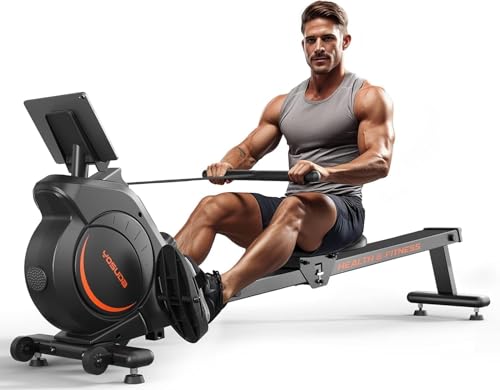

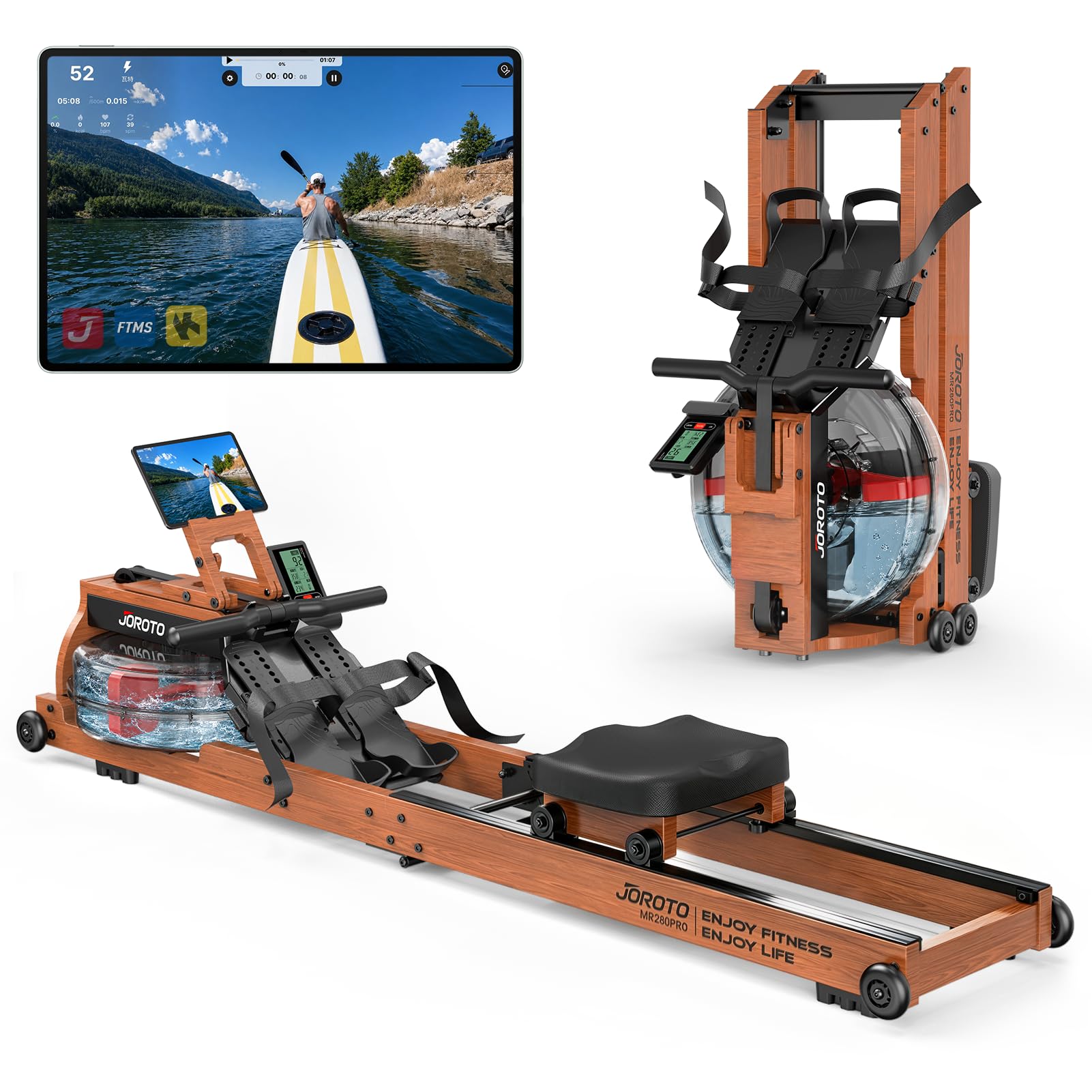


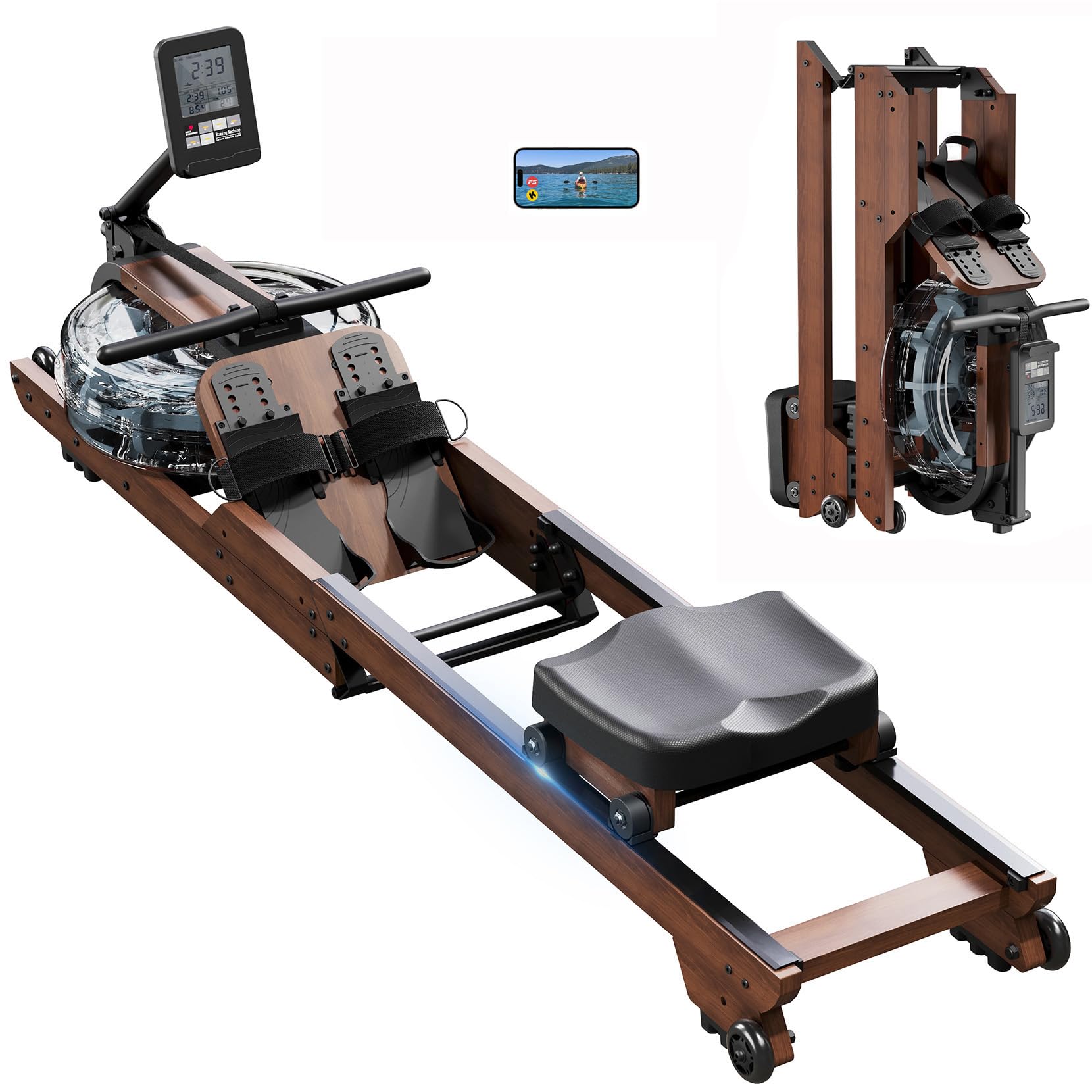
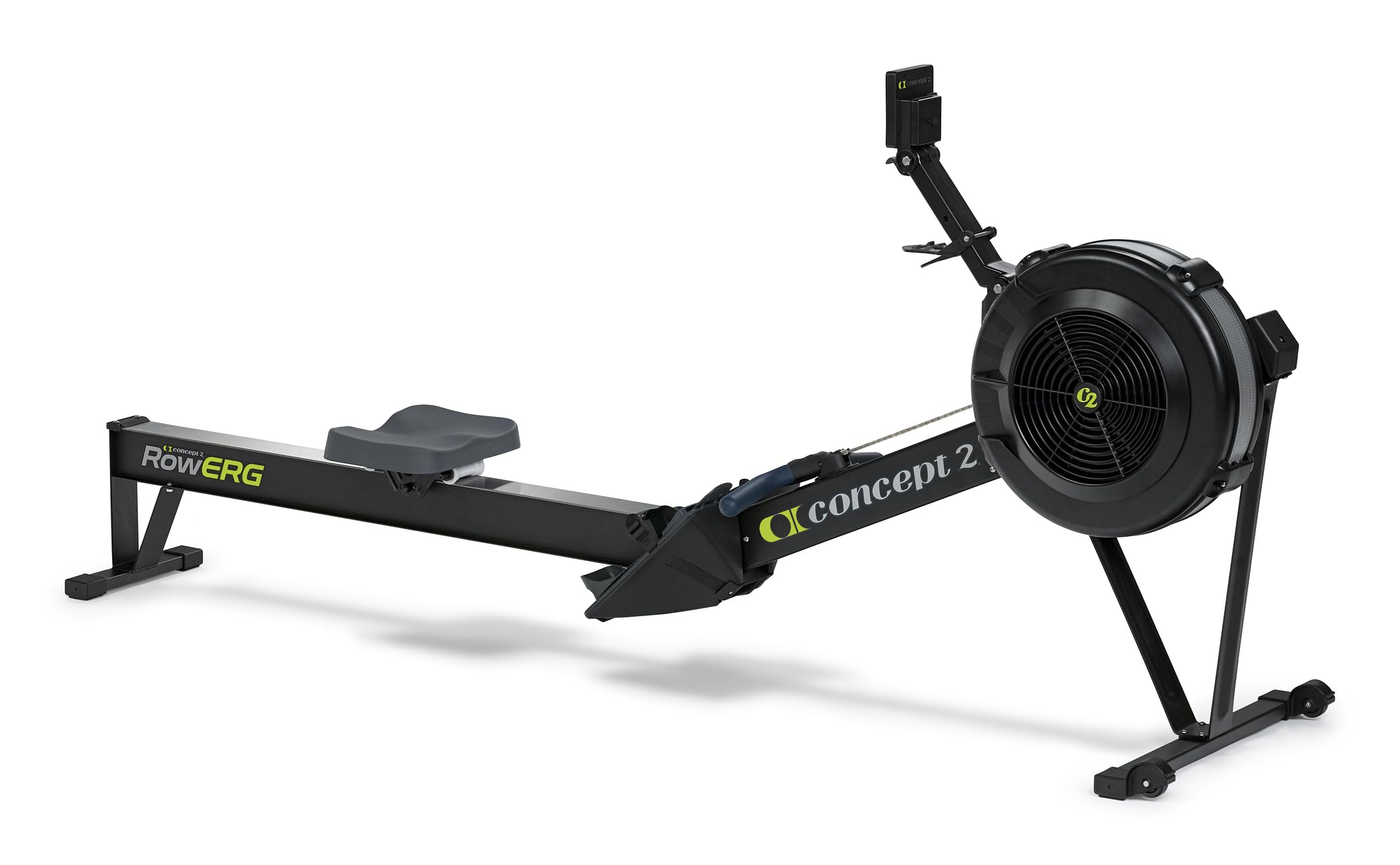


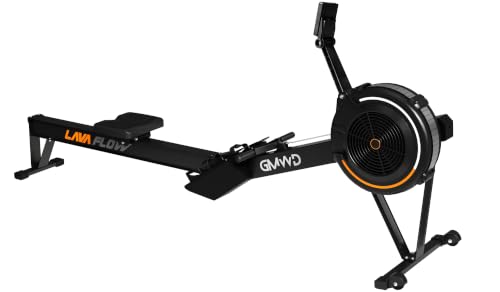
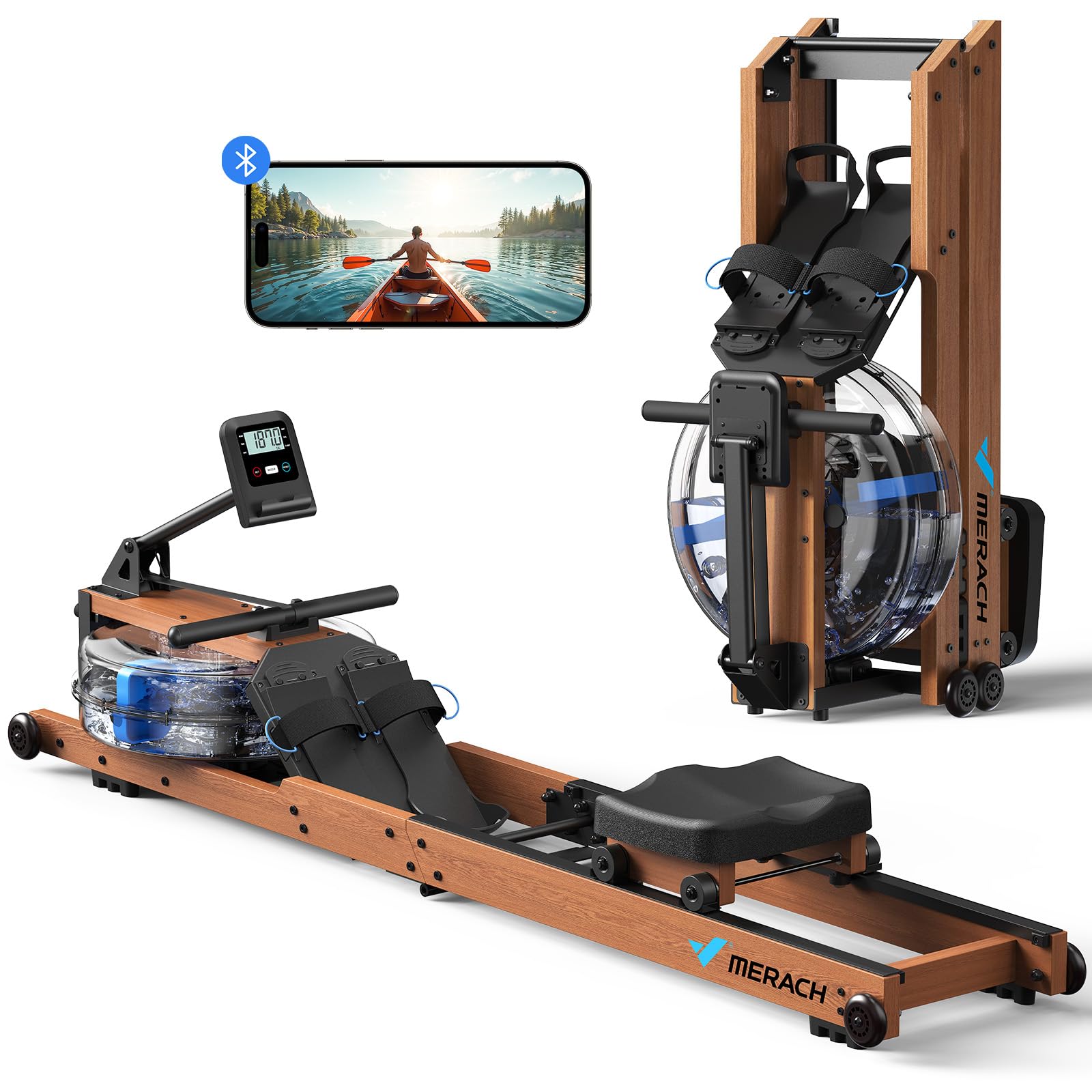
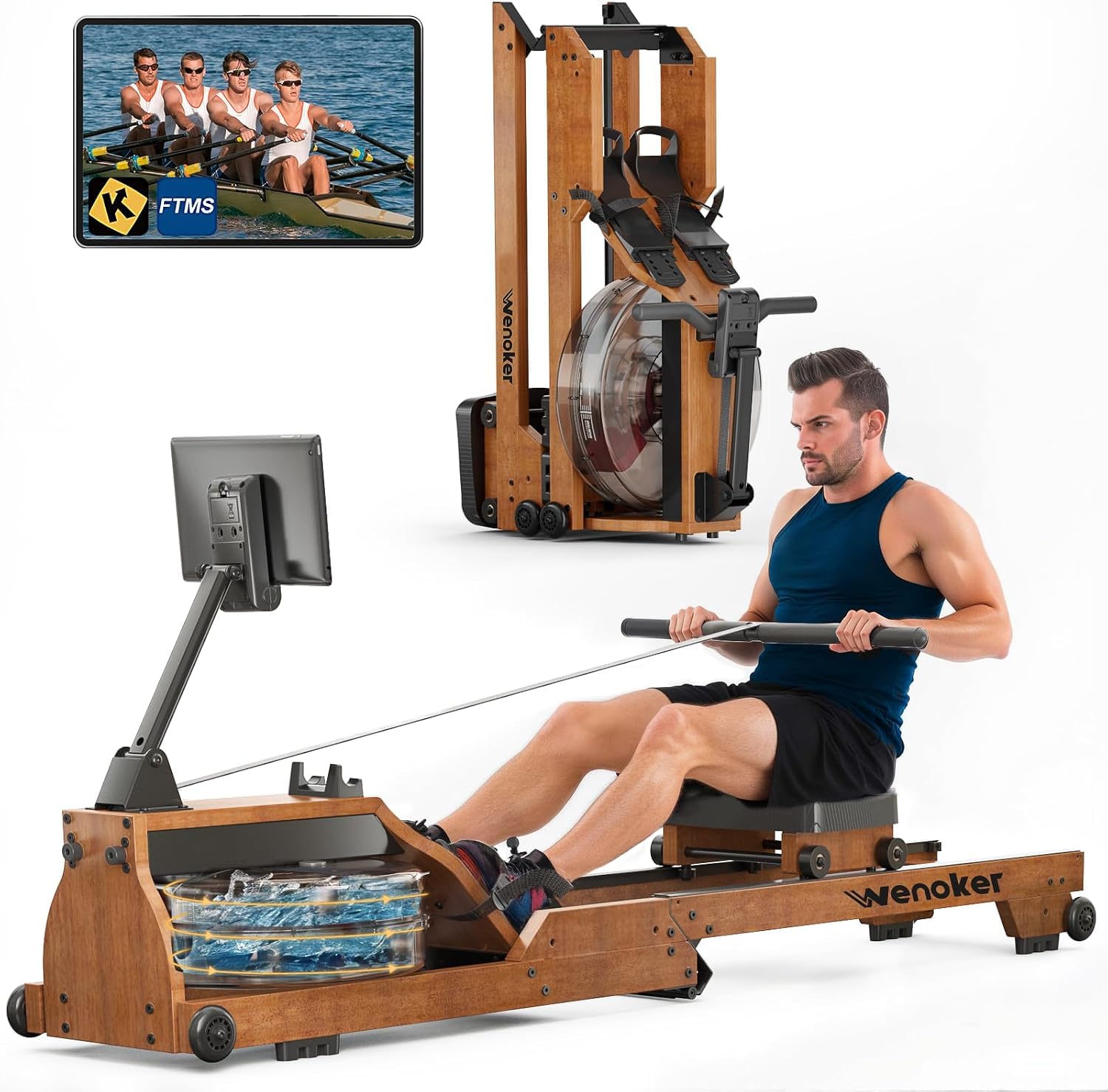
Three Budget Profiles to Compare
Rather than naming fixed models, use these three profiles as shopping checklists. Each profile lists what should be present at that price, who it suits, and the compromise you accept. Compare every candidate in the product table above against its profile, and be suspicious of a budget unit that promises premium app features without clear details on resistance range or frame build.
Budget Profile
Expect to pay around $250 to $450 for a starter rower with magnetic or hydraulic resistance, a basic console, and Bluetooth that sends pace and stroke data to a phone app. The frame is usually lighter steel, the seat rail shorter, and the weight capacity lower, often around 250 lb. This profile suits new rowers testing the habit and lighter users in small spaces. The compromise is a narrower resistance range, so stronger rowers may outgrow the hardest setting within a year of steady training.
Midrange Profile
Budget about $500 to $900 for the tier most home rowers should target. You gain a sturdier steel frame, a longer rail that fits taller users, smoother magnetic or air resistance, and a console with preset programs plus reliable app pairing. Weight capacity often rises to around 300 to 350 lb, and many models fold or stand upright for storage. This profile suits regular training three to five days a week. The compromise is that coaching content, if offered, usually needs a paid subscription on top.
Premium Profile
Plan on about $1,000 to $2,000 or more for water or air rowers with furniture grade build, a large console or tablet holder, rich app ecozystems, and very smooth resistance that scales with your effort. Frames feel rock solid, rails fit very tall rowers, and warranties stretch longer. This profile suits committed rowers, shared family use, and anyone who values feel above all. The compromise is cost and size, plus ongoing subscription fees if you want the full library of guided rows and scenic routes.
What Your Money Gets You at Each Price Tier
Price tiers in rowing are unusually honest: spend more and you mostly buy frame strength, resistance quality, and console depth. The tiers below describe typical US pricing and the trade offs behind it, so you can decide which upgrades match your goals instead of buying the most expensive machine your room can hold.
Budget Tier: What to Expect
Budget rowers keep costs down with compact frames, simpler resistance, and basic consoles that show time, distance, and strokes per minute. Bluetooth, when present, may connect to one house app rather than many training platforms. Assembly is quick and storage is easy, which helps beginners start. Watch two limits closely: maximum user weight and rail length. If you are tall or heavier, a budget frame can feel cramped and flex under hard intervals, which makes the savings feel much smaller within months.
Midrange Tier: The Sweet Spot for Most Buyers
Midrange machines add the features that change daily training: consistent resistance across the stroke, a console that stores workouts, and Bluetooth that pairs with popular rowing and fitness apps without dropouts. You also get better seats, smoother seat rollers, and pedals with secure straps that fit larger shoes. For most homes this tier balances price, durability, and motivation tools well. If your budget is flexible, compare candidates here against the best quality rowing machine guide to see which build details separate a good frame from a great one.
Premium Tier: When Spending More Pays Off
Premium money buys feel and longevity. Air and water resistance respond instantly to harder pulls, which rewards good technique and supports hard interval work. Consoles grow into large displays or refined performance monitors that track split times, watts, and heart rate zones in detail. Frames carry higher weight limits and longer parts warranties. Spending here pays off for experienced rowers training most days, taller or heavier users who need the strongest frames, and households where several people share one machine year after year.
Features Worth Paying For and Ones to Skip
Not every feature earns its price. Work through the five checks below, decide which ones match your training style, and let the rest go. A simpler machine you use daily beats a connected flagship that becomes a clothes rack.
Console, Programs, and App Connectivity
Bluetooth matters because it carries your stroke data into apps that log progress, run guided workouts, and add friendly competition. Check which apps a console supports before buying, since support varies and some brands lock data inside their own app. Preset programs on the console itself still help on days you skip the phone. A tablet holder and a USB charging port are small extras worth having. Skip paying extra for a huge built in screen if you already own a tablet you enjoy using.
Resistance Type and Range
Magnetic resistance is quiet, smooth, and adjustable by dial or console, which suits steady training. Air resistance scales with effort and feels closest to rowing on water, but the flywheel makes more noise. Water resistance adds a pleasant sound and a natural feel at a higher price and weight. Hydraulic pistons appear on the smallest budget models and can feel uneven. Whatever the type, confirm the hardest setting challenges you, because a rower you outgrow helps nobody, a point the best rowing machine for rowers guide explores for experienced athletes.
Noise Level for Apartments
Noise decides whether early morning rows stay welcome in your building. Magnetic rowers are the quietest, with little more than seat roller sound and your breathing. Air rowers produce a whoosh that rises with effort, and water rowers make a gentle slosh most neighbors never hear through a floor. Place any rower on a dense mat to cut vibration, keep rollers clean, and avoid rooms directly above a light sleeper when you can. Test your floor with a few hard strokes during the return window if noise worries you.
Space, Footprint, and Ceiling Height
Measure before you order: most rowers need about 8 to 9 feet of length and 2 feet of width, plus clear space behind for your lean back and in front for the flywheel. Check ceiling height if you plan to stand the machine upright for storage, a common trick that needs roughly 7 to 8 feet depending on the model. Foldable designs shrink the footprint for closets and corners. Leave room to walk around the rail safely, and keep the area clear of items a moving seat could strike during hard pieces.
Build Quality and Weight Capacity
A steel frame with a solid rail, wide stabilizers, and a stated weight capacity comfortably above your body weight gives a rower its steady feel. Capacity figures range from about 250 lb on budget units to 500 lb on premium frames. Check the seat rollers, handle strap, and footplates, since these wear parts decide how the machine feels after a year. Longer parts warranties signal maker confidence. New rowers comparing starter options can also read the best starter rowing machine guide for a narrower first purchase checklist.
Long Term Costs to Factor In
The purchase price is only the start. App subscriptions for guided rowing often run about $10 to $40 per month, so a year of content can cost as much as a budget machine. Add a floor mat at around $40 to $90, a heart rate strap if you train by zones, and occasional wear parts such as seat rollers, handle straps, and batteries for the console. Air and water models need little upkeep beyond dusting the flywheel housing or refreshing tank water with treatment tablets. Favor warranties of at least two years on parts, and keep your receipt and serial number photographed in case a claim comes up.
Bluetooth Rowing Machines: Your Questions Answered
Is a bluetooth rowing machine quiet enough for an apartment?
Yes, a magnetic bluetooth rower is quiet enough for most apartments, especially on a dense mat. Air models are louder because the flywheel moves real air, and the sound rises during hard intervals. Row at reasonable hours, keep the machine off shared walls where possible, and maintain the seat rollers, since a gritty roller often makes more noise than the resistance system itself during easy steady rows.
How much space does a bluetooth rowing machine need?
Plan on about 9 feet by 4 feet of clear floor once you add working room around the machine. The rower itself is usually about 7 to 8 feet long, but your body extends past the rail at the finish of each stroke. Measure your ceiling before relying on upright storage, and confirm doorways and turns on the delivery path, because a long rail in a fixed frame can be awkward to move through tight halls.
Which bluetooth rowing machine is better for beginners?
A midrange magnetic model is usually better for beginners than the cheapest option. Magnetic resistance feels smooth at low settings, the console guides pace clearly, and Bluetooth logging shows progress that keeps motivation high. Beginners also benefit from preset beginner programs and a comfortable seat. If cost is tight, a budget starter still builds the habit, and our best beginner rowing machine guide focuses only on that first step.
How long does a bluetooth rowing machine last?
A well kept home rower commonly lasts five to ten years, with premium frames going longer. Lifespan depends on use hours, user weight versus capacity, and simple care such as wiping sweat off the rail, checking chain or strap wear, and keeping dust out of the flywheel. Consoles and Bluetooth modules sometimes age out before the frame does, so favor brands that keep apps updated and sell replacement parts openly.
Is a subscription required for a bluetooth rowing machine?
No subscription is required to row, because the console always shows core metrics like time, distance, and split pace. Subscriptions only unlock guided classes, scenic rows, and deeper coaching inside a brand app. Bluetooth still connects to free logging apps on many models. Before paying monthly, use any free trial and confirm you enjoy the coaching style, and check whether the machine keeps full app access if you later cancel the plan.
The Bottom Line
Match the tier to your training: budget for testing the habit, midrange for the best balance of frame, resistance, and app support, and premium for feel and long service. Confirm weight capacity, rail length, and room measurements before price tempts you either way. The best bluetooth rowing machine for your home is the one that fits your space, challenges your legs, and logs every row without fuss. Check your finalists in the product table above, and see the best exercise rowing machine guide for a broader fitness focused comparison.


