
Best Bluetooth Portable Speakers for iPhone Made Simple: A Clear Buying Guide for 2026
Disclosure: We may earn a commission when you buy through links on this page, at no extra cost to you. As an Amazon Associate I earn from qualifying purchases. Learn more

Learn how the best bluetooth portable speakers for iphone work, which specs matter, and how to choose the right size, battery, and sound for your budget.
Buying your first portable speaker can feel like reading a spec sheet in another language. Words like drivers, codecs, and IP ratings hide simple ideas, and this guide explains each one in plain English. If you want the best bluetooth portable speakers for iphone listeners actually enjoy using, start with how and where you listen, then match the specs to that picture.
We will move from the basics to the shortlist step by step, with no assumed knowledge. Keep the comparison table below nearby, and by the end you will read it with confidence.


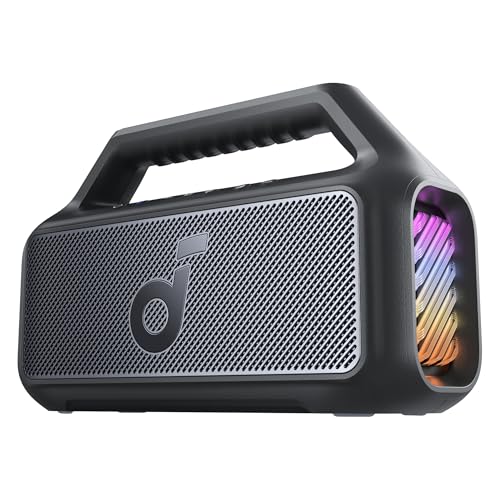


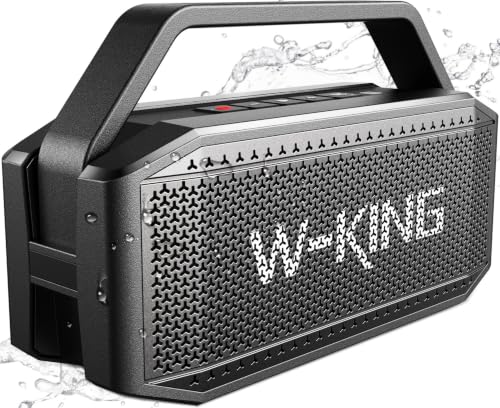
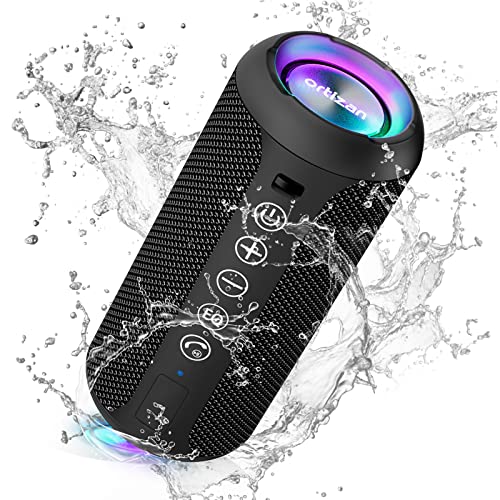
Bluetooth Portable Speakers 101: The Basics
A portable speaker is a battery powered box with one or more drivers, which are the parts that move air and make sound. Your iPhone sends music to it over Bluetooth, a short range wireless link that works across a room and usually through one wall. You charge the speaker with a USB cable, pair it once, and it reconnects on its own after that.
Three ideas explain most of the shopping confusion. First, size sets the ceiling for bass, because a small driver cannot move much air. Second, battery life falls as volume rises, so rated hours assume moderate listening. Third, water resistance ratings describe tests with clean water at rest, not a license to drop the speaker in a pool. Hold those three ideas and the rest of the specs fall into place. Owners comparing iPhone specific models can also read our guide to the best iphone bluetooth speakers.
Key Specs Explained in Plain English
Features That Matter for iPhone
Your iPhone uses the AAC codec for Bluetooth audio, so a speaker that supports AAC gives your music the cleanest wireless path. Look for Bluetooth 5.1 or newer for a steadier link and fewer dropouts when your phone is in a pocket or a bag. A speaker that remembers your phone and reconnects fast matters more day to day than exotic extras. If your household shares the speaker, multipoint pairing or an easy guest pairing flow saves repeated setup.
Measuring for Size and Portability
Measure the bag or shelf the speaker must fit, then compare those numbers with the listed dimensions before you buy. Weight tells the other half of the story. A speaker under about 1.5 lb disappears into a day bag, while one over 3 lb becomes a deliberate carry. Smaller speakers travel better but give up bass and maximum volume. Decide which you value on your most common trip, not your rarest one, and size for that.
Sound Quality and Tuning
Sound quality comes from driver size, the enclosure, and tuning choices the maker baked in. A single small driver can sound clear for podcasts and pop at desk volume. Dual drivers or a passive radiator, a panel that vibrates to reinforce bass, give fuller low end for parties. Frequency response numbers hint at bass reach, but your ears care more about balance. Voices should sound natural, and bass should support the music rather than boom over it.
Comfort, Fit, and Weight in Daily Carrying
A portable speaker has no ear pads, yet comfort still matters in the hand and in the bag. Rounded edges and a grippy surface make a speaker easier to carry to the park, and a built in strap or handle helps more than you expect. Flat sides stand stably on a table, while fully round shapes can roll. Think about buttons too. Raised, distinct buttons are easier to find by touch than a smooth touch panel when your hands are wet or busy.
Placement and Room Size
Where the speaker sits changes how it sounds. On a desk near a wall, bass builds up and voices stay clear, which flatters small speakers. Outdoors, sound escapes in every direction, so you need more volume and stronger bass than the same speaker needs indoors. A pair of matching speakers can play in stereo and fill a patio more evenly than one loud speaker in a corner. Start with one, learn your space, and add a second only if the room asks for it.
Range is the last basic worth understanding before you shop. Bluetooth range figures assume open air with nothing between the phone and the speaker, and walls, bodies, and metal shelves all shorten the real distance. In most homes you can expect reliable playback within one or two rooms. If you plan to leave your phone in the kitchen while the speaker sits on the patio, place the phone near a window or a door and test the link during your first session at home.
Rookie Mistakes to Avoid
- Buying on watts alone. Watt figures are measured in different ways by different brands, so they compare poorly across models. Driver size and your room tell you more.
- Ignoring the charging port. A speaker with USB C charging shares the cable you likely carry for other gear, while older ports mean one more cable to pack and lose.
- Skipping the water rating for outdoor plans. A speaker with no rating can fail after one rain shower. Match the rating to your real use, as our guide to the best waterproof portable bluetooth speakers explains.
- Choosing the largest battery by default. Long battery life adds weight and cost. If you listen near home, a lighter speaker you charge weekly beats a heavy one you charge monthly.
- Forgetting return windows. Sound is personal, and a speaker that suits a store demo may not suit your kitchen. Buy where returns are easy and judge at home.
Getting Started: Setup and First Use
Charge the speaker fully before your first session, since a partial charge can shorten your first impression and your first outing. Turn it on, open Bluetooth settings on your iPhone, and select the speaker name once. Play a song you know well at moderate volume and walk around the room to learn where the sound holds and where it thins. Update the firmware through the companion app if one exists, and store the speaker in a case or a padded pouch to protect the drivers when you travel. Readers who want a wider view of portable options can browse our guide to the best portable bluetooth wireless speakers after this one.
Bluetooth Portable Speakers: Your Questions Answered
What features matter most in a portable speaker for an iPhone?
AAC codec support, Bluetooth 5.1 or newer, and fast reconnection matter most for iPhone owners. Together they give clean sound and a link that feels invisible. Add battery life that covers your longest typical day and a size you will actually carry. A useful check is timing the reconnection after you power the speaker on; a good one plays within a few seconds.
What IP rating do I need for outdoor use of a portable speaker?
IPX4 covers splashes for a covered patio, while IP67 covers rain, dust, and a brief drop into shallow water. Choose for the roughest day the speaker will face. Remember that salt water and sand at the beach are harder on seals than rain, so rinse a rated speaker with clean water afterward and let it dry before charging.
Do I need a special codec for an iPhone portable speaker?
No special codec is required, because your iPhone and any Bluetooth speaker share a standard connection that plays music right away. AAC support is a small bonus worth having on iPhone, since it matches the format Apple devices use. Android focused codecs on a spec sheet bring you no benefit, so do not pay extra for them.
Wired or wireless: which sounds better for a portable speaker?
A wired connection can sound a touch cleaner, since the audio avoids wireless compression. The difference is small with streaming music at normal volume, and the cable removes the portability you bought the speaker for. Use wireless as your default, and keep a cable only for a television or an older device without Bluetooth. Our guide to the best portable speakers for iphones covers connection questions in more depth.
Is ANC worth the extra cost on a portable speaker?
No, ANC is not worth extra cost on a portable speaker, because noise cancellation works at your ears and a speaker fills a shared space. That money buys more when it goes to a larger driver or a second speaker. Some models reduce noise on calls so your voice sounds clearer, which is a separate feature and can be worth it for speakerphone use.
How long does the battery last on a portable speaker for iPhone?
Most portable speakers last about 10 to 20 hours at moderate volume, and much less at full volume outdoors. Treat the rated figure as a best case at half volume. If you host long days outside, choose a model rated well above your day length, and dim your expectations in cold weather, which shortens battery output.
The Bottom Line
Choose by fit first: the size you will carry, the battery that covers your day, and AAC support for your iPhone. Then pick the tuning that suits your music and check the result against the product table above. That simple order leads most first time buyers straight to the best bluetooth portable speakers for iphone choice for their routine, without paying for specs that never leave the box.


