
Best Bluetooth Photo Printers by Budget: A Smart Guide for 2026
Disclosure: We may earn a commission when you buy through links on this page, at no extra cost to you. As an Amazon Associate I earn from qualifying purchases. Learn more
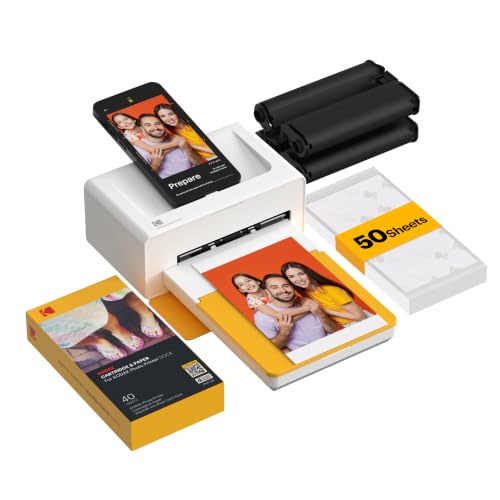
Compare the best bluetooth photo printers by price tier, print size, paper cost, and app support with a simple checklist for printing photos at home.
Prices for phone friendly photo printers run from under $100 to well over $400, and the gap is not always obvious from a product photo. This guide to the best bluetooth photo printers shows what each price tier actually delivers, which upgrades change your prints, and which ones only change the box. You will know where your money goes before you choose.
The guide covers the tiers, the features worth paying for, and the long term costs that follow the printer home. Keep the comparison table below open while you read, since print size and paper type differ more between tiers than print speed does.
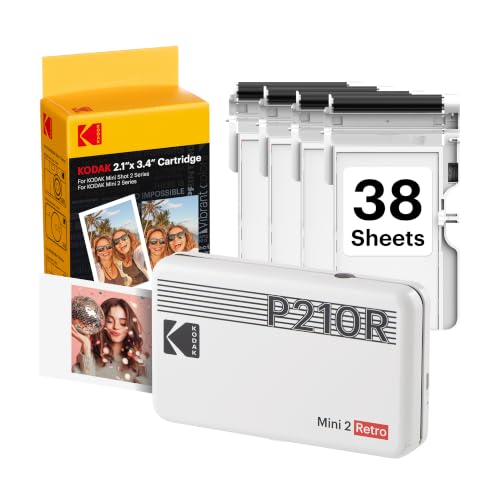
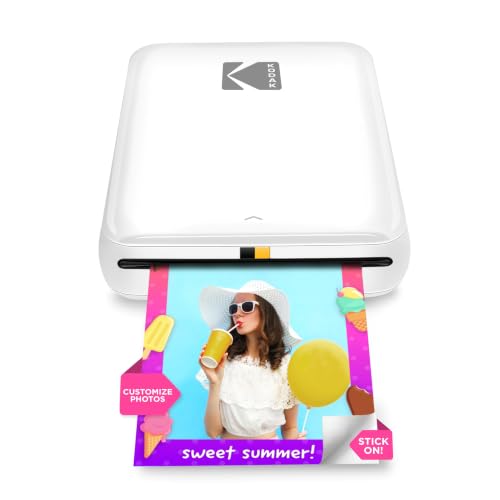
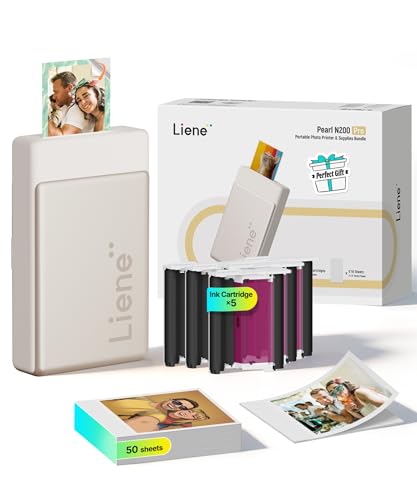
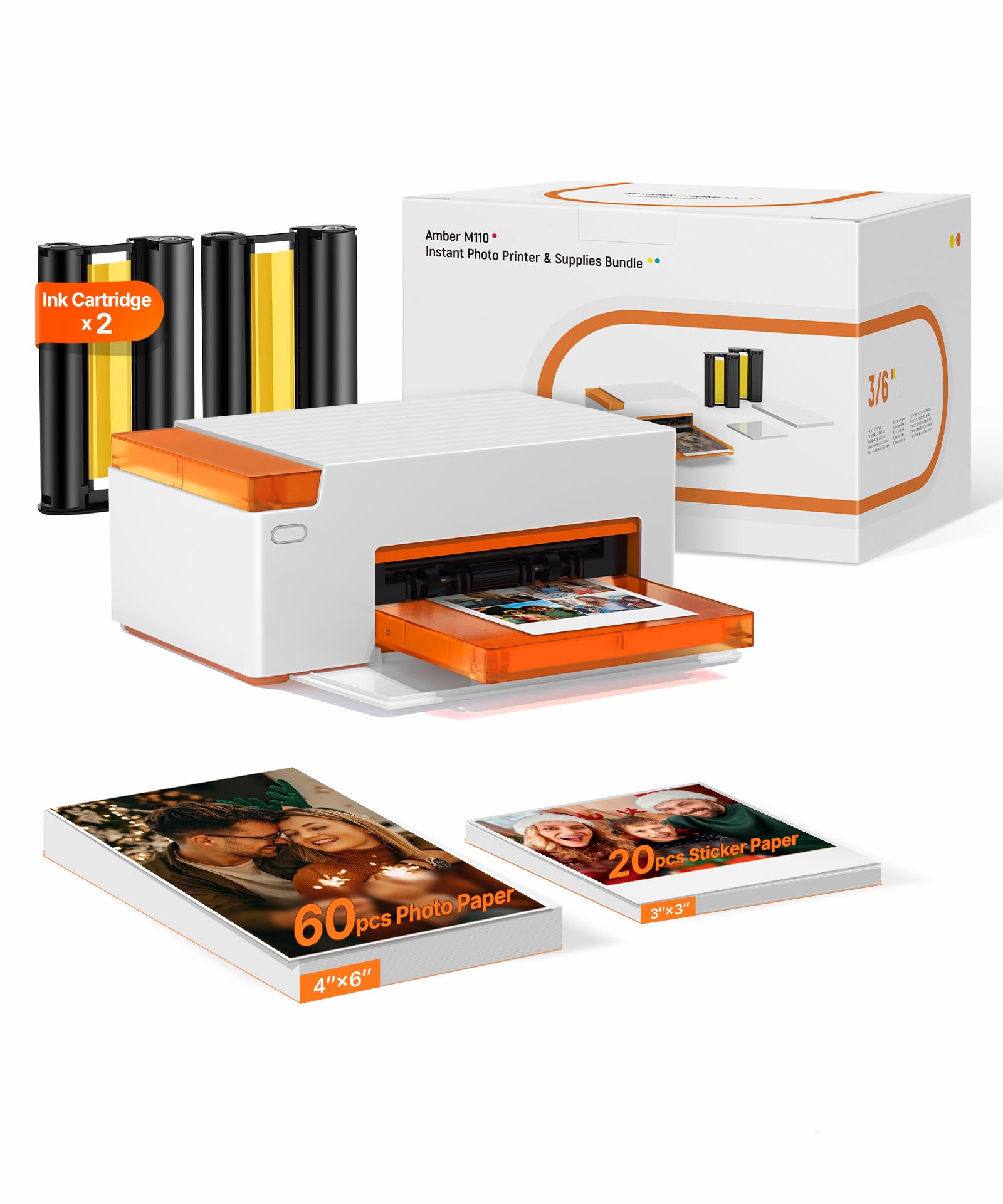
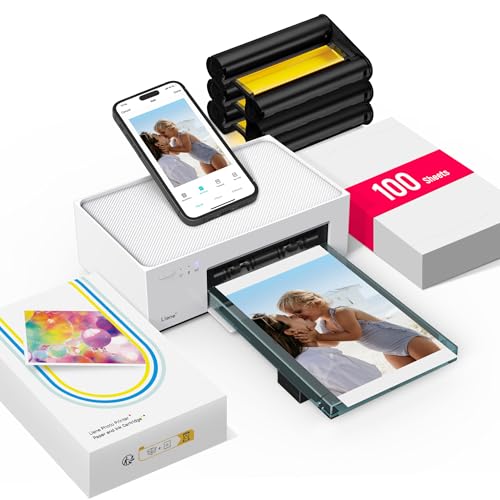
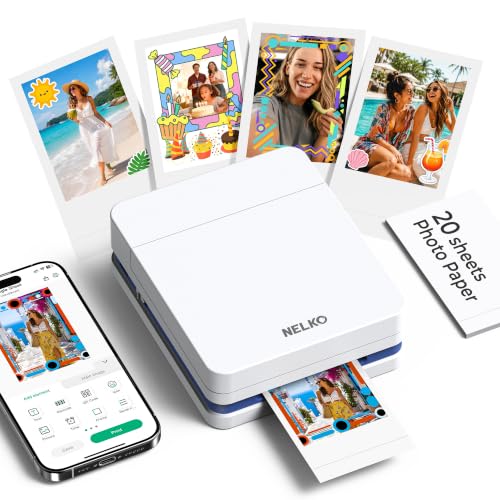
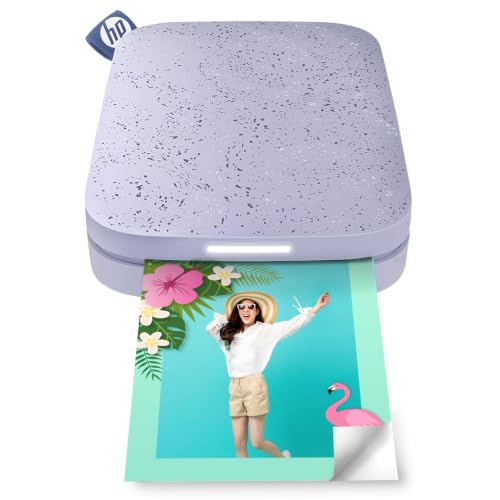
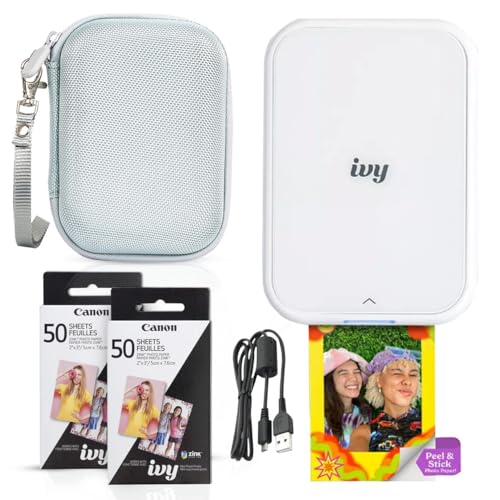
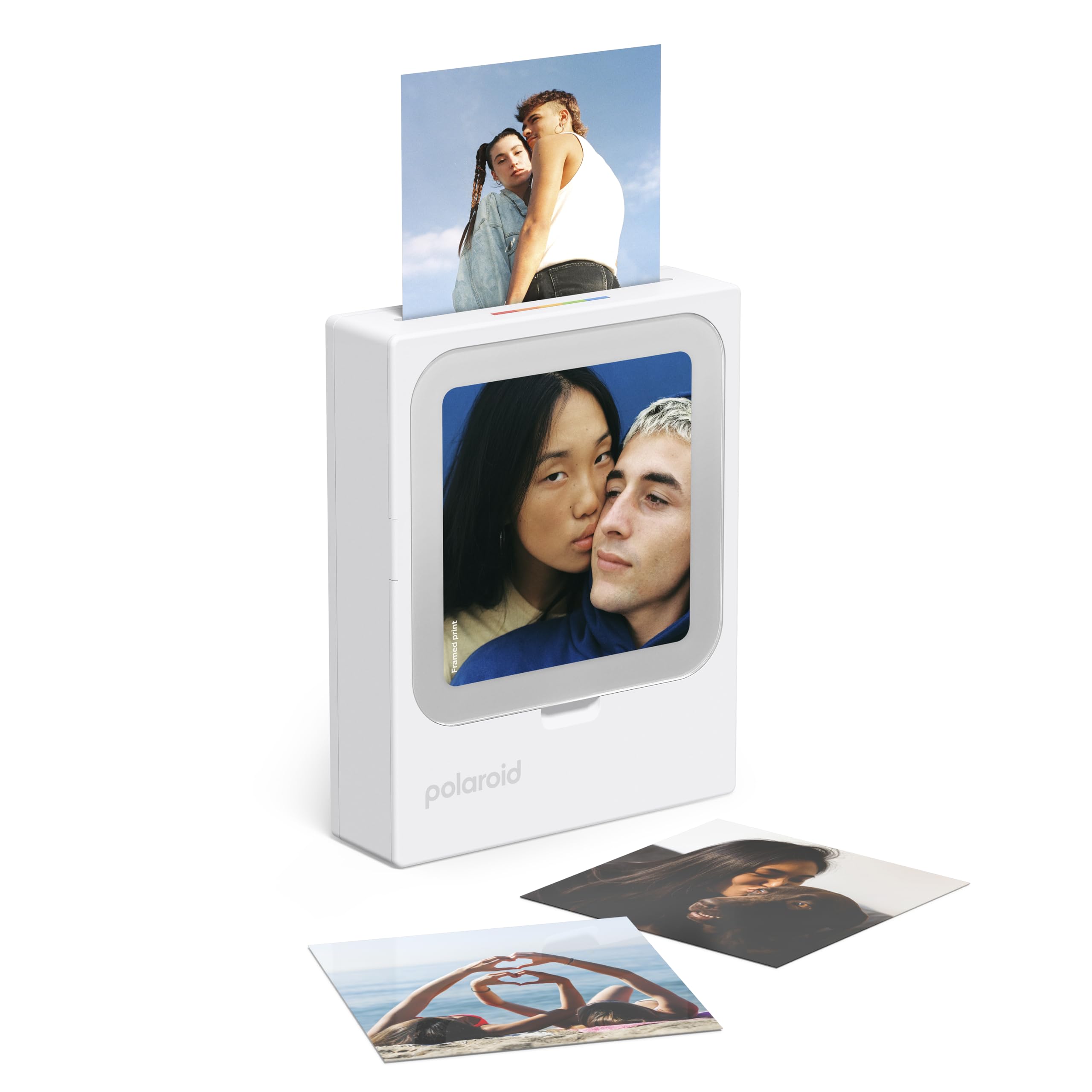
What to Look For in the Best Bluetooth Photo Printers at Each Budget Level
Instead of chasing a single model, shop by tier and check each candidate against the list for that tier. A printer that meets its tier checklist will serve you well, while one that misses a basic item, such as affordable paper refills, will frustrate you no matter how good the first prints look.
Budget Tier: What a Good Value Model Includes
Budget models, usually around $80 to $150, print small photos from your phone with minimal setup. Expect 2 by 3 inch or 4 by 6 inch prints, a simple app, and a battery or a compact plug in design. A good value model includes a starter paper pack, clear refill pricing, and Bluetooth pairing that reconnects without fuss. The limits are small print sizes, slower output, and colors that look fine for casual sharing but less rich for framing.
Midrange Tier: What a Strong Everyday Model Includes
Midrange models, usually around $150 to $300, are where home printing gets practical. Expect larger prints up to 5 by 7 inches or full 4 by 6 inch borderless output, better color depth, and paper options such as glossy and matte finishes. A strong model adds WiFi alongside Bluetooth, a small screen or clear status lights, and ink or paper costs that stay reasonable. This tier suits families who print often and want prints worth keeping in albums.
Premium Tier: What a Serious Home Model Includes
Premium models, usually around $300 to $500, print larger sizes such as 8 by 10 inches, use more ink colors for smoother skin tones, and handle thicker fine art papers. A serious model adds precise color controls in the app, replaceable ink tanks or large cartridges, and sturdy paper handling that avoids jams. You pay for print size and color range, so choose this tier only if you will actually print large or display your work.
What Your Money Gets You at Each Price Tier
Budget Tier: What to Expect
At the budget level you are paying for convenience, not for gallery quality. Prints come out quickly and look cheerful on a fridge or in a journal, and the printers are small enough for a drawer. The trade offs are tiny prints, limited paper choices, and refill packs that can cost a large share of the printer price over a year. This tier fits occasional printing, party favors, and gifts for teens who print from a phone.
Midrange Tier: The Sweet Spot for Most Buyers
The midrange tier balances print quality, size, and refill cost better than any other. You get prints large enough for frames and albums, apps with basic editing and collage tools, and paper that is easy to find. Most home users stop here and stay satisfied, because the jump in daily usefulness from the budget tier is large while the price jump stays modest. If you print a few times a month, start your search in this tier.
Premium Tier: When Spending More Pays Off
Spending more pays off when print size or color accuracy is the point of the purchase. Extra ink colors widen the range of reds and skin tones, and larger paper trays cut down on reloading during big jobs. Photographers who sell prints or build portfolios feel the difference on every sheet. Casual users rarely do, because phone photos viewed at arm length hide the fine gains this tier delivers.
Features Worth Paying For and Ones to Skip
Connectivity and Mobile Printing
Bluetooth is the core connection here, and it should pair fast and hold the link across a room. WiFi adds printing from a laptop and from cloud albums, and AirPrint support makes life easier for iPhone owners. A good app matters as much as the radio, since you will crop, brighten, and queue prints inside it. Skip models whose app has not been updated in a long time, because phone updates break neglected apps first.
Ease of Setup and Calibration
Setup should take minutes: load paper, install ink or a ribbon cartridge, pair the phone, and print a test photo. Color calibration on home models is mostly automatic, but a model that offers a simple brightness and color balance slider in the app helps when prints drift too dark or too warm. Check how the printer handles a paper jam, since awkward access panels turn a small hiccup into a chore.
Printer Type: Inkjet, Dye Sublimation, and Tank Models
Dye sublimation models dominate small photo printing because the prints come out dry, smudge resistant, and evenly colored. Inkjet models print larger sizes and double as document printers, which suits a home office. Tank models hold more ink and cut refill costs for people who print often. Laser printers are a poor fit for photos, since their color looks flat on photo paper, so leave them for text work.
Cost per Page and Ink or Paper Costs
Cost per print decides the real price of ownership. Small format printers bundle ink and paper together in refill packs, often around $0.40 to $0.70 per print. Inkjet photo printing varies with coverage, but heavy color photos use far more ink than documents. Do this simple check before buying: price the refill pack, divide by the number of sheets, and compare that figure across your shortlist. For broader context, see our guide to the best photo quality printers.
Footprint and Noise
Photo printers are small, yet paper trays and output slots need clearance on the desk. Measure the space with the tray open, not closed, and leave room behind the printer if paper feeds from the rear. Noise is modest on most models, though dye sublimation models make a series of passes that you will hear in a quiet room. If desk space is tight, our guide to the best compact photo printers focuses on the smallest footprints.
Long Term Costs to Factor In
The printer price is only the first payment. Paper and ink refills will pass the purchase price within a year of regular printing, so favor models with fairly priced refills and wide availability. Add a protective case if you travel with the printer, and a spare battery for battery powered models used at events. Check the warranty length and whether replacement print heads or rollers are user serviceable. Readers who also print documents may want to compare general models in our guide to the best bluetooth printers, and those focused on albums can read our guide to the best printers for photo printing.
Bluetooth Photo Printers: Your Questions Answered
Are ink tank photo printers worth it?
Yes, if you print often, because tank refills cost far less per print than small cartridges. The savings grow with every pack of paper you finish. If you print a handful of photos each month, a simpler model with bundled refills may cost less overall, since the tank printer itself costs more up front and the ink can sit unused.
What does cost per page mean for a photo printer?
Cost per page means the total refill cost divided by the number of finished prints. For photo printers, use prints rather than pages, and count failed prints too, since a jammed or poorly exposed sheet still consumes paper and ink. A quick home test is to track one full refill pack and note how many keepers it produced.
Inkjet or laser: which is cheaper long term for photos?
Inkjet is cheaper for photos in practice, because laser output on photo paper looks dull and often needs specialty paper that still disappoints. Laser wins for text documents, not for images. If your home needs both, an inkjet that handles documents well is the single machine answer, and its photo quality will beat any laser at the same price.
What paper gives the best results in a Bluetooth photo printer?
The paper made for your printer type gives the best results, because its coating matches the ink or the dye ribbon. Glossy paper makes colors pop for snapshots, while matte paper suits portraits and avoids fingerprints. Store paper flat and away from humidity, and handle sheets by the edges, since skin oil can leave marks that show after printing.
Final Thoughts
Decide by print size first, then by cost per print, then by app quality. Those three factors shape daily satisfaction far more than small speed differences. Match the tier to how often you print, check your shortlist against the product table above, and you will land on the best bluetooth photo printers choice for your budget without paying for size or color range you never use.


