
Best Bluetooth PA Speakers: Every Type Explained Side by Side for 2026
Disclosure: We may earn a commission when you buy through links on this page, at no extra cost to you. As an Amazon Associate I earn from qualifying purchases. Learn more

Compare the best bluetooth pa speakers by type, microphone inputs, battery life and protection for events, classes and outdoor gatherings.
A PA speaker has a harder job than a living room speaker. It has to carry a voice across a room or a yard, survive transport, and connect to microphones as easily as to a phone. With battery models, powered boxes, and rugged outdoor designs all sold side by side, choosing the best bluetooth pa speakers starts with knowing which type fits your event. This guide explains each type plainly, with its strengths, limits, and typical price.
Once you know your type, judging individual models gets far simpler. The comparison table below gathers the current options in one place for that second step.

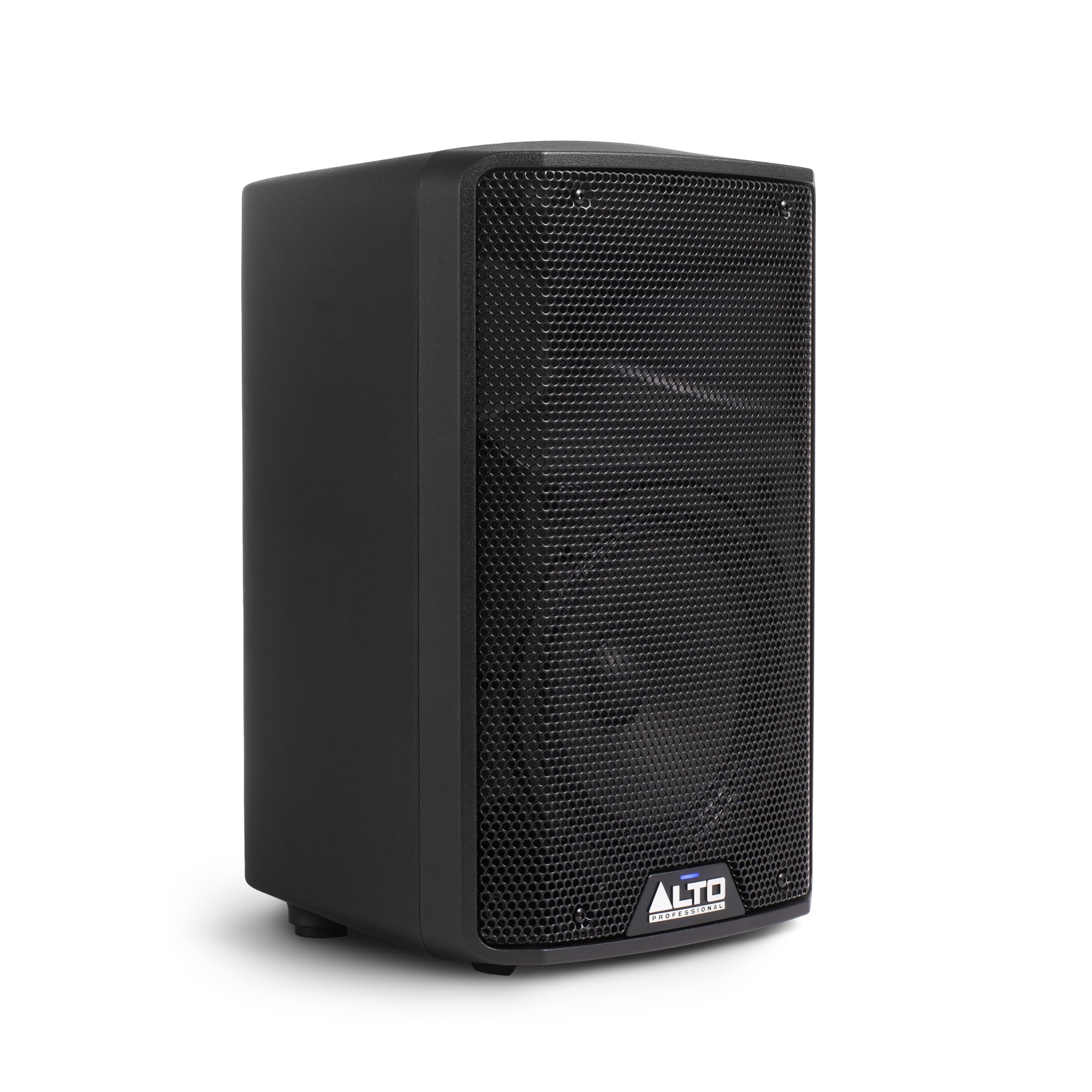

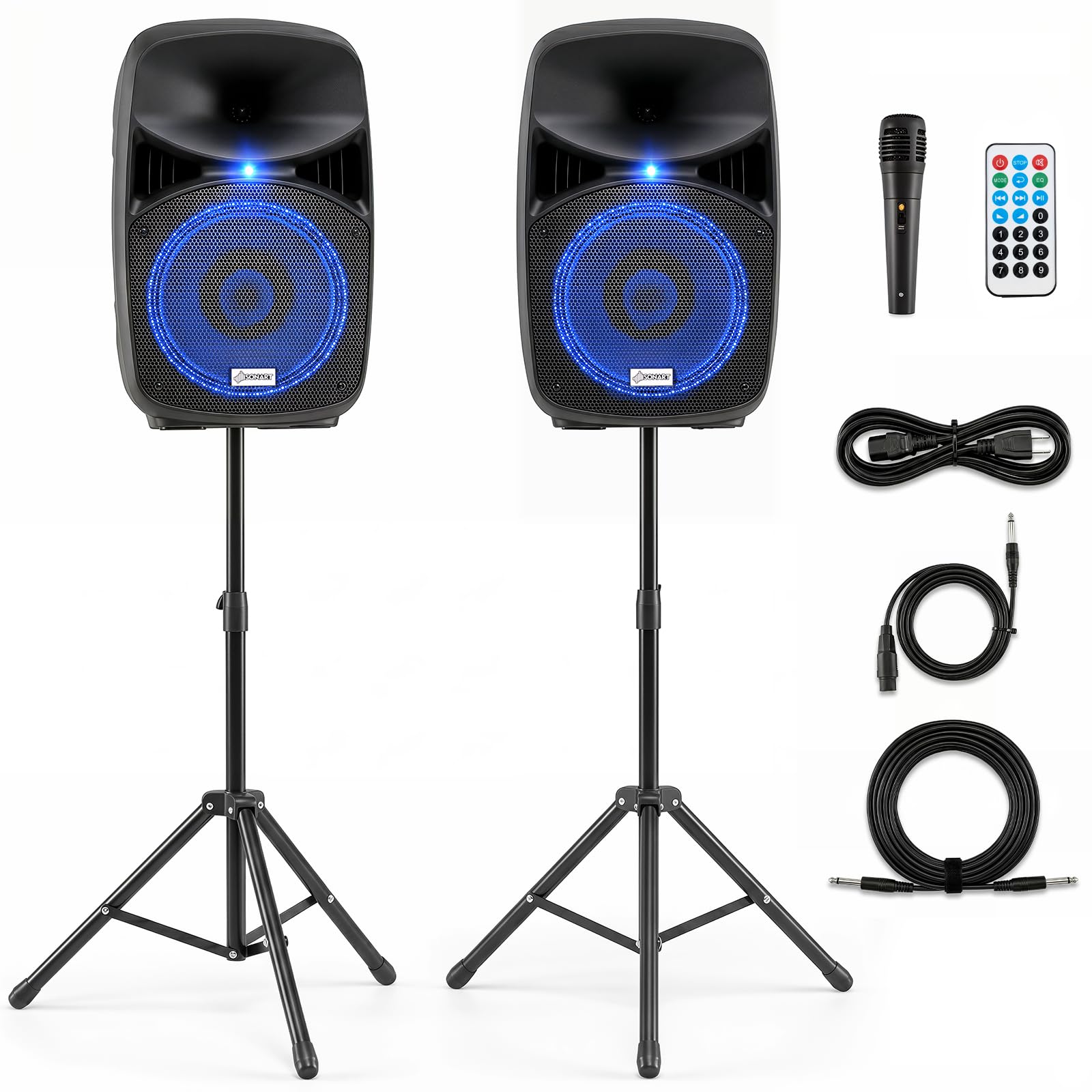
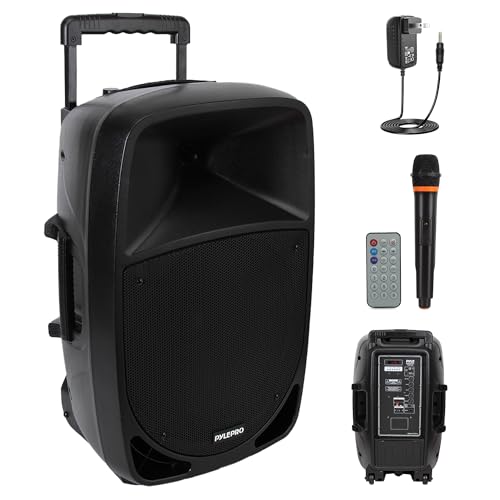


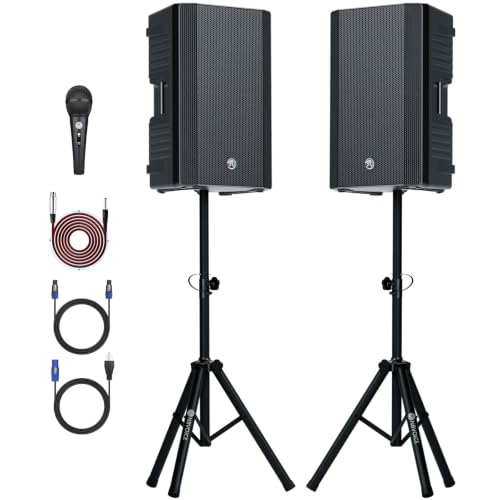
Types of Bluetooth PA Speakers Compared
The four types below overlap, and many speakers blend two of them, but the labels still help. A battery powered Bluetooth model favors freedom, a rugged model favors survival, a home style model favors steady sound in one room, and a wired focused model favors simple reliability. Match the type to your largest regular event, not your smallest, because running out of volume in front of a crowd is the one failure you cannot fix on the day.
Wireless and Bluetooth Models
These are the mainstream choice: powered speakers with Bluetooth streaming, usually a battery inside, and handles or wheels for transport. They suit fitness classes, school events, weddings, and community gatherings where music and announcements share the same box. Strengths include quick setup, phone based playlists, and no cable runs across walkways. Limits include battery planning and a streaming range of about 30 feet through open air, less through walls. Typical prices run about $150 to $500 depending on size and power.
Outdoor and Rugged Models
Rugged models add sealed cabinets, stronger grilles, and water resistance ratings such as IPX4 or IPX5, which shrug off splashes and light rain. They suit tailgates, sports days, job sites, and beach events where gear gets knocked and weather changes. The trade off is weight and a slightly less refined sound, since sealed boxes tune for durability first. Expect about $200 to $600. If your events live outdoors, this protection is worth more than extra features. For more options in this lane, see our guide to the best exterior bluetooth speakers.
Home and Bookshelf Models
Home style PA models are smaller powered speakers meant to stay in one place, like a classroom, a small hall, or a house of worship side room. They trade raw output for clarity at modest volume and often include simple tone controls and a microphone input. They cost about $100 to $300 and rarely include a battery, so they need a wall outlet. Choose this type if your audience sits within one room and speech clarity matters more than sheer loudness or portability.
Wired Models
Wired focused models are traditional powered PA speakers where a cable connection is the main path and Bluetooth is a bonus. They suit fixed installs and DJs who already run mixers, because XLR and line inputs give stable, noise free signal with no pairing steps. They deliver the most output per dollar, often about $150 to $450, and never run flat mid event. The cost is setup time and cable management. If your rig already includes a mixer, this type integrates best. Our guide to the best pa speakers covers this traditional category in full.
Wireless and Bluetooth Models vs Outdoor and Rugged Models: Which Should You Choose?
Compare them on five points. On protection, rugged models win with sealed cabinets and splash ratings, while standard wireless models often have no rating at all. On weight, standard models are usually lighter for the same output. On sound, standard models often tune a little smoother for music, while rugged models tune louder and tougher. On price, rugged construction adds cost at every size. On battery, both types offer similar hours, but rugged models protect the battery better against heat and knocks.
Choose a standard wireless model if your events are mostly indoors or under cover and you carry the speaker often. Choose a rugged model if the speaker will live in a truck, work outdoors, or serve crowds where drinks and weather are part of the day. When in doubt, protection tends to outlast regret, because one rain shower can end an unprotected speaker for good.
How to Choose the Right Bluetooth PA Speaker
Sound Quality and Tuning
Look at driver size and honest power figures rather than headline wattage, which makers often inflate with peak numbers. A 12 inch woofer moves air for crowds, while an 8 inch driver suits rooms and small groups. Frequency response that reaches down near 55Hz gives music body, but for speech, clarity in the midrange matters more. A two band or three band equalizer on the speaker lets you cut boom in echoing halls and lift voices without extra gear.
Microphone Quality
For a PA speaker, microphone quality means the input stage, not a built in mic. You want at least one XLR or combo input with its own volume control, plus an echo or reverb control if you host karaoke or singing. Wireless microphone bundles vary widely, so check the microphone range and whether the receiver sits inside the speaker. A practical tip is to try your own voice at event distance before the day, because feedback and thin tone show up at real volume, not at desk volume.
Connectivity (Bluetooth Version, Codecs, Wired)
Bluetooth 5.3 gives steadier pairing and better range than older versions, and multipoint style features matter less here than a stable single link. Codec choice such as AAC or aptX affects music detail slightly, but at PA volumes the room and crowd noise hide most codec differences. Wired inputs matter more: USB playback, an aux input, and a line output for linking a second speaker cover most real needs. Keep a cable in your kit as a backup for the day Bluetooth refuses to pair.
Noise Cancellation and Isolation
PA speakers do not use ANC the way headphones do, so treat any noise cancellation claim on a PA listing with suspicion. What you actually need is feedback control and clean gain. A speaker that lets you position it in front of the microphone line, plus basic tone controls, prevents the squeal that ruins events. For noisy venues, raw clean output and a directional microphone do more than any processing badge. Save your ANC budget for your own earbuds on the flight home.
Ecosystem and App Features
Some speakers offer a companion app with equalizer presets, firmware updates, and the ability to link two speakers for stereo or wider coverage. App control helps when the speaker sits on a stand out of reach. Check whether core controls also exist as physical knobs, because an app only speaker is a problem when your phone is busy running the event. Firmware updates can fix pairing bugs, so a maker with an active support page is a quiet but real advantage.
Readers comparing general sound quality across categories may also find our guide to the best quality bluetooth speakers useful for tuning terms and driver basics.
Tips to Get the Most From Your Bluetooth PA Speaker
Keep firmware updated when the maker releases fixes, and charge the battery after each event rather than leaving it empty in storage. Store the speaker in a padded case or cover to protect drivers and corners during transport. Clean the grille and controls regularly with a dry cloth, and wipe moisture off before storing an outdoor unit. Raise the speaker on a stand so the horn sits near head height for the audience, which improves clarity more than extra volume. For open air events, our guide to the best bluetooth speakers for outside adds placement ideas that carry over well.
Bluetooth PA Speakers: Your Questions Answered
Is ANC worth the extra cost on a Bluetooth PA speaker?
No, because PA speakers project sound into a space rather than sealing sound around your ears, so ANC has nothing to act on. If a listing charges extra for it, that money is better spent on a second microphone input or a larger battery. One related feature that is worth paying for is a feedback suppressor or a flexible equalizer, since both solve real noise problems at live events.
Wired or wireless: which sounds better for a PA speaker?
At the same volume, a wired connection sounds marginally cleaner because it avoids Bluetooth compression and dropouts. In a real hall or yard, few listeners can tell once music is playing. The smarter reason to keep a cable is reliability during speeches, when a dropout is very public. Use Bluetooth for background music and a cable or direct microphone input for the parts of the event everyone is listening to.
How long does the battery last on a Bluetooth PA speaker?
Most battery PA speakers run about 6 to 12 hours at moderate volume, and far less at full volume. Makers rate battery life at low listening levels, so plan on roughly half the claimed hours for a loud outdoor event. A useful habit is to note your runtime after each event for a month. Your own log beats any spec sheet and tells you exactly when a mid event top up or a spare speaker becomes necessary.
What IP rating do I need for outdoor use of a PA speaker?
IPX4 handles splashes from any direction and suits covered patios and light drizzle. IPX5 resists steady spray and is safer for open lawns and poolside events. No rating means keep the speaker under cover and away from sprinklers. Remember that the rating covers the cabinet, not your phone or microphone receiver, so plan shelter for the whole setup rather than trusting one number on the box.
Do I need a special codec for a Bluetooth PA speaker?
No special codec is required, because standard Bluetooth audio already carries music clearly enough for events. AAC suits Apple phones and aptX can help some Android phones, but speaker placement and volume headroom change the sound far more. Spend attention instead on how the speaker behaves at your loudest planned moment. A speaker that stays clear near its limit with a basic codec beats a strained speaker with an advanced one.
The Bottom Line
Choose the type first, then judge sound coverage, microphone inputs, and battery honesty within that type. Indoor hosts can save with a home style model, while outdoor hosts should pay for protection. Compare your shortlist with the product table above, and the best bluetooth pa speakers for your events will be the ones that still sound clear at the back row.


