
Best Bluetooth NFC Speakers: Every Type Explained Side by Side for 2026
Disclosure: We may earn a commission when you buy through links on this page, at no extra cost to you. As an Amazon Associate I earn from qualifying purchases. Learn more
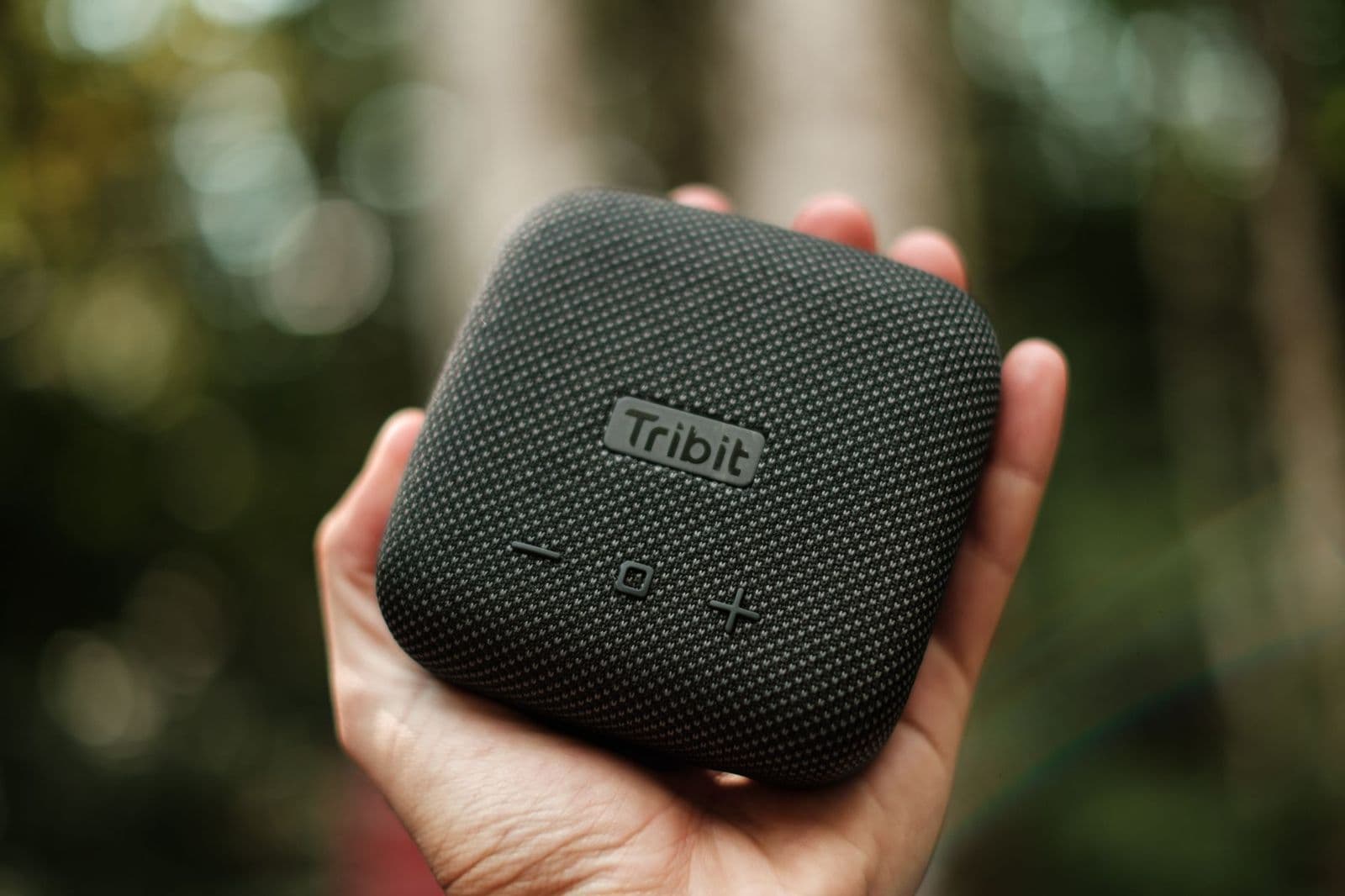
Compare the best bluetooth nfc speakers by type, sound, battery life, and price tier with a clear checklist for choosing the right style for your space.
NFC pairing sounds simple, yet the speakers that offer it come in very different shapes, sizes, and price tiers. Some are small enough for a backpack, while others are built to fill a patio or a living room. This guide to the best bluetooth nfc speakers compares each type side by side so you can see what you gain and what you give up before you spend anything.
You will learn how the main types differ, which features actually change your daily listening, and how to match a speaker to your room and habits.
Types of Bluetooth NFC Speakers Compared
Most models fall into three broad groups. Everyday wireless models focus on easy pairing and balanced sound for indoor listening. Outdoor and rugged models add stronger sealing, tougher shells, and longer battery life. Models with a wired input option add a cable connection for a television, a turntable, or a laptop. Prices overlap a lot, so the type matters more than the sticker. A compact everyday model often costs around $40 to $100, a rugged model around $80 to $250, and a larger model with wired inputs around $100 to $300.
Wireless and Bluetooth Models
These are the standard portable speakers most people picture. You tap your phone against the NFC area or pair through the Bluetooth menu, and music plays within seconds. They suit desks, kitchens, and bedrooms where you move the speaker from room to room and want a simple setup with no cables in the way.
The strengths are convenience and choice. You get the widest range of sizes and prices, and many models add multipoint pairing so two phones can stay connected. The limits are battery dependence and modest bass from small drivers. If you mostly listen indoors at moderate volume, this is usually the type to start with.
Outdoor and Rugged Models
Rugged models are built for patios, pools, job sites, and trips. Look for an IP67 rating if the speaker may face rain or a splash, since that rating means it can handle brief immersion in shallow water. Thicker shells, covered ports, and corner bumpers help the speaker survive drops onto hard ground.
You pay for that toughness with extra weight and sometimes a less refined sound at low volume. Battery life is often the headline benefit, with many rugged models playing for 15 to 24 hours between charges. If your listening happens outside more than inside, the protection is worth more than a small gain in sound detail.
Wired Models
Some NFC speakers also include an auxiliary input or an optical input, and those wired options solve specific problems. A cable removes audio delay when you watch video, and it gives you a fallback when the battery runs low or a wireless connection drops. A wired input also lets an older device without Bluetooth join the system.
The trade off is obvious: a cable ties the speaker to one spot and adds clutter. Treat the wired input as a bonus feature rather than the main reason to buy, unless you know you will connect a television or a record player. For pure phone listening, wireless convenience usually wins.
Wireless Models vs Outdoor and Rugged Models: Which Should You Choose?
Start with where you listen. An everyday wireless model sounds cleaner on a desk and costs less for the same driver size, while a rugged model handles weather and rough handling. Next compare weight. A rugged shell can add a third more weight, which matters if you carry the speaker daily. Then look at battery life, since rugged models tend to run longer, and at sound tuning, since outdoor models often push bass and volume to cut through wind and open air noise. Finally, consider price per use. If the speaker will live outside, paying more for sealing saves a replacement later. If it will live on a shelf, put that money toward larger drivers instead. Readers comparing outdoor options may also want to see our guide to the best exterior bluetooth speakers for placement ideas.
How to Choose the Right Bluetooth NFC Speaker
Placement and Room Size
Match the speaker to the space before you look at anything else. A small room or a desk needs only a compact driver, and a speaker that is too powerful for the space can sound boomy at close range. A large living room or an open patio needs more output and often a pair of speakers for stereo spread. Think about where the speaker will sit, since a corner placement boosts bass while a shelf edge can muffle rear ports. Measure the shelf or bag space first, then shop.
Sound Quality and Tuning
Driver size and tuning shape what you hear more than any marketing term. Larger drivers move more air and give fuller bass, while smaller drivers favor clarity in voices. A frequency response that reaches lower numbers suggests deeper bass, but tuning still decides whether that bass sounds tight or muddy. If you listen to podcasts and acoustic music, a neutral tuning keeps voices natural. If you listen to pop and hip hop at gatherings, a warmer tuning with stronger low end will feel more satisfying outdoors.
Connectivity: Bluetooth Version, Codecs, and Wired Options
Bluetooth 5.3 gives you a more stable connection and better range than older versions, which helps when your phone is in another room. NFC speeds up the first pairing and makes reconnection easy for guests. Codecs matter most for Android phones, where AAC and aptX style support can improve clarity, while iPhone users rely on AAC. Multipoint pairing lets a laptop and a phone stay connected at once. For a deeper look at pairing focused models, see our guide to the best nfc speakers.
Noise Cancellation and Isolation
Speakers do not cancel room noise the way headphones do, so treat ANC claims on a speaker with care. What matters is output and clarity at the volume you actually use, plus how well the speaker holds detail when the room gets busy. Some models add noise reduction for calls, which cleans up your voice for the other person. If you listen in a noisy kitchen or workshop, choose a model with strong midrange output rather than paying for a cancellation label that adds little.
Microphone Quality
A built in microphone decides whether the speaker can double as a speakerphone. Good microphone placement and echo control keep your voice clear when you stand a few feet away. Poor microphone quality forces you to lean over the speaker, which defeats the point. Check whether the model supports voice assistants if that matters to you, and remember that wind ruins call quality outdoors no matter how good the microphone is. Try calls early while returns are still easy.
Setup and Care Tips
Charge the speaker fully before first use and keep the firmware updated through the companion app, since updates often fix pairing bugs. Pair through NFC once, then confirm the speaker reconnects on its own the next day. Store the speaker in a case or a padded bag to protect the drivers during travel. Wipe the grille with a dry cloth, rinse only models whose rating allows it, and let ports dry fully before charging. Keep the speaker out of long direct sun, which drains and ages the battery.
If you plan to listen beyond the patio, our guide to the best bluetooth speakers for outside covers range and weather questions in more depth. Shoppers who care most about build and finish can also compare notes in our guide to the best quality bluetooth speakers.
Frequently Asked Questions
How long does the battery last on a Bluetooth NFC speaker?
Most models last about 10 to 20 hours per charge at moderate volume. Loud outdoor listening can cut that figure nearly in half, because the amplifier works harder. A practical tip is to charge after every long day of use rather than waiting for a full drain, and to carry a small power bank on trips so a low battery never ends the music early.
Wired or wireless: which sounds better on an NFC speaker?
A wired connection sounds slightly cleaner because the audio skips wireless compression entirely. In a quiet room with good source files, you may hear a small gain in detail. At normal listening levels with streaming music, most people hear little difference, so choose wireless for daily ease and keep the cable for video or for a device without Bluetooth.
Do I need a special codec for a Bluetooth NFC speaker?
No, you do not need a special codec, since every model plays the standard Bluetooth audio that any phone sends. A better codec helps only when both the phone and the speaker support it. iPhone owners are covered by AAC on most models, while Android owners should check codec support on the box if they care about the small clarity gain.
What IP rating do I need for outdoor use of an NFC speaker?
An IPX4 rating handles light splashes, while IP67 handles rain, dust, and brief immersion. Choose based on the worst weather the speaker will face, not the average day. Also check whether the rating covers the charging port with its cover closed, since an open cover can void the protection you paid for.
Is ANC worth the extra cost on a Bluetooth NFC speaker?
ANC is rarely worth extra cost on a speaker, because cancellation works best at your ears, not across a room. Spend that money on larger drivers or a second speaker for stereo instead. The one exception is call noise reduction, which can help your voice sound clearer on speakerphone calls in a busy room.
Final Thoughts
Focus on three things: the type that fits where you listen, sound tuning that suits your music, and battery life that covers your longest day. NFC pairing is the easy part, and it should feel instant on any model you keep. Compare your shortlist against these points, and choose the best bluetooth nfc speakers option that matches your space and budget without paying for protection or power you will never use.


