
Best Bluetooth Motorcycle Helmet Speakers for Music 2026
Disclosure: We may earn a commission when you buy through links on this page, at no extra cost to you. As an Amazon Associate I earn from qualifying purchases. Learn more

The best bluetooth motorcycle helmet speakers for music fit your helmet, stay clear at speed and keep traffic audible. Compare fit, controls and battery.
Music can make long rides more enjoyable, but helmet speakers must work with wind, engine noise, and the need to stay aware of traffic. The comparison table below compares the main options, so start with your helmet type and fit. The best bluetooth motorcycle helmet speakers for music sit inside the helmet near your ears, which means comfort and placement matter as much as sound quality.
Safety comes first with any helmet audio. Choose speakers that let you hear sirens, horns, and traffic, keep volume moderate, and never let music distract you from the road. Check local laws too, since rules on helmet audio vary by place. A system that sounds great but blocks awareness is the wrong choice for riding.
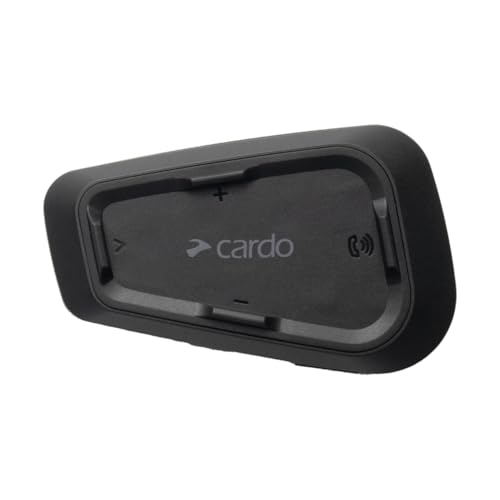


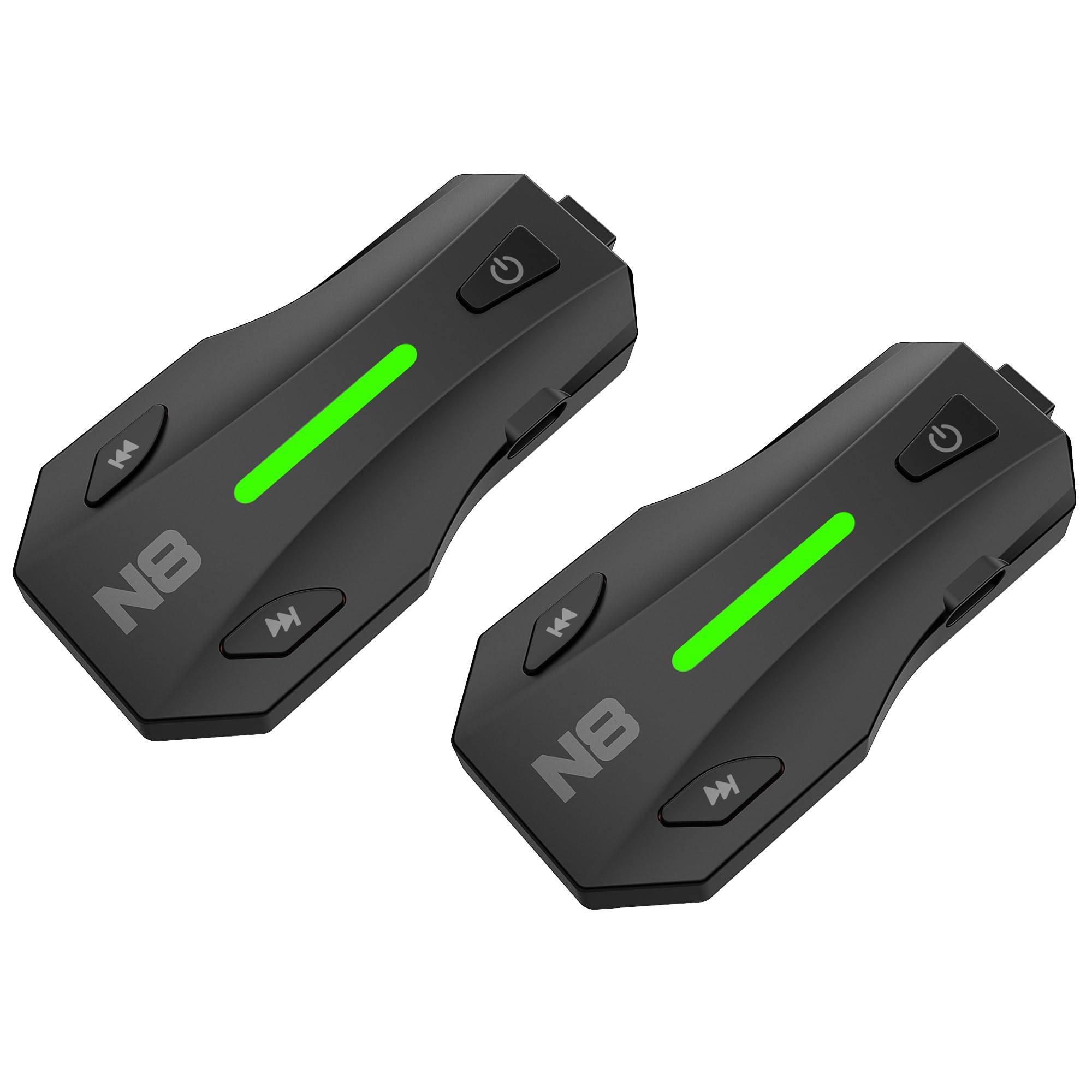
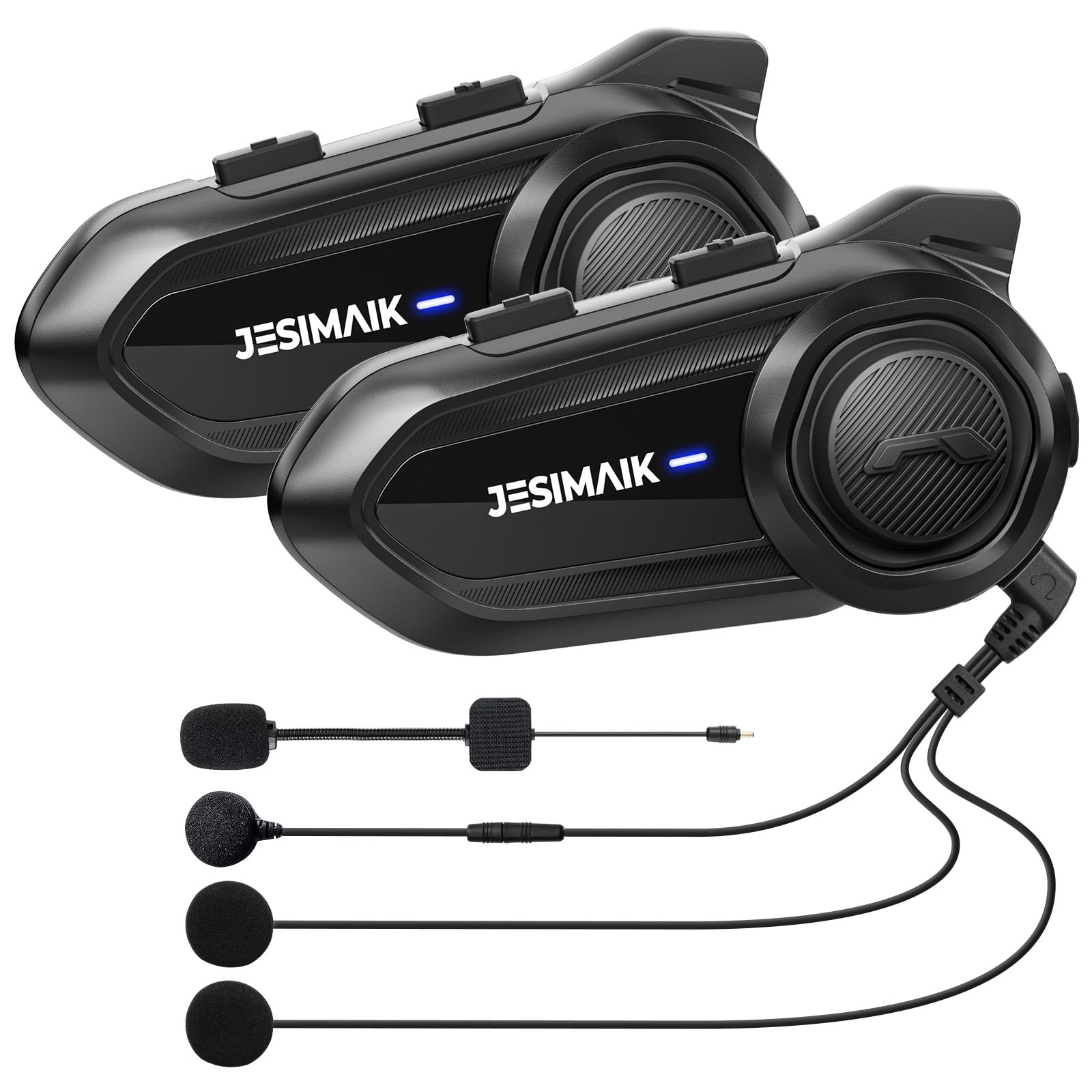

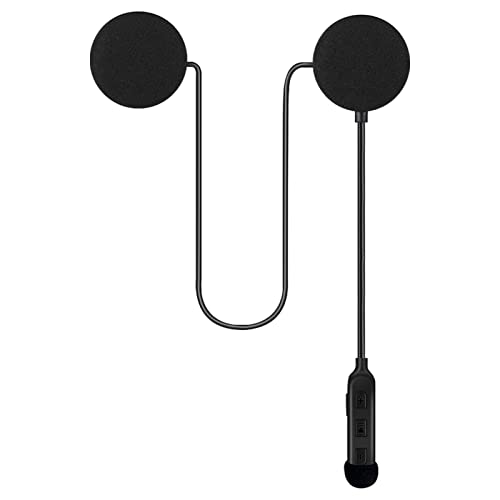

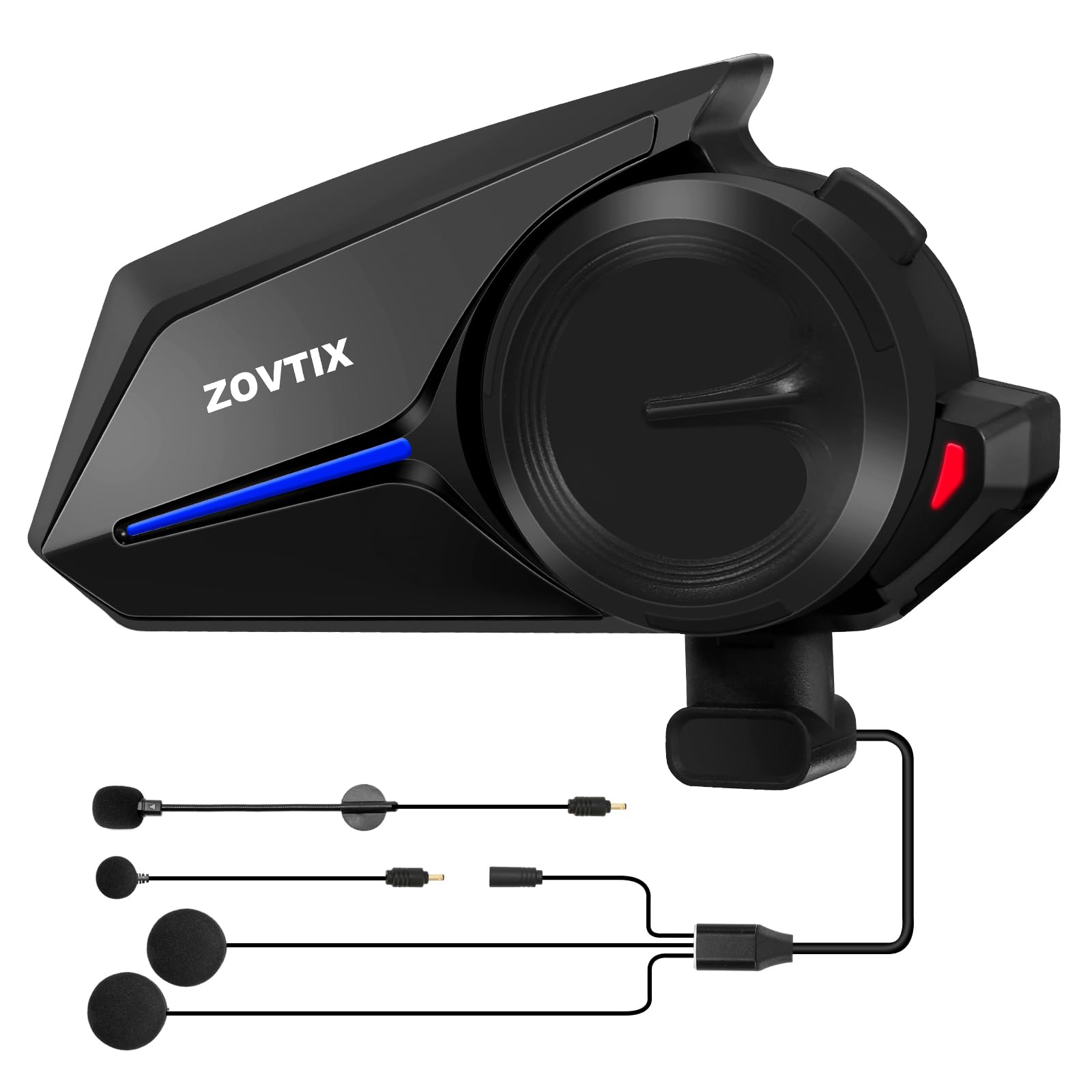
Helmet Fit and Speaker Placement
Helmet speakers fit in ear pockets or attach with hook and loop pads inside the helmet lining. Check whether your helmet has speaker pockets and how deep they are, since shallow pockets press speakers against your ears on long rides. Place speakers directly over your ears and check the fit with the helmet fully fastened, not just held in your hands.
Comfort problems usually appear after an hour, not in the first minutes. Ride with the speakers fitted before a long trip, and adjust position in small steps until pressure disappears. If speakers press painfully even after adjustment, thinner speakers or a different helmet may be needed. Never modify helmet padding in ways that reduce crash protection.
Sound Quality at Speed
Wind and engine noise compete with music at speed, so helmet speakers need clear midrange and treble rather than deep bass alone. Bass feels weak inside a helmet at speed, while clear vocals and instruments cut through better. A system with good volume headroom sounds cleaner, since you avoid pushing a weak amplifier into distortion.
Check the sound at your usual riding speeds, not just at a standstill. A speaker that sounds rich in a quiet room can sound thin and harsh at highway speed. Some systems include automatic volume adjustment, which helps, but manual volume control remains important for tunnels, towns, and open roads.
Controls, Calls, and Battery Life
Controls must work with gloves on, so large buttons or a simple jog dial beat small touch panels. Try volume, track skip, and play pause with your riding gloves before buying, since a control that needs bare fingers is useless on the road. Voice control helps when it works, but it should never replace simple physical controls.
Battery life should cover your longest usual ride with reserve, since a flat battery mid ride leaves you without navigation prompts too. Check charging time and whether the system charges through a standard USB cable. If you ride in groups, intercom features may matter, but this guide focuses on music, so weigh intercom cost against how often you actually ride with others.
Road Awareness and Legal Notes
Staying aware of traffic matters more than perfect sound. Keep volume at a level where sirens, horns, and nearby vehicles remain audible, and avoid noise cancelling designs that seal you off from the road. Some riders prefer one speaker slightly quieter, but balanced moderate volume usually works better and feels less tiring.
Laws on helmet speakers and earphones vary, and some places restrict in ear devices while allowing helmet speakers. Check the rules for every place you ride, including neighbouring regions on touring routes. When in doubt, choose a setup that clearly leaves your ears open to surrounding sound and keeps controls simple.
Weather, Care, and Long Term Use
Motorcycle helmet speakers face rain, sweat, dust, and vibration, so weather resistance and solid mounting matter. Check the water resistance rating and how the charging port seals, and dry the system after wet rides. Loose mounts buzz and shift, so inspect pads and cables regularly and replace worn hook and loop pads promptly.
Store the helmet away from extreme heat and direct sunlight, and remove the speakers if you wash helmet liners. Firmware updates can improve pairing and sound, so check the maker app occasionally. A well fitted, weather resistant system should last several riding seasons with basic care.
Getting the Most From Your Helmet Speakers
Set volume before you ride, not during, since adjusting controls at speed divides attention dangerously. Choose a moderate level that lets traffic sounds through, and resist raising volume to overcome wind on fast stretches. If you cannot hear horns or sirens clearly, volume is too high regardless of how enjoyable the music feels.
Plan playlists and navigation before departure, so rides need no phone handling or complex menu navigation. Download offline maps and music for areas with weak signal, and mount the phone where glanceable navigation does not demand prolonged looks away from the road. Preparation before riding keeps attention where it belongs throughout the journey.
Inspect speakers, mounts, and cables before every ride as part of a quick gear check, alongside helmet strap, visor, and tyre condition. Loose mounts buzz, shift, and distract, while damaged cables can fail mid ride. A two minute check before departure prevents most mid ride audio frustrations and keeps focus on traffic.
A Final Check Before You Order
Before ordering, confirm helmet compatibility by checking ear pocket depth and lining shape for your exact helmet model. Measure speaker thickness against pocket depth, and confirm mounting pads suit your helmet interior. Speakers that fit poorly press painfully on long rides and may shift during use, creating distraction.
Finally, verify local laws on helmet audio for every region you ride in, since rules vary and touring routes cross boundaries. Check return terms so you can check fit and sound on short rides before committing. A lawful, comfortable fit matters far more than maximum volume or extra features.
Related Guides
Related guides include best motorcycle helmet bluetooth speakers, best motorcycle helmet speakers for music, best bluetooth helmet speakers for music, best motorcycle helmet speakers, and best bluetooth speakers for music. They cover general helmet audio and music focused options for riders.
Frequently Asked Questions
Are helmet speakers safer than earphones?
Helmet speakers are generally safer than earphones for riding, because they sit away from the ear canal and let more traffic sound through. Earphones can block sirens and horns and may be illegal in some places. Even with helmet speakers, keep volume moderate and stay alert, since no audio setup replaces active attention to the road.
Will helmet speakers fit my helmet?
Most helmet speakers fit full face and modular helmets with speaker pockets, while some open face helmets need adapter pads. Check pocket depth, helmet lining shape, and speaker thickness before buying. If your helmet has very shallow pockets, thinner speakers or a different mounting kit may be needed for comfortable long rides.
Can I take calls with helmet speakers?
Many helmet speaker systems include a microphone for calls and voice prompts, though call clarity varies with wind speed. A boom microphone usually picks up voice better than a fixed internal microphone at speed. Check call quality at your usual speeds, and keep calls short while riding so attention stays on traffic.
How long does the battery last?
Battery life typically ranges from about eight hours to well over a day of music, depending on volume and features. Higher volume and intercom use drain batteries faster. Choose a system that covers your longest ride with reserve, and carry a charging cable on touring trips so a mid trip top up is easy.
Do helmet speakers work in the rain?
Many helmet speakers resist rain and sweat, but ratings and sealing vary, so check the stated water resistance before riding in heavy rain. Dry the speakers and charging port after wet rides, and avoid charging while the port is still wet. A helmet visor and good sealing help, but no speaker system should be treated as fully waterproof without checking its rating.
Final Thoughts
Choose helmet speakers that fit your helmet comfortably, sound clear at speed, and keep traffic audible. Glove friendly controls and battery life for your longest ride matter more than extra features. The product table above helps you compare those riding essentials.
Ride with the system fitted before a long trip, set a moderate volume, and adjust placement until comfort lasts for hours. Music should add to the ride without taking attention from the road. That balance is what separates the best bluetooth motorcycle helmet speakers for music from the rest.


