
Best Bluetooth Loud Speakers: Our 2026 Checklist and Buying Guide
Disclosure: We may earn a commission when you buy through links on this page, at no extra cost to you. As an Amazon Associate I earn from qualifying purchases. Learn more

Learn how to choose the best bluetooth loud speakers with a clear checklist for volume, clarity, battery life, durability, and value for your space.
Loud is easy to promise and hard to define, which is why so many speaker listings lean on watt numbers that tell you very little. This guide uses a practical checklist to judge the best bluetooth loud speakers by what you actually hear: clean volume, clear voices, and bass that stays controlled. Work through the criteria below, then use the comparison table below to see which models match your space and budget.
A speaker that sounds huge in a kitchen can feel lost at a backyard gathering. Your room size, distance from the speaker, and background noise should shape every choice that follows.



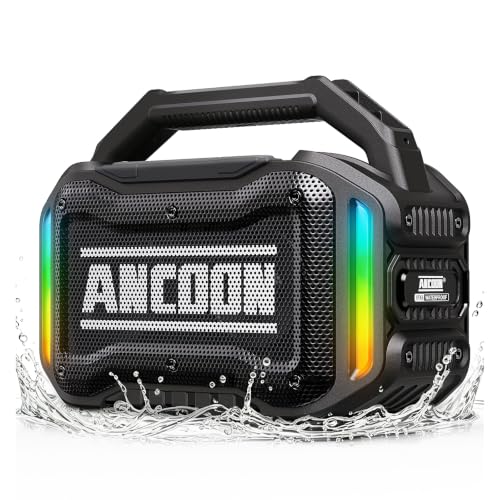

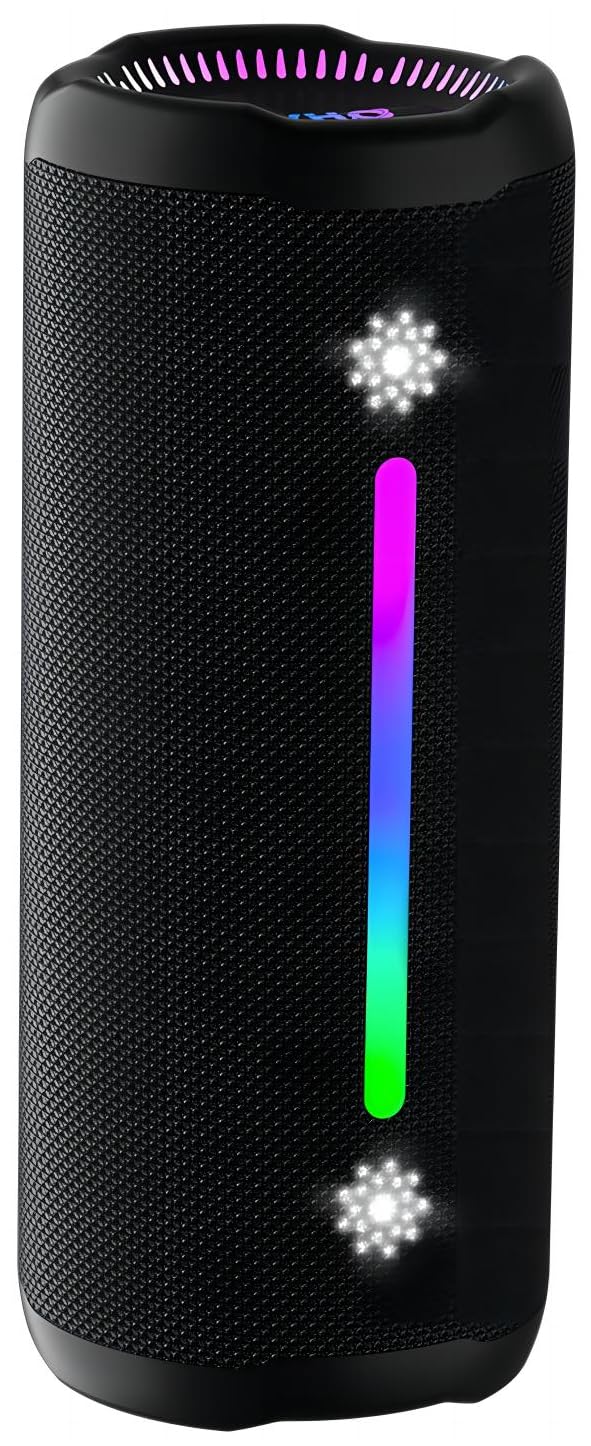
How to Judge the Best Bluetooth Loud Speakers
Sound Quality and Tuning
Judge loudness by clean output at the distance you will actually listen, not by a peak watt claim. A good loud speaker keeps voices clear and cymbals crisp when the volume rises, instead of turning harsh. Look for a stated frequency response and sensible driver sizes, and treat vague promises with caution. Balanced tuning suits most music, while a bass heavy tune can muddy speech and podcasts at lower volumes.
Loudness Without Distortion
A loud speaker wins by rising cleanly above the noise around you, since a speaker cannot cancel room noise the way headphones can. What matters is headroom, meaning the speaker can play well below its limit and still sound relaxed. If a model sounds strained in store demos or clips at high volume in owner videos, it will struggle outdoors. Passive radiators can deepen bass, but placement against a wall or in a corner changes the result a lot.
Connectivity
Bluetooth 5.3 or newer gives steadier range and better power use than older versions, and multipoint lets you stay paired to a phone and a laptop at once. Codecs such as AAC suit iPhone users, while aptX and LDAC can help Android listeners with matching phones. A wired input is still valuable for a television, a turntable setup, or zero delay watching. For a smaller room or desk, the options in our guide to the best small loud bluetooth speakers apply these same connection checks at a compact size.
Battery Life and Charging
Battery claims are usually measured at moderate volume, and loud playback can cut real life to half the stated figure. Plan around your longest typical session, then add margin. Around 12 to 20 hours suits most day long uses, while party speakers that run on wall power skip the worry entirely. Fast charging helps, and USB C charging means one cable can serve your phone and speaker on a trip.
Ecosystem and App Features
A companion app earns its place when it offers an equalizer, firmware updates, and a simple way to pair two speakers for stereo. Stereo pairing matters more than many buyers expect, because two moderate speakers often fill a room better than one louder box. Check whether features need an account, and whether the app still gets updates. If sound quality is your top priority above raw volume, our guide to the best quality bluetooth speakers weighs tuning and detail more heavily.
Placement and Room Size
Match output to the space. A bedroom or office needs clarity at two to ten feet, a living room needs enough power for listeners across the room, and a yard needs a speaker built to project outdoors where sound escapes in every direction. For patios and open yards, start with the models and durability notes in our guide to the best outdoor loud bluetooth speakers before you compare indoor models.
Place a loud speaker at ear level and a little away from walls for the clearest sound. Corners boost bass but can blur voices, so pull the speaker forward when speech matters. Outdoors, raising the speaker on a stand or table carries sound farther than leaving it on the ground.
Calls and Voice Pickup
A built in microphone lets a speaker double as a speakerphone, which helps in a workshop or kitchen. Pickup quality drops fast with distance and wind, so treat this as a bonus rather than a reason to buy. If calls matter, look for clear owner feedback about echo and voice clarity. Most loud party and outdoor models focus their budget on drivers and battery instead, and that trade usually makes sense.
Three Price Tiers That Pass This Checklist
Upper Midrange Tier
The overall sweet spot usually sits around $150 to $300. At this level you can expect strong clean volume for a living room or small yard, Bluetooth 5.3, an app with an equalizer, and battery life that survives a full day of mixed use. Build quality improves too, with firmer controls and better weather sealing. This tier suits most buyers because it balances output, features, and price without paying for extreme size.
Value Tier
Around $60 to $150, value models trade some headroom and polish for a much lower price. You can still get honest loudness for a bedroom, office, or small patio, plus basic water resistance and a full day battery at moderate volume. Expect simpler apps, fewer codecs, and bass that thins out at maximum volume. Choose this tier when the speaker stays in one modest space and the playlist matters more than sheer power.
Compact Tier
Compact loud speakers, often around $50 to $120, aim to sound bigger than their size in a bag, a hotel room, or a small apartment. They cannot move air like a large party speaker, so judge them on clarity and smart tuning rather than bass depth. Weight and a strap or clip matter here. For homes where the speaker lives outside most of the year, compare the sealed builds in our guide to the best exterior bluetooth speakers instead of a travel model.
Quick Buyer Checklist
- Will you listen mostly indoors, outdoors, or both?
- How far from the speaker will most listeners sit?
- Do you need battery power, or will wall power work?
- Does the speaker stay clean and clear at the volume you need?
- Do you want stereo pairing with a second speaker later?
- Is the water resistance rating strong enough for your setting?
- Does the app offer an equalizer and firmware updates?
- Can you charge it with the cables you already carry?
Red Flags to Watch For
Watch for watt claims with no driver size, no frequency response, and no battery test conditions, because that pattern usually hides weak hardware. Be wary of unknown brands with no stated warranty or support address. A missing IP rating on a speaker sold for outdoor use is another warning sign. Finally, treat a flood of similar glowing reviews posted within days of each other as a reason to look for independent owner feedback. Shoppers focused on open air listening can cross check priorities in our guide to the best bluetooth speakers for outside.
Care and Maintenance Tips
Keep firmware updated through the app so pairing and battery behavior stay current. Wipe grilles with a dry cloth, and rinse a waterproof speaker only as its rating and manual allow. Store the speaker indoors during long stretches of harsh weather, and avoid leaving the battery fully empty for months. Charge it partway before storage and top it up every few months to protect battery health.
Frequently Asked Questions
Is paying more for extra watts worth it on a loud speaker?
Peak watt numbers are measured under conditions that rarely match real listening, so a bigger number does not guarantee a louder or cleaner speaker. Spend the money on headroom instead, meaning clean output above the noise around you. A speaker that plays clearly at the volume you need will beat a model with a larger claim that distorts.
How long does the battery last on a loud Bluetooth speaker?
At moderate volume, many models run about 12 to 24 hours, but loud playback can cut that to roughly half. Outdoor and party use at high volume is the hardest test. If your events run long, choose wall power, a swappable battery design, or a model that can play while charging, and carry the charging cable as a backup.
Wired or wireless: which sounds better for loud speakers?
A wired connection can sound slightly cleaner and removes delay, which helps for video and instruments. Modern Bluetooth with a good codec sounds very close for music, and the freedom to move the speaker often matters more. Choose wireless for convenience and gatherings, and keep a wired input on your shortlist if you plan to connect a television.
What IP rating do I need for outdoor use?
IPX5 handles rain and splashes for most patio use, while IP67 means the speaker can survive brief immersion and dusty settings. The first digit covers dust and the X or number after IP covers water in the common shorthand used on listings. Match the rating to your worst realistic day, not your average one, and dry the charging port before you plug in.
Do I need a special codec for loud Bluetooth speakers?
No, the standard codec works fine for most listeners, and loudness depends on drivers and power rather than the codec. AAC is a good match for iPhone, and aptX or LDAC can add detail with matching Android phones. Codec support only helps when every link in the chain supports it, so check your phone first before paying extra for it.
Verdict
Clean volume, honest battery life, and the right size for your space are the three checks that matter most. Match those first, then let price tier and extras settle the rest. Compare the models in the product table above against this checklist, and the best bluetooth loud speakers for your room, yard, or gathering will be easy to spot.


