
Best Bluetooth Keyboards for MacBook Pro 2026: Buying Guide
Disclosure: We may earn a commission when you buy through links on this page, at no extra cost to you. As an Amazon Associate I earn from qualifying purchases. Learn more

How to pick the best bluetooth keyboards for macbook pro: layout, key feel, battery life and device switching for daily work.
Choosing a keyboard for daily Mac work is about comfort over long sessions, not about chasing the flashiest design. The best bluetooth keyboards for macbook pro let you type for hours without strain, switch between devices without fuss, and keep your desk tidy. This guide explains what to compare so you can narrow the field with confidence, and the comparison table below gives a quick overview before you read the detail.
Start with how you actually work. A writer needs quiet keys and a familiar layout, a coder needs reliable shortcuts and a stable connection, and a traveller needs a slim board that survives a bag. When you know your main routine, the rest of the choice becomes much easier, and you can ignore features that sound impressive but add little to your day.


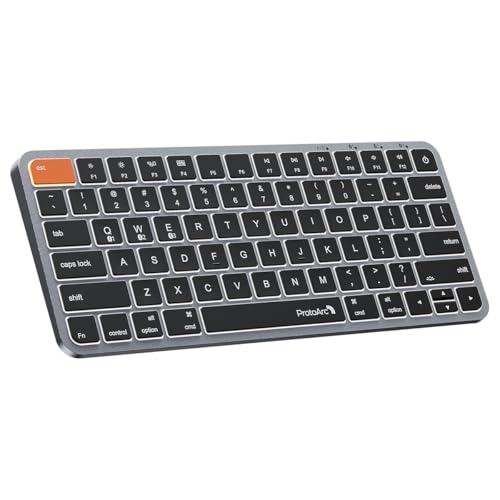

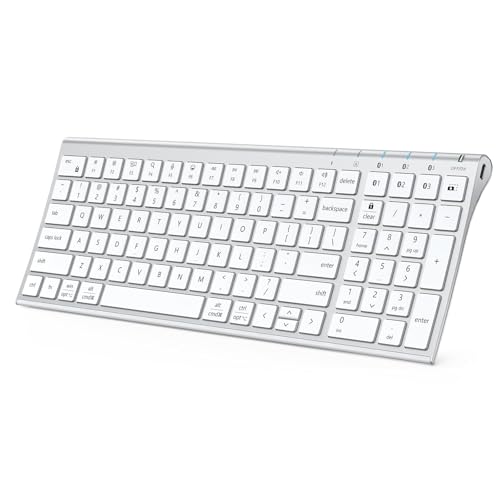


Who Should Buy Which Option
For Remote Workers and Creators
Remote work rewards a full size layout, clear key legends, and a connection that does not drop during calls. Look for a board that pairs quickly after sleep, holds a steady link across a normal room, and offers media keys you will actually use. A slight tilt and a firm base also help, because a board that slides or flexes will distract you all day.
For Travellers and Commuters
Travel boards should be slim, light, and tough enough for repeated packing. A compact layout saves bag space, while a long battery life means you are not hunting for a cable on the road. Check the weight, the case or cover options, and whether the keys stay protected, because a single damaged key can ruin a trip.
For Students and Everyday Users
Students and everyday users usually want simple pairing, a comfortable feel, and a price that leaves room for other gear. A standard layout avoids relearning keys, and a quiet action keeps shared rooms peaceful. Battery life matters here too, since a board that needs frequent charging soon becomes a chore.
Key Features to Compare
Key Feel and Layout
Key feel decides whether typing feels smooth or tiring. Short travel keys suit fast, light typing, while deeper keys give more feedback for long documents. Try to match the layout to the Mac arrangement you already know, including the command and option keys, so shortcuts feel natural from the first day.
Connection and Device Switching
A stable wireless link is more important than a long feature list. Look for easy pairing, clear steps to switch between a laptop, a tablet, and a phone, and a connection that wakes quickly. If you move between rooms, test the range in your own space, and keep the charging cable handy for the first week.
Battery Life and Charging
Battery life should be measured in weeks or months for normal use, not days. Check how the board charges, whether it works while charging, and whether a low battery warning gives you enough time to finish work. A simple charging routine beats a clever feature you forget to use.
Build, Tilt, and Desk Fit
A good board stays put, sits at a comfortable angle, and fits the space you have. Metal frames feel solid, plastic frames can be lighter, and a small tilt often helps wrist comfort. Measure your desk before you buy, and leave room for a mouse or trackpad beside the board.
Extra Keys and Software
Extra keys are useful only when they match your work. Media controls help during calls and music, while programmable keys help people who repeat the same actions. Keep the software simple, and avoid a board that needs a complex app just to type normally.
How to Choose the Best Bluetooth Keyboards for MacBook Pro
Before you order, list your top three needs in order, such as quiet keys, travel size, or multi device switching. That short list stops a single attractive feature from pulling you toward the wrong board. Then check the return window, so you can test the feel at your own desk for a few days.
Compare two or three boards side by side on layout, battery, and connection, rather than reading dozens of listings. Note which layout matches your Mac habits, which board feels best for your hand size, and which one charges in a way that fits your routine. A short comparison usually reveals a clear winner.
Finally, think about the extras you already own. A keyboard cover can protect keys in a bag, a small stand can improve the angle, and a spare cable avoids downtime. The product table above shows the main options, and the related guides below can help if you also need a cover or a second board for a tablet.
Care, Safety, and Everyday Use
Clean the board with a dry or lightly damp cloth, and keep food and drinks away from the keys. Dust between keys with short bursts of air, and store a travel board flat so keys are not pressed for long periods. Simple care keeps the action smooth and the legends readable for longer.
Use power saving settings when you travel, and charge before a long trip rather than waiting for a warning. If a key sticks, check for debris before assuming a fault, and test the board on a second device to separate a board problem from a computer setting.
A Final Check Before You Order
When you compare keyboards, pay attention to how the board handles the Mac shortcuts you use most, such as switching apps, taking screenshots, and controlling media. A board that places those keys naturally will save small frustrations every day, while a board that hides them behind awkward combinations will slow you down. Test the shortcuts you rely on during a normal work session, not only during a quick try, and note any key that feels hard to reach or easy to miss.
Consider the desk surface as well, because a board that slides on a smooth desk will distract you, while a board with good grip stays put during fast typing. A thin desk mat can help, and it can also protect the desk and reduce noise. Try the board on your real desk, with your mouse or trackpad beside it, and check whether your wrists stay in a comfortable, neutral position for an hour or more.
Think about charging habits before you commit, because a board that charges with a common cable is easier to keep ready than one that needs a rare cable. Keep a spare cable at your desk, charge before travel, and note how the board warns you about low battery. A clear warning gives you time to finish work, while a sudden shutdown can lose unsaved work and interrupt calls.
Also consider noise in shared spaces, because a loud board can disturb colleagues, family, or housemates, even if it feels satisfying alone. A quieter action suits open offices and shared rooms, while a louder action may be fine in a private room. Listen to the board in a quiet room, and ask others nearby whether the sound is acceptable during calls.
Finally, check how the board handles sleep and wake, because a board that reconnects slowly after a break will interrupt your flow. Open the laptop, wait a few seconds, and type a short sentence to see whether every key registers. A board that wakes cleanly and pairs without fuss will feel reliable day after day, which matters more than a single extra feature.
Related Guides to Explore
For related reading, see our guides on best keyboards for macbook pro, best external keyboards for macbook pro, best macbook pro keyboard covers, and best bluetooth keyboards for ipad pro, which cover closely related choices and may help you compare options before you decide. The product table above gives the main overview, while related guides add detail on neighbouring products.
Frequently Asked Questions
Do I need a Mac specific layout?
A Mac specific layout is helpful because the command, option, and control keys sit where Mac users expect them, which makes shortcuts feel natural. A general layout can still work, but you may need to relearn a few keys or remap them. If you switch between Mac and other systems often, a board with a clear layout switch is a practical choice.
Is a compact board comfortable for long work?
A compact board can be comfortable if the key spacing suits your hands and the board does not flex. Smaller boards save desk space, but they may move navigation keys into shared positions. Test the layout for a full work session when you can, and pay attention to arrow keys and shortcuts you use every day.
How important is battery life in practice?
Battery life matters most for travellers and people who dislike cables, because a board that lasts weeks removes a regular chore. For desk use, a shorter battery life is less of a problem if charging is simple. Look at real use patterns, such as hours typed per day, rather than a single headline number.
Can one board serve a laptop and a tablet?
Yes, many boards pair with more than one device and switch with a key or a button. Check that switching is quick and that the layout still feels right on the smaller screen. A board that takes several seconds to reconnect can interrupt calls, so test switching during normal work.
What should I check in the first week?
Check key feel over long sessions, connection stability after sleep, and whether shortcuts match your habits. Also check battery behaviour, tilt comfort, and desk fit with your mouse or trackpad. Early testing helps you spot a poor match while a return or exchange is still easy.
Final Thoughts
The right board is the one that disappears into your routine, with keys that feel right, a connection you trust, and a size that fits your desk and bag. Use the comparison table above, weigh layout and battery life first, and let extra features be a bonus rather than the deciding factor.
When you are ready, revisit your short list of needs and choose the board that meets the most important ones well. A calm, well matched choice will serve your MacBook Pro work far better than a flashy board that fights your habits, so take a little time now to pick the best bluetooth keyboards for macbook pro for your desk and enjoy smoother typing later.


