
Best Bluetooth Home Stereo Speakers 2026: Buying Guide
Disclosure: We may earn a commission when you buy through links on this page, at no extra cost to you. As an Amazon Associate I earn from qualifying purchases. Learn more

Learn how to pick Bluetooth home stereo speakers for clear stereo sound, easy wireless pairing, room friendly size, and inputs that suit music and TV.
A home stereo pair brings music to life with width and depth that a single small speaker cannot match. The comparison table below sets out the main choices, so begin with your room and your usual listening position. Best bluetooth home stereo speakers add wireless ease to that stereo experience, letting you stream from a phone, tablet, or laptop without running cables across the room.
Think about how you listen most: background music while cooking, focused album sessions, or film sound with the television. Each use rewards slightly different strengths, from wide stereo imaging to strong dialogue clarity. A pair that suits your main use will feel right far more often than a pair chosen only on power figures.
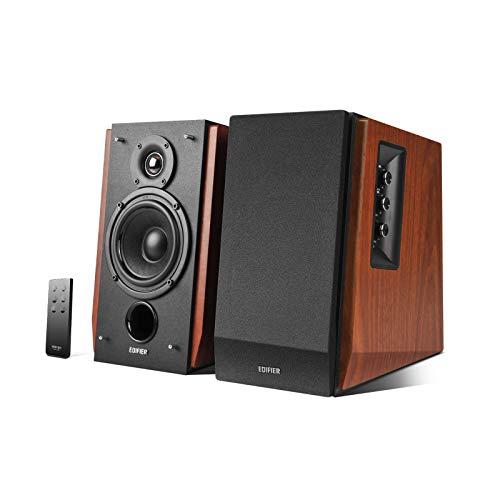
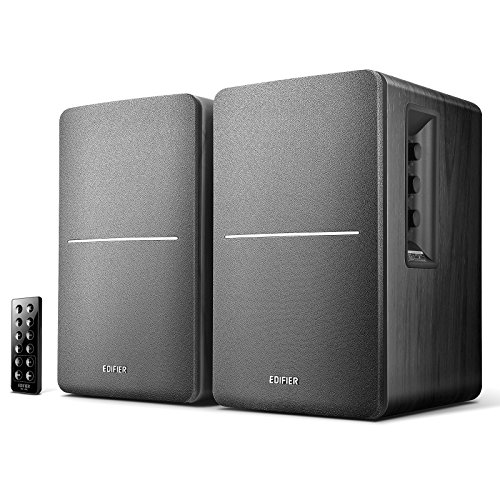

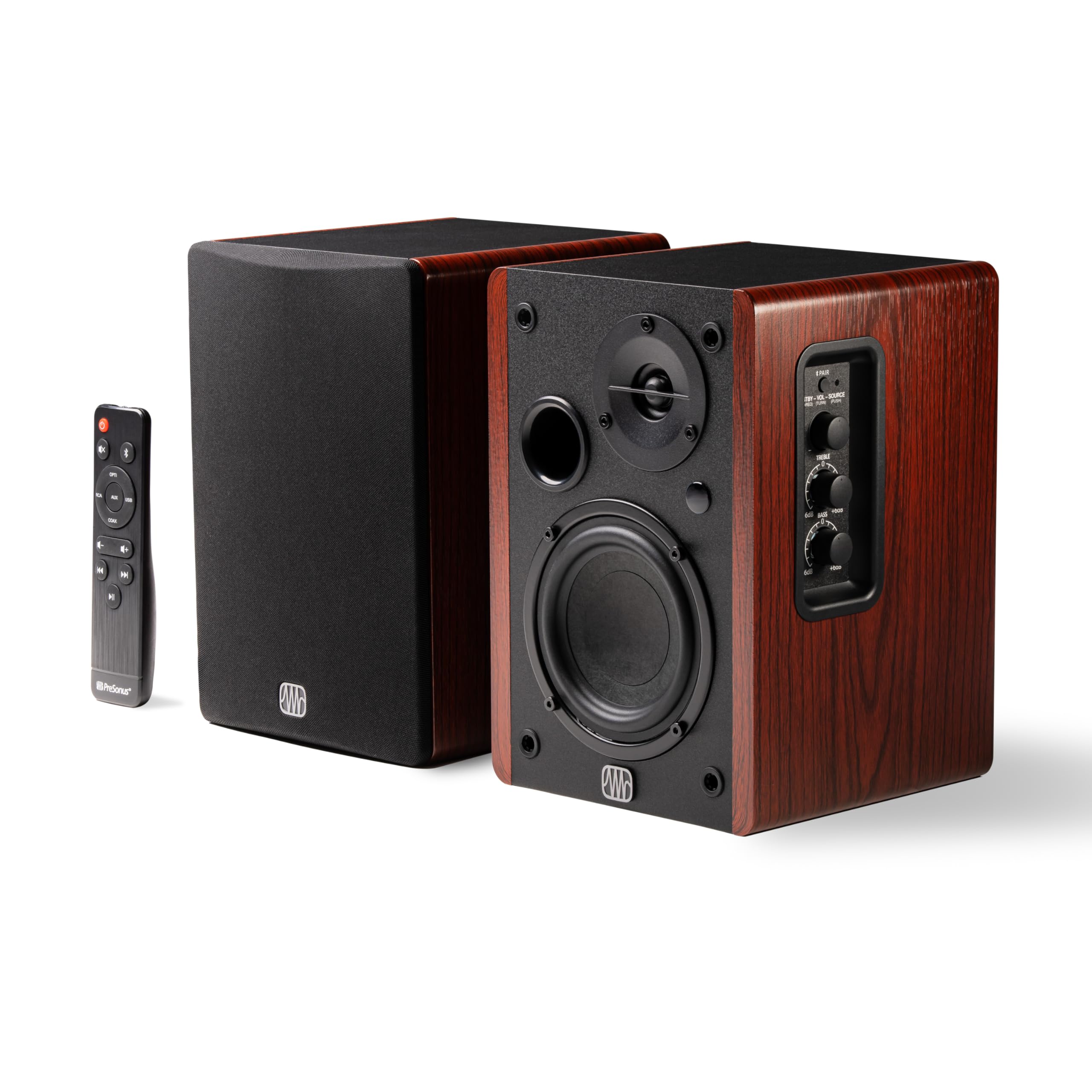
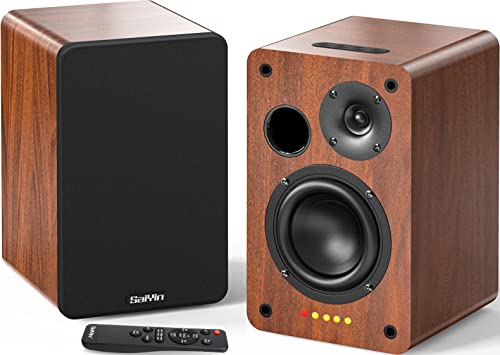
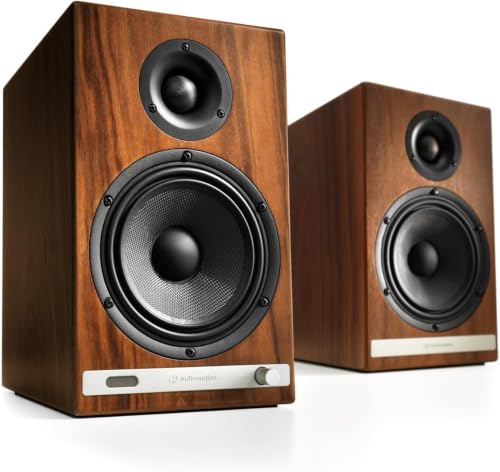


Stereo Imaging and Sound Quality
True stereo needs two separated speakers, which create a soundstage with voices centered and instruments spread left and right. Single speakers that claim stereo sound cannot reproduce that width, no matter how clever the processing. Place the pair symmetrically around your seat and keep obstacles out of the direct path for the clearest image.
Listen for vocal clarity first, since muddy voices spoil both music and films. Then check bass control: bass should feel firm and tuneful, not loose or boomy. Treble should sound smooth rather than sharp, especially on bright recordings. A balanced pair sounds good across many genres, not just one favorite style.
Room Size and Speaker Size
Bookshelf sized stereo speakers suit most living rooms and bedrooms, while larger pairs suit open plan spaces. Measure shelf or stand space before buying, and remember that speakers need some clearance for sound to breathe. Speakers pushed hard into a corner often sound bass heavy and less detailed.
Stands help a great deal, raising tweeters toward ear level and reducing vibrations from furniture. If stands are not practical, use isolation pads and keep the speakers stable. Small changes in height and angle often improve clarity more than any equalizer setting, so experiment before settling on a final position.
Bluetooth, Inputs, and Multi Source Use
Bluetooth pairing should be quick and stable from your usual seat, with easy switching between family devices. Some speakers remember several devices, while others need manual pairing again each time, which gets annoying in a shared home. Test switching behavior early, and check whether a guest device can connect without disturbing your setup.
Wired inputs still matter for television, turntables, and computers. Optical input suits televisions, auxiliary input suits older devices, and USB suits computers. A speaker with several inputs stays useful as your sources change, while a Bluetooth only speaker can feel limiting within a year or two.
Controls, Voice, and Everyday Ease
Daily controls should be simple enough for everyone in the home to use. A clear remote, accessible buttons, or a straightforward app all work, but fiddly touch panels on the speaker itself can frustrate. Check volume steps too: large jumps between steps make quiet listening hard to fine tune.
Voice control suits some homes and annoys others, so decide whether you want a microphone listening in your living room. If privacy matters, choose speakers with a physical microphone mute or skip voice features entirely. Smart features should serve your routine, not add menus and updates you never wanted.
Placement, Care, and Long Term Value
Place stereo speakers at similar distances from your seat and away from heat sources and direct sunlight. Dust the cabinets and grilles gently, and check cables and Bluetooth pairing every few months. If sound changes suddenly, check placement and source settings before assuming a fault, since a moved speaker or changed app setting often explains it.
Good home stereo speakers should last many years, so weigh build quality and input flexibility alongside sound. A pair that handles music, television, and occasional parties without fuss gives better long term value than a specialized pair. Keep the box and manual for resale or moving, and note the warranty terms before buying.
Getting the Most From Your Home Stereo Pair
Build a listening habit around your stereo pair by choosing a regular seat and keeping the area between speakers clear of clutter. Sound travels best without coffee tables, plants, or toys blocking the direct path, and a clear path preserves vocal focus and stereo width. Sit at a similar distance from both speakers when possible, since lopsided seating collapses the soundstage toward the nearer speaker.
Use a few reference tracks you know deeply to judge placement and settings, rather than relying on unfamiliar demonstration music. Familiar voices and instruments reveal changes in clarity, bass, and treble instantly, while new music hides flaws behind novelty. Revisit those tracks after any move or setting change, and trust consistent impressions over single session excitement.
Explore the full range of your sources, from streaming and television to vinyl or CD if your system supports them, since each source reveals different strengths. A pair that handles quiet acoustic tracks and loud film scenes equally well proves its versatility for daily home life. Note which inputs you actually use most, and simplify unused connections to reduce confusion for other household members.
A Final Check Before You Order
Before ordering, confirm that stands, cables, and input adapters are included or budgeted, since those extras add cost after purchase. Check speaker dimensions against shelves or stands, including depth for rear ports and cables, and confirm weight limits for wall shelves if you plan to mount them. A speaker that does not fit its intended spot will frustrate regardless of sound quality.
Finally, check return terms and whether the seller offers home trial, since room sound differs greatly from shop sound. Keep packaging until you are satisfied, and test television, music, and voice features in your first week. A careful trial period protects you from keeping speakers that suit a shop better than your home.
Related guides worth comparing include best home bluetooth speakers, best home stereo speakers, best portable bluetooth stereo speakers, best bluetooth speakers for home gym, and best home bluetooth speakers for music. They cover portable, gym, and music focused alternatives to a fixed stereo pair.
Frequently Asked Questions
Are two speakers really better than one?
Yes, two separated speakers create a true stereo soundstage with centered voices and instruments spread across the room. A single speaker, even a good one, cannot reproduce that width and depth convincingly. If you mainly listen while seated in one spot, a stereo pair gives a noticeably more engaging and natural result.
How do I pair Bluetooth home stereo speakers?
Put the speakers in pairing mode, open Bluetooth settings on your phone or laptop, and select the speaker name when it appears. Keep the source in the same room for a stable connection, and test playback from your usual seat. If pairing fails, forget the device on the source, restart both devices, and try again from a shorter distance.
Can stereo speakers work with a television?
Yes, stereo speakers work with a television through optical, auxiliary, or HDMI ARC inputs, depending on the model. Optical input usually gives clean sound and simple setup for most televisions. Check whether the television remote can control speaker volume, and adjust lip sync settings if dialogue and mouth movements drift apart.
What size stereo speakers suit a living room?
Bookshelf sized speakers suit most living rooms, especially when placed on stands at ear level. Larger floor standing models suit bigger open plan rooms where you sit further from the speakers. Measure your available space and seating distance first, since a speaker that fits the room usually sounds better than a larger one squeezed in.
Do I need a subwoofer with stereo speakers?
You need a subwoofer only if you want deeper bass for films or bass heavy music and your speakers cannot reach low enough. Many stereo pairs produce satisfying bass for music on their own. If you add a subwoofer later, choose one with adjustable crossover and volume so it blends with the main speakers rather than overpowering them.
Final Thoughts
A good home stereo pair should make everyday listening feel easy and enjoyable, not like a technical project. Focus on stereo imaging, room fit, reliable Bluetooth, and inputs that cover your sources. The product table above helps you compare those points across your shortlist.
Listen to familiar tracks when you can, and choose the pair that sounds balanced at your normal volume in your kind of room. That practical test matters more than any specification sheet. A thoughtful best bluetooth home stereo speakers choice will reward you every time you press play.


