
Best Bluetooth Headsets for Zoom 2026: Which One Fits the Way You Use It?
Disclosure: We may earn a commission when you buy through links on this page, at no extra cost to you. As an Amazon Associate I earn from qualifying purchases. Learn more

Match the best bluetooth headsets for zoom to your room and meeting load. Real use cases show where to spend and where to save on mic, comfort, and battery.
There is no single headset that suits every Zoom user, because a quiet home office, a shared kitchen table and a train platform all ask for different things. The best bluetooth headsets for zoom are the ones that match your room, your meeting load and the devices you switch between. This guide sorts buyers by use case first, then explains the features that change how you sound and how well you hear.
Start with your meeting hours and how noisy your space is, then use the comparison table below to narrow your shortlist by wearing style, connection type and battery life. A modest headset with a strong microphone often beats a costly music focused model.


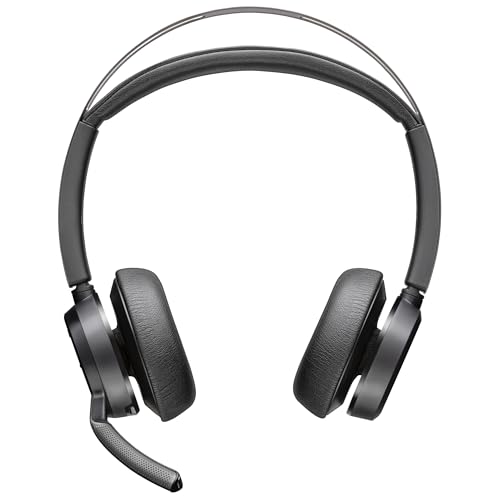
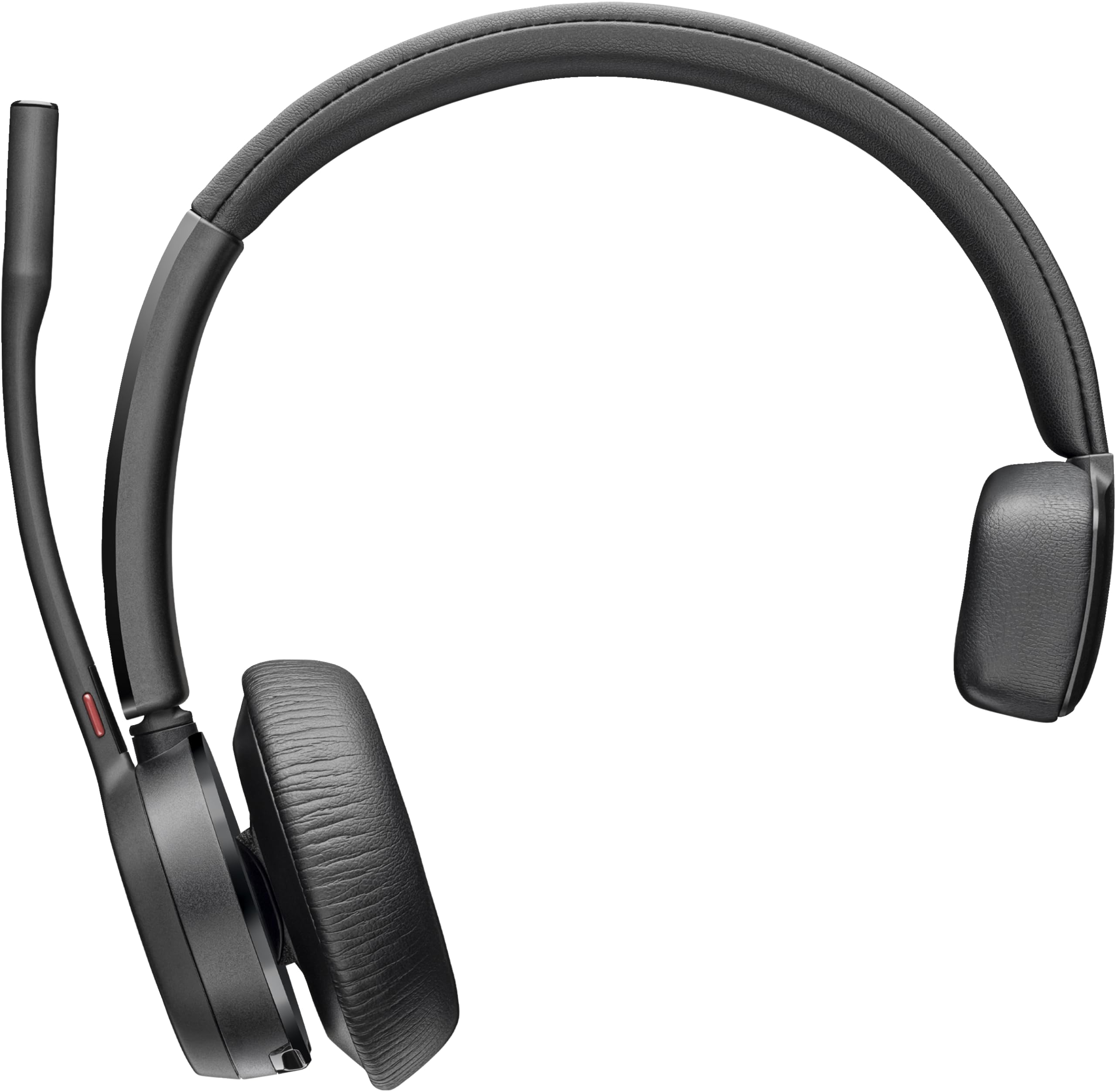


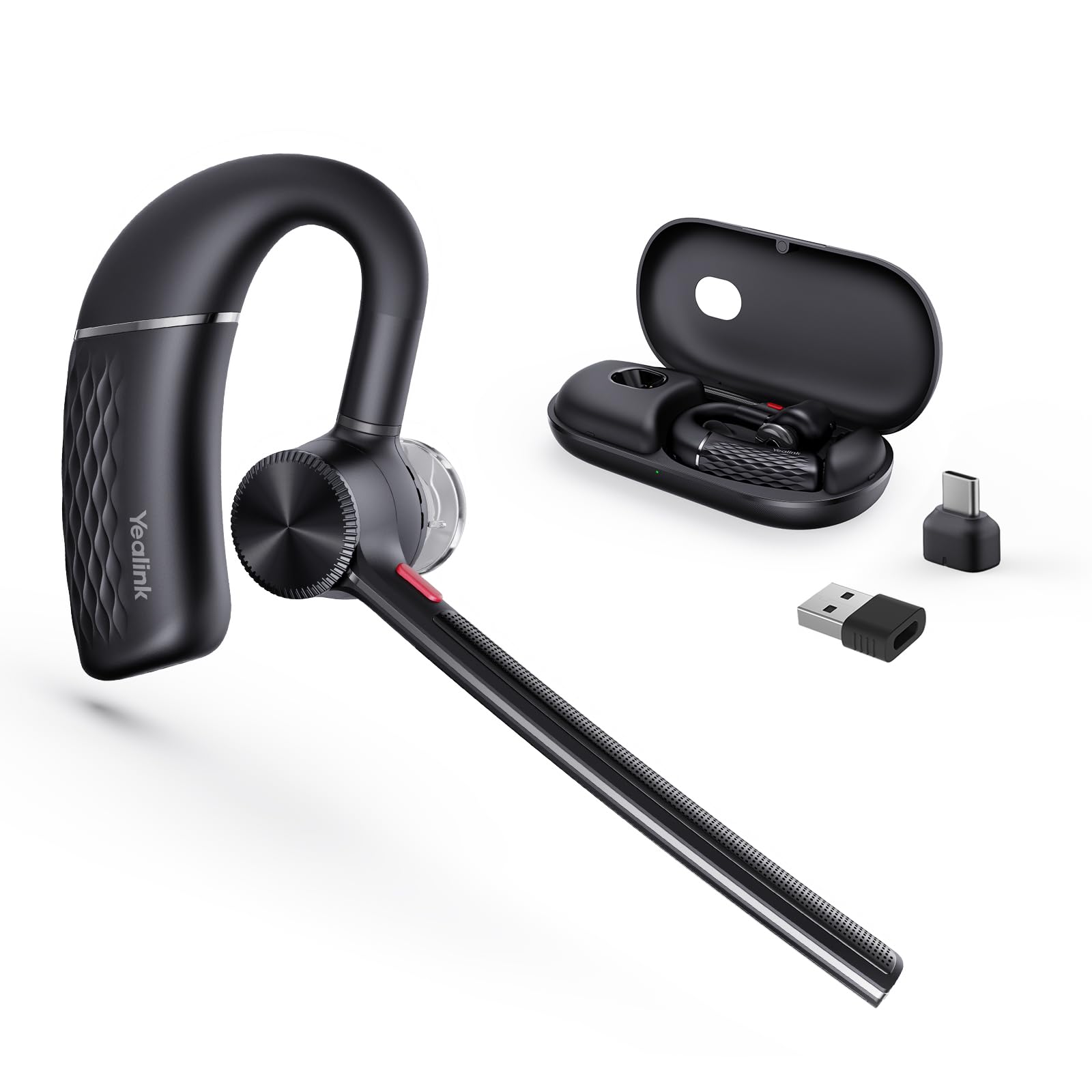


Who Should Buy Which Bluetooth Headsets?
Your daily pattern should decide the style and feature set before price does. Each group below points to a different balance of microphone quality, comfort and portability.
For Remote Workers and Creators
You spend hours in client calls, recordings or live lessons, so your voice is what other people judge. Prioritize a boom microphone close to your mouth, clear call controls and a stable laptop connection that reconnects at once when you open the lid. Stereo cups help you judge your own recordings, and a visible mute control matters when you present on camera.
For Power Users Who Switch Devices All Day
You move between a work laptop, a personal phone and maybe a tablet, and every reconnection costs attention. Look for multipoint pairing that holds two connections at once and a USB dongle that gives your computer a dedicated link. Quick switching matters more than deep bass, and a headset that announces the connected device prevents speaking into the wrong microphone.
For Students and Everyday Users
Your Zoom use is a class, a study group or a weekly family call, so value and simplicity lead. A comfortable on ear or earbud style with a clear built in microphone covers most lectures, and long battery life means one charge lasts a week of sessions. Simple controls beat extra app features. If voice clarity matters above all, see our guide to the best bluetooth headsets for calls.
For Travelers and Commuters
You join calls from airports, trains and hotel rooms where the room changes daily. Choose a light headset that folds flat or earbuds with a compact case, strong noise cancellation for travel noise and a battery that survives a full travel day. A style worn on one ear keeps you aware of platform announcements between calls.
Key Features to Compare
Features only matter when they solve a problem you actually have on calls. Note which two or three factors below rank highest for your room and routine before you shop.
Microphone Clarity and Call Controls
On Zoom, other people hear your microphone far more than you do, so voice pickup is the first feature to judge. A boom arm places the microphone near your mouth and usually captures a fuller, steadier voice than microphones hidden in an ear cup. Built in microphones rely on software to separate your voice from room noise, which works in quiet rooms and less well near a fan. A physical mute button or a boom you raise to mute prevents private sounds going out by accident.
Multipoint, Dongles and Computer Connections
How the headset reaches your computer shapes daily reliability. The best bluetooth headsets for zoom often include a USB dongle, because a dongle pairs once and tends to reconnect fast and stay stable. Bluetooth 5.3 direct pairing works fine on newer laptops and adds the freedom to walk about 30 feet in open space. Multipoint lets a laptop and phone stay connected together, and standard codecs such as SBC and AAC keep voice delay low enough that lips and sound stay in step on video.
Noise Cancellation and Isolation for Listening
Active noise cancellation reduces steady sounds such as air conditioning, traffic hum and plane engines, which lowers the effort of listening through long meetings. It does less against nearby voices, so in a busy shared office the seal of the ear cups matters just as much. Over ear cups block more sound passively, while earbuds rely on tip fit. Cancellation also uses battery power, so models that let you turn it off extend your day in a quiet room.
Sound Tuning, Drivers and App Features
Zoom voices sit in the midrange, so tuning that keeps speech clear matters more than heavy bass. Drivers of about 30 to 40 mm in over ear models give voices body without muddying them, and a frequency response that stays even through the voice range keeps consonants easy to follow. Companion apps add EQ presets, firmware updates and control settings. To see how tuning and build differ at the top end, see our guide to the best quality bluetooth headsets.
Battery Life and Charging Habits
Talk time is the rating that counts for Zoom, and it is always shorter than music playback time on the same headset. About 20 to 40 hours of talk time covers a full work week for most people, while heavy callers should look toward the top of that range. A quick charge that adds several hours from about 15 minutes plugged in rescues you before an unplanned meeting. USB C charging lets the headset share the cable on your desk.
Choosing a Wearing Style and Setting Up for Zoom
Wearing style changes comfort, awareness and how formal you look on camera. Over ear headsets give the best isolation and suit long desk based days, but they feel warm in summer and press on glasses for some wearers. On ear models are lighter and let in more room sound, and earbuds are the easiest to carry and the least visible on video. A single ear mono headset leaves one ear open for doorbells and colleagues, at the cost of stereo focus in noisy rooms.
Setup takes a few minutes and prevents most first call problems. Pair the dongle or Bluetooth connection first, then open the Zoom audio settings and choose the headset as both speaker and microphone rather than leaving the laptop defaults. Use the test tools inside Zoom to record a short sample and play it back, since a recording reveals buzzing a live call would hide. For a wider look at platform fit, see our guide to the best headsets for zoom.
Common Mistakes to Avoid
- Choosing by music sound alone, so you end up with rich bass and a weak microphone that makes your voice thin on calls.
- Skipping a dongle on an older laptop, so pairing drops force you to rejoin meetings on laptop speakers.
- Buying bulky over ear cups for travel, so the headset stays home on the trips where you needed it most.
- Ignoring mute controls, so you fumble with the mouse while a meeting waits and a private remark goes out live.
- Forgetting to check the return window, so an uncomfortable fit becomes a cost you carry for years.
Keeping Your Zoom Headset Ready for Daily Meetings
Keep firmware updated through the companion app, because makers often improve microphone processing and connection stability after release. Wipe ear cushions and ear tips weekly with a soft, slightly damp cloth and let them dry fully, since sweat and skin oils break down cushion foam. Store the headset in its case rather than loose in a bag, which protects the boom arm. Replace worn cushions when the seal weakens.
Bluetooth Headsets: Your Questions Answered
What features matter most in a Bluetooth headset for Zoom meetings on a tight budget?
Spend in this order if money is limited: microphone first, connection second, comfort third, and extras last. A headset about $50 to $100 with a boom microphone usually serves meetings better than a pricier music focused model without one. Noise cancellation for your own listening can wait unless your room is loud. This order keeps your voice and your reliability at the top of the list.
Is ANC worth the extra cost for Zoom calls at home and in shared offices?
ANC is worth paying for when steady noise runs through your calls for hours each day. In a quiet home office, the feature may sit unused for weeks, and the money serves you better in a stronger microphone. One point buyers miss is that cancellation helps only what you hear, never what your microphone sends, so it cannot clean up your voice for others.
Can a Bluetooth headset for Zoom stay connected to a laptop and a phone at the same time?
Yes, a multipoint headset can hold both connections at once and switch without new pairing. The behavior that surprises people is priority: an incoming phone call often pauses your meeting audio, and the meeting may keep running while you answer. Test this once before an important day so the switch feels familiar. If your phone rings often, set it to silent during meetings.
How long should a Bluetooth headset battery last for a full week of Zoom calls?
Plan on talk time, not the larger playback figure printed in large type. Ratings are measured at moderate volume, so loud listening and constant cancellation can trim the real total noticeably. Ten hours of meetings a week sits well inside a 30 hour talk time rating, with reserve for music. Charge on a fixed day, such as Friday afternoon, so a flat battery never opens your Monday.
Do Bluetooth headsets for Zoom need an IP rating for calls on the go?
Most desk based Zoom users do not need an IP rating at all. Ratings such as IPX4 describe resistance to splashes and sweat, which matters if you take walking calls in light rain. A full rating like IP67 belongs to gear built for harsh outdoor use and adds cost you will not recover at a desk. Check that any rating covers the headset itself, since some brands rate only the charging case.
The Bottom Line
Choose by your loudest problem first: a weak voice points to a boom microphone, a noisy room points to cancellation and a good seal, and constant device switching points to multipoint with a dongle. Match the wearing style to your longest typical call, and the best bluetooth headsets for zoom for your routine will feel obvious. Compare your finalists in the product table above before you order.


