
Best Bluetooth Headphones for Smartphones: What Actually Matters Before You Buy for 2026
Disclosure: We may earn a commission when you buy through links on this page, at no extra cost to you. As an Amazon Associate I earn from qualifying purchases. Learn more

Learn how to choose the best bluetooth headphones for smartphones with a clear checklist for sound, comfort, battery, calls, and everyday value.
A long spec sheet can hide a poor daily fit. This guide uses a simple checklist to help you judge the best bluetooth headphones for smartphones by sound, comfort, calls, and battery rather than by marketing claims. Each criterion below includes a clear good enough threshold, so you can compare options quickly and spot where extra money actually helps.
Start with the comparison table below, then score each option against the checklist. A pair that passes on the points you use daily will serve you better than a pair that wins on a feature you rarely touch.

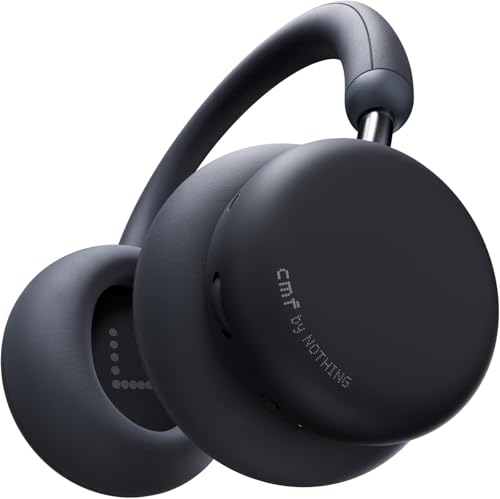

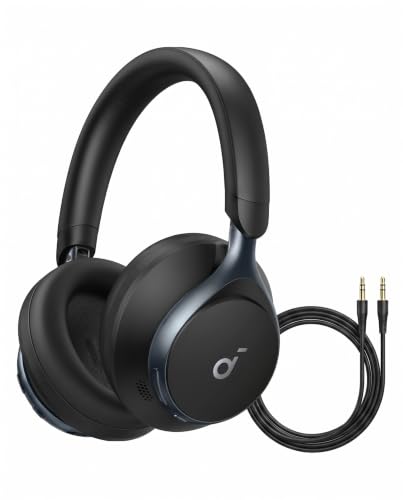
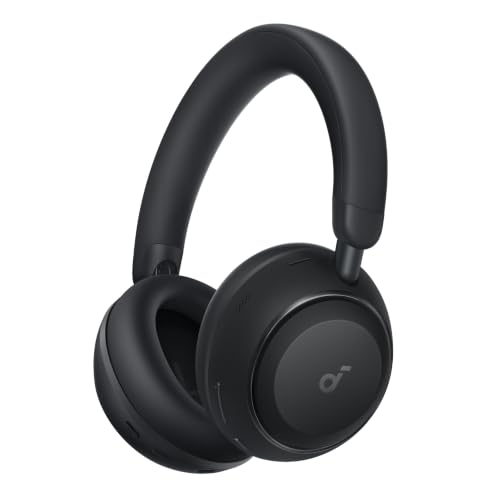
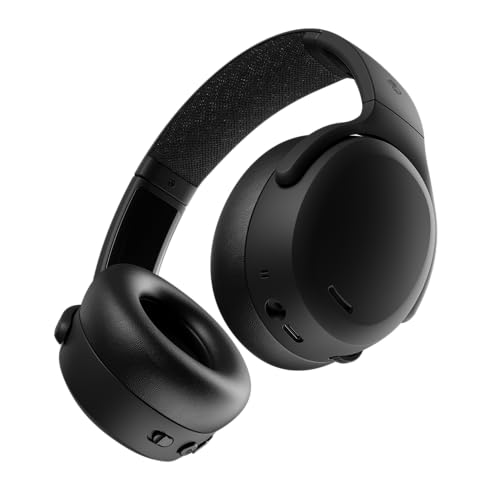

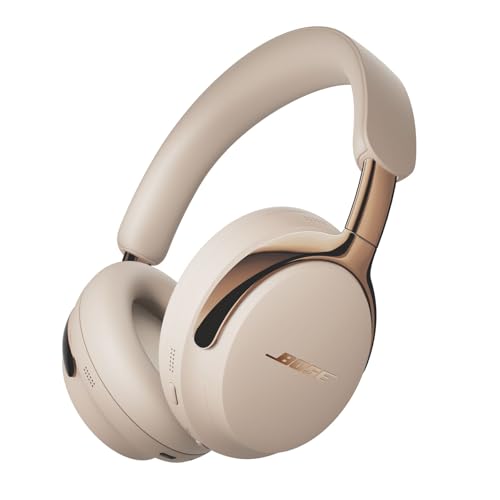
How We Evaluate Bluetooth Headphones
Features That Matter for Smartphones
Smartphone use mixes music, calls, video, and voice assistants in one day, so versatility matters more than a single peak spec. Look for Bluetooth 5.2 or newer, multipoint pairing if you also use a laptop, and controls you can operate without looking. Fast pairing features differ by phone brand, so confirm what your phone supports.
A useful threshold is simple. Pairing should take seconds, the connection should hold through a pocket or a bag, and the companion app should offer firmware updates and an equalizer. If any of those basics is missing, daily friction will follow you for years.
Sound Quality and Tuning
Judge sound by balance first. Voices and dialogue should stay clear, bass should support music without covering the mids, and high notes should not turn sharp at normal volume. Most models use drivers between 30 mm and 45 mm with a response near 20 Hz to 20 kHz, but tuning decides more than size alone.
A good sign is an equalizer with modest, repeatable steps rather than extreme bass modes. A poor sign is a spec sheet that shouts about power while saying nothing about codecs or tuning. If you listen mainly to spoken content, prioritize midrange clarity over deep bass strength.
Noise Cancellation and Isolation
Active noise cancellation works best on steady low sounds such as plane engines, train rumble, and office air systems. Good cancellation lowers those sounds enough that you can listen at a lower volume, which also protects your hearing. It will not silence nearby conversation or sudden sharp noises, and no honest checklist should claim that it does.
Passive isolation from a firm ear cup seal still matters with cancellation off. Test the seal by noting whether bass stays full when you turn your head. If bass vanishes with small movements, the fit, not the electronics, is your main problem.
Placement and Listening Space
Your main listening space sets your priorities. In a quiet home you may enjoy a wider, more open sound and can accept some sound leakage. In an office, on transit, or beside a sleeping partner, closed cups that leak little sound are the respectful and practical choice.
Storage also belongs on the checklist. Measure your bag pocket or desk drawer against the folded size, not the open size. A pair that stores easily gets carried and used, while a bulky pair often stays home even when its sound is excellent.
Comfort, Fit, and Weight
Comfort decides whether great sound gets heard. Aim for a weight under about 260 grams for over ear models, pads deep enough to avoid pressing your ears, and a headband that spreads pressure across the top of your head. Glasses wearers should pay special attention to pad softness and clamp force.
Use a one hour test in your mind. If reviews or store notes mention hot ears, jaw pressure, or a sore crown, treat that as a fail for long work or travel days. Short demo comfort often fades, so a generous return window is part of a smart purchase.
Durability and Water Resistance (IP Rating)
Durability shows in hinges, pads, and cases more than in slogans. Look for replaceable pads, a protective case, and hinges that fold without creaking or wobbling. IPX4 splash resistance covers light rain and workout sweat, which is enough for most commutes and walks.
Check the warranty length and what it covers before you buy. A longer warranty with clear terms is a stronger signal than vague claims about tough build. Also confirm that spare pads and cables are sold separately, because small parts usually wear out before the drivers do.
Profiles That Pass Our Checklist
Balanced All Round Profile
A balanced profile passes every checklist area without excelling at only one. Expect Bluetooth 5.2 or newer, around 30 hours of battery with cancellation on, multipoint pairing, and a usable app equalizer at about $100 to $250. Controls should work with gloves off and by touch or buttons that you can learn by feel within a week.
This profile suits most smartphone owners who mix work calls, music, and travel. Its limit is that serious listeners may want stronger codecs, and frequent flyers may want deeper cancellation from a higher tier.
Value Profile
A value profile passes the core tests and trims extras. It keeps stable pairing, clear microphones, and at least 25 hours of battery, while skipping premium materials and advanced spatial features. Prices often sit under $100, and fast charging that restores several hours in minutes is common even here.
Choose this profile for school, casual listening, and a second pair for a bag or office drawer. Its limit is usually pad quality and cancellation depth, so check pad replacement options before you commit to years of use.
Premium Profile
A premium profile adds stronger cancellation, richer codec support such as LDAC, and better call clarity in wind. Materials improve too, with softer pads and a frame that stays quiet and solid over time. Expect about $250 to $400, plus features such as wear detection that pauses music when you lift a cup.
This tier pays off for frequent flyers and focused listeners with high quality music files. If your phone lacks the matching codecs or your days are quiet, the same money may serve you better in a balanced model plus a good case.
Quick Buyer Checklist
- Does the pair support a codec your phone can actually send, such as AAC, LDAC, or aptX?
- Does pairing stay stable with your phone in a pocket, a bag, or the next room?
- Can you wear it for your longest normal session without hot ears or crown pain?
- Does battery life cover your longest trip or work week without a midday charge?
- Do callers hear you clearly outdoors, based on microphone details and user reports?
- Are pads, cables, and a case included or easy to buy later at a fair cost?
- Does the return window let you test fit at home for several full days?
If you answered no to two or more questions that affect your daily routine, keep comparing. For a broader pairing view, see our guide to the best bluetooth for smartphones across device types.
Red Flags to Watch For
- Vague specifications that list no Bluetooth version, no codec names, and no battery figure with cancellation on.
- No clear warranty terms or no way to buy replacement pads, cables, or ear tips for the model.
- Claims of extreme battery life at a tiny price with no mention of volume or test conditions.
- An app with poor recent reviews about dropped connections, forced accounts, or broken firmware updates.
- Controls that require an app for basic tasks such as volume, pairing, or switching devices.
One red flag alone may be a tradeoff you accept for price. Several together usually mean the low price will cost you time, returns, and a second purchase sooner than you planned.
Tips to Get the Most From Your Pair of Bluetooth Headphones
Keep firmware updated through the companion app, because updates often improve pairing stability and battery handling. Store the pair in its case to protect drivers and hinges, and clean ear tips and pads regularly so sweat and oils do not harden the material or dull the seal.
Set a sensible volume ceiling in your phone settings for long sessions. Lower volume in quiet rooms preserves both your hearing and your battery, and it makes cancellation more effective because outside noise has less competition.
If you want a wired backup for flights or editing, our guide to the best wired headphones for smartphones explains that option, and Android owners can also compare the best headphones for android smartphones for platform specific notes.
FAQs
What features matter most in bluetooth headphones for smartphones?
Stable pairing, codec match, and comfort matter most. Your phone and the headphones must share at least one good codec, and the fit must survive your longest session. One point often missed is microphone placement for calls in wind, so if you talk outdoors daily, weigh call samples and mic design more heavily than music tuning alone.
What IP rating do I need for outdoor use?
IPX4 is enough for light rain, splashes, and workout sweat during normal outdoor use. It does not protect against immersion, so remove the pair in heavy rain and never swim with it. After a wet walk, dry the cups and charging port fully before you plug in, because moisture in a port can cause charging faults.
Do I need a special codec?
No special codec is required for enjoyable listening on standard streaming settings. AAC and SBC cover most needs well. A higher detail codec helps only when your phone supports it, your music files or streaming plan carry extra detail, and you listen in a quiet place where that detail is not masked by street or office noise.
Is ANC worth the extra cost?
ANC is worth the cost when steady noise fills much of your listening time, such as flights, trains, or open offices. It is less valuable in quiet homes, where a good seal gives most of the benefit without battery drain. Consider also that cancellation can add a faint pressure feeling for some listeners during long sessions.
How long does the battery last?
Most models today offer about 25 to 40 hours with cancellation on, depending on volume and codec. High detail codecs and high volume shorten that figure noticeably. A practical extra check is standby behavior. A pair that holds charge for weeks in a drawer is far more useful for travel than one that drains itself while stored.
Wired or wireless: which sounds better?
Wired listening can carry a slight edge in pure detail because the signal avoids wireless compression. In daily smartphone use the difference is small, and wireless freedom usually matters more. A smart compromise is a wireless pair with a cable in the box, so you can switch to wired sound on flights or when the battery is empty.
Our Verdict
Score fit, codec match, and battery first, then let price tier decide the extras. That order keeps your money on daily comfort instead of headline features. Use the product table above to compare your finalists, and choose the best bluetooth headphones for smartphones that pass your own checklist with the fewest compromises for the way you actually listen.


