
Best Bluetooth DJ Speakers of 2026: Complete Buying Guide
Disclosure: We may earn a commission when you buy through links on this page, at no extra cost to you. As an Amazon Associate I earn from qualifying purchases. Learn more

Learn how to choose the best bluetooth dj speakers for parties and practice, with clear advice on power, bass, battery life, inputs, and room size.
A DJ speaker has a harder job than a living room speaker. It must fill a room with people, keep bass tight at high volume, and accept a feed from your controller or mixer without fuss. If you are sorting through the best bluetooth dj speakers for the first time, the spec sheets can blur together fast, because watt numbers and driver sizes only tell part of the story.
This guide explains what actually decides whether a speaker works at a party, a practice session, or a small event. The comparison table below is a good starting point, and the sections that follow will help you read it with a clear sense of power, coverage, inputs, and portability for your space.


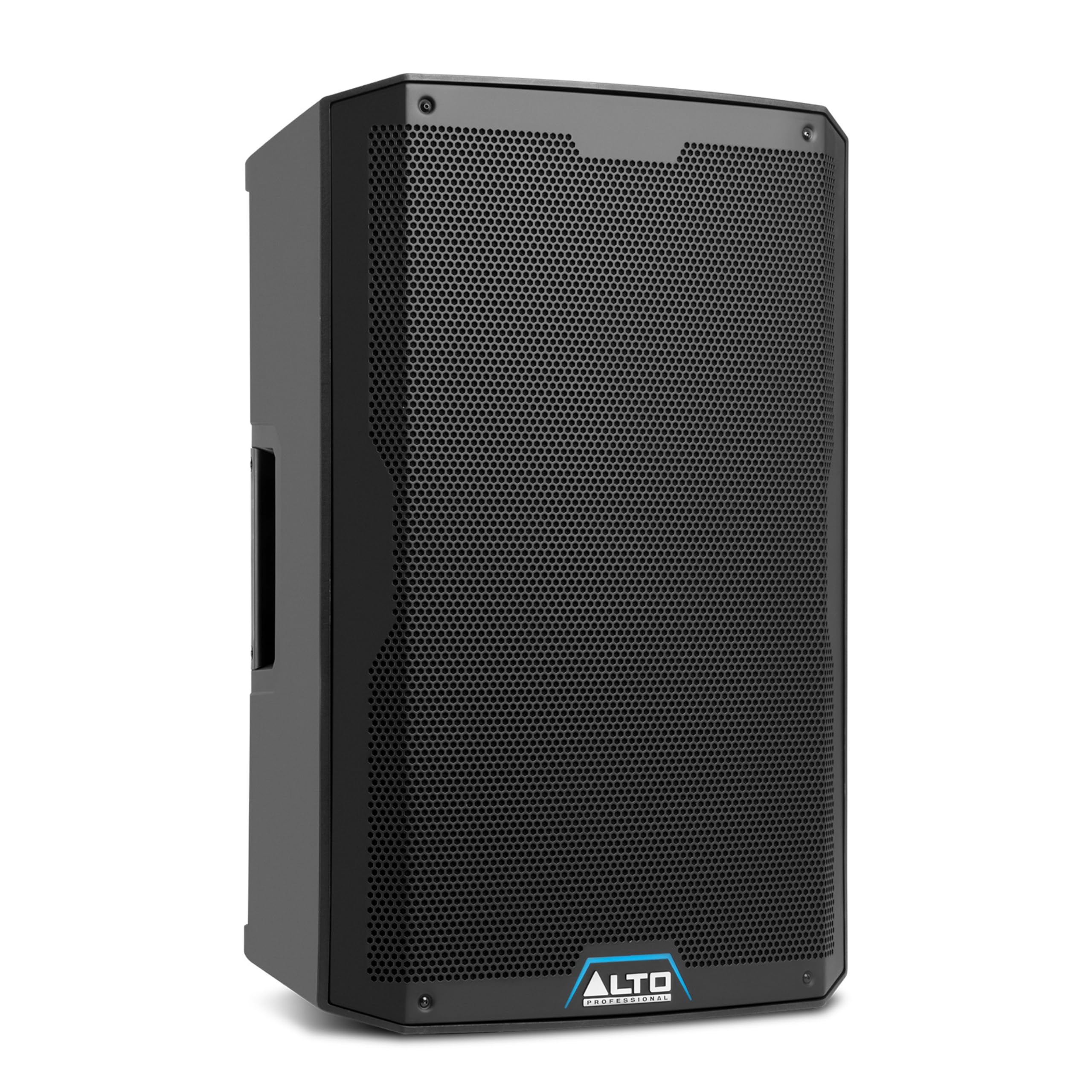


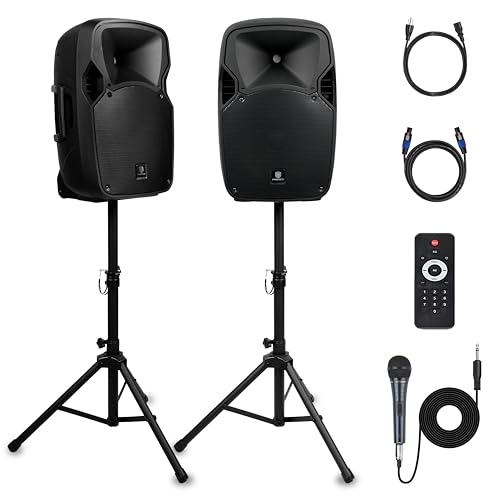


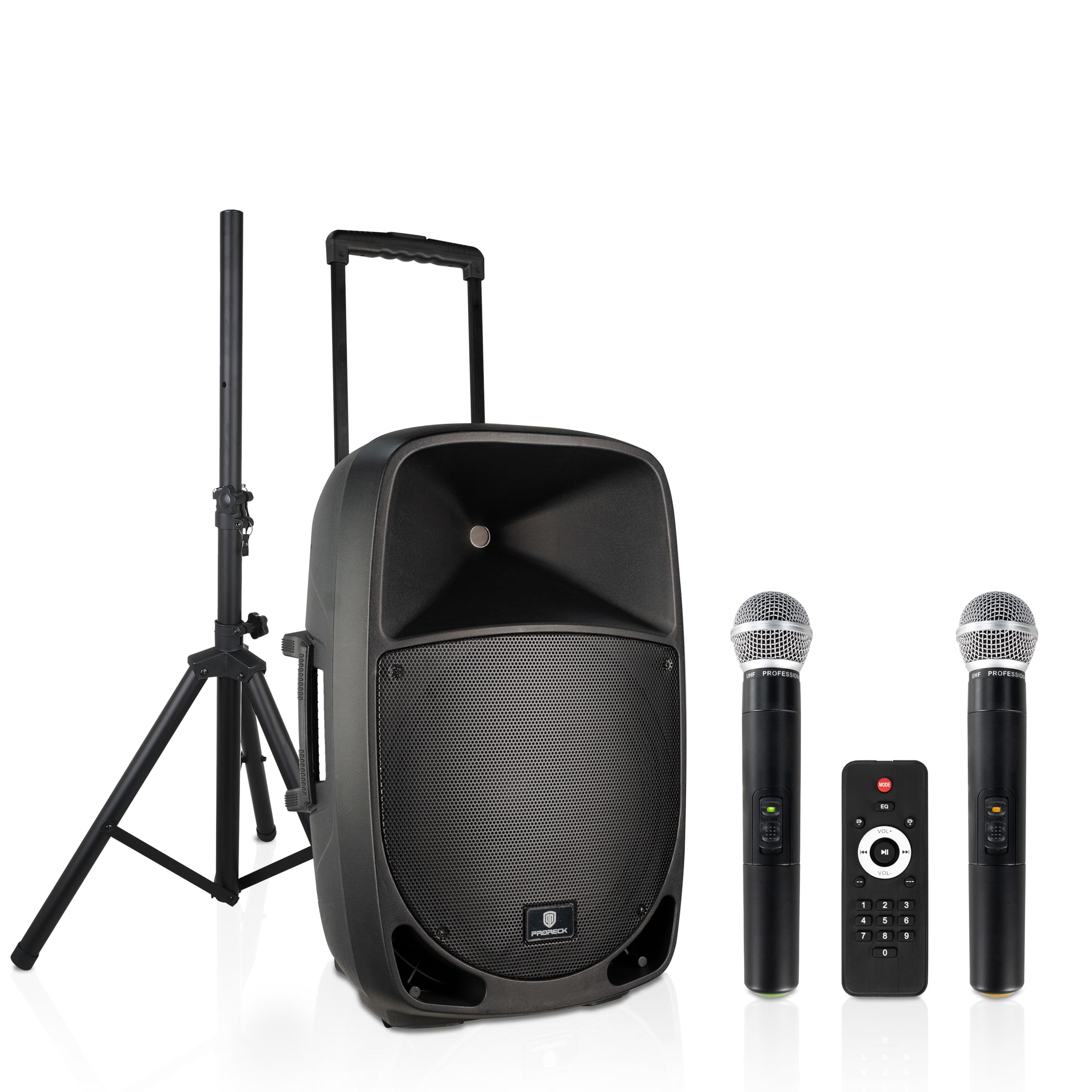
Price Tiers at a Glance: What Each Level Usually Delivers
Since the right choice depends on venue size more than on any single feature, it helps to think in tiers. The tiers below describe what each price band generally delivers, so you can match a tier to your room before you compare individual listings in the product table above.
Entry Tier for Practice and Small Rooms
Entry tier models, often under $250, suit bedroom practice, small gatherings, and learning your controller at home. Expect one compact cabinet, modest bass depth, and enough volume for a room of about ten to twenty people at social levels. Bluetooth range and battery life are usually fine, but inputs may be limited to Bluetooth and one auxiliary jack. The main limit is headroom. Push an entry model to fill a hall and the sound turns harsh, because the amplifier and driver are working at their ceiling.
Mid Tier for Parties and Regular Gigs
Mid tier models, roughly about $250 to $600, are the sweet spot for most mobile DJs. You generally get a larger woofer, a stronger amplifier, balanced inputs for a mixer, and a cabinet built to handle transport. Sound stays clean at party volume, and many models let you pair two cabinets for stereo or wider coverage. Battery powered options in this band often run a full evening event at moderate volume. For most readers, this tier delivers the best balance of power, durability, and cost per event.
Top Tier for Large Rooms and Paid Events
Top tier models, often above $600 per cabinet, target weddings, school dances, and venues where clarity at distance matters. Expect high maximum output, wide and even dispersion, sturdy enclosures, and flexible mounting on stands. Many add app control for equalizer and level settings across a pair. The trade off is weight and price, and a single top tier cabinet can be more than a small apartment setup needs. If you play paid events weekly, the reliability and headroom usually repay the cost.
If portability is your top concern, our guide to the best portable bluetooth dj speakers focuses on weight, handles, and battery runtime for DJs who move often.
How to Choose the Best Bluetooth Dj Speakers: Buying Guide
Sound Quality and Tuning
For DJ use, clean output at high volume matters more than a flattering sound at low volume. A larger woofer, commonly 8 to 15 inches in powered cabinets, moves more air for bass, while a compression driver handles highs with less strain. Look for a stated frequency response that reaches down near 50 Hz if you play bass heavy music without a subwoofer. A mostly neutral tuning is safer than a heavily boosted one, because you can add bass with your mixer equalizer, but you cannot remove distortion caused by an overdriven cabinet.
Ecosystem and App Features
Companion apps on DJ speakers usually control equalizer presets, input levels, pairing of two cabinets, and firmware updates. Firmware updates are the most valuable part, since they can fix Bluetooth dropouts and improve fan or protection behavior. App control also helps when the cabinet sits on a stand out of easy reach. Still, physical knobs for gain and a simple tone control remain essential, because an app is no help when your phone is busy running your lighting or your track requests.
Battery Life and Charging
Battery models quote runtime at moderate volume, and real party volume cuts that figure sharply, sometimes by half. Plan with margin. If your event runs five hours, choose a model rated well beyond that at the volume you expect. Swappable batteries are a strong plus for long days, and the ability to run while plugged in means a low battery never ends the night. Check the charge time too. A cabinet that needs an overnight charge is harder to turn around between events on back to back days.
Weight and Portability
Weight decides whether you will happily take the speaker to every gig. Cabinets range from under 20 lb for compact models to over 50 lb for large powered units. Look for well placed handles on two sides, not just a top grip, and check the total load with stands and cables included. Pole mount sockets should fit standard stands without wobble. If you load a car alone, two lighter cabinets are often easier to handle than one very heavy unit with similar total output.
Connectivity (Bluetooth Version, Codecs, Wired)
Bluetooth is for convenience sources such as a phone for background music or a quick guest request, while your main DJ feed should normally arrive by cable. Balanced XLR or quarter inch inputs from a mixer give you a stable, low noise link with no wireless delay. Bluetooth 5.3 improves range and pairing speed, and multipoint lets a phone and a laptop stay connected for breaks. Latency matters if anyone tries to mix over Bluetooth, because even a small delay makes beat matching feel sluggish. Treat Bluetooth as a backup and a break music tool, and wire your controller for the set itself.
For a wired first view of the wider category, see our guide to the best dj speakers for cabinet sizes and power classes explained in more depth.
Placement and Room Size (for Speakers)
Coverage depends on placement as much as power. Raise cabinets on stands so the high frequency driver sits near or above head height, which lets sound travel over a crowd instead of into the first row of dancers. In a long room, a slight inward angle toward the dance floor evens out the level. Two smaller cabinets spaced apart usually cover a wide room better than one large cabinet in a corner. Outdoors, sound escapes in every direction, so you need notably more output than the same crowd would need indoors.
Microphone Quality
Many DJ speakers include a microphone input for announcements, toasts, and simple emcee work. A dedicated mic channel with its own gain control and a bit of echo or reverb control is enough for speeches. Check whether the mic input shares a channel with your music source, because shared channels force awkward level compromises. If you run formal events often, a small external mixer gives you better control, and the speaker simply becomes clean amplification for whatever you feed it.
Types of Bluetooth Dj Speakers
Home and Bookshelf Models
Home and bookshelf models are compact powered speakers meant for practice, streaming sets, and small rooms. They offer accurate sound at close range and easy Bluetooth pairing, but they lack the output and rugged cabinets for events. They suit new DJs who play mostly at home and want to hear their mixing clearly without shaking the house.
Outdoor and Rugged Models
Outdoor and rugged models add sealed controls, stronger enclosures, and in some cases an IP rating against rain and dust. They handle patios, parks, and beach gatherings where a fine finish would suffer. Output varies widely in this group, so check the maximum level and battery runtime rather than assuming rugged also means loud. If most of your events move outside, our guide to the best exterior bluetooth speakers covers weather resistance in more detail.
Wired Models
Wired models skip the battery and sometimes Bluetooth entirely, and put the full budget into drivers, amplification, and cabinet strength. They are the standard choice for fixed installs and serious mobile rigs where power outlets are always nearby. You lose grab and go freedom, but you gain consistent output for long events with no runtime planning at all.
Tips to Get the Most From Your Bluetooth Dj Speaker
- Keep firmware updated. Updates from the maker often improve Bluetooth stability and protection limits, so check the app before a busy season rather than the night of an event.
- Set gain with headroom. Raise the speaker gain so your mixer runs in its healthy middle range. A speaker driven into clipping sounds harsh and risks damage over a long night.
- Store and transport with care. Use a padded cover or case, keep cables in a separate bag, and never stack heavy gear on the grille during transport.
- Avoid max volume for long sessions. Backing off slightly from the limit keeps the sound clean and gives the amplifier thermal room on hot days.
- Run the full chain at home. Connect your controller, microphone, and phone exactly as you will at the event, so any cable or pairing problem shows up when you still have time to fix it.
Frequently Asked Questions
How long does the battery last on a Bluetooth DJ speaker?
Most battery DJ speakers run about 6 to 12 hours at moderate volume, and less at full party level. The rated figure almost always assumes background listening, so plan for roughly half the stated hours when the dance floor is active. Models with swappable batteries or mains power pass through remove the worry entirely for long weddings and festivals.
How many watts do I need for a Bluetooth DJ speaker?
For a party of 20 to 40 people, a single powered cabinet around 300 to 500 watts is a comfortable start. Larger rooms or dance floors call for 1000 watts or more, or a second cabinet. Peak watt figures are marketing numbers, so also check the RMS rating, driver size, and stated maximum sound level.
Wired or wireless: which sounds better for DJ speakers?
A wired feed from your controller or mixer sounds better in practice, because it has no wireless delay and no compression artifacts at high volume. Bluetooth is fine for break music from a phone and for casual practice. For the set itself, the cable wins on reliability alone. One dropped wireless link in a quiet moment will convince most DJs to keep a cable in the bag.
What IP rating do I need for a DJ speaker used outdoors?
For light outdoor use under cover, basic splash resistance is enough. A rating of IPX4 handles splashes, while higher ratings such as IP67 suit speakers that may sit in rain or near a pool. Many large DJ cabinets carry no IP rating at all and still work outdoors under a canopy. Match the rating to your exposure, and always keep connections dry regardless of the cabinet rating.
Do I need a special codec for Bluetooth DJ speakers?
No special codec will make Bluetooth suitable for live mixing, because all common Bluetooth codecs add some delay. For background playback, standard codecs sound fine, and support for AAC or aptX can slightly improve phone playback quality. Spend your attention on wired inputs, output headroom, and battery planning instead. Those choices decide whether your event sounds professional far more than the codec logo on the box.
Wrapping Up
Choose by venue first, then by inputs, then by weight you are willing to carry every weekend. A mid tier cabinet with balanced inputs, honest output figures, and sensible placement will cover most parties with room to spare. Compare your shortlist in the product table above, match the tier to your calendar, and the best bluetooth dj speakers for your style of event will be an easy call.


