
Best Bluetooth Amplifier for Wired Speakers: A Guide for 2026
Disclosure: We may earn a commission when you buy through links on this page, at no extra cost to you. As an Amazon Associate I earn from qualifying purchases. Learn more

Give old wired speakers new life with a Bluetooth amplifier. Learn power matching, impedance, codecs, and inputs before you buy one for home.
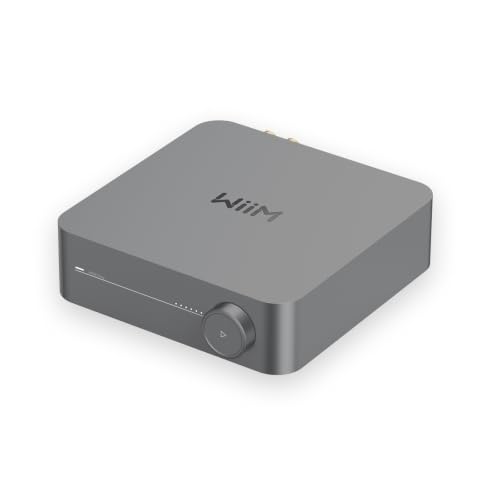
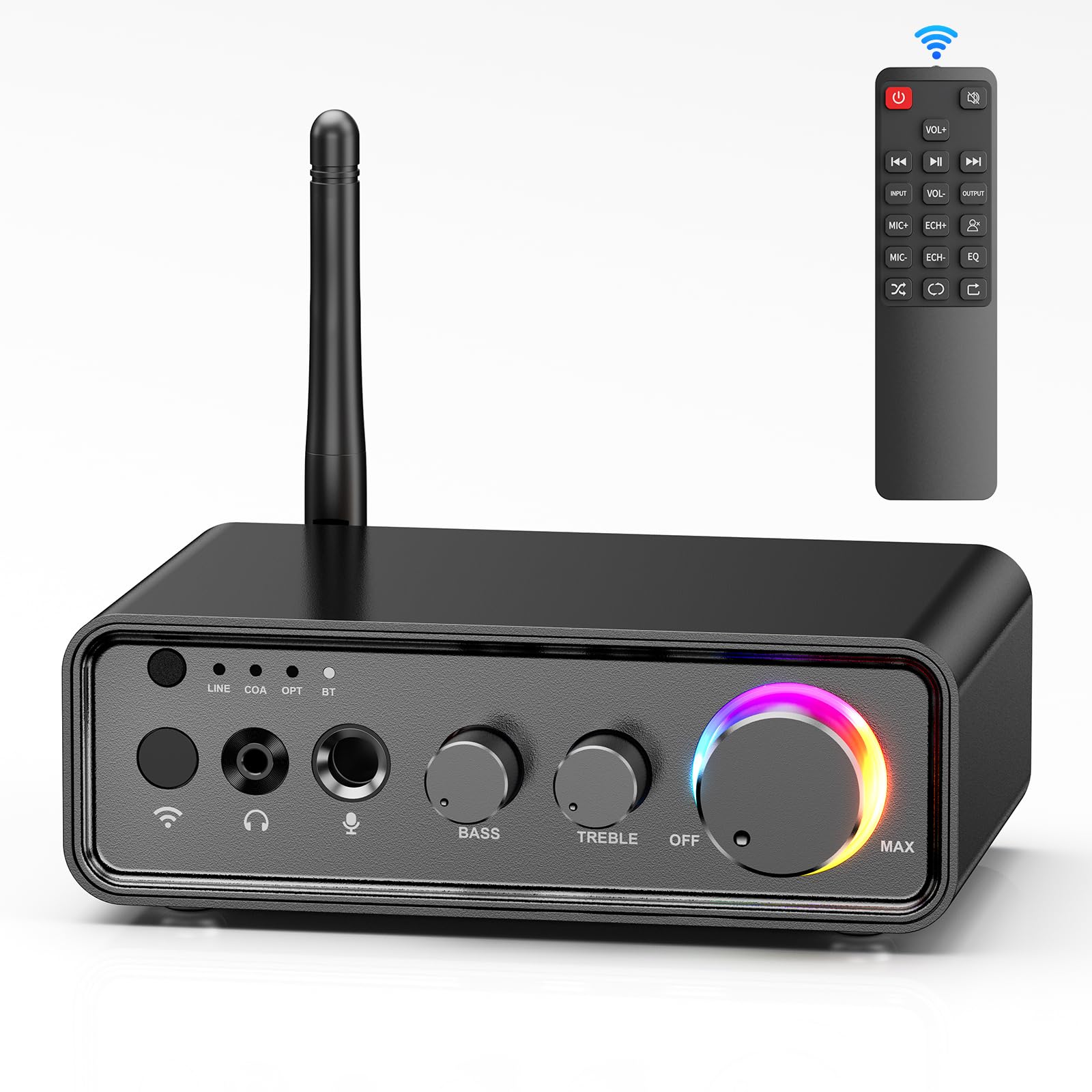
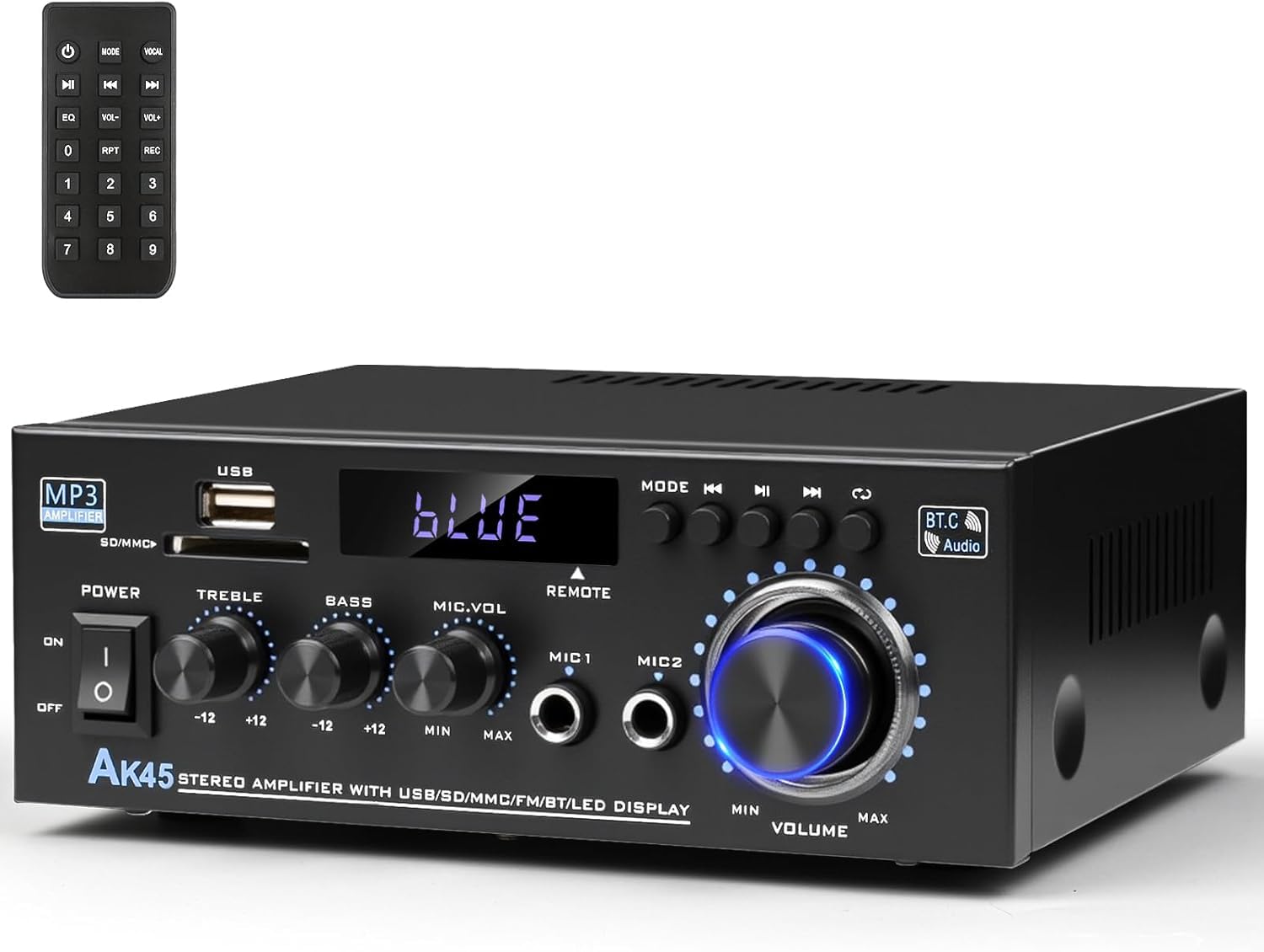
Old wired speakers often sound better than cheap wireless ones, and a Bluetooth amplifier bridges the gap. Choosing the best bluetooth amplifier for wired speakers means matching power, impedance, and inputs so your existing speakers gain wireless streaming without losing sound quality. The comparison table below sorts amplifier types by power and features.
This guide explains wattage matching, impedance, Bluetooth codecs, and the inputs that matter. It also covers setup, since correct wiring matters as much as the amplifier itself.


Who Should Buy
For Owners of Old Stereo Speakers
If you own a pair of passive bookshelf or floor speakers, a stereo Bluetooth amplifier revives them for streaming at modest cost. Match amplifier power to speaker ratings and check impedance before buying. A simple two channel amp suits this role perfectly.
For Multi Room Dreamers
If you want music in several rooms, look for amplifiers with multiroom support or pair multiple amps through a shared app. Each room needs its own amp and speaker pair, so costs add up. Start with one room and expand once the setup proves itself.
For Desktop and Small Room Listeners
Desktop listeners need a compact mini amplifier that fits near a computer or television. Lower power suits nearfield listening, while a subwoofer output adds bass if small speakers lack depth. A remote control earns its place here, since the amp often sits out of easy reach.
Key Features to Compare
Power Matching: Watts and Speaker Ratings
Match amplifier power to your speakers within a sensible range: too little power clips and can damage tweeters when pushed, while far too much power risks damage if volume runs high. For most home speakers, 30 to 100 watts per channel covers normal listening comfortably. Check speaker sensitivity too, since efficient speakers need less power for the same volume.
Impedance Compatibility
Speakers commonly rate at 4, 6, or 8 ohms, and amplifiers state which loads they drive safely. Running a 4 ohm speaker on an amp rated only for 8 ohms can overheat the amp at high volume. Match the amp rating to your speakers, and favour amps rated for 4 ohms if your speakers dip low.
Bluetooth Version and Codecs
Bluetooth version affects range and stability, while codecs affect sound quality. Modern versions offer longer range and steadier connections through walls. Higher quality codecs preserve more detail than basic streaming, though the difference matters most with good speakers and high quality source files.
Inputs Beyond Bluetooth
Useful inputs include AUX for wired sources, optical for televisions, and USB for computers. A subwoofer output lets you add bass later without replacing the amp. Multiple inputs turn a simple Bluetooth amp into a small hub for a whole room.
For related amplifier and speaker guides, see best wired bluetooth speakers, best bluetooth amplifier for speakers, best bluetooth amplifier for outdoor speakers, best bluetooth mini amplifier for speakers, and best quality bluetooth speakers.
Setting Up Without Hiss or Dropouts
Place the amplifier where its antenna has a clear path to your phone or computer, since walls and metal furniture weaken Bluetooth signals. Keep speaker wires short and equal in length where possible, and check polarity so both speakers move together. If you hear hiss, lower the source volume slightly and raise the amp volume instead, since that balance usually cleans up noise.
Test with familiar music after setup, and adjust speaker placement before blaming the amplifier. The product table above compares power, impedance, and inputs across amplifier types.
Common Mistakes to Avoid
- Pairing a low power amp with inefficient speakers and pushing it into clipping.
- Ignoring impedance ratings and overheating an amp at high volume.
- Expecting basic Bluetooth codecs to match wired sound on revealing speakers.
- Wiring speakers out of phase, which thins bass and imaging.
Setup and Care Tips
Keep the amplifier ventilated, since blocked vents cause overheating and shutdowns. Dust vents gently and check speaker wire connections yearly, since loose wires cause crackling. Update firmware when the maker offers it, since updates often improve Bluetooth stability.
Power the amp down during storms or long absences, and keep it away from damp windowsills. If Bluetooth drops often, move the source device closer before assuming the amp is faulty.
Tuning Your Revived Speakers
Speaker placement transforms a revived system more than any amplifier upgrade, so experiment before spending further. Move speakers away from walls to reduce boomy bass, and angle them slightly toward the listening seat for clearer imaging. Small moves of a few inches often change sound more than a new component would.
Source quality sets the ceiling for Bluetooth sound, so stream high quality files when your speakers deserve them. A revealing speaker exposes poor streams harshly, while good sources let the same speaker shine. If sound disappoints, check source quality before blaming the amplifier or speakers.
Volume balance between source and amplifier affects noise, so set the source near maximum and control volume at the amplifier for the cleanest signal. Too low a source volume forces the amp to amplify noise along with music. This simple balance cleans up hiss that many listeners mistake for amplifier faults.
Adding a subwoofer later is easy when the amplifier includes a subwoofer output, so plan for that upgrade path at purchase time. A subwoofer relieves small speakers of deep bass duty, which improves clarity across the whole range. Set crossover and volume carefully, since an overpowering subwoofer unbalances an otherwise good system.
Remote control placement matters for daily enjoyment, since an amplifier tucked behind furniture frustrates use. Keep the remote in a consistent spot near the listening seat, and ensure the amplifier sensor has a clear line of sight. Daily convenience decides whether a revived system gets used or ignored.
A Final Check Before You Order
Before buying an amplifier, check your speaker ratings for power handling and impedance, since those numbers decide safe matching. Write down speaker sensitivity too, since efficient speakers need far less power than inefficient ones for the same volume. Five minutes with speaker labels prevents the most common amplifier mismatch.
Plan speaker wire routing before the amplifier arrives, since tidy wiring improves both sound and safety. Measure wire lengths, keep runs short and equal where possible, and route wires away from foot traffic. Good wiring is invisible when done well and annoying when done poorly, so it deserves a little planning.
Consider future expansion when choosing an amplifier, since a subwoofer output or extra inputs extend useful life considerably. A system that grows with your needs avoids early replacement, while a bare minimum amp may frustrate within a year. Spending slightly more for flexibility usually pays off over time.
Test the amplifier with your own speakers and music before committing, since showroom pairings can mislead. Familiar tracks reveal tonal balance, noise, and dynamics honestly, while unfamiliar demo music hides flaws. A home trial, where offered, is the most reliable test of all.
Frequently Asked Questions
Will a Bluetooth amplifier sound as good as wired?
A good Bluetooth amplifier with a high quality codec sounds very close to wired for most listeners, especially with good speakers. Basic codecs lose some detail, though the difference is small on modest systems. For critical listening, a wired input on the same amp removes Bluetooth from the chain entirely.
How much power do I need for bookshelf speakers?
Most bookshelf speakers play comfortably with 30 to 75 watts per channel in a normal room. Efficient speakers need less, while larger rooms and louder listening need more. Avoid pushing a small amp to maximum volume, since clipping damages tweeters more readily than clean power does.
Can I use a Bluetooth amplifier outdoors?
Yes, if the amplifier stays dry and within Bluetooth range of your source device. Outdoor rated amplifiers handle moisture better, while indoor amps need shelter from rain. Keep speaker wires protected from foot traffic and check that the amp has ventilation even outdoors.
Do I need a subwoofer output?
A subwoofer output helps if your speakers lack deep bass, since it lets you add a powered subwoofer later. Small bookshelf speakers benefit most, while large floor speakers often reach low enough alone. If you plan to add bass later, favour an amp with a dedicated subwoofer output now.
Why does my Bluetooth keep dropping out?
Dropouts usually come from distance, walls, or interference from other wireless devices. Move the source closer, clear the path between devices, and disconnect unused paired devices. If dropouts persist, check for firmware updates and try a different source device to isolate the cause.
Final Thoughts
A Bluetooth amplifier is one of the best value upgrades in home audio: it revives good wired speakers for streaming at modest cost. Match power and impedance, favour useful inputs, and set the amp up with clear signal paths. The product table above compares the key specs side by side.
Wire carefully, test with familiar music, and enjoy speakers you already own in a new wireless role. That approach makes best bluetooth amplifier for wired speakers a smart upgrade rather than a gamble.


