
Best Blankets for Sublimation: Buyer Checklist for 2026
Disclosure: We may earn a commission when you buy through links on this page, at no extra cost to you. As an Amazon Associate I earn from qualifying purchases. Learn more

Use this checklist to choose the best blankets for sublimation, with plain guidance on polyester content, weave, sizing, press settings, and care.
A blanket can feel wonderfully soft and still ruin a print. Sublimation dye bonds with polyester, not with cotton, so the wrong fiber content gives you faded, washed out images no matter how good your artwork is. The best blankets for sublimation are really printing blanks first and bedding second, and they should be judged that way.
This guide gives you a checklist to use before ordering: fiber content, surface texture, color, size, and press behavior. Skim the comparison table below for sizes and price ranges, then work through the criteria so your first press comes out sharp instead of becoming an expensive practice run.
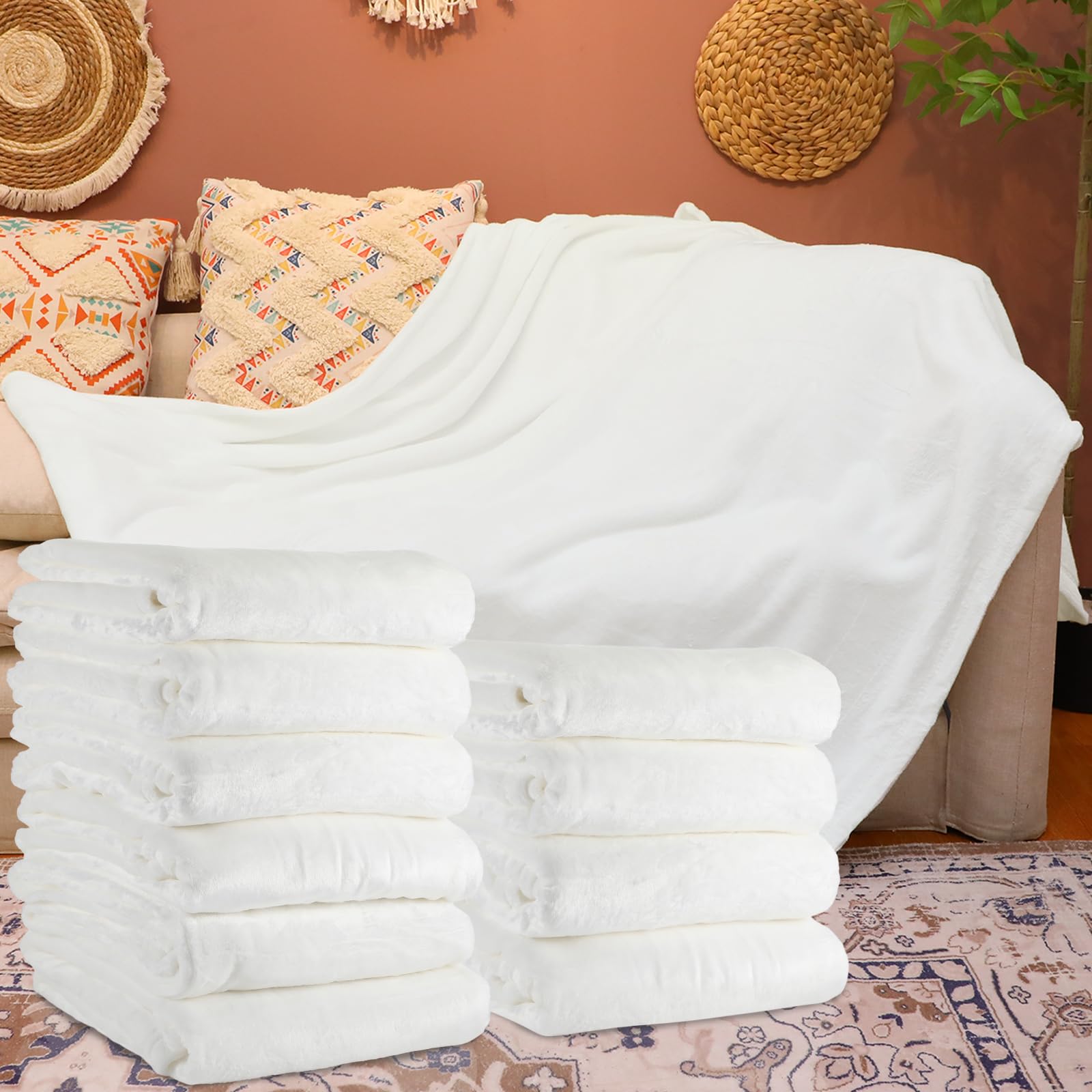

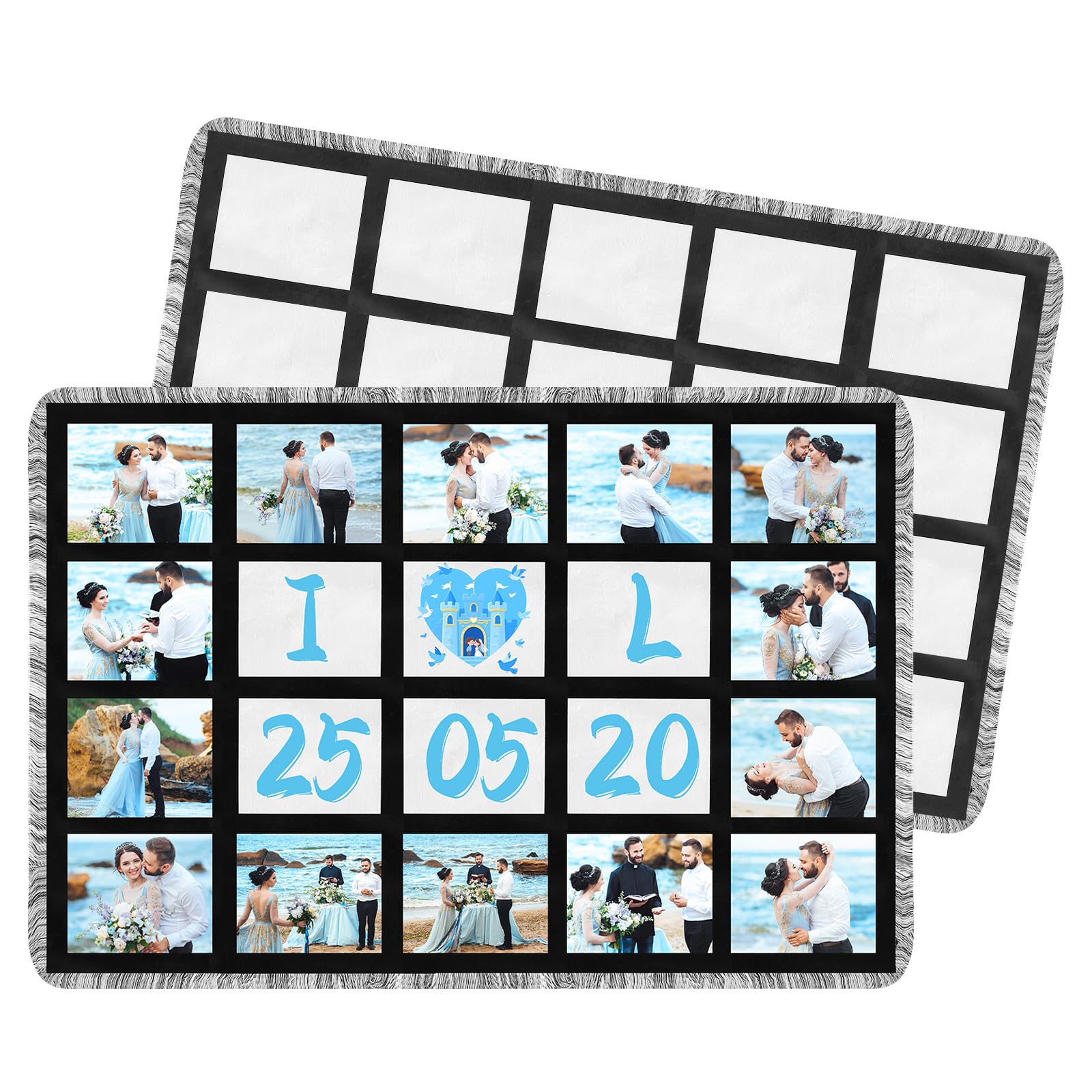
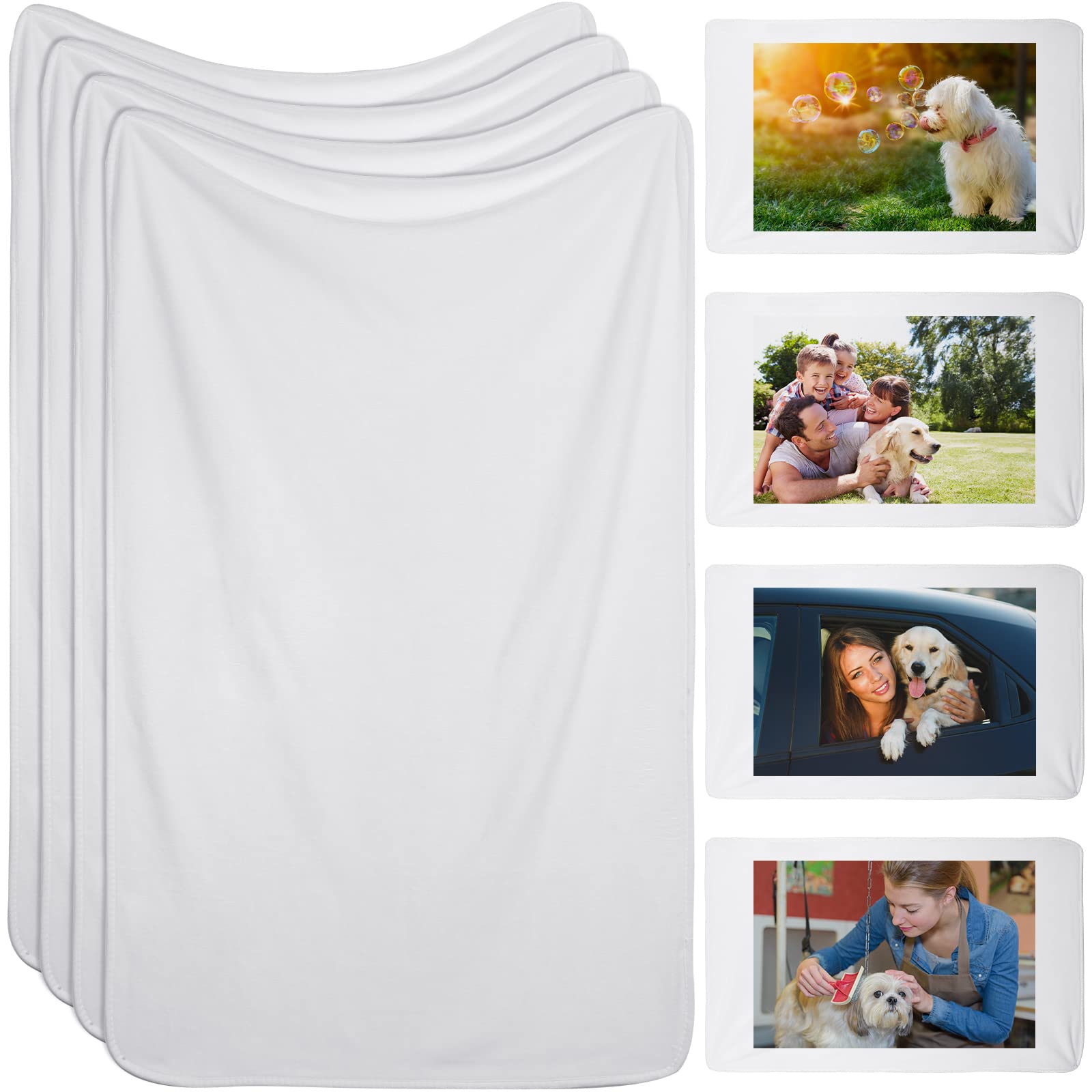
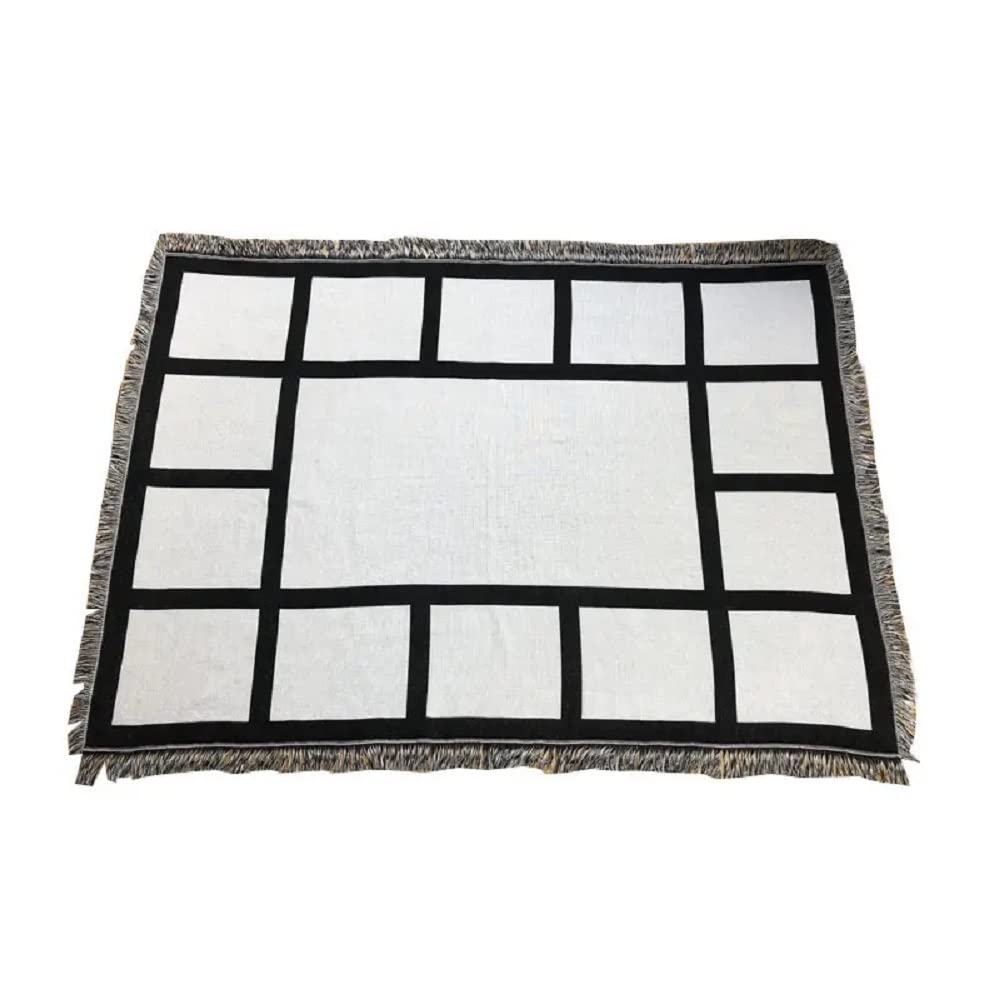
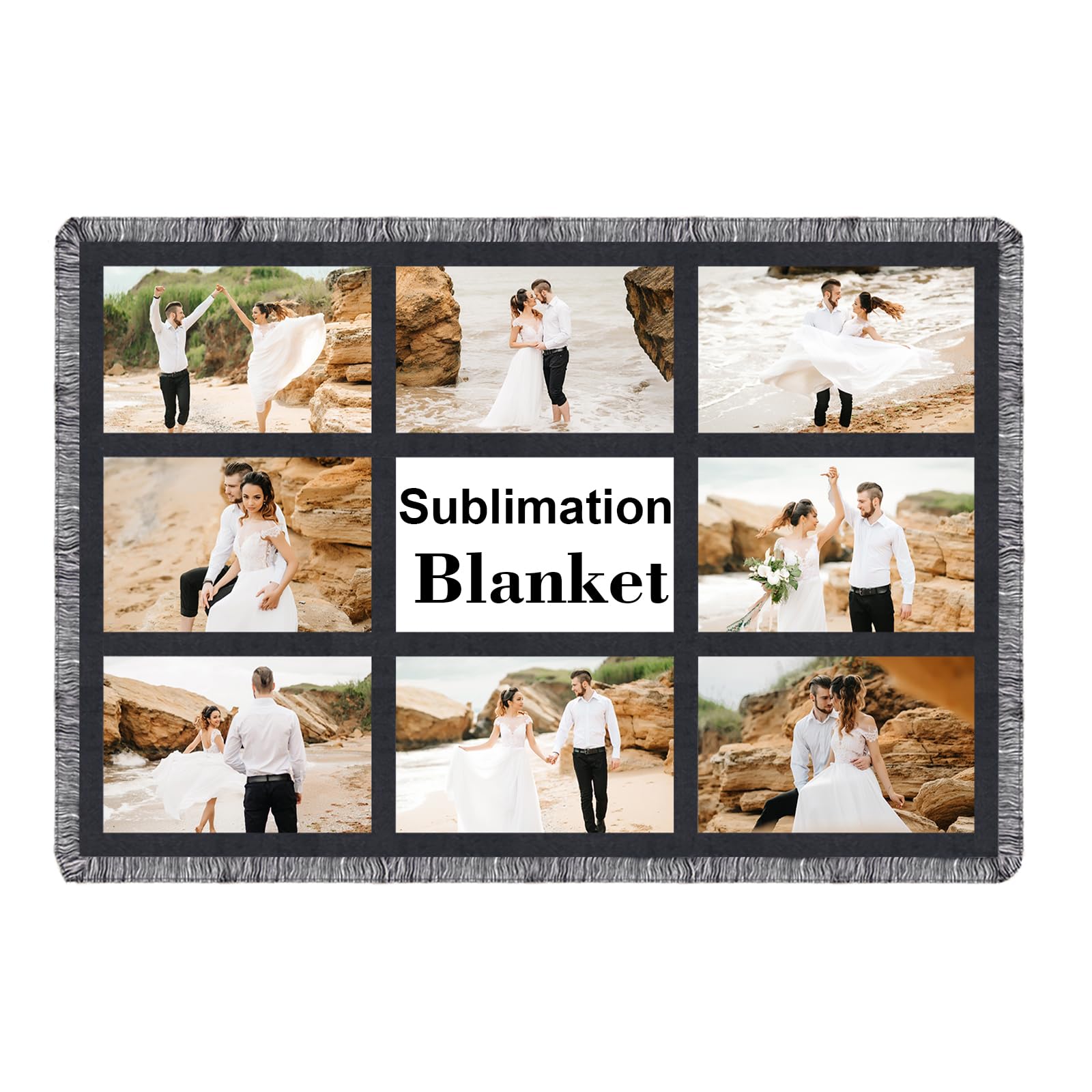

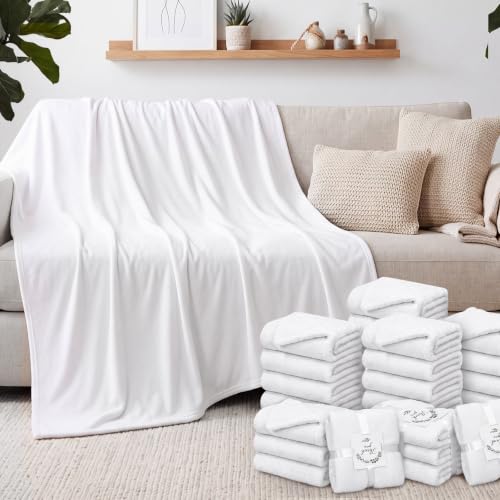


How to Evaluate Blankets for Sublimation
Every criterion below exists because it changes the finished print. When you compare the best blankets for sublimation against this list, treat fiber content and surface texture as pass or fail items, and treat size, weight, and price as fit items that depend on what you plan to sell or gift.
Features That Matter for Sublimation
Sublimation needs three things from a blank: polyester fibers for the dye to bond with, a light surface that will not fight your colors, and a texture smooth enough to hold fine detail. Aim for 100 percent polyester whenever possible. Blends with cotton print noticeably paler because the dye has nothing to grip on the cotton portion, and the image fades further with washing. White and very light pastel blanks give the truest color; a cream blank will warm every tone in your design.
Material and Fill
Most sublimation blanks are polyester fleece, flannel fleece, or a short pile plush, sometimes backed with a contrasting sherpa layer you leave unprinted. What sellers call fill rarely applies, since these are single layer or double layer throws rather than filled bedding. Check the fabric weight, often listed as GSM: around 200 to 280 GSM prints smoothly and drapes well, while very heavy fabric can press unevenly and very light fabric may show the press platen lines through the surface.
Surface Texture and Pile Height
Pile height decides how much detail survives the press. Short, dense pile holds crisp edges on text and photographs, while long plush pile lets fibers shift and softens fine lines. If your designs include small lettering, choose the smoothest flannel style you can find and brush the pile in one direction before pressing. A quick know how step: run a lint roller over the blank right before pressing, because loose fibers and dust print as white specks that no amount of pressure will fix afterward.
Print Clarity and Color Hold
Judge a blank by what the print looks like after washing, not straight off the press. Good polyester fleece holds saturated color through repeated cool washes because the dye sits inside the fiber rather than on top of it. Before committing to a bulk order, press one sample, wash it three times, and compare it with your screen colors under daylight. Slight softening is normal; a print that turns pastel or patchy signals low polyester content or an uneven factory coating.
Cooling and Breathability
Breathability matters for the person who ends up using the blanket, and polyester fleece is warm and only modestly breathable. A thin flannel blank suits couch use and cool evenings, while thick plush styles are better gifts for cold climates than for summer bedding. If your customer wants adjustable powered warmth instead of a printed keepsake, that is a different product entirely, closer to the best heated blanket category than to a printable throw.
Press Compatibility and Size
Match the blank size to your press platen with room to spare. A common 50 by 60 inch throw needs either a large format press or careful sectional pressing, and seams between pressings can show if pressure overlaps unevenly. Confirm the blank tolerates about 385 to 400 degrees Fahrenheit, the typical sublimation range, without scorching or melting. Work safely: press surfaces cause serious burns, so keep children and pets out of the work area, ventilate the room, and follow your press maker instructions for pressure and dwell time.
Three Blank Styles Compared
The Versatile All Rounder Style
A midweight polyester flannel throw in white, around $15 to $30 per blank, is the safest starting point for most sellers and gift makers. The smooth face takes photographs and text well, the weight drapes like a real blanket rather than a craft panel, and the size suits couches and twin beds. Its limitation is pile: it is smooth rather than luxurious, so customers wanting a plush feel may find it plain. For mixed artwork and everyday use, this style passes more checklist items than any other.
The Value Style
Lighter polyester fleece blanks, often around $8 to $15, keep costs down for event favors, team gifts, and practice runs while you dial in your press settings. Colors print brightly because the base fabric is usually pure white polyester, and the thin profile presses evenly even on smaller platens. The trade off is feel and longevity: edges may be simply finished, the fabric can pill sooner, and the finished piece reads as a light lap throw rather than a bed blanket. Buy one first and wash it before ordering a case.
The Plush Gift Style
Short pile plush blanks with a smooth printable face, often around $25 to $45, make the most giftable finished pieces for photo blankets and memorial gifts. The surface still holds detail when the pile is short and dense, and the finished blanket feels generous in the hands. Expect to spend more time on preparation, brushing and rolling the pile carefully, and accept that tiny text will soften. If construction quality is your deciding factor, our guide to the best quality blankets shows the stitching and edging details worth paying for.
Quick Buyer Checklist
- Is the printable face 100 percent polyester, confirmed on the label rather than only in the listing title?
- Is the base color white or a very light neutral that will keep your artwork colors true?
- Is the pile short and dense enough that small text in your design will stay readable?
- Does the blank size fit your press platen, or do you have a plan for even sectional pressing?
- Is the fabric weight, ideally around 200 to 280 GSM, listed anywhere in the specifications?
- Can you order a single sample before committing to a bulk case?
- Does the care guidance allow cool machine washing, which your printed design will need?
- Is there a clear returns policy in case the delivered fabric content differs from the listing?
Red Flags to Watch For
- Vague fiber labeling such as "soft cozy fabric" with no polyester percentage stated anywhere.
- Listings that promise vibrant prints on cotton or cotton rich blends, which contradicts how sublimation dye bonds.
- No fabric weight, no dimensions, or dimensions that change between the title and the specification section.
- Photos showing deep, long pile marketed for detailed photo printing, a pairing that usually disappoints.
- Suspiciously uniform reviews that praise softness but never mention print results, suggesting the reviewers never pressed the blank.
How to Make Your Blanket Last Longer
Most printed blanket damage happens in the laundry, not on the couch. Wash the finished piece inside out in cool water on a gentle cycle, skip fabric softener, and tumble dry on low, because high heat can dull the print and roughen polyester pile over time. Store printed throws folded loosely rather than compressed under heavy items. For display and everyday couch use ideas, our guide to the best throws and blankets covers sizing and layering that keep a favorite piece from wearing out in one favorite spot.
FAQs
What features matter most in blankets for sublimation?
Polyester content matters most, followed by a light base color and a short, smooth pile. With 100 percent polyester, dye bonds inside the fiber and survives washing; with blends, the unprinted fiber share washes the image pale. Also confirm the blank tolerates standard press temperatures around 385 to 400 degrees Fahrenheit and that its size fits your equipment before you order in quantity.
How do I wash blankets safely?
Wash printed blankets inside out in cool water on a gentle cycle with a mild detergent, and dry on low heat or line dry. Wash a printed blanket separately from items with zippers, hooks, or rough denim, because abrasion during the cycle is the quiet cause of pile damage and print dulling over time.
How often should I replace my blanket?
Replace a sublimation blank stock item whenever a sample from the case prints inconsistently, and replace a finished blanket when the pile mats, the edges fray, or the print cracks from age and heat exposure. For a well made polyester throw in home use, that is usually after several years. Sellers should retest one blank from every new supplier shipment, since factory batches vary more than listings admit.
The Bottom Line
Check polyester content first, pile and base color second, and press fit third; a blank that passes those three tests rarely disappoints. Order one sample, press it, wash it, and only then commit to a case. Compare the styles in the product table above against the checklist, and you will choose the best blankets for sublimation for your artwork, your equipment, and your budget.


