
Best Blu Smartphones: A First Time Buyer Guide for 2026
Disclosure: We may earn a commission when you buy through links on this page, at no extra cost to you. As an Amazon Associate I earn from qualifying purchases. Learn more

A first time buyer guide to the best blu smartphones, explaining displays, batteries, cameras, and unlocked options in plain, simple language.
Buying your first phone from a value focused brand can feel confusing, because listings lead with numbers that mean little on their own. This guide explains best blu smartphones in plain language, starting with the basics and moving toward a confident choice. You will learn what each spec does in daily use, what level is good enough, and which extras you can safely skip.
The comparison table below shows the models and headline specs side by side. Use it as a short list, then read the sections that follow to match those specs to how you actually use a phone, from messaging and photos to maps and video calls.
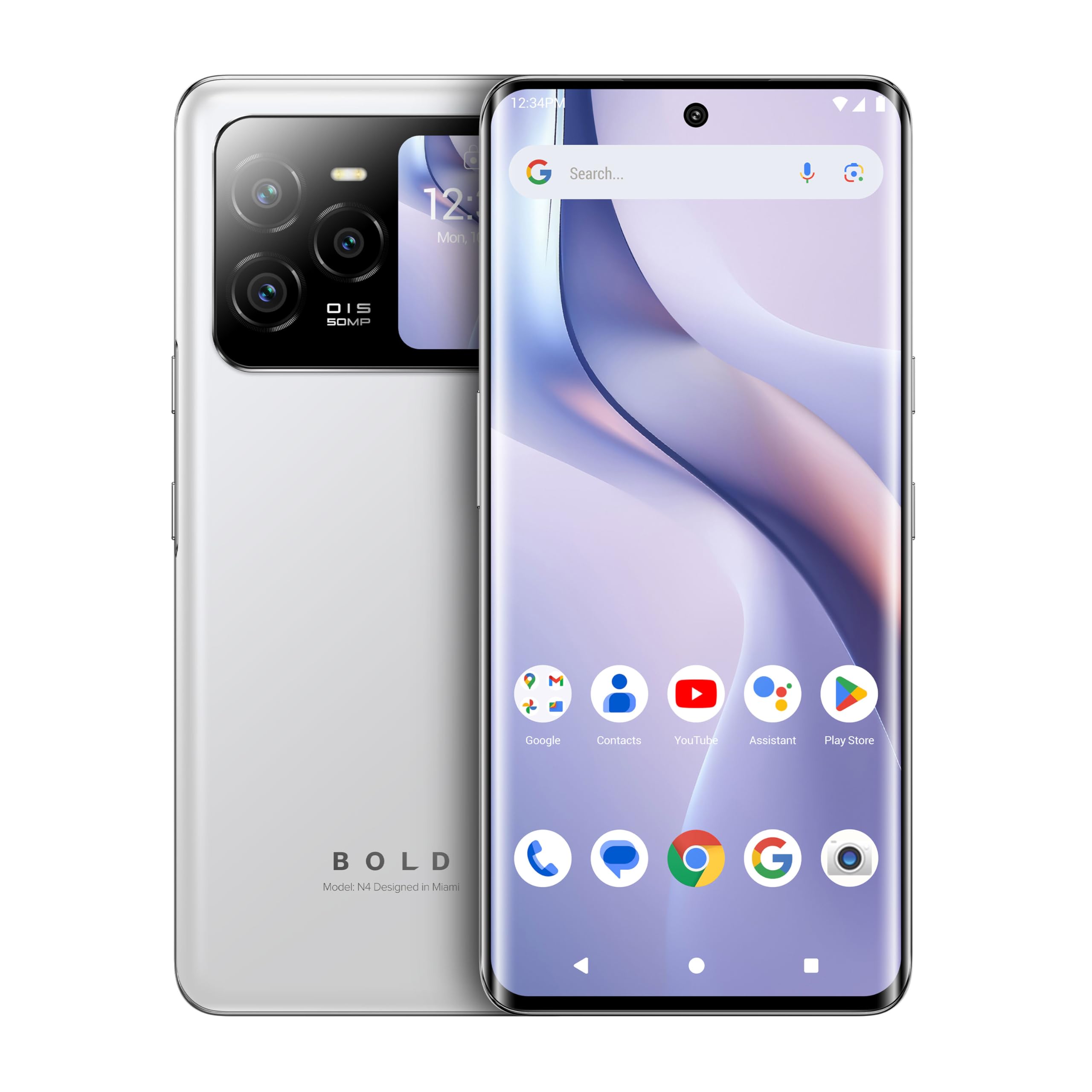
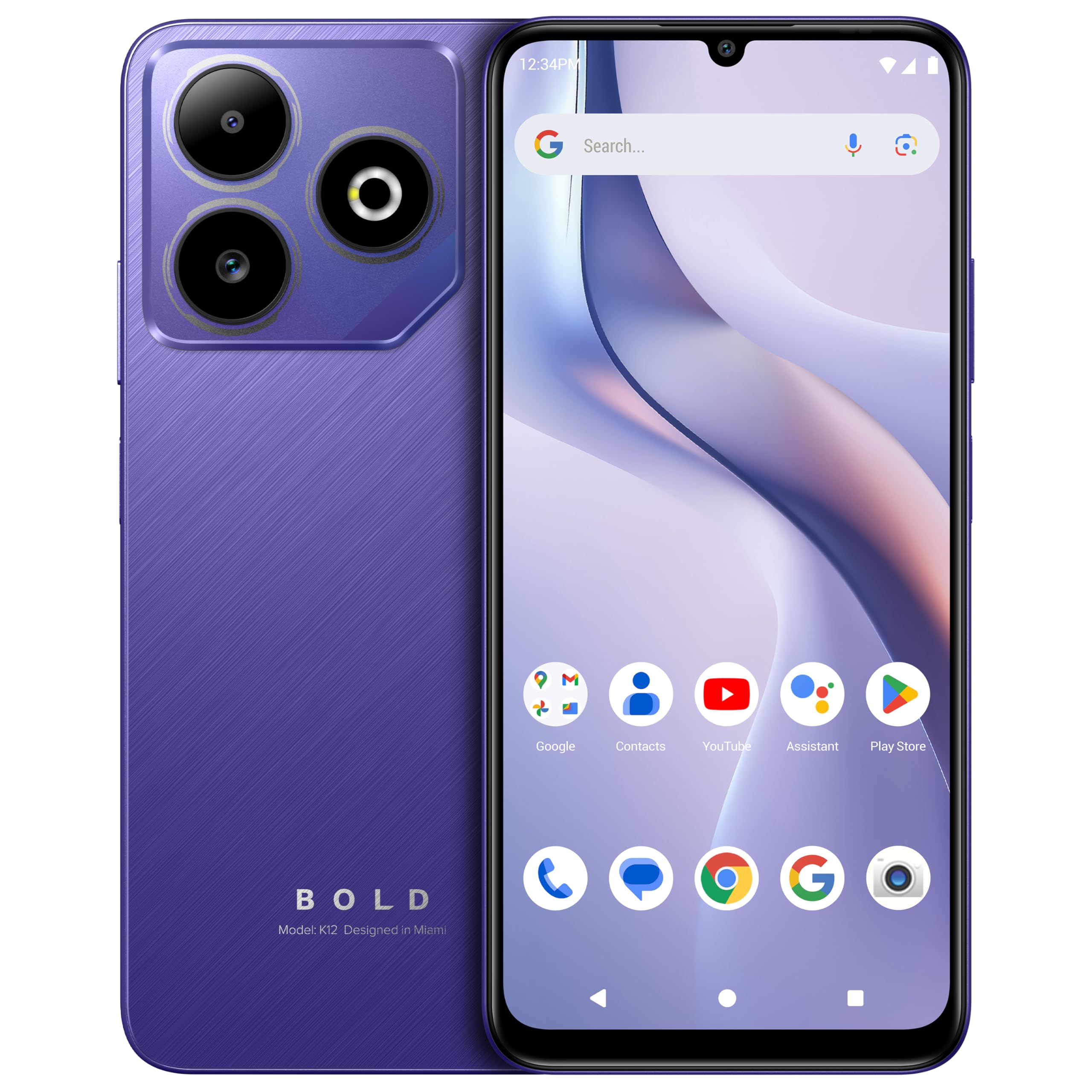
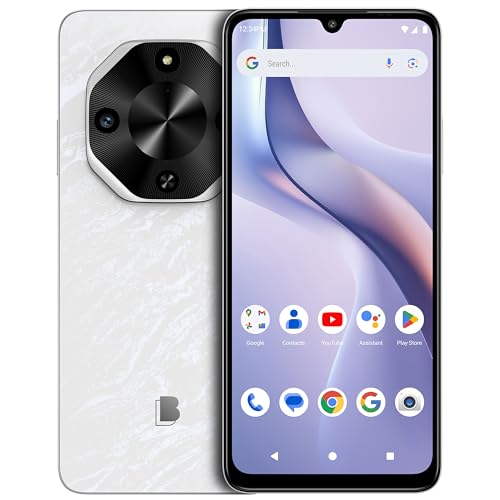
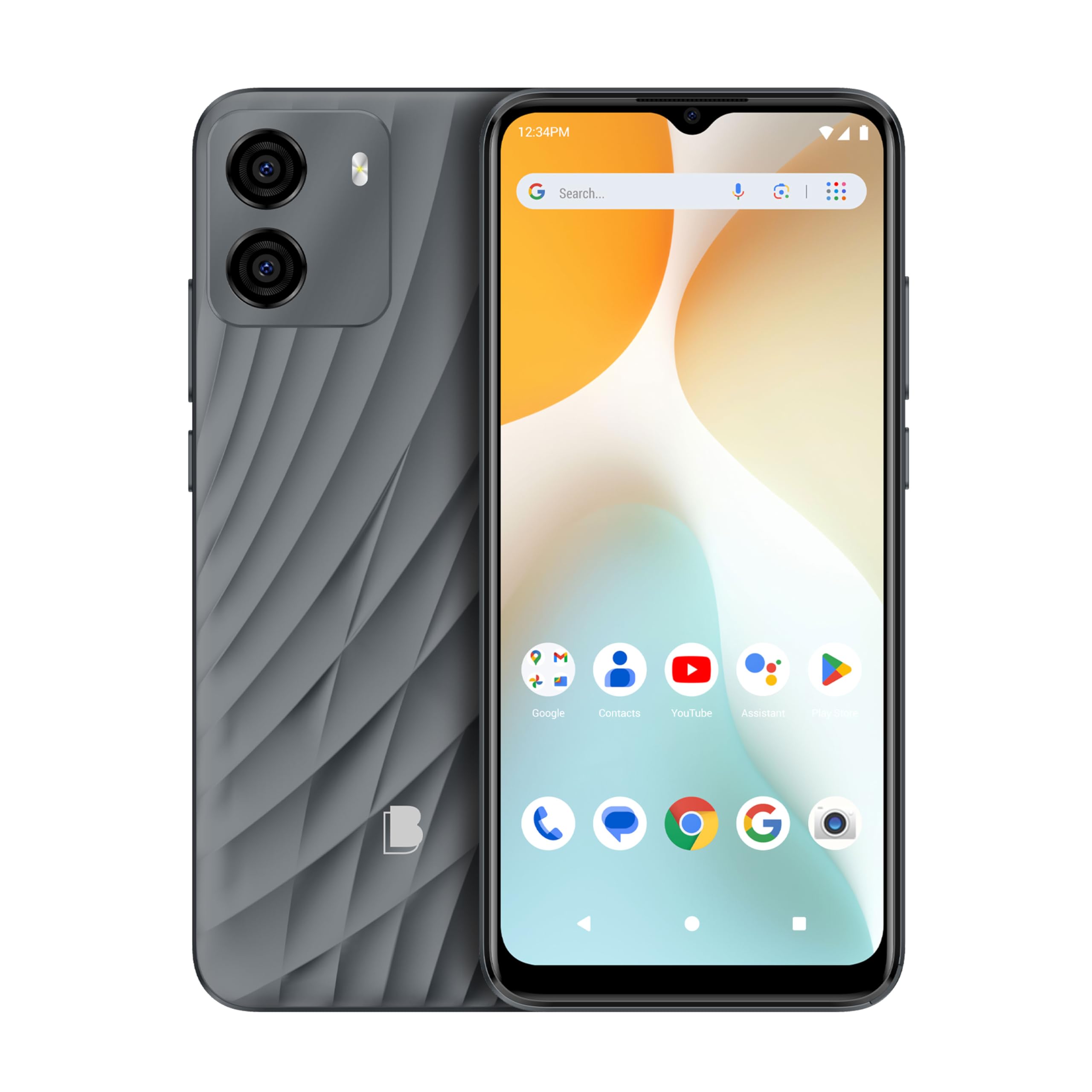
Blu Smartphones 101: The Basics
BLU is a brand known for unlocked phones sold at modest prices, mostly through online stores rather than carrier shops. Unlocked means the phone is not tied to one carrier contract, so you insert your own SIM card and choose your plan. Most models run Android, use touch screens with no physical keyboard, and rely on apps you install from the Play Store.
The terms that matter most are simple once translated. The processor is the chip that does the thinking, RAM is short term memory for open apps, and storage is the space for photos, apps, and downloads. A larger battery number generally means longer time between charges, but screen size and brightness affect that too. Keep those four ideas in mind and the rest of this guide will make sense.
Key Specs Explained in Plain English
Display Size and Quality
The display is the part you look at all day, so comfort here matters more than small gains elsewhere. A screen around 6 to 7 inches suits most hands and makes reading, video, and maps easy without feeling bulky in a pocket. Brightness matters outdoors. A brighter panel stays readable in sunlight, while a dim one forces you to hunt for shade. Refresh rate, often listed as 90 Hz or 120 Hz on pricier phones, makes scrolling look smoother. It is pleasant, but at value prices a bright, clear panel at a standard rate is the better trade.
Battery Life and Charging Speed
Battery size is measured in mAh, and for this class of phone a figure around 5000 mAh is a good target for a full day of mixed use. Your habits decide the real result. Video, games, and weak signal drain a battery fastest, while messaging and music drain it slowly. Charging speed is listed in watts. Faster charging helps when you top up before leaving home, but gentle overnight charging is fine for most people. Carry a small power bank on long travel days rather than paying extra for extreme charging speeds.
Camera System
Most value phones use one main camera for nearly every shot, plus a wide camera on some models for group photos and landscapes. Megapixel counts alone do not guarantee good photos. Lens quality, software processing, and steady hands matter more. Night mode combines several frames to brighten dark scenes, and it helps a lot in restaurants and evening street shots. For video calls and selfies, check the front camera as well. If photos are your top priority, compare sample images and low light results before you compare any other spec.
If camera quality is the main reason you are shopping, our guide to the best smartphones with good camera explains what separates strong phone cameras from weak ones.
Build, Durability, and Water Resistance
Most phones in this price range use plastic frames and backs, which handle drops better than glass and cost less to replace. A good case and a screen protector will do more for survival than any marketing claim. Water resistance is rated with IP codes. Many value models offer splash protection at best, so treat them as vulnerable to rain and spills rather than safe for the pool. Keep the charging port dry before you plug in, and dry the phone promptly if it gets wet.
Processor and Everyday Performance
The processor and RAM decide whether the phone feels quick or sluggish a year from now. For messaging, browsing, maps, and social apps, a modest modern chip with at least 4 to 6 GB of RAM is a sensible floor. More RAM helps if you switch between many apps or play heavier games. Storage matters too. If you shoot video or keep music offline, choose more storage or confirm the phone accepts a memory card. A phone that feels slightly slow on day one will only feel slower as apps grow.
Picking the Right Blu Smartphones for Different Uses
Your best choice depends on one or two main jobs. A phone for calls, messaging, and banking can be simple and cheap. A phone that is also your main camera, travel guide, and entertainment screen deserves more spent on display, battery, and storage. Write down your top three uses before you compare prices, and let that list settle close calls.
Best Unlocked Blu Smartphones
The phrase best unlocked blu smartphones describes phones you can use with the carrier and plan you choose, and move between carriers later. When you shop this category, check three things. First, confirm the phone supports the network bands your carrier uses, especially for 5G. Second, confirm it takes your SIM size, which is usually a nano SIM. Third, check the update policy, because an unlocked phone gets its updates from the maker, not the carrier. Unlocked buying gives you plan freedom, which is often worth more than a small carrier discount.
Shoppers who need a smaller device should also see our guide to the best compact smartphones for size and one hand use pointers.
Rookie Mistakes to Avoid
- Buying on megapixels alone. Camera software and lens quality shape photos more than a large number on the box.
- Ignoring network bands. A phone that lacks your carrier bands will have weak signal or no 5G, no matter how good its other specs look.
- Choosing too little storage. Apps, photos, and system files grow each year. Too little storage fills fast and slows the phone down.
- Skipping a case to save money. One cracked screen costs far more than a basic case and protector bought on day one.
- Forgetting the update policy. Phones that stop receiving security updates early become risky for banking and work accounts.
Getting Started: Setup and First Use
Start by charging the phone, inserting your SIM card, and connecting to WiFi before you sign in to your Google account. The setup screens will offer to copy apps and data from an old phone, which saves a lot of time. Turn on automatic updates, set a screen lock with a PIN or fingerprint, and enable the find my device feature right away. Fit the case and screen protector before the phone goes in a pocket with keys.
In your first week, remove apps you do not use, set photo backup over WiFi only if your data plan is small, and check which apps drain the battery most. Add your payment, transit, and banking apps one at a time so you can spot any sign in problem early. Keep the box and receipt until you are sure the phone suits you, in case a return is needed.
If your budget is the deciding factor across all brands, our guide to the best bargain smartphones sets out what value phones usually include and what they leave out.
Frequently Asked Questions
How much storage do I need on a Blu smartphone?
Most first time buyers should aim for at least 128 GB if it fits the budget. That covers apps, a few years of photos, and offline music without constant cleanup. Light users who store photos in the cloud can manage with less, but system files alone take a growing share each year. If the phone accepts a memory card, you gain cheap room for media, though apps still belong on internal storage.
Is a mid range phone good enough for everyday use?
Yes, a mid range phone is good enough for calls, messaging, browsing, maps, banking, and casual photos. The gaps appear in heavy games, very dark photo scenes, and long term update support. If you keep a phone for two to three years and use it lightly, mid range value is hard to beat. Heavy users who keep phones longer should spend a bit more on processor, RAM, and updates.
How many years of updates should a phone get?
Look for at least two years of security updates, and more if you plan to keep the phone beyond three years. Security updates patch flaws that criminals use to reach accounts and data, so they matter more than new features. Check the maker page for the specific model, not just the brand, because update promises vary by price tier. A phone with no stated policy is a risk for banking and work use.
Should I buy an unlocked Blu smartphone?
Buy unlocked if you want freedom to choose or change your plan, travel with local SIM cards, or avoid carrier contracts. You pay the full phone price up front, but value phones keep that cost modest. Confirm carrier bands and 5G support before ordering, because unlocked does not mean universal. If you prefer monthly payments and in store help, a carrier phone may suit you better despite the lock in.
Do I need 5G on a Blu smartphone?
You need 5G only if your carrier offers it where you live and your plan includes it. For messaging, browsing, and standard video, 4G remains fast enough in most places. 5G helps most in crowded areas and for large downloads. Do not pay a large premium for 5G if coverage near you is patchy. Check your carrier coverage map for your home and work addresses before you decide.
Final Thoughts
Focus on three things: a bright display you can read outdoors, a battery that lasts your day, and enough storage and updates to keep the phone useful for years. Match those to your top uses, confirm carrier bands, and use the product table above to compare your short list. Chosen with that care, the best blu smartphones give first time buyers simple, flexible service without a flagship price.


