Best Bar Mop Towels for 2026: Types Compared and How to Choose
Disclosure: We may earn a commission when you buy through links on this page, at no extra cost to you. As an Amazon Associate I earn from qualifying purchases. Learn more

Compare the best bar mop towels by type, from ribbed cotton to microfiber, with notes on size, absorbency, washing, and price for home and cafe kitchens.
Walk into any restaurant supply aisle and you will find stacks of white towels that all look alike, yet they behave very differently once they meet a wet counter. The best bar mop towels soak up spills fast, survive hundreds of hot washes, and stay cheap enough to replace without regret. Knowing which type does what saves you from buying towels that lint, streak, or fall apart.
This guide compares the four main types side by side, then walks through absorbency, size, fabric weight, and laundry habits. The comparison table below sums up the types first, so you can match a towel style to your kitchen, bar, or cafe before reading the detail.




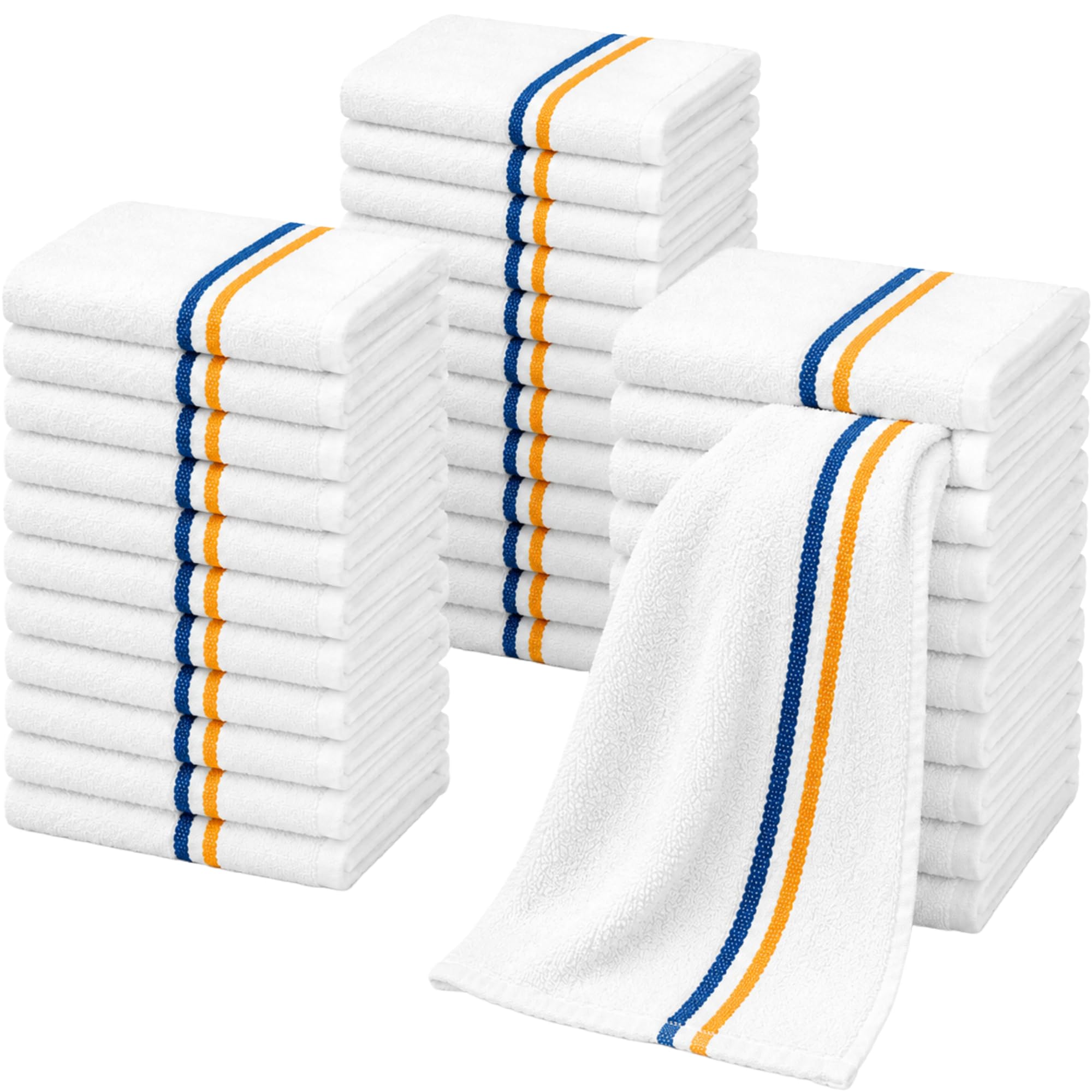

Types of Bar Mop Towels Compared
Bar mop towels are the hard working branch of the wider family covered in our guide to best bar towels: thick, plain, and built for mess rather than looks. The four types below cover nearly everything sold for bars, kitchens, and coffee stations.
| Type | Best For | Pros | Cons | Typical Price |
|---|---|---|---|---|
| Classic ribbed cotton | Bars and general kitchen work | Very absorbent, cheap in bulk, bleach friendly | Can lint when new, shrinks a little | about $1 to $2 each |
| Microfiber | Glassware and stainless steel | Lint free shine, fast drying, light in the hand | Lower heat tolerance, needs separate washing | about $1 to $3 each |
| Herringbone cotton | Home kitchens and cafes | Flat weave leaves little lint, looks tidy on a counter | Less thirsty than looped weaves | about $2 to $4 each |
| Terry loop cotton | Big spills and floor duty | Holds the most water, thick loops grab spills fast | Bulky in the wash, slower to dry | about $1 to $3 each |
Classic Ribbed Cotton Towels
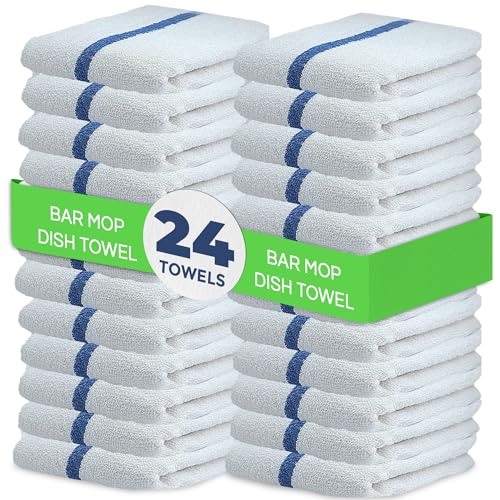
The ribbed weave is the industry standard, with raised channels that pull liquid in and give the towel a scrubbing texture on sticky counters. Cotton tolerates hot water and bleach, so these towels shrug off coffee, wine, and sauce stains that would ruin fancier cloths. Expect some lint and slight shrinkage in the first few washes. Bars, diners, and busy home cooks who go through many towels a day usually start here.
Microfiber Bar Towels
Microfiber splits each fiber into fine strands that trap grease and polish glass without leaving lint behind. That makes these towels the pick for wine glasses, mirrors, and stainless steel, where streaks show at once. They dry faster than cotton and feel light even when wet. The trade off is care: microfiber loses its grip if washed with fabric softener or dried on high heat, and it should not grab hot pans.
Herringbone Weave Cotton Towels
A herringbone weave lies flat and tight, so it sheds very little lint and looks neat folded on a counter or hanging by a sink. It absorbs less than looped weaves, which suits drying racks of glasses and wiping already clean surfaces better than flooding spills. Home kitchens and small cafes that want one towel for drying and light wiping often choose this type. It also irons flat if presentation matters.
Terry Loop Cotton Towels
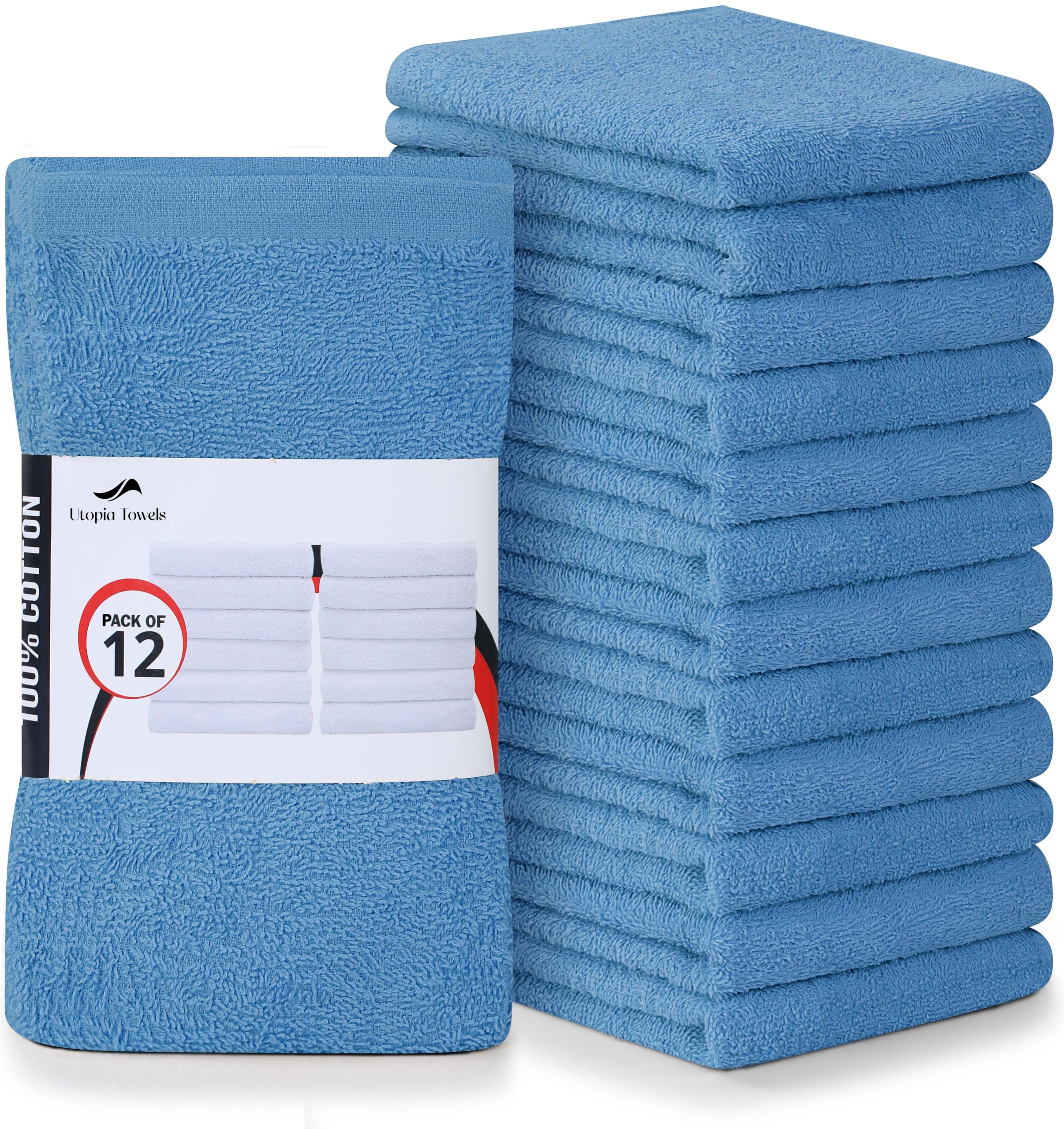
Terry loops stand up from the base cloth and hold the largest volume of water of any type here. That capacity makes terry the towel you grab for a dropped pot of soup or a wet floor patch behind the bar. The same thickness makes loads bulkier and drying slower, so you need more towels in rotation. Many kitchens keep a small terry stack for floods and ribbed cotton for everything else.
Ribbed Cotton vs Microfiber: Which Should You Choose?
On absorbency, ribbed cotton wins for standing liquid, while microfiber wins for the final polish once a surface is nearly dry. On lint, microfiber is clean from day one, while cotton needs several washes before it stops shedding on glass.
On laundry, cotton takes bleach and high heat without complaint, while microfiber needs a cooler, separate load. On price, cotton costs less per towel, though microfiber lasts well if cared for. Choose cotton for general mess, microfiber for glass and steel, and keep both if your bar serves drinks and food.
How to Choose the Best Bar Mop Towels
Absorbency and Weave
Loops and ribs create pockets that hold water, so looped and ribbed towels drink the most per pass. Flat weaves spread thinner and suit drying rather than mopping. A quick home check is to pour a small puddle on the counter and count the passes one folded towel needs to clear it. If your work is mostly spills, favor absorbency; if it is mostly drying glasses, favor a smooth weave.
Size and Fabric Weight
Most bar mop towels run about 14 by 17 inches to 17 by 20 inches, a size that folds into a pad that covers your palm. Larger towels suit floor spills but drag and bunch on counters. Weight is often sold by the dozen: heavier dozens feel thicker, hold more water, and usually last longer. Very light towels cost less but turn thin and ragged quickly in a hot wash routine.
Cotton, Microfiber, and Blends
Full cotton handles bleach, hot water, and hot surfaces best, which is why commercial kitchens default to it. Microfiber blends add polishing power and quick drying for glass and steel. Some towels mix both, with cotton loops on one face and a smoother face for finishing. Match the fiber to your worst task: if a towel must grab a warm pan or survive bleach, cotton wins; if it must leave glass spotless, microfiber wins.
Durability Through Repeated Washing
A bar mop towel may be washed hundreds of times, so edges matter more than softness. Look for hemmed or stitched borders that resist fraying and a tight, even weave with no loose threads. The fabric signs that separate sturdy towels from flimsy ones are covered in our guide to best quality towels. Towels that pucker badly or shed clumps of fiber after a few washes will not improve with age.
Pack Size and Cost Per Towel
These towels are sold in packs of a dozen or more, and the per towel price drops as the pack grows. Buy enough for a full rotation: some in use, some in the wash, and some clean in reserve, so you never reach for a damp towel. A home kitchen may manage with one dozen, while a small cafe can go through several dozen in a weekend. Replacing a whole low cost set each year often beats nursing worn towels along.
How to Make Your Bar Mop Towels Last Longer
Wash new towels before first use to clear loose lint and open the fibers, and keep the first loads separate from glassware duty. Wash working towels in hot water with detergent, and skip fabric softener, which coats fibers and cuts absorbency in both cotton and microfiber. Bleach only plain cotton whites, and dry towels fully before folding them away. Retire any towel that stays sour after washing, tears easily, or has gone thin in the middle.
Bar Mop Towel Questions Answered
What type of bar mop towel works best in a home kitchen?
Ribbed cotton suits most home kitchens because it handles spills, hot handles, and bleach without special care. People asking about the best bar mop towels usually mean this same ribbed cotton style sold in bulk packs. Add two or three microfiber towels if you dry wine glasses often. One dozen towels is plenty for a household that does laundry twice a week.
How many bar mop towels should I buy at once?
Buy enough for three groups: towels in use today, towels in the wash, and clean towels in reserve. A single cook working one station needs about six towels a day, so two dozen covers home use with slack. Small bars and cafes should count towels per station, not per building. Running short forces staff to reuse damp towels, which spreads mess instead of cleaning it.
Why do new bar mop towels leave lint on glasses?
New cotton towels shed loose surface fibers left over from weaving, and those fibers cling to wet glass. The shedding drops sharply after three or four hot washes, so wash new towels several times before trusting them near glassware. Keep a lint free microfiber towel for glasses during the break in period. Lint that continues past ten washes signals a loosely woven towel that will keep shedding.
How do I keep bar mop towels from smelling sour?
Sour smells come from towels left damp in a pile, where odor causing bacteria grow between washes. Hang used towels over a rack or bin edge so they dry between shifts, and wash them the same day when you can. A hot wash with enough detergent clears most odor; towels that still smell after drying are holding residue and need a rinse with plain vinegar. Never store wet towels in a closed bag overnight.
When should bar mop towels be replaced?
Replace a towel when the center has worn thin, the edges fray into strings, or it stops absorbing even after a proper wash. Stains alone are not a reason, since working towels stain fast and still clean well. In a busy kitchen a towel may last a few months of daily washing; at home the same towel can serve a year or more. Downgrade worn towels to floor duty before throwing them out.
Final Thoughts
Start with the type: ribbed cotton for general mess, microfiber for glass, herringbone for tidy drying, and terry for floods. Then check size, fabric weight, and how the towel will be washed, since laundry habits decide how long any towel stays absorbent. The best bar mop towels for you are the ones your routine can keep clean, dry, and in rotation. Compare the picks in the product table before you order a full set.