
Best Blenders for Smoothies and Food Processing at Every Price: What Your Money Really Gets You for 2026
Disclosure: We may earn a commission when you buy through links on this page, at no extra cost to you. As an Amazon Associate I earn from qualifying purchases. Learn more

Learn how to choose the best blenders for smoothies and food processing with guidance on motor power, jars, speeds, price tiers, and daily care.
Prices for countertop blenders range from under $50 to well over $500, and the box alone rarely tells you where that money goes. This guide explains what each tier actually delivers so you can match the best blenders for smoothies and food processing to the jobs you do most often. Use the comparison table below to check capacity, controls, and included parts side by side before you read the detail.
A machine that makes a silky morning drink may still struggle with thick hummus or a stiff dough like mixture. The sections below separate smoothie performance from food processing performance, because the two tasks reward different blade shapes, speeds, and jar designs.

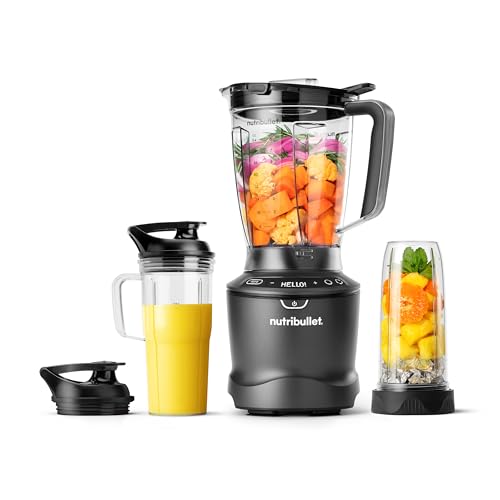


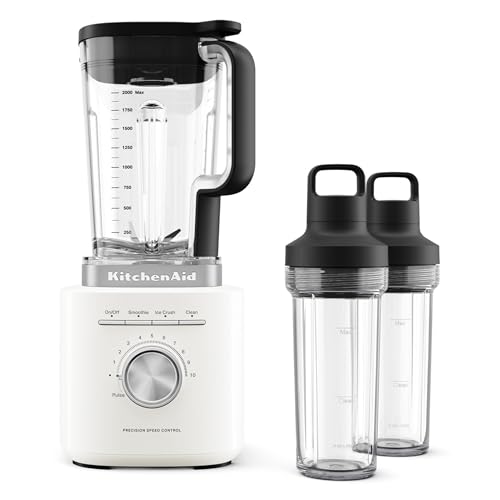

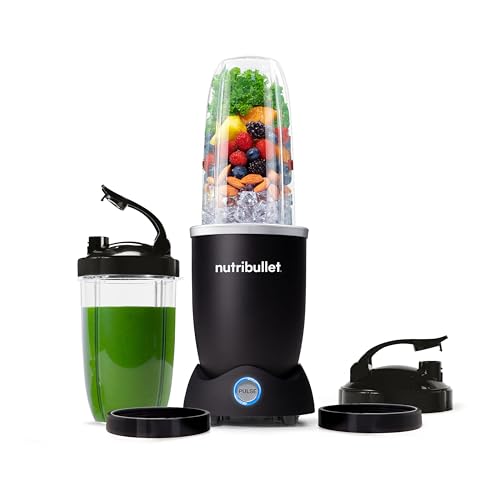

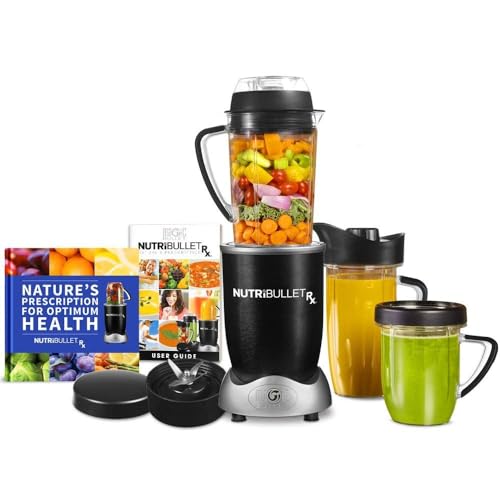
Picks by Budget
Rather than naming models, this section describes the kind of machine worth buying at each budget. Treat each profile as a checklist you can apply to any option in the product table above.
Budget Level
A good budget choice is a full size countertop model around $50 to $100 with at least 600 watts, a simple dial or a few clear buttons, and a jar of about 48 to 64 ounces. It should handle soft fruit, protein drinks, and light soups well, and it should include a pulse control for short bursts. Expect mostly plastic jars, a shorter warranty of about 2 to 3 years, and more noise. Skip models with tiny motors that list peak power only, because sustained power matters more for frozen fruit.
Midrange Level
The midrange profile, around $100 to $250, suits most households best. Look for variable speed, a sturdy Tritan jar marked BPA free, and a tamper that lets you push thick mixtures toward the blades without stopping. You should get reliable ice crushing, smoother nut butters, and better results with chopped vegetables and salsas. If you are also comparing options built mainly for drinks, see our guide to the best blenders for smoothies for how drink focused designs differ.
Premium Level
A premium profile, around $250 to $500 or more, earns its price through motor durability, quieter operation, and precise low speed control. You gain consistent results with dense mixtures, longer warranties that can reach 7 to 10 years, and jars and seals that resist staining and odors. This tier makes sense if you blend daily, make large batches, or process tough ingredients often. The trade off is size and cost, so measure your cabinet height before you commit.
What Your Money Gets You at Each Price Tier
Budget Tier: What to Expect
Budget machines cover the basics: smoothies with mostly fresh ingredients, milkshakes, and simple sauces. Motors are smaller, jars are lighter, and presets are rare. Food processing is limited to soft or precooked foods, and hard tasks may need added liquid and several stops to scrape the sides. For occasional use this is a sensible place to start, as long as you accept slower work and plan to replace the machine sooner than a premium one.
Midrange Tier: The Sweet Spot for Most Buyers
Midrange machines add the features that change daily results: variable speed, stronger blade assemblies, and jars shaped to create a steady vortex. That vortex pulls ingredients down so you scrape less and blend faster. You also get better seals, clearer measurement marks, and parts that are easier to order later. For households that blend several times a week and also chop, puree, or mix batters, this tier usually gives the best balance of price and useful life.
Premium Tier: When Spending More Pays Off
Premium machines focus on control and endurance. Low speeds stay truly low, which helps with emulsions and chunky textures, and high speeds stay stable under load for silky soups and nut based sauces. Metal drive parts, better cooling, and longer warranties reduce the risk of early failure. If you want one machine to replace several tools, compare the broader options in our guide to the best food blenders, then check whether a separate processor still serves you better for slicing and grating.
Features Worth Paying For (and Ones to Skip)
Warranty and Motor Reliability
Warranty length tells you how long the maker expects the motor to last. Two years is common at budget prices, while stronger machines offer 5 to 10 years. Read what the warranty covers, since some cover the motor but not the jar or blade assembly. A machine you use daily needs good cooling and a base with real weight, because a light base can walk across the counter under load. Keep your receipt and register the product if the maker asks.
Blade or Attachment Design
Blades for drinks are usually fixed in the jar and shaped to pull liquid down and crush ice. Food processing tasks prefer a wider jar, a removable blade, and attachments such as a dough hook style tool on combo systems for soft doughs. A tamper is more useful than extra preset buttons for thick work. Avoid designs that require you to reach near the blades to clear food, and choose parts that come apart for washing when you process oily or sticky foods.
Features That Matter for Smoothies and Food Processing
This dual job needs both ends of the speed range. High speed with strong ice crushing makes frozen drinks smooth, while a true low speed and pulse let you chop without turning onions or herbs into puree. Look for a jar with a wide base for processing and enough height for a vortex, plus a lid that seals well but vents steam for hot soup. If counter space is tight, our guide to the best small blenders for smoothies explains the capacity trade offs of compact jars.
Motor Power and Wattage
Wattage is a guide, not a guarantee. Around 600 to 900 watts handles most smoothies, 900 to 1,200 watts gives more confidence with frozen fruit and ice, and higher rated motors help with thick nut butters and large batches. Blade shape, jar shape, and cooling matter just as much, because a well shaped jar can outperform a stronger motor in a poor design. If a listing shouts peak watts, look for the regular running rating and the warranty as a reality check.
Speed Settings and Presets
Variable speed gives you the most control, since you can start slow to gather ingredients and then raise speed for a smooth finish. Pulse is essential for chopping and for freeing air pockets in thick mixtures. Presets for smoothies or dough can help beginners, but they are worth less than a good dial and pulse. A useful practical tip is to blend thick mixtures in stages: pulse several times, tamp, then run at medium speed rather than going straight to high.
Long Term Costs to Factor In
The purchase price is only part of ownership. Replacement jars, lids, gaskets, and tampers add cost over time, and combo attachments such as extra cups or a processing bowl raise the first price but may save buying a second appliance. Electricity use is modest for short daily blends, though large premium motors used for long soup cycles cost a little more to run. Choosing a model with parts that stay available for years protects your investment. If you mostly make one drink at a time, our guide to the best personal blenders for smoothies covers lower cost single serve options and their smaller replacement parts.
Storage also has a cost in a small kitchen. A tall jar that must live on the counter because it will not fit in a cabinet becomes a daily annoyance. Measure height with the lid on, check cord length, and think about where wet parts will dry. A machine that is easy to store and clean gets used more, which is the real value test.
Blenders: Your Questions Answered
What features matter most in blenders for smoothies and food processing?
Variable speed, pulse, a strong motor, and a jar that works for both liquid and thick mixtures matter most. Add a tamper for dense blends and a lid that vents for hot liquids. One point buyers overlook is gasket quality: a well made seal prevents leaks during long soup blends and is cheap insurance against a messy counter and wasted ingredients.
Can a blender crush ice?
Yes, a blender can crush ice if the motor, blades, and jar are built for it. Add liquid first, use pulse to start, and feed ice in moderate amounts rather than filling the jar. A practical detail is cube size: smaller cubes and crushed ice from a fridge dispenser are far easier on blades than large solid cubes, and they give a smoother drink with less motor strain.
How many watts does a good blender need?
Most households do well with about 900 watts for frozen drinks and light processing. Lighter use with fresh fruit can work at around 600 watts, while frequent nut butters and large thick batches benefit from more. Remember that jar design can matter more than a small watt gap, so compare warranty length and tamper inclusion alongside the power figure.
What's the difference between a blender and a food processor?
A blender needs liquid and excels at pourable results, while a food processor works with little or no liquid and excels at chopping, slicing, and grating. The overlap is purees and soft doughs. If you make pastry dough or slice vegetables weekly, a processor is the better tool; if you make drinks and soups daily, the blender wins. Many kitchens benefit from both in modest sizes.
How do I clean a blender quickly?
Rinse the jar right away, add warm water with one drop of soap, and run it for about 30 seconds. Rinse again and air dry with the lid off. For sticky nut butters, soak the jar for ten minutes first and use a bottle brush around the blades with care. Cleaning at once prevents odors building up in the gasket, which is the part most often behind lingering smells.
Wrapping Up
Choose by task first: speed range, jar shape, and motor strength decide almost everything else. Midrange models suit most homes, while premium models pay off for daily heavy use. Whichever tier fits your kitchen, the best blenders for smoothies and food processing choice is the one whose parts you can clean, store, and replace with ease. Compare your shortlist in the product table above, and also see the related guide to the best blenders for food and smoothies if your menu leans more toward meals than drinks.

