
Best Blenders for Mixed Drinks in 2026: Types Compared and How to Choose
Disclosure: We may earn a commission when you buy through links on this page, at no extra cost to you. As an Amazon Associate I earn from qualifying purchases. Learn more

Compare every blender type side by side to find the best blenders for mixed drinks for your space, batch size, and budget, with clear pros and cons.
Walk into any kitchen store and you will face countertop blenders, immersion wands, food processors, and hand mixers all promising great drinks, which is enough to stall any purchase. This guide compares each type plainly so you can find the best blenders for mixed drinks for the drinks you actually make, from frozen cocktails to sparkling spritzes with a quick stir.
Start with the type comparison, check the comparison table below, and then use the buying points that follow to narrow your choice with confidence.


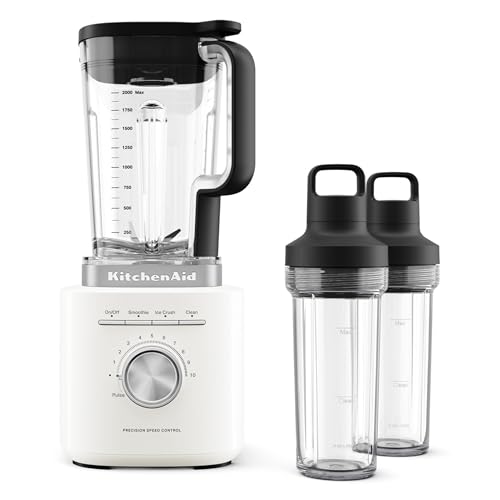


Types of Blenders Compared
Here is the short version before the details. Full size countertop blenders are the default choice for frozen and blended drinks, typically around $60 to $400, because their tall jars build the vortex that smooths ice. Food processors suit chunky prep and cost about $50 to $250. Immersion blenders excel at small, soft mixtures for around $30 to $120. Hand mixers, at roughly $25 to $80, whip and stir but cannot crush ice. The sections below explain where each type shines and where it lets you down.
Food Processors
A food processor pushes food across a wide bowl with a flat blade or discs, which makes it fast at chopping herbs, nuts, and vegetables for garnishes and syrups. For drinks, that same design is a weakness, because liquid pools in the bowl and the blade cannot build the swirling vortex a smooth cocktail needs. Capacity seals also tend to leak with thin liquids. Choose a processor as a companion for prep work, not as your main drink machine, unless your mixed drinks are mostly chunky, salsa style mixtures served over ice.
Immersion (Stick) Blenders
An immersion blender is a motorized wand you lower directly into a glass, pitcher, or pot. It is brilliant for small jobs: stirring a single serving, emulsifying a creamy drink, or smoothing a soft fruit mixture without washing a big jar. Storage is effortless, and cleanup takes seconds under the tap. The limits are power and reach. Most wands strain against a full load of ice, and blending in a shallow glass can splash. If your drinks lean soft and small, our guide to the best stick blenders covers the strongest options in this style.
Hand Mixers
A hand mixer spins beaters or whisks through mixtures, which makes it useful for whipped toppings, foamy egg white cocktails, and stirring powdered drink mixes into water. It is light, cheap, and easy to store in a drawer. What it cannot do is crush anything solid, since beaters bend and stall against ice or frozen fruit. Think of a hand mixer as a finishing tool for texture on top of a drink, not the machine that builds the drink itself. Households that bake often may already own one, which makes it a handy free extra.
Food Processors vs Immersion (Stick) Blenders: Which Should You Choose?
These two types get compared often because both sit outside the classic countertop shape. On capacity, the processor wins easily, handling several cups of solid prep at once, while the wand works best in one to four cups of liquid. On drink texture, neither produces a true frozen slush, but the wand at least blends liquids smoothly in the serving glass. On cleanup, the wand rinses in seconds, while a processor bowl, lid, and blade need full washing. On storage, the wand disappears into a drawer and the processor claims shelf space. Choose the processor if your priority is chopping and batch prep for parties. Choose the wand if your priority is quick single drinks and minimal washing. If frozen drinks are your main goal, skip both and put the money toward a countertop model, as the readers of our guide to the best blenders for making frozen drinks usually conclude.
How to Choose the Right Blender
Once you settle on a type, four buying points separate a machine you love from one you tolerate. Work through them in order and most listings will sort themselves quickly.
Features That Matter for Mixed Drinks
Mixed drinks cover everything from icy frozen cocktails to delicate stirred blends, so versatility is the core requirement. Variable speed lets you start gently with carbonated mixers and finish strong with ice. Pulse protects texture when you add herbs or fruit at the end. A jar between 48 and 64 ounces covers both solo drinks and party pitchers, and a tamper helps with thick frozen mixtures. Look for BPA free Tritan jars, which handle citrus and alcohol without absorbing odors from the last batch.
Motor Power and Wattage
For a countertop machine that must crush ice, around 900 watts is a comfortable target, and 1,200 watts or more makes big frozen batches effortless. Lower powered countertop models near 500 watts can still handle soft drinks and small amounts of ice if you add liquid first. Immersion models quote lower numbers, often 200 to 500 watts, which is fine for their smaller loads. Judge power together with blade and jar design, because a smart shape turns modest watts into smooth results. Our guide to the best blenders for ice drinks digs deeper into what ice heavy use demands from a motor.
Ease of Cleaning
Drink residue is sugary, sticky, and quick to sour, so easy cleaning protects both flavor and hygiene. The best routine is the self cleaning one: warm water, a drop of soap, 30 seconds of blending, and a rinse. Jars and lids that are dishwasher safe help after parties. Avoid designs with separate blade bases and multiple gaskets if you blend daily, since each seal is a place for syrup to hide. A smooth jar interior with rounded corners rinses cleanest of all.
Footprint, Storage, and Cord Length
Measure the space under your cabinets before you fall for a tall model, because many countertop blenders stand 17 to 20 inches with the jar seated. A removable jar that stores beside the base can solve a tight fit. Cord length matters more than people expect: a short cord chains you to one outlet, while a cord around three to four feet reaches comfortably. Compact kitchens may favor an immersion wand for daily drinks and a midsize countertop unit stored in a cupboard for party batches.
Setup and Care Tips
Whatever type you choose, a few habits protect results and the machine itself. Add liquids first, then soft ingredients, then ice last, so the blades start in liquid and pull solids down steadily. Never fill past the max line, since an overfull jar blends unevenly and can leak at the lid. Clean the jar right away with warm water and a drop of soap, dry the base with a cloth rather than rinsing it, and store the jar with the lid ajar so no stale odor builds up between uses.
Blenders: Your Questions Answered
What features matter most in blenders for mixed drinks?
Variable speed, pulse, and a jar sized for your usual batch matter most. Variable speed handles both gentle stirring and full ice crushing, pulse protects delicate add ins, and the right capacity keeps the vortex strong. A tamper is a genuine bonus for frozen recipes. Power near 900 watts in a countertop model covers nearly every mixed drink style, from frozen cocktails to smooth blended refreshers for a group.
What is the difference between a blender and a food processor?
A blender works in a tall jar where a vortex pulls ingredients into the blades, producing smooth, pourable liquids. A food processor works in a wide bowl built for chopping, slicing, and shredding solids, and it cannot sustain that vortex. Processors are better for garnishes, infused syrups with chopped fruit, and chunky mixtures. For anything you pour through a straw or strain into a glass, the blender is the right tool.
Is a more expensive blender worth it?
For daily drink makers, usually yes, because stronger motors, better jars, and longer warranties turn into years of consistent results. Premium countertop models can run a decade with basic care, which makes their cost per year modest. If you blend a few times a month, a midrange machine delivers most of the benefit for far less. Spend first on power and jar quality, and let extras such as extra cups come later if you still want them.
Can a blender crush ice?
A countertop blender with adequate power can crush ice reliably, especially when you start with liquid in the jar and ramp the speed up gradually. Immersion blenders can handle a few cubes in a sturdy container but are not built for repeated ice work. Hand mixers cannot crush ice at all. If frozen drinks are central to your routine, confirm the manual lists ice crushing, and consider the machines in our guide to the best drink blenders as a starting point.
How many watts does a good blender need?
For mixed drinks that include ice, plan on roughly 900 watts in a countertop model. That level handles pitcher batches without straining. Soft drinks without ice can succeed at 400 to 600 watts, and immersion wands do their smaller job at 200 to 500 watts. Treat wattage as one clue among several, since blade angle and jar shape decide how much of that power becomes smooth texture in the glass.
How do I clean a blender quickly?
Rinse the jar immediately, then blend warm water with a drop of soap for about 30 seconds and rinse once more. This prevents sugar films from hardening. For jars with a removable base, wash the gasket separately once a week so trapped syrup does not sour the next batch. Wipe the motor base with a damp cloth only. An immersion wand is even faster, needing just a rinse and a short burst in clean water.
Our Verdict
For most people, a midrange countertop blender with variable speed and around 900 watts is the versatile center of a home drink setup, with other types playing support roles. Review the product table above against your batch size and storage space, then choose the best blenders for mixed drinks option that fits your routine, and your counter will be ready for everything from frozen classics to simple stirred refreshers.


