
Best Blenders for Making Green Smoothies: Buyer Checklist for 2026
Disclosure: We may earn a commission when you buy through links on this page, at no extra cost to you. As an Amazon Associate I earn from qualifying purchases. Learn more

Use this checklist to compare the best blenders for making green smoothies by power, jar material, speed control, warranty, and daily cleaning ease.
A good checklist saves you from buying on wattage alone and then finding gritty kale in every sip. The best blenders for making green smoothies pass a set of practical tests covering power, circulation, jar material, noise, and warranty. This article lays out those criteria with clear pass and fail lines you can apply to any listing.
Work through the criteria in order, since a failure early on, such as weak circulation, cannot be fixed by a nice preset later. Use the product table above to note which models meet each line as you read.


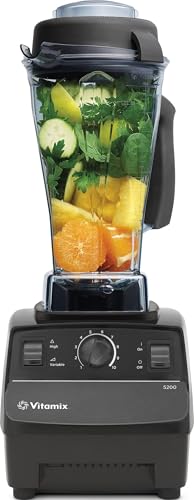
How to Evaluate Blenders
Features That Matter for Making Green Smoothies
Green smoothies combine liquid, soft fruit, and fibrous leaves that resist breaking down. A passing blender creates a steady vortex that folds leaves into the blades again and again. Look for a jar that tapers toward the base, a lid that seals under pressure, and a tamper for thick mixes. Aim for a working capacity of about 48 ounces for family batches. If a jar lists total capacity but a much smaller max fill for liquids, use the smaller number.
Motor Power and Wattage
Score power by how the motor behaves under load, not just by the printed number. Around 900 to 1400 watts is a strong range for daily greens with frozen fruit. Below about 600 watts, expect to chop stems finely, add extra liquid, and blend in stages. Ice crushing claims are a useful proxy for torque. A motor that slows to a crawl with a full jar fails this line even if the wattage looks impressive on paper.
Speed Settings and Presets
Good control means a true low speed, a confident high speed, and pulse in between. Variable speed lets you start slow so leaves submerge instead of sticking to the lid, then finish fast for a smooth texture. A smoothie preset can automate that ramp, which helps on busy mornings. Count this as a pass if you can run the machine for a full minute without it rocking on the counter or needing constant stopping and stirring.
Jar/Bowl Material (Tritan, Glass, Stainless)
Most full size jars are Tritan plastic, glass, or stainless steel, and each has trade offs. Tritan is light, tough, and usually BPA free, but it can hold odors from ginger or turmeric. Glass resists stains and smells yet adds weight and can chip. Stainless hides stains and keeps drinks cold, though you cannot see the blend level. For green drinks you watch closely, a clear jar earns the higher score.
Warranty and Motor Reliability
Warranty length signals how long the maker expects the motor and drive parts to last. Two years is a minimum pass for regular use, while five to ten years is strong for daily blending. Check whether the jar and blades are covered or only the motor base, since that detail changes the real value. Also confirm that replacement gaskets and lids are sold separately. A cheap machine with no spare parts often becomes waste after one small failure.
Blade or Attachment Design
For smoothies, fixed stainless blades with a mix of flat and angled surfaces score best because they both cut and circulate. Removable blade units can be easier to clean but add a seal that may leak over time. Attachments such as a dough hook or whisk do not help green drinks, so give them no points in this category. What earns points is a tamper that fits through the lid and reaches close to the blades safely.
Noise Level
All powerful blenders are loud, but design changes how harsh that sound feels in a small kitchen. A heavy base, a well fitted jar, and sound dampening around the motor reduce vibration and rattle. If you blend early while others sleep, look for models that mention noise reduction and avoid thin, lightweight bases. Running on a folded towel can cut counter vibration, though you should keep vents clear. Noise rarely decides a purchase alone, but it breaks ties.
Three Profiles That Pass the Checklist
Rather than naming products here, use these three profiles to classify options in the product table above. Each profile describes who it fits and the compromise that comes with it.
Daily Heavy Use Profile
The overall profile passes every checklist line without extreme cost. Expect about 1000 watts or more, a 64 ounce jar, variable speed with pulse, a tamper, and a warranty of at least five years. It suits households blending daily for two to four people. Texture should be smooth with kale, frozen berries, and seeds in about a minute. The compromise is size and price, since this class needs counter space and usually costs about $150 to $300.
Weekly Use Profile
The value profile protects the lines that affect the drink itself and saves money elsewhere. It keeps a motor near 900 watts, a clear Tritan jar, and pulse control, while skipping presets, touchscreens, and accessory bundles. Expect a warranty of two to three years and a price around $80 to $150. It suits you if you blend three or four times a week with spinach, softer kale, and banana. You may need to scrape the sides once for very thick mixes.
Volume Profile
The heavy use profile is built for volume and repetition. It adds metal drive components, strong motor cooling, a large jar, and a long warranty, often seven years or more. Families making back to back jars, or anyone adding nuts and frozen greens daily, benefit most. Prices often run above about $300. The trade offs are weight, noise, and a footprint that may not fit under low cabinets, so measure your space before choosing this class.
Quick Buyer Checklist
Before you buy, answer these questions honestly for the model you are considering. A no on the first four should send you back to the product table above.
- Does the motor reach about 900 watts or show strong ice crushing ability?
- Does the jar size match your usual batch without constant overfilling?
- Can you start on a low speed and finish on a high speed smoothly?
- Is a tamper included, or can you add liquid easily during blending?
- Is the warranty at least two years, with spare lids and gaskets available?
- Will the assembled machine fit under your cabinets where you plan to store it?
- Can you clean the jar quickly with warm water and a drop of soap?
- Does the price fit your budget without paying for attachments you will not use?
If you are comparing adjacent needs, our guide to the best blenders for making smoothies covers the wider smoothie category, while the best blenders for leafy green smoothies page looks at budget tiers for leaf focused drinks.
Red Flags to Watch For
Some listings look strong until you read closely. Watch for these warning signs and move on when you see several together.
- Wattage is missing, vague, or stated only as a peak number with no running power.
- The jar capacity sounds large, but the max liquid fill line is far lower.
- The warranty is under one year, or it excludes the jar, blades, and seals.
- There is no pulse control and no low speed, only one or two fast settings.
- Spare parts such as lids and gaskets cannot be bought, making a small break fatal.
Also be cautious when every review reads the same and none mention noise, cleaning, or thick mixtures. Real daily use always surfaces small annoyances, and balanced feedback usually describes them.
Care and Maintenance Tips
Add liquids first, then soft ingredients, then greens, and ice or frozen fruit last, so the vortex forms quickly. Do not overfill past the max line, because thick green mixes expand as air is incorporated. Clean right away with warm water and a drop of soap, running the machine briefly, then rinse. Dry the jar with the lid off to prevent musty smells, and check the gasket weekly for trapped pulp.
For smaller households, the trade offs change a little. Our overview of the best small blenders for smoothies explains when a compact jar circulates better than a large one. If you mainly blend with ice, the best blenders for making smoothies with ice guidance adds detail on torque and cube size. The general best blenders for smoothies page is also useful if your drinks are mostly fruit.
Frequently Asked Questions
What features matter most in blenders for making green smoothies?
Circulation matters most, followed by motor strength and speed control. A jar shape that keeps leaves moving through the blades prevents the gritty bits that ruin texture. A tamper helps with thick, low liquid blends. Jar material and noise matter for daily comfort, but they cannot rescue a machine that leaves kale in flakes, so rank performance traits first when you compare.
Is a more expensive blender worth it?
It can be, mainly through durability and texture. Higher prices usually bring longer warranties, metal drive parts, and motors that keep speed in thick mixtures. If you blend daily for years, that reliability lowers cost per use. If you blend once a week with soft greens, a value model passes the same checklist lines that matter and leaves money for produce instead.
What's the difference between a blender and a food processor?
A blender liquefies with the help of liquid in a tall jar, producing a smooth drink. A food processor chops and shreds in a wide bowl, usually without liquid, and leaves visible pieces. For green smoothies you need the blender action. A processor is better for salsa, dough, and sliced vegetables. Some combo units do both jobs acceptably, but the blender side should still pass the power and jar tests above.
How many watts does a good blender need?
For daily green smoothies, about 900 watts or more is a comfortable target. That level handles kale stems, frozen fruit, and a full jar without frequent stalls. Lower power can work if you use tender greens, chop stems small, and add liquid first. Judge the whole system, though, because blade shape and jar taper decide how much of that power becomes smooth texture.
Can a blender crush ice?
Many can, provided the blades are sturdy and the motor has enough torque. Use pulse first to crack large cubes, then blend steadily with some liquid in the jar. Avoid running a budget jar full of dry ice cubes for a long stretch, which strains the motor and dulls blades. If ice is central to your drinks, treat ice crushing performance as a required checklist pass.
How do I clean a blender quickly?
The fastest method is immediate. Rinse the jar, fill it halfway with warm water and one drop of soap, and blend for about 30 seconds. Rinse again and let it air dry open. Green pigment on plastic fades with sunlight or a baking soda paste. Never put the motor base under a tap, and keep fingers and utensils away from blades even when the machine is unplugged.
Wrapping Up
Use the checklist in order: circulation and power first, then control, materials, and warranty. That sequence keeps you focused on the drink in the glass rather than on accessory counts. The right best blenders for making green smoothies choice is simply the model that passes those lines at a price you accept. Check your finalists in the product table above and buy with confidence.


