
Best Blenders for Leafy Green Smoothies by Budget: Smart Picks for 2026
Disclosure: We may earn a commission when you buy through links on this page, at no extra cost to you. As an Amazon Associate I earn from qualifying purchases. Learn more

Compare the best blenders for leafy green smoothies by budget, motor power, jar size, and cleaning ease with a clear guide to what each tier delivers.
Prices for blenders stretch from under $50 to well over $500, and the gap can feel confusing when all you want is a smooth drink without gritty bits of kale. The best blenders for leafy green smoothies share a few traits that matter far more than flashy extras. This guide shows you where money actually changes the result in the glass.
Leafy greens are tough and fibrous, so they punish weak motors and dull jar designs quickly. Use the product table above to shortlist models by price and jar size, then read the tier guidance that follows to decide what you really need.


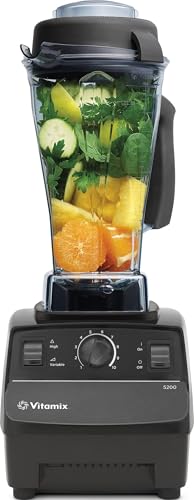
Three Budget Tiers for Leafy Green Smoothies
Think of these three tiers as three different promises rather than three named products. Each tier below describes who it suits, what you gain, and what you give up, so you can match the product table above to your habits.
Budget Tier Profile
A budget tier choice around $50 to $100 suits you if you blend a few times a week with mostly tender greens like spinach and a good amount of liquid. Look for at least 600 watts, a jar of about 48 ounces, and a pulse control. Expect to cut ribs from kale, add liquid first, and blend a little longer. The trade off is more noise, a shorter warranty, and less smooth results with frozen fruit.
Midrange Tier Profile
The midrange tier, about $100 to $250, is where most daily green smoothie drinkers should shop. You typically get 900 to 1200 watts, a sturdier base, better jar geometry that pulls greens down into the blades, and a tamper on many models. That combination shreds kale and chard stems far more reliably. The main limit is that premium sound insulation and very long warranties are still uncommon at this price.
Premium Tier Profile
Premium models above about $250 suit households blending every day, often for several people, and anyone tired of replacing a cheaper machine. You pay for stronger motors, metal drive parts, larger jars, variable speed dials, and warranties that can run seven years or longer. Texture becomes silky even with tough greens and seeds. The downside is cost, counter space, and power you may never need if you blend only on weekends.
What Your Money Gets You at Each Price Tier
Budget Tier: What to Expect
At the budget level you get basic blending with simple controls, usually two or three speeds plus pulse. Jars are often lighter plastic and lids can feel less secure under load. For soft greens and bananas this is enough, and cleanup is usually quick. Spend your limited money on motor strength and a jar shape with a narrow base rather than on extra attachments you will rarely use for smoothies.
Midrange Tier: The Sweet Spot for Most Buyers
Midrange money buys consistency. Stronger motors hold speed when the mixture thickens, so greens keep moving instead of riding above the blades. You also see better seals, clearer measurement marks, and jars made from thicker Tritan that resists stains from turmeric and berries. If you blend four or more times a week, this tier usually gives the lowest cost per year because the machine lasts longer and needs fewer retries per drink.
Premium Tier: When Spending More Pays Off
Premium spending pays off when volume, frequency, or texture standards are high. A variable speed dial lets you start slow to pull leaves in, then ramp up to finish, which reduces air pockets. Strong ventilation lets the motor run longer without a thermal shutoff during big batches. If your household makes two large jars back to back each morning, that durability is a real benefit rather than a luxury.
Features Worth Paying For (and Ones to Skip)
Blade or Attachment Design
For green smoothies, a fixed blade assembly with broad, angled blades matters more than extra attachments. A dough hook or whisk belongs to baking tasks and adds nothing here, so do not pay extra for them in a smoothie focused purchase. What helps is a jar and blade pairing that creates a strong vortex. A tamper is also valuable because it pushes floating leaves down without stopping the motor or adding extra liquid.
Motor Power and Wattage
Wattage is a clue, not a guarantee, because blade design and jar shape decide how power reaches the food. Still, aim for about 900 watts or more for daily kale based drinks, and at least 600 watts for occasional spinach drinks. Ice crushing ability is a useful sign of torque, since a motor that handles ice usually handles fibrous stems too. If a listing hides wattage entirely, treat that as a warning sign.
Features That Matter for Leafy Green Smoothies
Greens need time, liquid, and movement. Choose a jar of 48 to 64 ounces for family batches, or about 32 ounces if you blend for one and want strong circulation in a smaller volume. Variable speed helps you start low and finish high. A tight fitting lid with a removable cap lets you add liquid mid blend. If you also want broader context, see our guide to the best blenders for making green smoothies for a checklist view of the same core traits.
Ease of Cleaning
Green residue dries fast and sticks under blades, so cleaning design affects whether you keep using the machine. A self cleaning cycle that runs warm water with a drop of soap helps, but wide jars you can reach into with a brush are just as practical. Check that the jar, lid, and tamper are dishwasher safe if you rely on a dishwasher. Avoid designs with deep grooves around the blade base where pulp collects.
Speed Settings and Presets
A smoothie preset is convenient because it ramps speed up and down to pull ingredients in, but a manual dial plus pulse can do the same job with practice. Pulse matters for breaking up a packed layer of frozen fruit before a full blend. More than about ten speeds adds little for greens. What counts is a true low speed that does not fling leaves to the lid in the first second.
Size is the other decision many buyers get wrong. If counter height is tight, measure the space under your cabinets with the jar seated on the base. For small kitchens and single servings, our notes on the best small blenders for smoothies explain the trade offs. For one person who blends and goes, the best personal blenders for smoothies can work, though most personal jars struggle with large kale leaves unless you chop them first.
Long Term Costs to Factor In
The purchase price is only part of ownership. Replacement jars and lids can cost a large share of a budget machine price, so check parts availability before you buy. Electricity cost per blend is tiny, usually a few cents, even for strong motors. A longer warranty lowers risk more than any accessory bundle. Also budget for a bottle brush and spare gaskets over the years. If you blend daily, a midrange machine replaced once in eight years often costs less than three budget machines in the same period.
Frequently Asked Questions
What features matter most in blenders for leafy green smoothies?
Motor strength, jar shape, and a tamper matter most. A strong motor holds speed under a thick load, a jar that narrows near the blades keeps greens circulating, and a tamper clears floating leaves. Variable speed is the next priority because starting slow prevents air pockets. Jar size should match your usual batch, since a half empty large jar blends greens less evenly.
Can a blender crush ice?
Yes, most midrange and premium blenders can crush ice, but budget models vary widely. Look for explicit ice crushing language and at least 600 to 900 watts, plus a pulse setting to break cubes gradually. Add a little liquid first and avoid dropping a full tray of large cubes into a dry jar. If you blend frozen drinks often, compare the best blenders for smoothies and ice as well.
How many watts does a good blender need?
About 900 to 1400 watts suits daily green smoothies with kale, frozen fruit, and seeds. Around 600 watts can work for spinach and soft fruit if you add enough liquid and blend longer. Wattage alone does not promise a smooth result, so weigh jar design and warranty alongside the number. A well designed 1000 watt machine often beats a poorly shaped 1400 watt one.
What's the difference between a blender and a food processor?
A blender uses a tall jar and fast blades to turn liquids and soft solids into a smooth pourable mixture, which is what smoothies need. A food processor uses a wide bowl and interchangeable discs to chop, slice, and shred with little or no liquid. Processors leave greens in small pieces rather than fully smooth. Many kitchens keep both, but for drinks the blender is the right tool.
How do I clean a blender quickly?
Rinse the jar right after pouring, before pulp dries. Fill it halfway with warm water, add one drop of dish soap, and run it for about 30 seconds, then rinse and air dry with the lid off. For green stains, a paste of baking soda and water left for ten minutes helps. Never immerse the motor base in water, and unplug the machine before reaching near the blades.
Is a more expensive blender worth it?
It is worth it if you blend daily, make large batches, or want very smooth texture from tough greens and seeds. Premium money buys durability, longer warranties, and better circulation rather than magic results on soft fruit. If you blend twice a month, a midrange or budget model is the smarter spend. Match the tier to your actual weekly routine, not to an ideal one.
Wrapping Up
Start with motor strength and jar circulation, then choose the tier that fits how often you blend. Budget models handle tender greens, midrange models suit most daily drinkers, and premium models reward heavy use. Whichever route you take, the best blenders for leafy green smoothies for you is the one you will use and clean without fuss. Compare your shortlist in the product table above before you buy. For a broader starting point, you can also read about the best blenders for smoothies in general.


