
Best Blenders for Kale Smoothies of 2026: Complete Buying Guide
Disclosure: We may earn a commission when you buy through links on this page, at no extra cost to you. As an Amazon Associate I earn from qualifying purchases. Learn more

Choose the best blenders for kale smoothies with a buying guide on power, blades, jar size, cleaning, and noise, plus tips for smooth leafy drinks.
Kale is the ingredient that separates serious smoothie blenders from the rest. Its tough leaves and fibrous stems turn into gritty flecks in a weak machine, no matter how long you blend. The best blenders for kale smoothies shred those fibers completely, giving you a smooth, drinkable texture with no chewing required. This guide shows you the power, blade, and jar traits that make that possible, sorted into clear price tiers. It also shares the blending technique that helps even a midrange machine handle kale well.
Your habits set the bar: a daily green smoothie with frozen fruit demands far more than an occasional blend. Match your routine to the tiers below as you review the product table above.


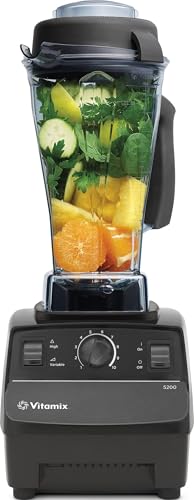
Price Tiers at a Glance
This section describes what each price tier delivers for leafy greens, without naming individual models. Use it to set your budget, then verify the details in the buying guide that follows.
Performance Tier: Around $100 to $250
This tier suits daily green smoothie drinkers who want a silky texture with zero leaf flecks. Motors stay strong under kale, frozen mango, and ice at the same time, and tall jars pull leaves down into the blades without constant tamper work. You also get preset smoothie programs and warranties that match daily use. The trade offs are counter height, weight, and noise.
Value Tier: Around $50 to $100
The value tier suits drinkers who blend greens a few times a week and are willing to use one simple technique: blend the kale with liquid alone first, then add the remaining ingredients. Motors in this range handle leaves well in that two stage process, and many models include a personal travel jar. Shoppers who like that grab and go format can compare options in our guide to the best personal blenders for smoothies. Expect more noise and shorter warranties than the tier above.
Upgrade Tier: Around $250 and Up
The upgrade tier buys refinement rather than a different result: quieter operation, heavier build quality, digital controls, and jars and blades built for a decade of daily use. Texture reaches the same smooth finish as the overall tier, only faster and with less vibration and splashing. This tier makes sense for households blending multiple servings every morning, or for anyone who keeps appliances for a very long time.
How to Choose the Best Blenders: Buying Guide
Kale punishes weak blending in a specific way: the leaves are light, so they float, fold, and ride above the blades, while their fibers resist cutting. When you compare the best blenders for kale smoothies, judge the seven points below with that behavior in mind. Our broader guide to the best blenders for smoothies covers fruit focused needs, while this section stays on leafy performance.
Features That Matter for Kale Smoothies
Three traits decide kale texture: sustained high speed, a jar shape that creates a strong vortex, and enough liquid contact time. A smoothie preset that runs about 45 to 60 seconds at rising speed is ideal, because kale needs longer than soft fruit to break down fully. A tamper helps push floating leaves into the vortex on thick blends. If you also load frozen fruit heavily, our guide to the best blenders for frozen smoothies explains the extra power that combination demands.
Motor Power and Wattage
For fully smooth kale, about 1,000 watts or more is the comfortable zone, because the motor holds full speed while fibers and frozen fruit load the blades. Machines around 600 to 900 watts can still succeed with the two stage method and a little extra liquid, they just need more time. Below that range, expect visible flecks and a gritty sip whatever you do. As always, wattage works with blade and jar design, so treat it as your first filter, not your final answer.
Ease of Cleaning
Green residue dries like paint, so cleaning speed decides whether your habit survives busy weeks. The easiest routine is a rinse, warm water with a drop of soap, and a short blend, then a rinse again. Wide jars clean faster than narrow personal jars, where green film hides under the blade. Dishwasher safe jars and lids help, though blades and seals last longer with hand washing.
Noise Level
Kale smoothies need long blend cycles, and long cycles at high speed are loud, often for a full minute. If you blend while others sleep, look for models known for sound dampening, or blend the night before and refrigerate in a sealed jar for up to a day. A folded towel under the base cuts counter vibration noticeably, a simple trick worth using in apartments with thin walls.
Jar and Bowl Material (Tritan, Glass, Stainless)
Tritan jars marked BPA free dominate this category because they are light, strong, and let you watch the vortex swallow the last leaf pieces. Glass resists the green staining that kale and turmeric can leave in plastic over time, and it never holds odors, but a full glass jar is heavy to pour with one hand. Stainless jars are tough and opaque, which hides the blend and makes it hard to judge whether flecks remain. For kale, visibility is a real feature, so clear Tritan or glass wins for most buyers.
Footprint, Storage, and Cord Length
Measure the space between your counter and upper cabinets before buying, because many full size blenders stand about 17 to 18 inches tall and will not fit under standard cabinets. Compact kitchens may favor a shorter base or a personal format; our guide to the best small blenders for smoothies focuses on those smaller footprints. Check cord length too, since a short cord chains the blender to one outlet, and look for cord storage in the base so counters stay tidy between blends.
Blade or Attachment Design
Kale responds best to a fixed, wide blade assembly that creates strong circulation, rather than a small cross blade that only processes what falls directly onto it. Laser cut stainless blades with upward angled tips lift leaves from the jar floor and fold them back down. Removable blades ease deep cleaning but add a gasket that green residue loves to stain. Attachments like a dough hook or whisk belong to other appliances entirely and add nothing for smoothies, so ignore bundle size and judge the main jar and blade first.
Types of Blenders
Two appliance types appear in smoothie searches, and only one is truly built for kale. This short section explains what each can and cannot do with leafy greens.
Full Size Countertop Blenders
Full size countertop blenders are the natural choice for kale, with large vented jars, strong motors, and room for family batches. They create the vortex that leafy greens need and finish with the smoothest texture. Their costs are counter space, weight, and price. For anyone blending kale more than twice a week, this is the format to buy, in the tier your budget allows.
Immersion (Stick) Blenders
Immersion blenders are the weakest option for kale, because the small blade under a bell shaped guard cannot circulate a whole jar of leaves, and fibers wrap around the shaft. They can finish a smoothie that a countertop blender started, or handle a small serving of very tender leaves with lots of liquid. For raw kale as a main ingredient, expect flecks and frustration. Keep an immersion blender for soups and sauces, and let a countertop machine own your green smoothies.
How to Make Your Blender Last Longer
- Add liquids first, then soft ingredients, then ice. Liquid starts the vortex, so kale leaves get pulled down and shredded instead of bouncing on dry blades.
- Remove thick kale stems for weaker machines. Stems hold the toughest fiber, and removing them noticeably improves texture in value tier blenders.
- Do not overfill past the max line. Leaves compress as they blend, and an overpacked jar blocks circulation and strains the motor.
- Clean right away with warm water and a drop of soap. Green film that dries for hours needs scrubbing, while a quick soap blend keeps the jar clear and odor free.
- Let the motor rest between heavy batches. Back to back family batches heat a midrange motor fast, so pause a minute between jars.
Blenders: Your Questions Answered
What features matter most in blenders for kale smoothies?
Sustained high speed, a vortex forming jar, and a long smoothie cycle matter most. Kale needs about a minute of aggressive circulation to break its fibers down fully, which is longer than soft fruit requires. A tamper adds real value on thick, low liquid blends. One more practical point: a jar with clear volume markings helps you keep the liquid ratio right, and too little liquid is the most common cause of chunky results.
Is a more expensive blender worth it?
For daily kale drinkers, yes, because the texture difference is obvious in every glass and stronger motors last for years of daily work. For occasional drinkers, a value tier machine plus the two stage technique gets you most of the way there for far less money. Buy for your true frequency, not your best intentions.
How do I clean a blender quickly?
Rinse the jar, add warm water to the halfway mark with one drop of dish soap, and blend for about twenty seconds, then rinse and air dry. Kale pigment can tint light plastic over time, and a paste of baking soda left on the stain for an hour lifts much of it safely. Unplug the base before handling the blade area, and never submerge the motor base in water. This quick routine keeps seals from holding sour green odors.
Can a blender crush ice?
Yes, most full size blenders in the tiers above can crush ice, especially when cubes are added after liquid and softer ingredients. Kale smoothies often include frozen fruit rather than plain ice, which is slightly kinder to blades and motors. Check that your model is rated for ice before making it a daily habit, and pulse a few times first to break big pieces. If the motor strains or smells hot, add liquid and blend in smaller loads.
What is the difference between a blender and a food processor?
A blender liquefies, using a tall jar and a fast blade to make smooth drinks, while a food processor chops and shreds with a wide bowl and slower blades. Kale exposes the gap clearly: a processor turns leaves into confetti, not a drinkable smoothie, and its bowl leaks with thin liquids. Some kitchens use both, the processor for meal prep and the blender for drinks. For kale smoothies, the blender is the only correct tool of the two.
How many watts does a good blender need?
A good blender for kale needs about 1,000 watts or more to hold full speed through leaves, stems, and frozen fruit at once. Between about 600 and 900 watts, good results are still possible with extra liquid, destemmed leaves, and a two stage blend. Below that range, plan on visible flecks. Remember that design shares the credit: a well shaped 900 watt jar can beat a poorly shaped model with higher numbers on the box.
Wrapping Up
Choose sustained power, a jar that builds a strong vortex, and a size that fits under your cabinets, and kale texture stops being a gamble. Use the two stage technique to stretch any budget further, and compare your finalists in the product table above before ordering. One last note: kale is rich in vitamin K, so if you take blood thinning medication, ask your clinician how daily green smoothies fit your personal needs. With the right machine, the best blenders for kale smoothies turn a tough leaf into the easiest healthy habit of your morning.


