
Best Blenders for Hot Liquids: A Safety Guide for 2026
Disclosure: We may earn a commission when you buy through links on this page, at no extra cost to you. As an Amazon Associate I earn from qualifying purchases. Learn more

Learn which blenders handle hot soup safely, from vented lids and heat safe jars to power and cleaning, plus habits that prevent burns at home.
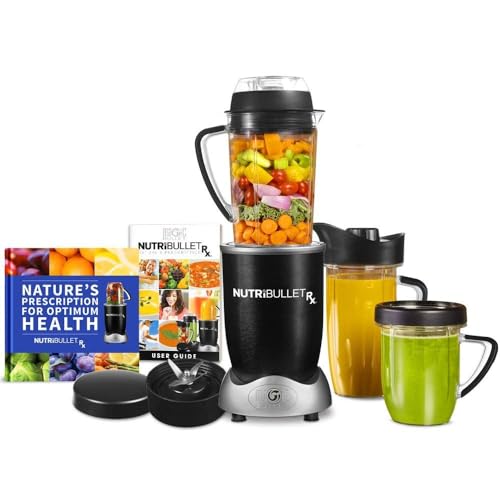
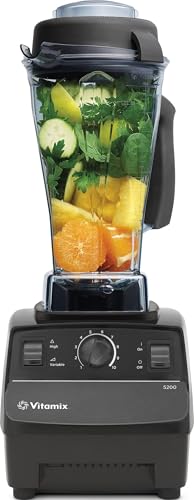
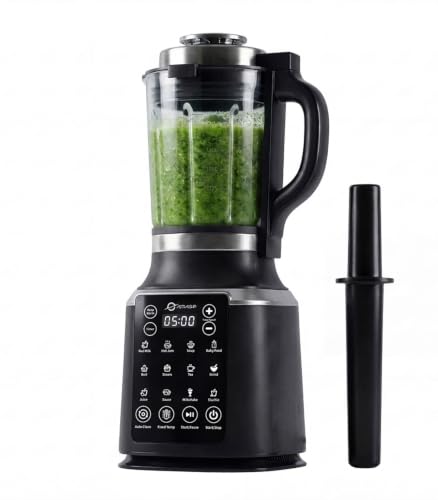
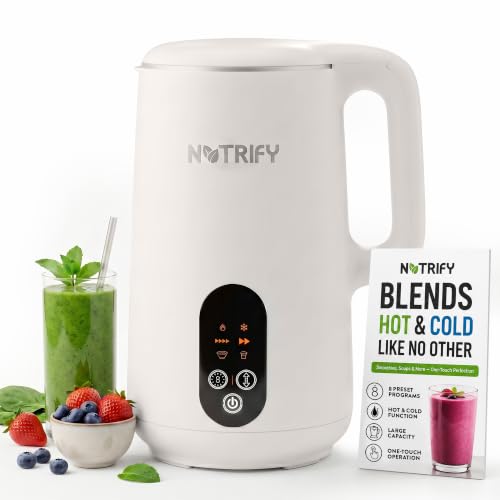
Blending hot soup in the wrong blender can end with a burn, a mess, or both. Best blenders for hot liquids focuses on the features that keep hot blending safe: vented lids, heat safe jars, and sensible technique. The product table above lists blenders suited to hot use.
This guide explains jar materials, steam venting, power needs, and cleaning after hot blends. It also covers the safety habits that matter every time you blend something hot.



Who Should Buy
For Soup Makers
Soup makers need a blender that handles full pots of hot liquid safely and often. A large heat safe jar with a vented lid suits batch soup best, since it blends a whole pot without repeated small batches. A tamper helps push thick soup toward the blades without stopping to stir.
For Sauce and Puree Cooks
Sauce cooks blend smaller hot batches and value control over capacity. An immersion blender blends directly in the pot and suits sauces, gravies, and small soup batches. A countertop blender with variable speed also works, since slow starts prevent hot splashes.
For Batch Cookers and Freezers
Batch cookers blend large volumes for freezing, so capacity and durability matter most. A sturdy glass or steel jar resists heat and staining across many batches. Easy cleaning matters too, since soup residue sets quickly if left standing.
Key Features to Compare
Heat Safe Jar Material
Glass jars handle heat well and resist staining, though they weigh more and can break if dropped. Stainless steel jars handle heat and drops, but you cannot see the blend inside. Heat rated plastic jars weigh less, but check the heat rating carefully, since not all plastic jars suit boiling liquids.
Vented Lids and Steam Release
Hot liquids expand and release steam during blending, so a vented lid is essential for safety. A removable centre cap lets steam escape while keeping splashes inside. Never seal a jar fully with hot liquid and blend at high speed, since pressure builds fast and can blow the lid off.
Power and Blade Design
Hot blending needs enough power to puree fibrous vegetables and beans smoothly. Motors around 1,000 watts handle most soups well, while lower power models struggle with thick blends. Blunt style blades puree better than sharp slicing blades, since they crush and circulate rather than just cutting.
Cleaning After Hot Blends
Clean promptly after hot blending, since soup residue sets as it cools. Most jars rinse clean with warm water and a drop of soap blended briefly. Check whether the jar, lid, and blade assembly are dishwasher safe, and dry blade parts fully to prevent odour.
For related blender types, see the guides on best blenders for hot soup, best blenders for hot and cold, best stick blenders, best hand blenders, and best quality blenders.
Safe Technique for Blending Hot Liquids
Fill the jar no more than half full with hot liquid, start on the lowest speed, and increase gradually. Hold the lid down with a folded towel over the vent cap, keeping hands away from escaping steam. Work in batches for large pots rather than overfilling, since a half full jar blends safer and smoother.
Let boiling liquids cool for a few minutes before blending, and never blend directly from a rolling boil. These habits, plus the vented lid habit, prevent most hot blending accidents.
Common Mistakes to Avoid
- Sealing a jar fully with hot liquid and blending at high speed.
- Overfilling the jar, so hot soup escapes past the lid.
- Blending boiling liquid straight from the stove without cooling briefly.
- Leaving soup residue to set instead of cleaning promptly.
Setup and Care Tips
Rinse the jar and blades immediately after hot use, then wash with warm soapy water. Check seals and gaskets regularly, since heat ages rubber faster than cold use. Replace cracked jars or worn seals at once, since both risk leaks with hot liquids.
Store the blender dry with the lid off the jar where possible, so seals do not compress permanently. Descale or deep clean monthly if you blend soups often, since mineral and food films build up over time.
A Final Check Before You Order
Before buying a blender for hot liquids, confirm the jar heat rating in the manual rather than assuming all glass or steel jars suit boiling soup. Some jars carry limits that surprise buyers, and lids vary in venting design. A quick manual check before purchase prevents the most common hot blending disappointment.
Try hot blending with water first if you are new to it: fill half full, start slow, and practise holding the lid with a towel. A water rehearsal builds confidence without risk, so your first real soup blend feels calm rather than nerve wracking. Safe habits learned early become automatic quickly.
Frequently Asked Questions
Can any blender blend hot liquids?
No, only blenders with heat safe jars and vented lids suit hot liquids safely. Standard plastic jars can warp or crack with boiling liquids, and sealed lids trap steam pressure. Check the manual for a heat rating before blending anything hot, and favour glass or steel jars for soup. When in doubt, check the manual heat rating rather than guessing from jar material alone.
Why must hot blender lids vent steam?
Hot liquids release steam and expand during blending, which builds pressure inside a sealed jar. A vented lid lets steam escape while keeping splashes inside. Without venting, pressure can blow the lid off and spray hot liquid, which causes serious burns. A towel over the vent cap is a simple habit that prevents the most common hot blending burn.
Is glass or plastic better for hot blending?
Glass handles heat well, resists staining, and lets you see the blend, though it weighs more and can break if dropped. Heat rated plastic weighs less but demands careful checking of its heat rating. For frequent soup blending, glass or stainless steel offers the safest long term choice. For daily soup makers, glass or steel repays its weight many times over in safety and durability.
Can I blend boiling soup straight from the pot?
Let boiling soup cool for a few minutes before blending, and fill the jar only half full. Start on low speed and increase gradually while holding the lid with a towel. Blending a rolling boil at high speed risks burns and mess even in a good blender. Patience here is a safety feature, since a few minutes of cooling changes the risk completely.
How do I clean a blender after hot soup?
Rinse immediately with warm water, then blend a drop of soap with warm water briefly and rinse again. Clean blade assemblies by hand if they are not dishwasher safe, and dry fully before storage. Prompt cleaning prevents soup residue from setting and keeps seals in good shape. Immediate rinsing is the habit that separates blenders that stay fresh from ones that smell stale.
Final Thoughts
Safe hot blending turns on three things: a heat safe jar, a vented lid, and a careful technique. Fill half full, start slow, and let steam escape, and even large soup batches blend without drama. The product table above compares jar materials and venting across blender types.
Match capacity to your cooking, favour glass or steel for frequent soup, and clean promptly after every batch. Those habits make best blenders for hot liquids a safe and genuinely useful kitchen choice.


