
Best Blenders for Hot and Cold of 2026: Complete Buying Guide
Disclosure: We may earn a commission when you buy through links on this page, at no extra cost to you. As an Amazon Associate I earn from qualifying purchases. Learn more

Use this buying guide to choose the best blenders for hot and cold, covering vented lids, jar materials, ice power, capacity, and safe soup blending.
One machine that can turn roasted vegetables into a steaming soup at lunch and crush ice for a frozen drink at dinner earns its counter space. The catch is that heat and ice punish a blender in opposite ways, and many jars are built for only one of them. This guide explains what makes the best blenders for hot and cold safe and capable at both ends.
You will learn which jar materials handle heat, why the lid design matters more than raw power for soup, and how much capacity you need. Keep the product table above in mind as you check each point against the models you are considering.
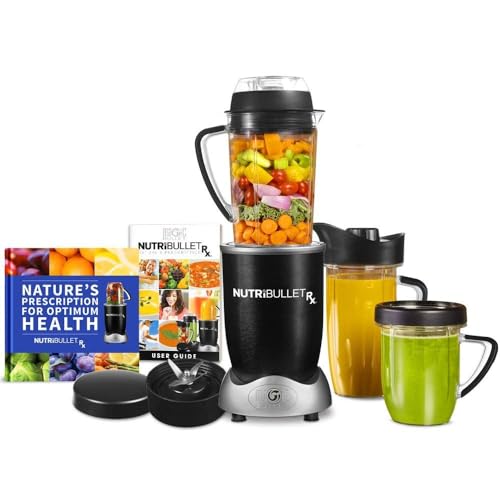
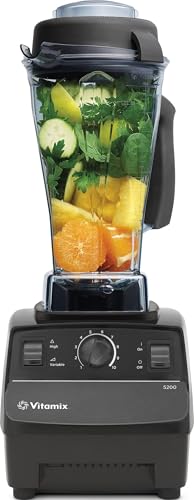

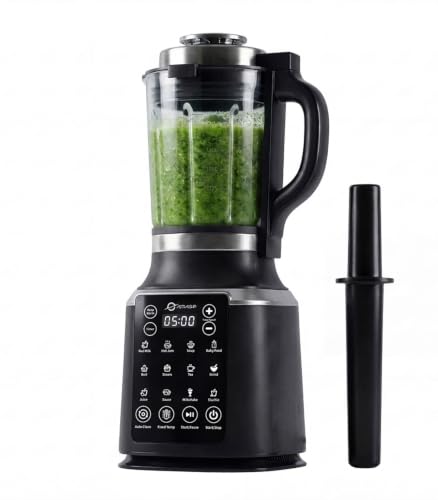


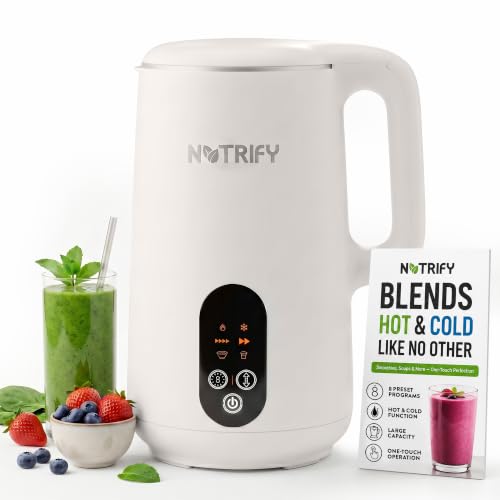
Three Profiles to Look For
Rather than naming models, this section describes three profiles in the product table above. Each one pairs a jar, lid, and motor combination with the home it suits, plus the limit you accept. Match the profile first, then compare prices inside that profile.
Full Feature Profile
This profile pairs a heat safe jar of about 64 ounces with a vented lid, variable speed, and about 1,200 to 1,400 watts, usually around $250 to $450. It blends a full pot of soup without batch splitting and still crushes ice finely for frozen drinks. Expect a warranty of five years or more and a tamper in the box. The trade off is a tall, heavy unit that needs cabinet clearance. For most homes that cook soup weekly, this is the profile to beat.
Value Profile
The value profile keeps the essentials, a heat rated jar, a lid that can vent steam, and about 1,000 watts, at around $100 to $250. Jar size is often about 48 to 64 ounces, and warranties run about two to five years. You may lose a sound shield and some speed settings, but safe hot blending and solid ice work remain. If your soup batches are moderate, this profile covers you well. Check the manual for a stated hot liquid limit, because value models sometimes cap hot fills lower.
Upgrade Profile
Upgrade profiles add stronger motors near or above 1,400 watts, premium jar materials such as Tritan rated for hot use or stainless steel, and warranties up to ten years, often around $400 to $600. Some add a heated blending program that cooks as it blends, which is convenient for sauces. You pay for durability, quieter running, and finer texture at both extremes. Choose this tier if you blend daily, cook large soup batches, or want one machine to serve for many years without replacement worries.
How to Choose the Best Blenders: Buying Guide
This is the heart of the decision, because hot and cold use pulls specs in different directions. Heat demands venting and materials that will not crack or warp. Cold work demands ice crushing power and a blade that folds thick mixtures. A model that does both well states both abilities clearly in its manual, and that clarity is your best filter while shopping.
Features That Matter for Hot and Cold
Start with the lid, because steam must escape or pressure can push hot liquid out. Look for a vented lid with a removable cap, and a jar marked for hot liquids with a lower max fill line for hot loads. The maker should state a heat limit, often near the boiling point of water for rated jars. Variable speed matters because starting soup on low prevents splashing. For cold work, confirm ice crushing support in the same manual, not just on the box.
Motor Power and Wattage
About 1,000 to 1,400 watts covers most homes for both soup and ice. Hot soups are soft loads once cooked, so the motor works hardest on frozen drinks and on raw vegetable purees. Wattage should come with a blade and jar that build a vortex, or power is wasted. Long soup runs also test cooling, so a motor with a clear duty cycle and thermal protection is a plus. If you plan large frozen batches often, lean toward the top of the range.
Ease of Cleaning
Soup leaves oily films and frozen drinks leave sticky syrup, so a self clean cycle earns its place. Fill the jar halfway with warm water and a drop of soap, run it briefly, and rinse. Wide jars are easier to wipe than narrow ones, and dishwasher safe lids help after tomato based soups that stain. Avoid jars with deep ridges near the base where puree hides. Clean soon after use, since dried soup film and dried fruit sugars both turn a one minute job into a soak.
Capacity and Jar Size
A 64 ounce jar makes about four servings of soup in one run, but hot loads must stay under the hot max line, which is often lower than the cold line. A 48 ounce jar suits one to two people and heats through faster. Personal cups are poor for hot use unless the maker rates them for heat, which most do not. Think in servings per meal, not headline ounces. If you freeze soup in batches, the larger jar saves real time each week.
Warranty and Motor Reliability
Heat cycles and ice shocks both stress seals, couplings, and bearings, so warranty terms reveal a lot. Two years is a minimum, five years is reassuring, and seven to ten years marks premium build quality. Ask whether the jar is covered, because heat rated jars cost more to replace. Makers that publish parts lists and sell gaskets and lids separately support long ownership. Keep your receipt and note the purchase date, since coverage windows start there.
Noise Level
Cold blending is the loud part of this pairing, because ice strikes the jar at full speed. A sound shield or a heavier base reduces the worst of it, which matters in apartments and open plan homes. Soup blending is quieter once ingredients soften, but the first seconds with raw vegetables can still roar. Starting on low speed helps in both cases. If early mornings are your smoothie time, weigh noise features alongside power rather than treating them as a luxury.
Types of Blenders
Immersion Stick Blenders
An immersion blender blends right in the pot, which makes it the simplest tool for soup and removes any worry about pouring hot liquid into a jar. It cannot crush ice or make fine frozen drinks, and texture is less smooth than a countertop jar. Prices are low and storage is easy. Many homes pair one with a countertop machine, and our guide to the best stick blenders explains what to look for in a wand.
Food Processors
A food processor chops and slices well and can puree small amounts of cooked vegetables, but its wide bowl leaks with thin hot liquids and its blade leaves ice in chunks. Seals on many bowls are not rated for near boiling liquids either. Use a processor for prep, such as chopping onions for the soup, then blend in a proper jar. As a single tool for hot and cold blending, it is the weakest of the types covered here.
Full Size Countertop Blenders
This is the main type for combined hot and cold work. A strong base, a heat rated jar, and a vented lid let one machine make soup and frozen drinks with real texture control. Sizes and prices vary widely, so the buying guide above is your filter. If you read only one section before buying, make it the lid and jar checks, because those decide safety with hot loads. For soup focused shopping, see our guide to the best blenders for hot soup.
Hand Mixers
A hand mixer whips and beats baking mixtures and can stir a thin soup, but it cannot puree soup smooth or touch ice at all. Hot liquid also splashes easily under fast beaters, which is a burn risk. Keep hand mixers in the baking drawer. They are cheap and useful there, but they do not belong on a short list for blending, and no attachment turns one into a safe soup blender.
How to Make Your Blender Last Longer
- Add liquids first, then soft ingredients, then ice, so the blade starts free and hard pieces feed in gradually.
- Do not overfill past the max line, and stay under the lower hot line for soups so steam and expansion have room.
- Clean right away with warm water and a drop of soap, then dry the jar open to protect the gasket.
- Let the motor rest between heavy batches, especially after long ice crushing runs that heat the base.
- Start hot blends on the lowest speed with the vent cap loose, then raise speed slowly to avoid pressure surges.
- Check the lid gasket monthly for cracks, since heat ages rubber and a worn seal leaks at the worst moment.
FAQs
What features matter most in blenders for hot and cold?
A vented lid and a jar rated for hot liquids matter most, because steam pressure is a safety issue, not a preference. After that, look for variable speed and clear hot fill marks. Shoppers comparing the best blenders for hot use should confirm the stated heat limit in the manual. A machine can be powerful and still be wrong for soup if the jar and lid were designed for cold drinks only.
Can a blender crush ice?
Yes, if the manual lists ice crushing and the motor and blade are built for hard, cold loads. Use liquid in the jar, pulse first to crack cubes, then blend briefly at high speed. Ice ability is the cold half of this pairing, and it is non negotiable if frozen drinks are part of your plan. If a hot rated model bans ice, you would need a second tool, which defeats the point of a combined machine.
Is a more expensive blender worth it?
Often yes for this pairing, because heat rated jars, vented lids, and motors that survive both steam cycles and ice shocks cost more to build. Premium warranties also run longer, which lowers replacement risk. If you only blend cold drinks, a cheaper cold only model may serve you better. Pay for the dual ability when you will truly use both sides, such as weekly soup plus regular frozen drinks in summer.
How do I clean a blender quickly?
Rinse the jar, add warm water to halfway with a drop of soap, and run a short cycle, then rinse and dry open. After soup, a brief soak helps if an oily film clings, and a bottle brush clears the area under the blade. Tomato and turmeric can stain light jars, so wash promptly. Never immerse the base, and keep the cord dry. This routine takes about a minute and prevents odors from building in the gasket.
How many watts does a good blender need?
About 1,000 to 1,400 watts is a practical range for a full size jar doing both soup and frozen drinks. Hot soup alone needs less, since cooked vegetables are soft, but ice and frozen fruit set the real bar. Personal models use less power for small cold batches and rarely suit hot loads. Read wattage with the warranty and jar rating, because those three together predict how the machine will age under mixed use.
What is the difference between a blender and a food processor?
A blender uses a tall jar and a vortex to make liquids smooth, and a heat rated jar with a vented lid makes it safe for soup. A food processor uses a wide bowl to chop and slice, and thin hot liquids leak and splash there. For drinks and soups, choose the blender. For more on hot liquids specifically, see our guide to the best blenders for hot liquids, which covers fill limits and lid safety in depth.
Wrapping Up
Put safety first with a vented lid and a heat rated jar, then confirm real ice crushing power and a jar size that fits your meals. Compare finalists in the product table above and check each manual for hot fill lines before you order. Chosen that way, the best blenders for hot and cold will carry you from winter soups to summer frozen drinks with one reliable machine on the counter.


