
Best Blenders For Everything 2026: Buying Guide
Disclosure: We may earn a commission when you buy through links on this page, at no extra cost to you. As an Amazon Associate I earn from qualifying purchases. Learn more

How to choose an all purpose blender for smoothies, soups, sauces and ice, covering power, jar size, blades, controls and easy cleaning every day.
An all purpose blender should handle smoothies in the morning, soup at lunch, and sauces at dinner without struggling. The right best blenders for everything balance motor power, jar size, and blade design for the tasks you actually do. This guide explains what matters for true versatility.
Many blenders claim to do everything, yet some crush ice well but puree poorly, while others blend soups smoothly but stall on frozen fruit. Your most frequent tasks should guide the choice, not the longest feature list. This guide helps you match power and jar design to your kitchen routine.


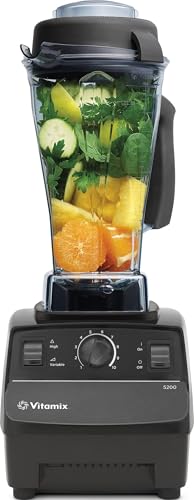
Who Should Buy Best Blenders For Everything
These blenders suit home cooks who want one appliance for smoothies, soups, sauces, dips, and occasional ice crushing. They also suit small kitchens where counter space limits the number of appliances. If you only make smoothies, a personal blender may be cheaper and easier to clean.
Types Compared
All purpose blenders divide by jar style and power level.
Countertop Full Size Blenders
Full size countertop blenders offer large jars, strong motors, and versatility for families. They suit soups, large smoothie batches, and sauces in volume. They take counter space and need thorough cleaning, so consider storage before buying.
Personal and Single Serve Blenders
Personal blenders blend directly into a travel cup, which suits single servings and quick cleanups. They handle smoothies and shakes well but struggle with large soup batches. They suit singles, couples, and busy mornings when speed matters.
High Performance Blenders
High performance blenders use powerful motors and sturdy jars to crush ice and blend tough ingredients smoothly. They suit cooks who blend frozen fruit, nuts, and fibrous vegetables often. They cost more, for about $200 to $500, but they handle the widest range of tasks.
Key Features to Compare
Features That Matter for Everything
Versatility needs a balance of power, blade design, and speed control, not just wattage. Variable speeds and a pulse function help with both smooth purees and chunky salsas. A tamper helps push thick mixtures toward the blades without stopping to stir.
Motor Power and Wattage
Wattage gives a rough guide, but blade and jar design matter just as much. About 600 to 900 watts suits most everyday tasks, while 1,000 watts or more helps with ice and frozen blends. Very high wattage without good blade design still leaves chunks, so check performance with your toughest ingredient.
Jar Size, Material, and Shape
Jar size should match your usual batch size, since a large jar blends small amounts poorly. Glass jars resist stains and odours but weigh more, while plastic jars are lighter but can scratch. A tapered jar shape creates a vortex that pulls ingredients toward the blades.
Blades and Speed Control
Stainless steel blades stay sharp longer, and a mix of blade angles blends more evenly. Multiple speeds plus pulse give control for different textures, from silky soup to chunky salsa. Removable blades ease cleaning but need careful handling and proper sealing.
Cleaning and Maintenance
A blender you dread cleaning will sit unused, so check whether parts are dishwasher safe. Self cleaning cycles help, but a quick rinse right after use prevents dried residue. Check gasket and blade assembly care, since worn seals cause leaks over time.
Common Mistakes to Avoid
Avoid these blender mistakes and your all purpose model will earn its counter space.
- Buying the highest wattage without checking blade and jar design.
- Choosing a jar far larger than your usual batch size.
- Blending hot liquids in a sealed jar without venting steam safely.
- Leaving residue to dry, which makes cleaning far harder.
Everyday Use and Care
Rinse the jar right after use, clean blades carefully, and dry parts before storage. Check seals and gaskets for wear, and avoid overfilling hot liquids. Store the blender with the jar empty and the lid loose to prevent odours.
The product table above gives a quick side by side view, so use it to shortlist two or three options before you read the details again.
A Final Check Before You Buy
Before you buy, list your top three blending tasks and your usual batch size. Check motor power, jar size, speed control, and cleaning ease, and measure counter and storage space. Keep the receipt until you have tried smoothies, a soup, and an ice blend, since those tasks reveal versatility fast.
Related Buying Guides
For nearby choices, see our guides to best quality blenders, best stick blenders, best hand blenders, best blenders for smoothies, and best blenders for shakes.
If Your First Choice Does Not Work
If an all purpose blender struggles with one task, check technique before replacing it. Chunky salsa needs short pulses and evenly cut pieces, while silky soup needs batches that do not overfill the jar, and ice needs liquid first so a vortex can form. A blender that purees soup well but stalls on ice may simply need smaller cubes, a few minutes of softening for frozen fruit, or a different loading order. If the motor smells hot or stalls repeatedly despite good technique, the model may lack power for your heaviest tasks, and a higher performance model is justified. Keep the receipt until you have tried every main task, since a single smoothie cannot reveal versatility. Finally, keep the instruction manual handy for the first month, since speed and pulse guidance varies between models and helps you learn the controls faster.
Frequently Asked Questions
What wattage do I need for an all purpose blender?
About 600 to 900 watts suits most everyday tasks, including smoothies, soups, and sauces. Ice crushing and frozen blends benefit from 1,000 watts or more, but blade and jar design matter just as much. Focus on performance with your toughest ingredient, not wattage alone.
Can I blend hot soup in a blender?
Yes, but hot liquids expand and create steam pressure, so fill the jar only halfway and vent the lid. Start on low speed and increase gradually, holding the lid with a towel. Never seal a hot jar fully without a vent, since pressure can force the lid off.
Glass or plastic jar: which is better?
Glass resists stains, odours, and scratches, but weighs more and can break if dropped. Plastic is lighter and safer for families, but can scratch and stain over time. Choose glass for soup heavy use and plastic for portability and lighter handling.
Why does my blender leave chunks?
Chunks often come from too little liquid, overfilling, or a jar shape that does not create a good vortex. Add liquid first, load soft ingredients near the blades, and use pulse to break up large pieces. A tamper also helps push thick mixtures down safely.
How do I clean a blender easily?
Rinse right after use, then blend warm water with a drop of soap for 30 seconds and rinse again. Clean blades and gaskets separately when needed, and dry parts fully before storage. Prompt cleaning prevents dried residue, which is the main cause of difficult cleanup.
Final Thoughts
Choose a blender whose power, jar size, and controls match your most frequent tasks, and prioritise easy cleaning so it gets used daily. Try it on smoothies, soup, and ice before you commit, since those tasks reveal true versatility. Chosen this way, best blenders for everything can earn a permanent place on your counter.


