
Best Blenders for Bulletproof Coffee in 2026: Which Type Is Right for You?
Disclosure: We may earn a commission when you buy through links on this page, at no extra cost to you. As an Amazon Associate I earn from qualifying purchases. Learn more

Compare blender types side by side and choose the best blenders for bulletproof coffee for your space, budget, coffee style, and daily routine.
Bulletproof coffee asks more of a blender than a cold smoothie does, because you are blending a hot drink with butter and oil and expecting a smooth, foamy emulsion instead of a greasy layer on top. Shoppers often feel stuck between personal, countertop, and immersion styles. This guide to the best blenders for bulletproof coffee compares every type clearly, then matches each one to the coffee form you actually use. By the end, you will know which style fits your kitchen, your budget, and your morning routine.
One safety note shapes the whole category: hot liquid expands and builds steam pressure, so the jar design matters as much as motor power. Keep that in mind as you scan the product table above and read the type breakdowns that follow.
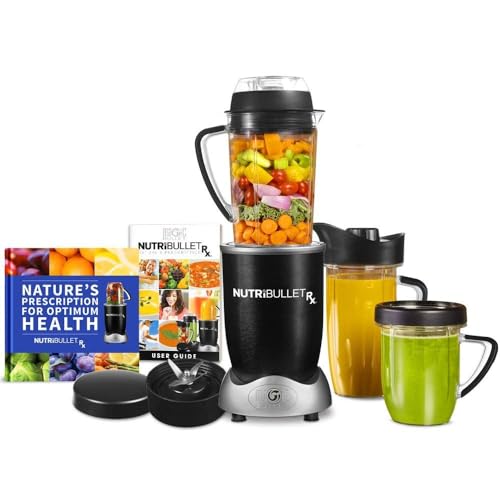

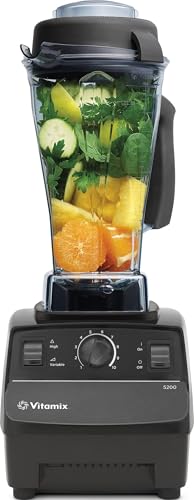

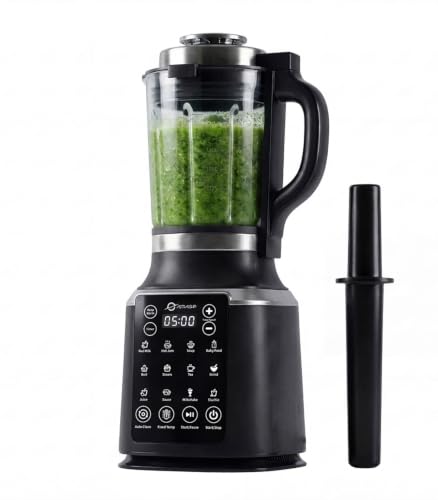


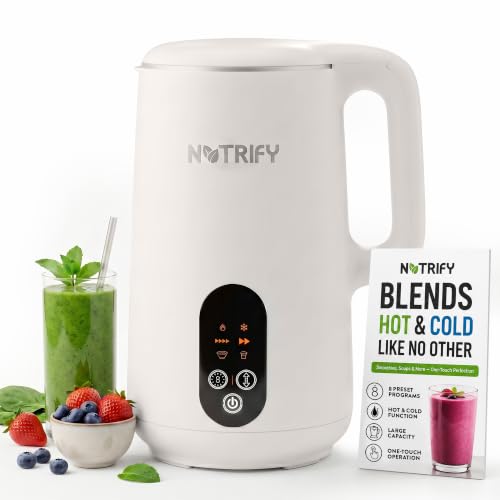
Types of Blenders Compared
Three blender styles can make this drink, and they differ in safety, texture, and cleanup. Full size countertop blenders use a large vented jar and a strong motor, and they produce the thickest foam with the least effort. Personal bullet style blenders are compact and fast for cold drinks, but most sealed jars are not safe for hot liquids. Immersion blenders work right in a tall mug or measuring cup; if that style appeals to you, compare the options in our guide to the best stick blenders before you commit.
Within each style, the coffee form you start with changes the job slightly, since each form arrives at a different temperature and strength. The four sections below explain what each form demands.
Instant Coffee
Instant coffee dissolves in hot water in seconds, so the blender job is purely emulsifying the fats into the drink. Almost any blender style handles it, because there are no grounds and the liquid volume is small. An immersion blender in a tall cup works well and rinses clean in moments. The weakness is flavor: instant coffee often tastes flatter and less aromatic than brewed coffee, and a powerful blend cannot add back aroma that was never there. Choose this route for travel, offices, and speed, not for the richest cup.
Whole Bean Coffee
Whole bean coffee, ground fresh and brewed just before blending, gives the fullest flavor and the freshest aroma. It arrives at the blender piping hot, which melts butter quickly and helps the emulsion form. That heat also means you need a vented jar and a lid you can hold down with a towel, starting on low speed. A full size countertop model handles this best and doubles for other jobs; if versatility matters, our roundup of the best blenders for smoothies shows what the same machines do with frozen fruit.
Ground Coffee
Pre ground coffee sits between instant and whole bean in both flavor and effort. It brews fast with a drip machine, a French press, or a pour over setup, and it reaches the blender hot and ready for butter and oil. Flavor fades faster than whole bean once the bag is open, because ground coffee has far more surface area exposed to air. Any vented countertop blender or immersion model handles it easily. This is the practical middle path for most households: real brewed taste, minimal morning friction, and no grinder to buy or clean.
Cold Brew Blends
Cold brew concentrate changes the task, because traditional bulletproof coffee is served hot, and cold liquid does not melt butter well. If you blend cold brew with oil only, a personal blender can work, since pressure from steam is not a concern when the liquid is cold. For a hot version, you must heat the cold brew first, which brings back the vented jar rule. Cold brew tastes smooth and low in acidity, and its natural sweetness flatters the rich fats. Choose it if you already brew big batches and want a gentler flavor base.
How to Choose the Right Blender
Start with the jar, then the motor, then the coffee itself. A vented, heat safe jar of at least 32 ounces, variable speed control, and a motor that can run at high speed for about 30 seconds without straining will emulsify butter and oil fully. If you plan to shop by build quality and warranty length, our overview of the best quality blenders explains what separates sturdy machines from flimsy ones. The coffee choices below then fine tune flavor and cost.
A health note belongs here too. Bulletproof coffee is rich in saturated fat, and it replaces breakfast for many drinkers. If you monitor cholesterol, blood pressure, or total calorie intake, talk with your clinician or a dietitian about how this drink fits your personal needs before making it a daily habit.
Features That Matter for Bulletproof Coffee
Four features matter most for this drink. First, a vented lid that lets steam escape, because sealing hot liquid in a closed personal jar can force the lid off and spray hot coffee. Second, true variable speed, so you can start low to fold in butter, then ramp up to build foam. Third, a jar material rated for hot liquids, such as heat safe Tritan plastic marked BPA free or tempered glass. Fourth, enough capacity to leave headroom, because the drink foams upward as it blends. A tamper is rarely needed for a liquid this thin, and ice crushing blades add cost without helping here.
How to Make Your Blender Last Longer
Fat is the enemy of a blender used for this drink, because butter and oil residue turns rancid and dulls the jar if it sits. Rinse the jar right after pouring, then blend warm water with a drop of dish soap for a few seconds and rinse again. Never blend liquid that is actively boiling; let coffee rest a minute off the boil so seals and plastic last longer, and always start on the lowest speed with hot liquid. For the coffee itself, store beans in an airtight, opaque container away from heat, and match grind size to your brewer so extraction stays even.
Frequently Asked Questions
What features matter most in blenders for bulletproof coffee?
A vented lid, variable speed, and a heat safe jar matter most, in that order. The vent protects you from steam pressure, variable speed lets you build a stable emulsion without splashing, and a heat rated jar will not warp or crack under daily hot liquid. Motor size matters less than with ice or frozen fruit, because coffee and melted butter offer little resistance. One extra detail: a jar with a wide base cleans faster, since butter film hides in narrow corners.
Can I make bulletproof coffee without a blender?
You can stir it with a spoon, but butter and oil float on top and the drink stays greasy. A blender or a handheld frother creates the emulsion that gives the creamy, foamy texture.
Is it safe to blend hot coffee?
Yes, with care. Use a vented lid or hold the lid down with a towel, start on the lowest speed, never fill the jar past the half way line, and follow the manufacturer's instructions for hot liquids.
Wrapping Up
Match the blender style to your coffee form first: a vented countertop jar for hot brewed coffee, an immersion model for small instant batches, and a personal jar only for cold versions. If the countertop immersion hybrid idea appeals to you, our guide to the best hand blenders covers grip, power, and cleanup in detail. Compare the product table above with those rules in hand, and the best blenders for bulletproof coffee for your kitchen will stand out quickly. Talk with your clinician about personal dietary needs if this rich drink becomes a daily habit.


