
Best Blenders and Juicers at Every Price: What Your Money Really Gets You 2026
Disclosure: We may earn a commission when you buy through links on this page, at no extra cost to you. As an Amazon Associate I earn from qualifying purchases. Learn more

Best blenders and juicers by budget: motor power, jar size, noise, cleaning, and long term costs, plus which features are worth paying for.
Blenders and juicers range from simple single serve cups to large countertop systems that blend, juice, chop, and knead. A best blenders and juicers search can feel confusing because one machine may do several jobs well while another does one job very well and the rest poorly. This guide explains what each price level buys, which features are worth paying for, and how to match a machine to your kitchen, your recipes, and your daily routine.
Use the product table to compare the main types side by side before you decide. The best value is not always the highest wattage or the largest jar. A machine that fits your counter, cleans easily, and handles your usual ingredients will get used far more than a powerful model that feels like a chore to wash.


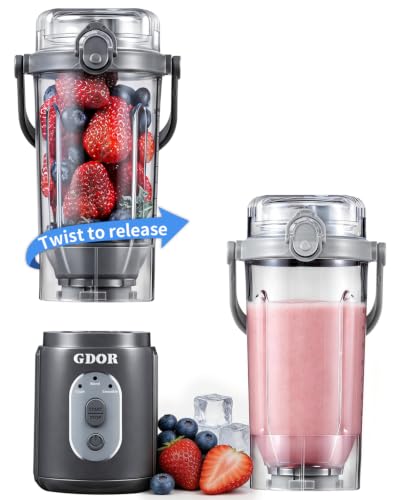


Best Blenders and Juicers by Budget Level
Price groups reflect motor size, jar material, controls, and warranty more than looks alone. A low cost machine can make smoothies well, while a higher cost machine may add power and presets. The levels below describe what to expect, so you can spend where it changes results.
Low Cost Machines: Simple Daily Blending
Low cost machines usually offer a smaller jar, a simpler motor, and basic speed controls. They suit single serve smoothies, shakes, and soft fruit blends, and they fit small kitchens well. The trade off is power for frozen fruit, ice, and fibrous vegetables, which may need more liquid or smaller pieces. Check jar size against your usual batch, and accept that a low cost motor may run louder and need rest breaks during thick blends.
Mid Cost Machines: The Workhorse Range
Mid cost machines add a stronger motor, a larger jar, and more useful controls such as pulse and preset programs. They suit families, daily smoothie makers, and cooks who also want to chop, puree, or make sauces. Many models in this range use thicker jars and better seals, which reduce leaks and vibration. This range is often the best balance for buyers who blend most days but do not need commercial power or a very long warranty.
Higher Cost Machines: Power and Longevity
Higher cost machines tend to offer stronger motors, heavier bases, quieter operation, and longer warranties. They suit buyers who blend frozen ingredients daily, make nut butter or dough, or juice often and want a machine that holds up for years. The main risk is paying for power you rarely use, so match the motor to your hardest regular recipe rather than to an occasional task. Also check counter height, because tall jars may not fit under upper cabinets.
What Each Spending Tier Buys in Real Kitchens
Think about your hardest regular recipe, not your easiest one. A machine that handles soft fruit well may still struggle with frozen berries, raw carrots, or ice. The tiers below link price to power, capacity, and ease of use.
Entry Tier: What to Expect
Entry tier machines cost about $30 to about $80 and focus on basic blending and juicing. Expect a smaller jar, a lighter base, and simple controls. They work well for one or two servings, soft ingredients, and occasional use. For frozen blends, cut fruit small, add liquid first, and use short pulses to help the blades catch.
Core Tier: The Sweet Spot for Most Homes
Core tier machines cost about $80 to about $200 and usually give the best mix of power, jar size, and warranty for home use. Motors handle frozen fruit and ice better, jars hold family size batches, and controls give more precision for sauces and soups. This tier suits daily smoothie drinkers, home juicers, and cooks who want one machine for several tasks. If you blend every morning, this range often pays for itself in fewer stalls, less noise, and easier cleaning.
Premium Tier: When Spending More Pays Off
Premium tier machines cost about $200 to about $400 and add power, build quality, and longer coverage. Spending more pays off when you make thick blends, nut butter, or large batches often, or when you want a machine that stays steady and quiet under load. A stronger motor and a better pulp system also reduce juicing clogs and waste. Before you spend at this level, confirm the jar fits your storage, the base fits your counter, and the parts you wash most often are easy to reach.
Features Worth Paying For and Ones to Skip
Some features change daily results, while others sound useful but rarely get used. Judge each feature by how often it will help your usual recipes, not by how impressive it looks on a box.
Warranty and Motor Reliability
Warranty length often signals how a maker expects the motor to hold up, with home warranties commonly running from two years to ten years. A longer warranty matters most if you blend daily or use frozen ingredients, because motor strain builds over time. Read what the warranty covers, including jars, blades, and seals, and keep the receipt and model details.
Motor Power and Wattage
Wattage is a rough guide, not a direct measure of blending power, because blade design, jar shape, and motor efficiency also matter. For smoothies with soft fruit, a modest motor can work well, while ice crushing and frozen blends need more torque and a design that pulls ingredients down to the blades. Look for steady power under load rather than a peak watt number alone. If a machine stalls or smells hot on your usual recipe, the design is a poor match even if the wattage looks high. See our guide to best blenders for smoothies for help matching power to smoothie ingredients.
Noise Level
Noise matters in apartments, early mornings, and homes with light sleepers. Larger motors and hard ingredients raise noise, but a heavy base, a tight lid, and a well fitted jar can reduce vibration. A quieter machine is worth paying for if you blend before others wake up, while occasional users may accept more noise for a lower price.
Blade and Attachment Design
Blade shape and attachments change what a machine can do beyond basic blending. A good blade assembly pulls ingredients down, blends evenly, and resists dulling, while extra attachments such as a dough hook, whisk, or chopping bowl can replace a second appliance. Attachments are worth paying for only if you will use them often, because each one adds washing and storage. See our guide to best stick blenders if you want a lighter tool for soups and small batches, and keep blade parts away from children during washing and storage.
Speed Settings and Presets
Speed settings give control, while presets give convenience. Pulse helps with chunky salsa and thick blends, variable speed helps with sauces and soups, and presets can time a smoothie or a cleaning cycle. Too many presets can confuse rather than help, so choose controls you will actually use. A simple dial with pulse often beats a long menu for daily cooking, while preset lovers should check that programs match their recipes rather than only their marketing names.
Blenders and Juicers for Specific Needs
One machine rarely fits every kitchen task equally well. Juicing, smoothie making, and food prep each favor different jar shapes, speeds, and attachments, so start from your most frequent task and work outward.
Food Processor, Blender and Juicer Combos
A combination machine suits cooks who want chopping, slicing, dough work, and blending in one base. Look for a wide feed tube, a sturdy chopping bowl, and a blade set that handles both wet and dry tasks without leaking. This type works best when you prep often and want fewer appliances on the counter, but it may blend less smoothly than a dedicated high power blender. If smoothies are your main task, a dedicated blender may serve you better, while a combo unit wins for cooks who chop and knead most days. See our guide to best quality blenders when you compare build quality across combo and dedicated models.
Long Term Costs to Factor In
The purchase price is only part of ownership. Replacement jars, blades, seals, and filters, plus electricity and cleaning time, all add up over years. Cheaper seals may leak sooner, while a longer warranty can reduce repair costs for daily users. Juicers also need pulp containers and strainers cleaned after each use, so factor in your time as well as parts. Follow maker guidance for cleaning, unplug the machine before you handle blades, and keep small parts away from children.
Blenders and Juicers: Your Questions Answered
How do I clean a blender and juicer quickly?
Rinse the jar, blades, and juicing parts right after use, before residue dries and sticks. Fill the blender jar halfway with warm water and a drop of dish soap, run it briefly, then rinse and dry the parts. For juicers, brush pulp from the strainer at once, because dried pulp is much harder to remove. Dry seals fully before storage to prevent odor, and check the maker guide before putting parts in a dishwasher.
Is a more expensive blender and juicer worth it?
A more expensive machine is worth it when you blend frozen or fibrous ingredients daily, make large batches, or want a longer warranty. Higher cost models usually offer stronger motors, sturdier jars, and steadier performance under load. For occasional soft fruit smoothies, a lower cost machine can give the same result for less money. Match the price to your hardest regular recipe, your batch size, and how often you will use the machine each week.
What is the difference between a blender and a food processor?
A blender uses liquid and fast blades to make smooth drinks, sauces, and soups, while a food processor uses wider bowls and discs to chop, slice, shred, and knead with little or no liquid. Blenders excel at smooth textures, while food processors excel at chunky prep and dough. Combo machines try to do both, but they may trade some blending smoothness for prep range. Choose the tool that matches your most frequent task, and add the other only if you will use it often.
Can a blender and juicer crush ice?
Many blenders can crush ice, but results depend on motor torque, blade design, and jar shape rather than wattage alone. Use small ice cubes, add liquid first, and pulse in short bursts so the blades can catch the ice. A juicer does not crush ice in the same way, because it is built to separate juice from pulp. If frozen drinks are a daily habit, choose a blender with a strong motor, a tamper or pulse control, and a maker guide that lists ice as a supported use.
How many watts does a good blender and juicer need?
Most home smoothie blenders work well from about 500 watts to about 1000 watts, while heavy frozen blending and nut butter often need more power and a better blade design. Wattage alone does not guarantee smooth results, so also check jar shape, speed control, and how the machine handles load. For juicing, motor design and pulp handling matter as much as watts, because a clogged strainer slows output even on a powerful machine. Start from your recipes, then use watts as a rough filter, not as the final decision.
Wrapping Up
Choose by your hardest regular recipe, your batch size, and your tolerance for noise and cleaning. A core tier machine suits most homes, while a premium model earns its price for daily frozen blending or frequent juicing. Check jar fit, counter space, warranty coverage, and how easy the parts are to wash before you buy. The picks in the table sum up the types, and best blenders and juicers buyers who match power and jar size to real daily use will get the best value from any budget.


