Best Blankets for Cat Hair: Every Type Explained Side by Side for 2026
Disclosure: We may earn a commission when you buy through links on this page, at no extra cost to you. As an Amazon Associate I earn from qualifying purchases. Learn more

Confused by all the options? We compare every type of blanket side by side so you can choose the best blankets for cat hair for your space and budget.
If your cat sleeps on your bed, you already know the problem. Hair weaves itself into some fabrics and brushes off others in seconds, and the difference is not obvious in a store photo. This guide compares the main types so you can find the best blankets for cat hair for your home without guessing.
We go type by type through cooling fabrics, linen, cotton, and filled options, then match each one to real homes and real laundry habits. The comparison table below sums up prices and strengths, and the sections after it explain what those short labels actually mean for daily life with a cat.


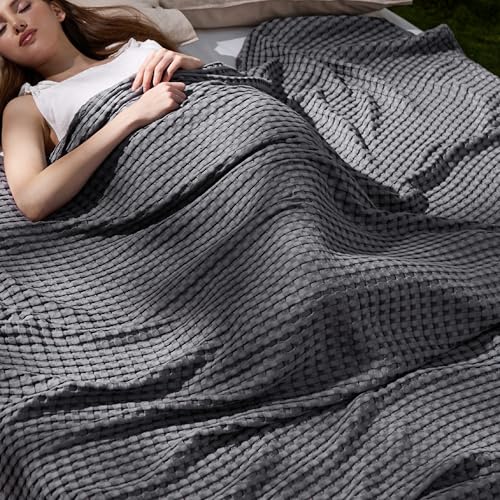


Types of Blankets Compared
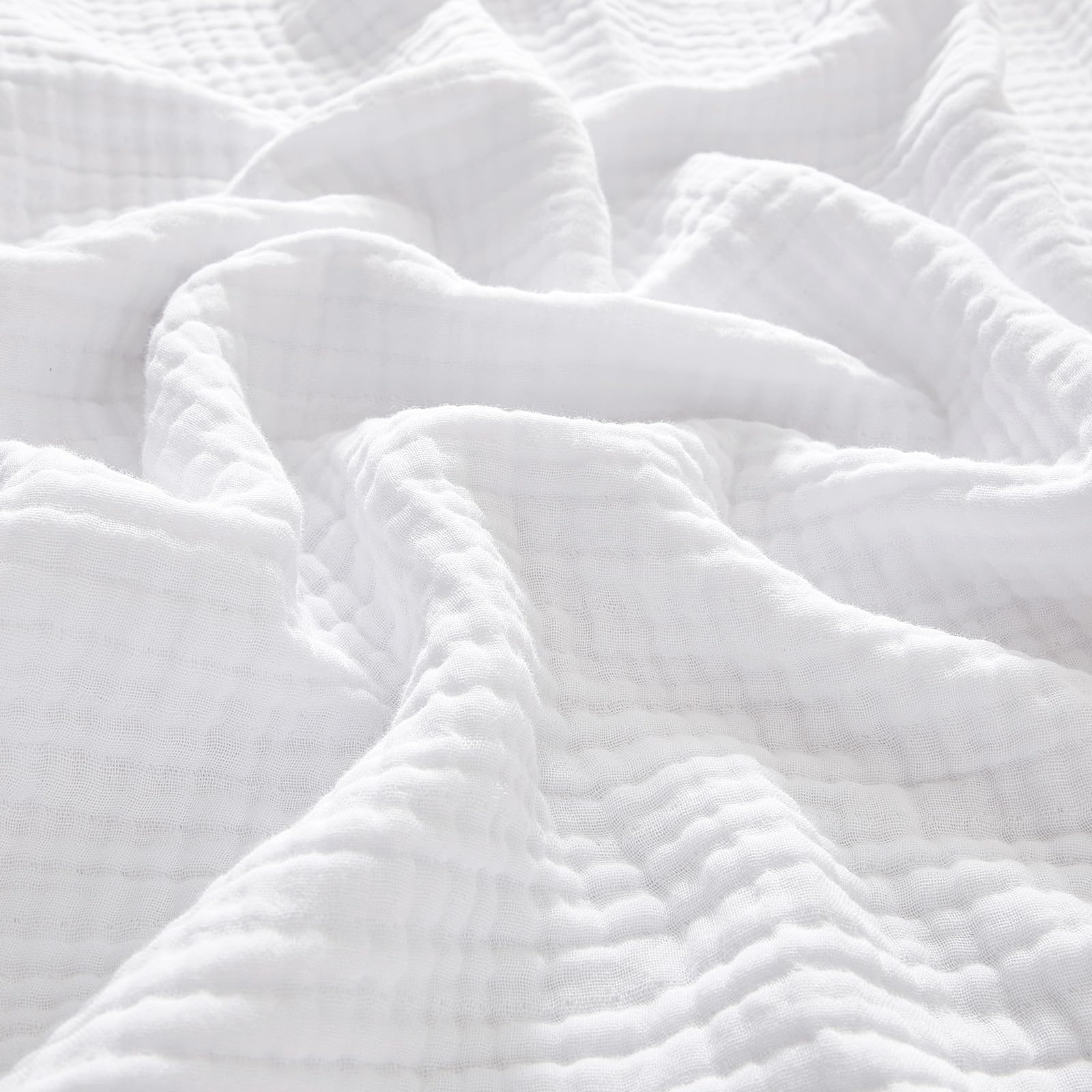
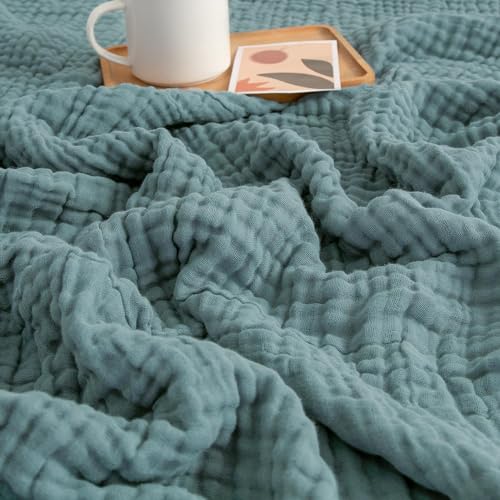
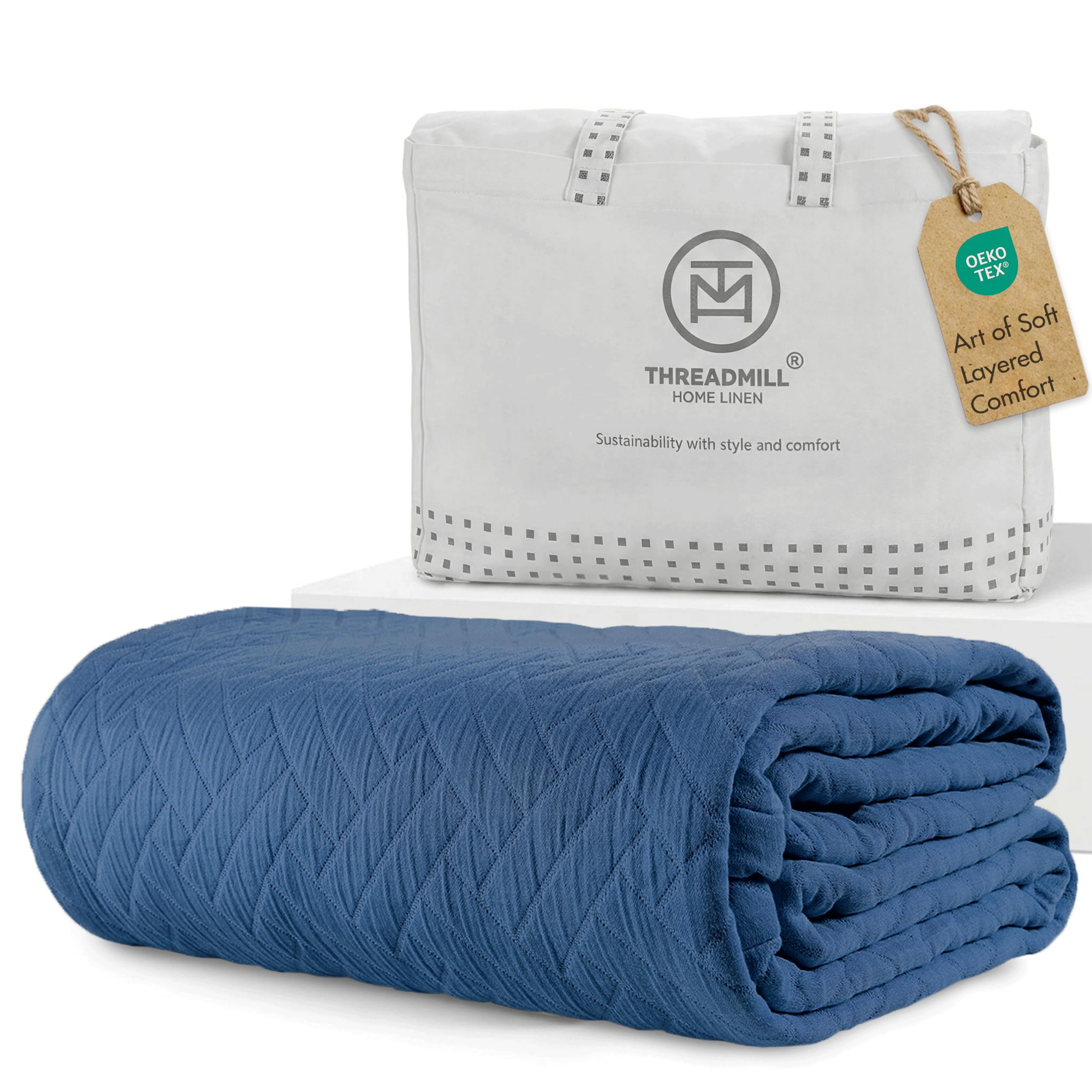
Think of the four types below as four different answers to one question: how easily does hair let go? Smooth, tight surfaces release hair with a shake or a quick pass of a lint roller. Loose, fuzzy surfaces grab hair and hold it deep in the pile, which looks fine for a day and then demands real work. Prices overlap a lot across types, generally from under $30 for simple cotton throws to around $100 or more for linen and quality filled blankets, so fabric behavior matters more than price here.
Cooling Fabrics
Cooling blankets use smooth synthetic fibers or bamboo based weaves that pull heat and moisture away from the body. That same slick surface is their big advantage with cats, because hair sits on top instead of sinking in, and a shake outside removes most of it. They feel cool and slightly silky, which suits warm rooms and cats that seek out cool spots. The trade off is durability of the cooling feel, since some finishes fade after many washes. Choose this type if your cat sleeps on the bed year round and you wash bedding often.
Linen
Linen comes from flax and has a naturally open weave with a dry, crisp hand feel. Cat hair does not cling to linen the way it clings to fleece, because the fibers are smooth and low in static. Linen also handles frequent hot washing better than most fabrics, which helps with odors and allergens. On the downside, it wrinkles easily, feels rough at first, and costs more than cotton. It softens noticeably after several washes. Choose linen if you want a natural fabric, wash often, and do not mind a relaxed, rumpled look on the bed.
Cotton (Percale and Sateen)
Cotton is the middle ground most homes start with. Percale is a plain, tight weave with a matte finish, and its smooth surface releases hair well while staying breathable. Sateen uses a weave that puts more threads on the surface, giving a soft sheen and a slightly warmer feel, but that smoother face can hold a bit more hair than percale. Both wash easily, take warm water, and last for years. Mid quality cotton throws often cost around $30 to $70. Choose cotton if you want one dependable blanket for the bed and the couch.
Down and Down Alternative
Filled blankets add loft and warmth through down clusters or synthetic fill inside a stitched shell. For cat hair, the shell fabric matters far more than the fill, so look for a tight cotton or smooth microfiber shell that hair cannot penetrate. A loose shell lets hair and dander work inside, where washing cannot reach well. Down needs gentler care and costs more, while down alternative fills wash easily and suit allergy sensitive homes. Choose a filled blanket for cold rooms and cats that burrow, and always pair it with a washable cover if your cat sleeps on top.
Cooling Fabrics vs Linen: Which Should You Choose?
These two types both shed hair well, so the choice comes down to feel, care, and budget. Cooling fabrics feel smooth and cool from the first touch and need gentle washing to protect their finish. Linen feels dry and textured, improves with age, and tolerates hot water and strong spins without complaint. Cooling options usually cost less up front, often around $40 to $80, while linen commonly runs higher.
Static is another split. Synthetic cooling fabrics can build a light static charge in dry winter air, which attracts some hair back onto the surface. Linen stays mostly static free. If your home is dry and your cat has fine, floaty fur, linen wins on release. If summer heat is your main problem, cooling fabric wins on comfort. Many cat owners end up with one of each and rotate by season. For the cat side of the setup, our guide to the best blankets for cats covers the spots your cat will claim as its own.
How to Choose the Right Blanket
Material and Fill
Start with the surface your cat will actually touch. Tight weaves in cotton, linen, or smooth synthetics release hair, while fleece, sherpa, and loose knits trap it. Fill only matters for warmth, so pick down for light warmth in cold rooms and down alternative when easy washing matters more. Skip fills entirely for a simple layer you plan to wash weekly. If you want the deeper material science, our guide to the best material for cat blankets compares fiber types in detail.
Features That Matter for Cat Hair
Hair release depends on three things you can check before buying. First, surface smoothness, since hair slides off slick fibers and grips fuzzy ones. Second, static behavior, because charged fabrics pull loose fur out of the air and onto the blanket. Third, wash tolerance, since a blanket that survives weekly warm washing stays ahead of hair buildup. Dark and patterned fabrics hide hair between washes, while solid light colors show every strand. Choose based on how often you honestly plan to wash, not how often you wish you would.
Durability and Care
A cat hair blanket lives a hard life of washing, shaking, and claw contact. Look for tight stitching, bound edges, and fabric that will not pill after a few cycles, since pills grab hair and make every wash less effective. Machine washable care is close to nonnegotiable here. A sleep trial or easy return window helps because hair behavior is hard to judge from photos. Whatever blanket you choose, cleanup gets easier with the right tools, and our guide to the best vacuums for cat hair covers the floor side of the same problem.
Choosing Blankets for Your Situation
Best Fabric Blankets for Cat Hair: Which Type Works Best
When people search for the best fabric blankets for cat hair, they usually mean one thing: which fabric lets go of fur fastest. On that test, smooth percale cotton and linen lead, with quality cooling weaves close behind. Judge fabrics by surface smoothness, static, and wash tolerance, in that order. Avoid deep fleece and loose knits on any surface your cat owns.
Households with dogs face the same physics with heavier coats, and our comparison of the best blankets for dog hair shows where dog hair behaves differently. If your home has both animals, the broader advice in our guide to the best blankets for pet hair pulls the rules together in one place.
Care and Maintenance Tips
Shake the blanket outside before every wash, because loose hair that goes into the machine redistributes onto everything else in the load. Wash in warm water with a normal detergent, and add an extra rinse if your machine offers one. Tumble dry on medium heat, since dryer time with a clean lint trap pulls off hair that washing loosened. Between washes, a damp rubber glove or a reusable lint roller clears a sleeping spot in under a minute. Keep a spare blanket in rotation so wash day never leaves the bed bare.
Frequently Asked Questions About the Best Blankets For Cat Hair
What features matter most in blankets for cat hair?
A smooth, tight surface matters most, followed by low static and easy washing. Hair slides off percale cotton, linen, and slick cooling weaves, and grips fleece and loose knits. One more point the main sections only touch on: color strategy helps daily life. A blanket close to your cat fur color looks clean far longer between washes.
Are cooling blankets worth it for hot sleepers?
Yes, for hot sleepers they solve two problems at once. The smooth fibers feel cool against skin and give cat hair little to hold onto. Just know that some cooling finishes weaken after many washes, so follow the care label and skip hot water. In winter you can layer one under a warmer blanket and keep the hair release benefit on top.
Is a higher thread count always better?
No. Thread count only counts threads per square inch, and very high numbers can come from thin yarns that pill sooner. For cat owners, a moderate count in a tight plain weave beats a high count sateen, because the surface stays smoother over time. Fiber quality and weave type predict hair release far better than the number on the package.
How often should I replace my blanket?
Replace a blanket when it pills heavily, thins out, or holds odors after washing. With weekly washing, a cotton or linen blanket often lasts three to five years before the surface roughens enough to trap hair. Cooling synthetics may lose their slick feel sooner. A simple test: if a lint roller no longer clears it in a few passes, the surface has changed and it is time.
Our Verdict
Choose by surface first, washing habits second, and warmth third. Percale cotton and linen release hair best for most homes, cooling fabrics shine in warm rooms, and filled blankets earn their place only in cold bedrooms with a tight shell. The product table above lines up the types and prices so you can match one to your routine.
The best blankets for cat hair are the ones that come clean in one normal wash and still look good on the bed afterward. Pick the type that fits how you actually live, and hair becomes a five minute chore instead of a weekend project.