
Best Blacktop Basketball Shoes: What Actually Matters Before You Buy for 2026
Disclosure: We may earn a commission when you buy through links on this page, at no extra cost to you. As an Amazon Associate I earn from qualifying purchases. Learn more

Use this buying guide to compare the best blacktop basketball shoes by traction, cushioning, support, durability, fit, and value for outdoor play.
Outdoor courts are rough on shoes, and a pair that feels great indoors can wear smooth in a few weeks on asphalt. This guide gives you a clear checklist for choosing the best blacktop basketball shoes for your game, your feet, and your budget. We walk through traction, cushioning, support, and durability in plain terms, then show you how the price tiers differ.
Use the criteria below before you open the comparison table, so you know which features deserve your money and which ones are just decoration. A shoe that grips, protects your joints, and holds up outside is worth far more than a stylish pair that goes bald by midsummer.


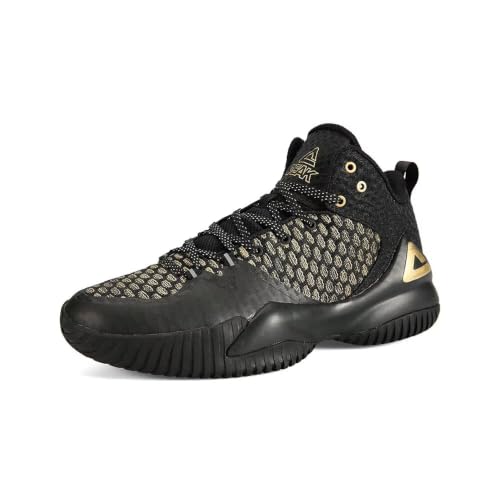


How to Judge Blacktop Basketball Shoes
Every shoe in this category should be judged on how it performs on rough outdoor surfaces, not on a polished gym floor. The six criteria below work as a simple scoring system you can apply to any pair you are considering.
Skill Level and Intended Use
Start with how often and how hard you play. A beginner who shoots around twice a week needs comfort, a secure fit, and an outsole that will not wear out quickly. An intermediate player who plays full court games needs stronger ankle support and cushioning that absorbs repeated jumping. Advanced players who cut hard and play several days a week should prioritize traction and durability above all else, because their shoes take the most punishment. Be honest about your schedule, because buying for the player you hope to become usually means overspending on features you will not use yet.
Materials and Construction
The outsole matters most outdoors. Look for solid rubber that feels hard when you press a thumbnail into it, with a deep tread pattern that still has room to wear down. Soft, thin outsoles grip well indoors but grind away fast on asphalt. Uppers made from tough synthetic leather or sturdy engineered mesh resist the scrapes that come from toe drags and contact with rough ground. Check the stitching and overlays around the toe and sides, since those areas fail first. A reinforced toe cap is a small detail that adds real life to the shoe.
Safety and Support Features
Basketball shoes carry no single safety certification, so judge safety by design instead. A wide, stable base helps you land without rolling outward, and a firm heel counter keeps your foot seated during quick stops. Mid cut and high cut collars give some players more confidence around the ankle, although fit and a locked in heel matter more than collar height alone. If you have a history of ankle sprains, talk with a doctor or physical therapist about bracing, and treat any shoe as only one part of your plan.
Performance Characteristics
Grip on blacktop is about pattern as much as rubber. Herringbone and multidirectional patterns bite into dusty outdoor courts and let you stop without sliding, and they clear small grit better than shallow designs. Cushioning should feel responsive rather than mushy, soft enough to protect your knees on concrete but firm enough that you do not feel unstable when you plant. Court feel matters too. Guards often prefer a lower, lighter shoe for quick first steps, while forwards and centers usually want more padding under the heel for rebounds and landings.
Value and Included Accessories
Value is cost divided by months of play, not the lowest sticker price. A pair around $70 that lasts a full season outdoors is a better buy than a pair around $30 that wears smooth in six weeks. Check what comes in the box and what the seller adds, such as extra laces or a return window long enough to test fit indoors. If you are comparing general outdoor options, see our guide to the best outside basketball shoes for more on how outdoor models differ from indoor ones.
Size, Weight, and Fit
Fit decides whether every other feature works. You want a thumb width of space in front of your longest toe, a heel that does not lift when you lunge, and no pinching across the forefoot. Try shoes on in the evening, when feet are slightly swollen, and wear your game socks. Weight matters over a long run. Heavier shoes usually trade speed for durability and padding, which suits bigger players, while lighter shoes favor guards. When you read wider roundups like our guide to the best basketball shoes, remember that indoor focused models often run softer outsoles than you want outside.
Three Price Tiers to Compare
Instead of chasing a single model, shop by tier. Each tier below describes what your money generally buys, who it suits, and where the limits show up on an outdoor court.
Top Tier
Shoes in the balanced tier, usually about $70 to $130, give you the full package for regular outdoor play. Expect a thick rubber outsole with a proven traction pattern, cushioning that protects your joints without feeling dead, and an upper built to survive a season of blacktop games. This tier suits players who play two or more times a week and want one pair to do everything. The limit is weight, since the added durability makes these shoes heavier than indoor models. For most regular players, this is the smartest place to spend.
Value Tier
Value tier shoes, usually about $25 to $70, cover the basics well for casual and newer players. You still get a rubber outsole and decent cushioning, but materials are simpler, the upper may scuff sooner, and traction patterns are often shallower. This tier works if you play once a week, are still growing, or want a backup pair so your main shoes last longer. The main limit is lifespan on very rough courts. Rotating a value pair with another pair can stretch both. Shoppers who enjoy comparing all time favorites can also browse our look at the best shoes ever for basketball for context on classic design traits.
Premium Tier
Premium shoes, usually about $110 to $150, add lighter materials, more advanced cushioning foams, and refined traction that stays consistent as the outsole wears. They suit frequent players, heavier players who need maximum impact protection, and anyone whose knees complain after games on concrete. The honest limit is that even premium outsoles wear down on blacktop, sometimes faster than mid tier shoes if the rubber is soft. Premium money buys comfort and performance, not immunity from asphalt. Buy this tier for how the shoe feels, not for extra durability.
Quick Checklist for the Best Blacktop Basketball Shoes
Run through these questions before you pay. Mostly yes answers mean the shoe fits your needs.
- Is the outsole solid rubber with a deep, multidirectional tread pattern?
- Does the heel stay locked in place when you lunge and cut in the store?
- Is there a thumb width of room in front of your longest toe?
- Does the cushioning feel protective but still stable when you land?
- Is the upper reinforced at the toe and along the sides?
- Does the price fit a full season of your actual playing schedule?
- Can you return the shoes if the fit feels wrong after an indoor try on?
Red Flags to Watch For
Some warning signs tell you a shoe will disappoint outdoors. Watch for these before you buy.
- Thin, soft outsoles with shallow tread that you can flex easily by hand, because they wear smooth quickly on asphalt.
- Vague product descriptions that praise style but say nothing about outsole material or traction pattern.
- Very low prices paired with no clear sizing chart and no return option, which makes a bad fit your problem.
- Uppers made only of thin knit with no overlays, since rough courts tear through them at the toe.
- Reviews that mention the shoes are used only indoors, which tells you little about blacktop durability.
Setup and Care Tips
A short break in period helps. Wear new shoes for a few short sessions before a long game so the upper shapes to your foot. Store your shoes out of direct sun and extreme heat, because heat dries out rubber and glue. Check wear before each use, especially the tread under the ball of the foot, and clean and dry the shoes after outdoor play so grit does not grind into the outsole. Retire a pair when the tread is smooth in the push off area, since worn traction raises your risk of slipping.
FAQs
Is it worth buying premium blacktop basketball shoes as a beginner?
Usually not at first. Beginners benefit more from a mid tier or value pair with a durable outsole and a comfortable fit, because your game and your preferences will change quickly. Premium cushioning feels nice, but it will not teach footwork. One exception is if you are a heavier beginner whose knees ache on concrete. In that case, extra impact protection is a sensible reason to spend more from the start.
How long do blacktop basketball shoes last?
Most pairs last about three to six months of regular outdoor play, depending on court roughness and how often you play. A simple test is to look at the tread under the ball of your foot. When the pattern is smooth there, grip is mostly gone. Rotating two pairs, even modest ones, spreads the wear and can extend the useful life of both pairs noticeably.
Do indoor and outdoor basketball shoes really differ?
Yes, the difference is real and mostly about the outsole. Indoor shoes use softer rubber for grip on clean wood, and that rubber wears down fast on asphalt. Outdoor shoes use harder, thicker rubber that lasts longer outside but can feel less sticky in a gym. If you play in both places, an outdoor pair can work indoors after you wipe the dust off, while an indoor pair outside is a short lived experiment.
What size blacktop basketball shoes should I get?
Get the size that leaves a thumb width in front of your longest toe while your heel stays locked. Many players go up half a size from their casual shoes because feet swell during games. If you wear an ankle brace, bring it when you try shoes on, since a brace changes the fit you need. Between sizes, choose the one with no heel slip, because length can be managed with lacing but a loose heel cannot.
Final Thoughts
Focus on three things and you will choose well: a hard rubber outsole with deep tread, cushioning that protects your joints on concrete, and a fit with a locked heel and room for your toes. Match the tier to how often you play, and the best blacktop basketball shoes for you will be an easy call. Compare your shortlist against the product table above and enjoy your next run.


