
Best Bean Trellis: Every Type Explained Side by Side for 2026
Disclosure: We may earn a commission when you buy through links on this page, at no extra cost to you. As an Amazon Associate I earn from qualifying purchases. Learn more

Gardeners can compare the best bean trellis types by size, strength, setup, and cost to match the right support to their space and beans.
Choosing the best bean trellis gets confusing fast because the options look simple but serve very different gardens. A short frame that suits bush beans in a raised bed will not hold tall pole beans through a windy season, and a tall arch can waste space in a small plot. The comparison table below lays out the main types so you can see the tradeoffs before you buy.
This guide compares trellis types by height, strength, footprint, setup effort, and cost. It also covers fit for your space, materials, and upkeep, so the support you choose lasts through harvest instead of leaning, sagging, or snapping midseason.
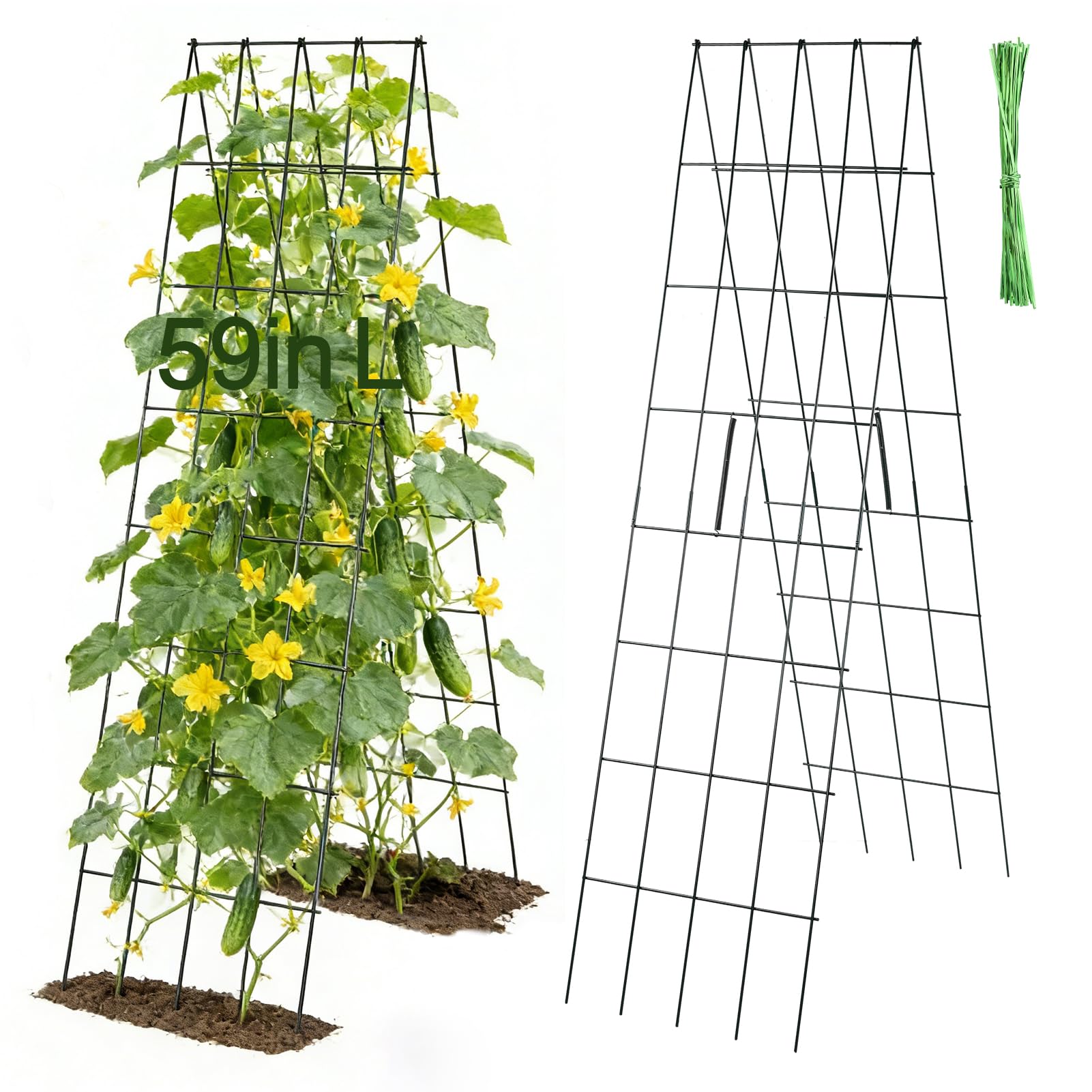
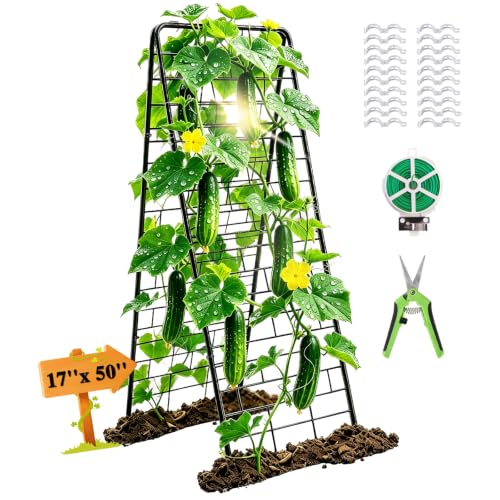
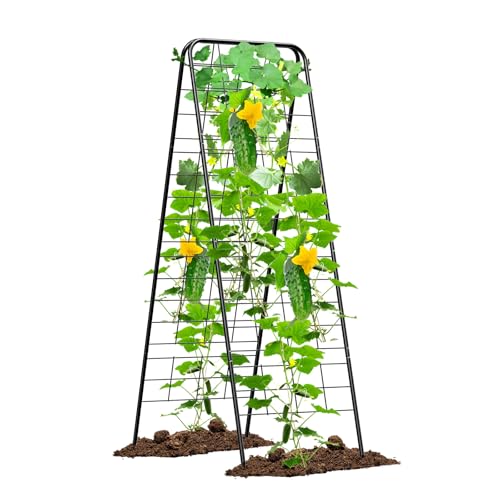
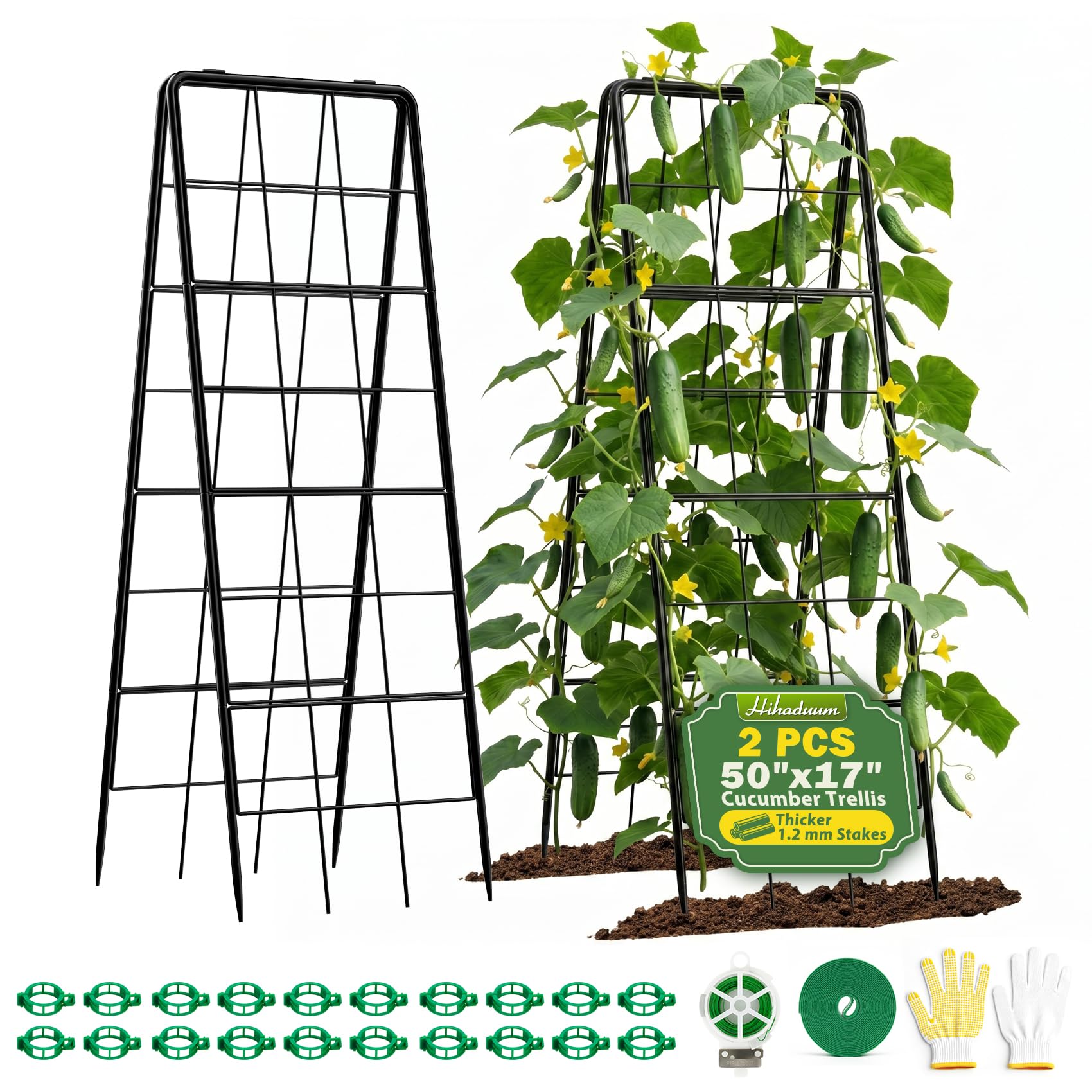

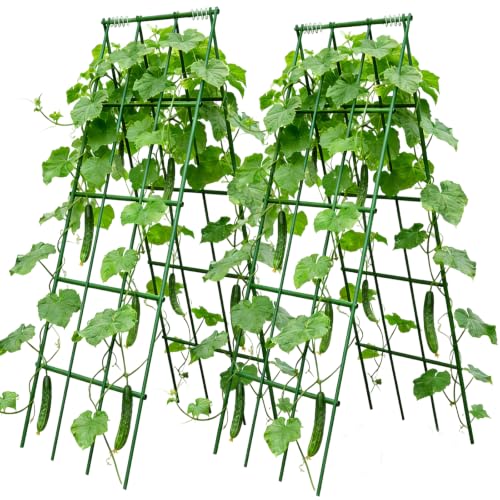

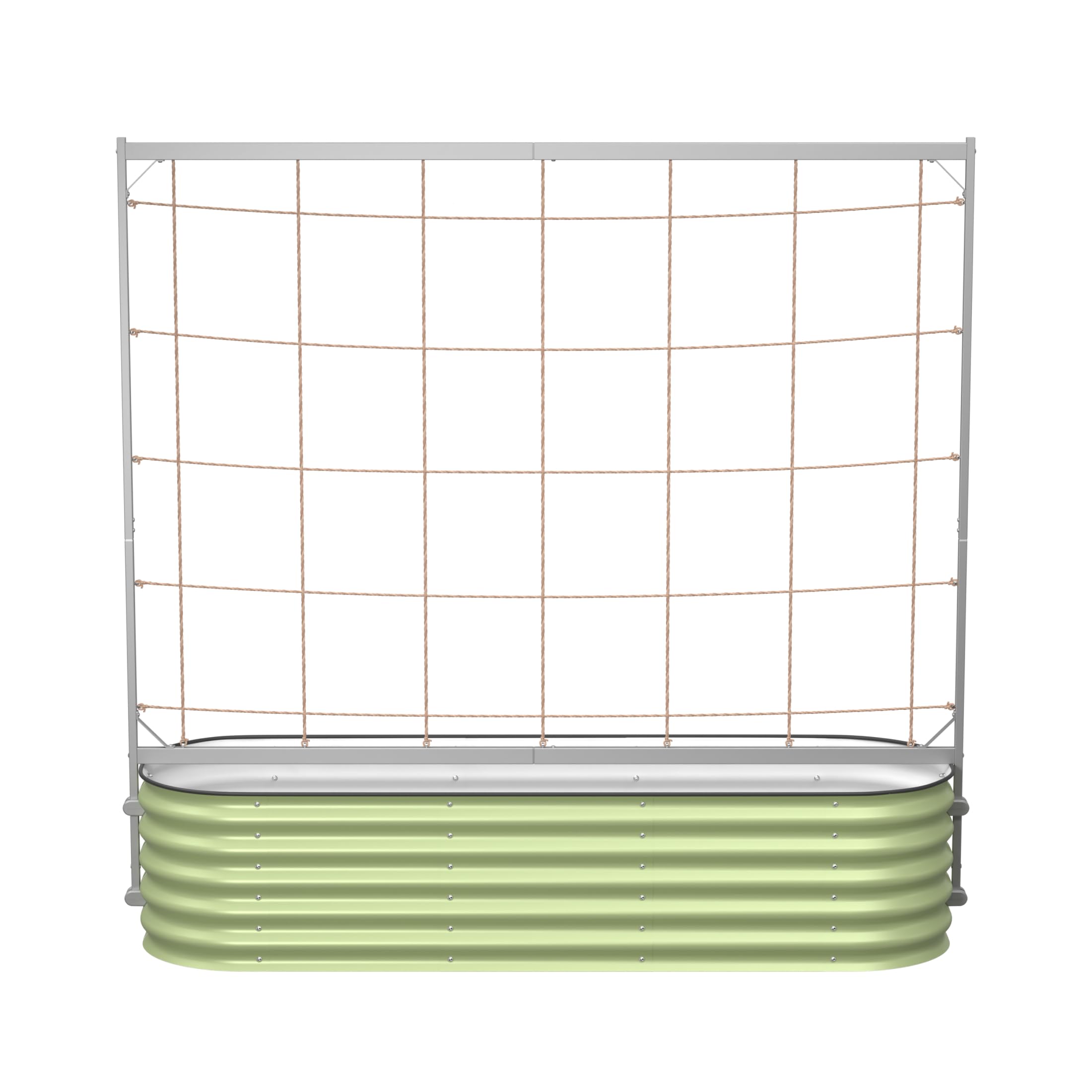
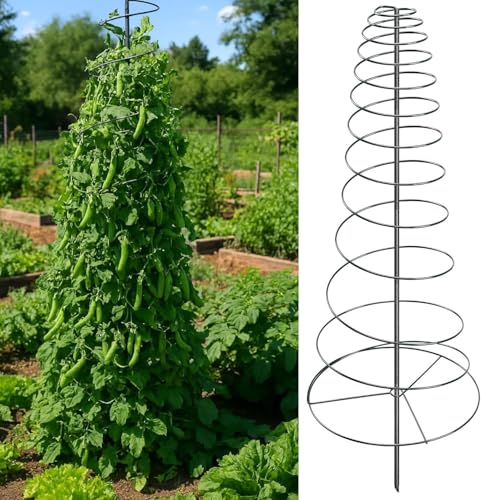

Types of Bean Trellis Compared
Bean trellises differ mainly in shape, height, and how vines attach. Some give vines a flat net to climb, while others give them a frame to wrap around. The right shape depends on your bean type and on how much sun and wind your garden gets.
| Type | Best For | Pros | Cons | Typical Price |
|---|---|---|---|---|
| A frame trellis | Two rows in a narrow bed | Stable shape, easy picking from both sides | Takes more ground space than a flat panel | about $40 to $120 |
| Flat panel or net trellis | Fences, walls, and long rows | Simple setup, good air flow, easy harvest | Needs firm posts in wind | about $25 to $90 |
| Arch or tunnel trellis | Paths and larger gardens | Creates shade, looks attractive, holds long vines | Harder to move, needs level ground | about $60 to $180 |
| Obelisk or tower trellis | Containers and small beds | Compact footprint, tidy shape | Limited vine count per unit | about $30 to $100 |
| String or wire trellis | Long rows on a budget | Low cost, easy to adjust | Needs strong end posts and regular tightening | about $15 to $60 |
Budget Options
Budget trellises usually use light steel tube, thin wood, or netting on simple posts. They work well for one season of pole beans in a sheltered spot, and they suit gardeners who want to try a layout before spending more. The main tradeoff is strength, since light frames can bend under a full load of vines and pods.
Look for joints that lock firmly and feet or stakes that hold in soft soil. A budget frame lasts longer if you take it down for winter and store it dry. Keep the vine count modest and tie stems loosely so wind passes through instead of pushing the frame over.
Compact Options
Compact trellises suit balconies, patios, and small raised beds where every square foot counts. Obelisks, small towers, and short panels fit containers and narrow beds, and they keep vines upright without blocking paths. The key limit is height, so they suit shorter pole varieties and careful pruning more than very tall runner beans.
Check the base width before you buy, because a tall but narrow tower can tip once vines fill out. A wide base, a heavy pot, or stakes driven into the bed will help, and the container should hold enough soil to anchor the frame.
Mid Range Options
Mid range trellises step up in tube thickness, joint quality, and finish. They often use powder coated steel or thicker cedar, and they tend to stay rigid through a full season of growth and wind. This level suits gardeners who grow beans every year and want a frame they can leave up for the season without constant adjustment.
At this level, pay attention to how the trellis connects to the ground. Ground sleeves, long stakes, and cross braces matter more than small style details, and good anchoring often beats a taller frame pushed lightly into loose soil.
Premium Options
Premium trellises use heavier gauge metal, hardwood, or well joined cedar, and they often include stronger connectors and a finish that resists rust and rot. They suit permanent garden beds, exposed sites, and gardeners who want the same frame for many seasons. The higher cost buys stability and a longer service life rather than a different way of growing beans.
Before paying more, confirm the height and width fit your site and your reach. A very tall premium arch is hard to harvest from if you cannot reach the top pods safely, so choose the sturdiest build in a size you can manage.
Budget Options vs Compact Options: Which Should You Choose?
Budget and compact trellises solve different problems, so the choice starts with your main limit. If money is the main limit and you have garden space, a budget panel or string trellis gives the most growing length for the lowest cost. If space is the main limit, a compact tower gives an upright crop without taking over a patio or small bed.
Compare them on growing height, footprint, wind stability, vine capacity, and storage. Budget panels win on height and capacity, while compact towers win on footprint and tidiness.
Wind stability depends on anchoring in both cases, so do not assume a small frame is automatically safer in a storm. For storage, flat panels stack neatly, while towers need more shed space. Choose the budget route for long rows and the compact route for tight spots.
How to Choose the Right Bean Trellis
The best choice follows your bean type, your space, and how much work you want to do each season. Pole beans need height, runner beans need a strong frame for heavy vines, and bush beans need little or no trellis at all. Measure your bed and think about harvest reach before you compare prices.
Warranty and Customer Support
A warranty matters more for metal frames than for simple netting, because joints and coatings are the parts most likely to fail. Look for a clear warranty length, what it covers, and how to get replacement parts such as connectors or feet. Short or vague coverage is a warning sign on a higher priced frame, since you should expect the joints to last more than one season.
Good support also means clear assembly instructions and spare parts you can order separately. If a maker does not sell replacement connectors, a single broken joint can end the life of an otherwise sound frame.
Size, Weight, and Fit for Your Space
Height is the first size check, because pole beans can climb well past six feet when conditions are good. A trellis that is too short forces vines to bunch at the top, which shades lower leaves and makes picking harder. A trellis that is too tall wastes money and makes the top pods hard to reach without a step stool.
Weight matters for setup and for wind stability. Heavier frames resist tipping but are harder to move, while light frames are easy to place but need better anchoring. Measure the bed width and the path beside it, and leave room to stand and pick from one side.
Intended Use and Who It Is For
New gardeners often do best with a simple panel or string trellis, because setup is quick and mistakes are easy to fix. Experienced growers who want a tidy look may prefer an arch or obelisk that also shapes the garden. Gardeners with limited mobility should favor a lower panel or a tower they can reach from all sides without stretching.
Think about who will harvest as well as who will build the frame. Children can pick from a low tunnel or a short panel more easily than from a tall arch, and a frame with access from both sides suffers less damage from reaching through vines.
Key Performance Specs
The features that matter most are height, mesh or rung spacing, load strength, and anchoring depth. Mesh openings of about four to six inches let vines grip without trapping leaves, while very fine netting can tangle stems and make cleanup harder. Rung spacing on a wood trellis should let tendrils wrap firmly without forcing you to tie every stem by hand.
Load strength is rarely stated as a single number, so judge it from tube thickness, joint design, and the number of ground contact points. A frame with four legs and cross braces will hold more vine weight than a frame with two legs and no bracing, and stakes should reach well into firm soil.
Maintenance and Long Term Costs
Long term cost includes replacement netting, new ties, touch up paint or sealant, and the time spent on setup and storage each year. Metal frames may need rust checks at joints, while wood frames may need resealing every few seasons. Netting is cheap to replace but can tear if vines are pulled off roughly at season end.
Plan a simple end of season routine: cut vines rather than yanking them, clean soil from feet and joints, and store the frame dry and flat where it will not bend. That care often saves more money than choosing the cheapest frame in the first place.
Setup and Care Tips
Set the trellis up before vines start to climb, since forcing grown stems onto a frame later can snap them. Drive posts or legs into firm soil, check that the frame stands level, and add braces on the windward side if your site is exposed. Follow the maker assembly guidance, and tighten all connectors before planting so the frame does not shift as vines add weight.
During the season, check ties and netting every few weeks and guide stray stems back onto the support. At season end, clean and inspect the frame, and store it in a dry place away from standing water. For a related climbing crop, see our guide to the best trellis for cucumbers, which covers similar support questions for a different vine.
Frequently Asked Questions
How long does a bean trellis last?
A bean trellis can last one season or many seasons depending on material, exposure, and care. Light netting and thin wood frames often last one or two seasons, while powder coated steel and cedar frames can last five seasons or more with dry storage. The joints and ground contact points usually wear out first, so inspect them each spring. Replacing a worn connector early can extend the life of the whole frame by years.
Are expensive bean trellis worth it?
Expensive bean trellis frames are worth it when you need stability, a permanent look, or many seasons of use from one purchase. They use thicker materials and stronger joints, which matter in wind and under heavy vine loads. They are less worth it for a trial layout, a single season crop, or a sheltered bed where a simple panel works well. Match the spend to how long you expect to keep the frame and how exposed your site is.
What features matter most when buying bean trellis?
The features that matter most are height, strength, mesh or rung spacing, and anchoring. Height must suit your bean variety, strength must carry a full load of vines, spacing must let tendrils grip, and anchoring must hold in wind. After those basics, look at ease of assembly, storage size, and whether spare connectors are available. Style matters last, because a good looking frame that leans over is harder to harvest from than a plain frame that stands firm.
How do I maintain a bean trellis?
Maintain a bean trellis by checking ties, joints, and feet through the season and cleaning it at season end. Remove vines by cutting rather than pulling, since pulling can bend netting and loosen joints. Wash off soil, let the frame dry fully, and check for rust, rot, or cracked connectors before storage. Touch up protective finishes as needed, and store the frame flat or upright in a dry place where it will not bend under other items.
How much should I spend on a bean trellis?
Most gardeners can get a sound bean trellis for about $25 to $120, depending on size and material. Simple string and panel trellises sit at the lower end, while sturdy arches and cedar frames sit at the higher end. Spend less for a short trial or a sheltered bed, and spend more for a windy site or a frame you plan to reuse for years. Keep some budget back for stakes, ties, and replacement netting, which add to the true first year cost.
Wrapping Up
The best bean trellis is the one that fits your bean type, your space, and your wind exposure without making harvest a struggle. Height, strength, and anchoring matter more than style, and a mid range frame with good ground contact often beats a taller frame that tips. Use the product table to compare options side by side, then choose the size you can reach, anchor, and store with ease.


