
Best Black Walking Shoes 2026: A Practical Buying Guide
Disclosure: We may earn a commission when you buy through links on this page, at no extra cost to you. As an Amazon Associate I earn from qualifying purchases. Learn more

Compare the best black walking shoes by cushioning, support, grip, and breathability, plus fit tips for comfortable miles on daily walks and travel.
A reliable pair of best black walking shoes makes daily walks, holidays, and commuting far more enjoyable, because black hides scuffs and pairs with almost any outfit. Walking shoes differ from running shoes in cushioning placement and heel shape, since walking strikes the ground differently. Choosing a true walking shoe, rather than a fashion trainer, protects comfort over distance.
The comparison table below compares walking shoes side by side, so you can weigh cushioning, support, weight, and weather protection. Before you buy, think about your usual surfaces, your daily distance, and whether you walk in rain. Those answers guide you to the right sole, upper, and level of support.

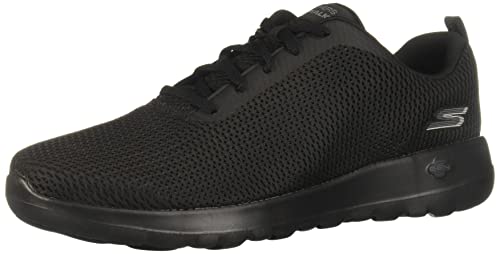


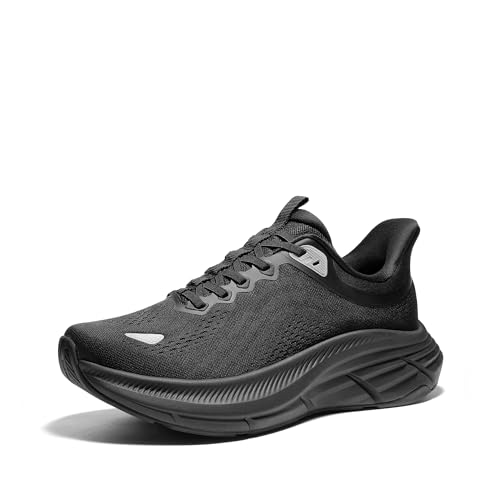


Who Should Buy This
Walking shoes suit daily walkers, commuters, travellers, dog walkers, and anyone building a regular walking habit. They also suit people who spend leisure time on pavements, parks, and light trails. If you walk for exercise or transport, a dedicated walking shoe is a worthwhile purchase.
Walking shoes are less suited to running, trail hiking over rough ground, or court sports, where a sport specific shoe gives better control. They are also not a treatment for foot pain, and persistent pain deserves clinician advice. Match the shoe to the activity, and your feet will thank you.
Key Features to Compare in Black Walking Shoes
Compare these features, and test them on a real walk rather than a quick shop try on.
- Cushioning under the heel and forefoot, shaped for the rolling motion of walking rather than running impact.
- Arch support matched to your foot, with space for an insole if you use one regularly.
- Outsole grip on pavements, wet surfaces, and light trails, without a sole so stiff it feels clumsy.
- Breathable uppers for warm days, balanced against water resistance if you walk in rain often.
- Lightweight feel, since heavy shoes tire legs faster over several miles.
Types and Options
Walking shoes come in a few broad types, each suited to a different walking routine.
- Road walking shoes for pavements and parks, with smooth cushioning and good grip on hard surfaces.
- Water resistant walking shoes for wet climates and winter walks, with sealed seams and grippy soles.
- Light trail walking shoes for parks and gentle paths, with tougher uppers and deeper tread.
Road shoes cover most daily walking, while water resistant models suit rainy commutes. Light trail shoes add protection for uneven paths, but they may feel heavier on smooth pavements.
Getting the Choice Right
Try walking shoes with your usual walking socks, later in the day when feet are slightly larger. Your toes should have room to spread, the heel should stay secure, and the widest part of the shoe should match the widest part of your foot. Walk around the shop for several minutes, including turns and stairs if possible.
Check both feet, since sizes often differ slightly, and fit the larger foot. If you use insoles, test them inside the shoes before buying. Break in new walking shoes with shorter walks first, then build distance gradually so feet and shoes adapt together.
Care and Everyday Use
Air walking shoes after each walk and remove insoles to dry when they get damp. Clean mud and grit from outsoles, since trapped grit wears tread faster. Rotate two pairs if you walk daily, so each pair dries fully and keeps its cushioning longer.
Replace walking shoes when cushioning flattens, the heel tilts inward or outward, or grip wears smooth. Even if uppers look fine, worn midsoles no longer absorb impact well. Keeping a note of purchase date and mileage helps you judge replacement timing honestly.
Mistakes to Avoid
A common mistake is buying running shoes for walking without checking heel shape and cushioning placement. Another is choosing a fashionable black trainer with little arch support for long daily walks. A third mistake is buying too small, which causes blisters and black toenails on longer walks.
Avoid judging walking shoes only by weight, since a very light shoe may lack the support you need. At the same time, do not choose a heavy boot for pavement walking, since extra weight adds fatigue. Balance cushioning, support, grip, and weight for your own distance and surfaces.
Related Guides
Read our guide to best walking shoes for more detail on that option. Read our guide to best walking shoes for women for more detail on that option. Read our guide to best walking shoes for men for more detail on that option.
Read our guide to best black walking sandals for more detail on that option. Read our guide to best black shoes for walking all day for more detail on that option.
A Final Check Before You Order
Before a longer walking routine, map a test route that mixes pavements, park paths, and gentle slopes, and walk it in your new shoes for at least thirty minutes. Notice heel stability on slopes, forefoot comfort on hard ground, and any hot spots before they become blisters. That route test tells you more than any shop walk around a small floor.
Pay attention to socks as well as shoes, since moisture wicking socks reduce blisters and keep feet drier on long walks. Avoid cotton socks for distance walking, since they hold sweat and increase friction. A good sock and shoe combination works as a system, and changing only one half of it rarely fixes discomfort fully.
Finally, keep a simple walking log noting distance, surfaces, and any soreness after each walk in new shoes. Patterns emerge quickly, showing whether a shoe suits pavements but not trails, or short walks but not long ones. That log helps you decide whether to adjust lacing, try different insoles, or choose a different model next time.
Planning Your Purchase
Think about walking in different weather, since a shoe that feels perfect on a dry pavement may slip on wet leaves or feel hot in summer sun. Test grip on damp surfaces where safe, and consider a water resistant pair for winter months alongside a breathable pair for summer. Seasonal rotation keeps walking comfortable all year, rather than forcing one pair through every condition.
Consider walking poles or a light backpack adjustment if you carry weight on longer walks, since load changes gait and foot pressure. A comfortable walking shoe still needs a balanced load, and heavy uneven bags cause shoulder and foot soreness that shoes alone cannot fix. Pack weight evenly, keep straps adjusted, and build distance gradually with load as well as without it.
Finally, stretch calves, ankles, and feet after longer walks, and note any recurring soreness by location, since patterns point to fit or support issues. Soreness always in the same spot suggests a shoe problem, while general tiredness suggests distance building too quickly. Listening to those patterns, plus seasonal rotation and balanced loads, keeps walking enjoyable for years.
Frequently Asked Questions
How are walking shoes different from running shoes?
Walking shoes support a heel to toe rolling motion, with cushioning placed for steady impact rather than running bounce. Running shoes often have more heel cushioning for higher impact and a more curved sole for speed. Walking shoes also tend to feel more stable at slower speeds. Using the right shoe for the activity improves comfort and reduces fatigue over distance.
How much cushioning do walking shoes need?
Most walkers benefit from moderate cushioning that feels soft on landing yet stable through the step. Very soft shoes can feel unstable, while very firm shoes can feel harsh on hard pavements. Test cushioning on a real walk, not just standing still. If you have foot pain, discuss support and cushioning with a clinician or podiatrist.
Should walking shoes be waterproof?
Water resistance helps in rainy climates and winter, but fully waterproof shoes can feel warmer in summer. Many walkers prefer water resistant uppers that shed light rain while staying breathable. For heavy rain, a waterproof model plus good socks works better. Choose based on your climate and season rather than buying waterproof by default.
How do I know when to replace walking shoes?
Replace them when cushioning feels flat, the heel tilts, tread wears smooth, or new aches appear on familiar walks. Uppers may still look good while midsoles have lost their support. Most daily walkers replace shoes every 300 to 500 miles, though weight and surfaces affect timing. A mileage or date note helps you decide without guessing.
Can I walk long distances in black walking shoes?
Yes, provided the fit, cushioning, and support suit your feet and distance. Build mileage gradually, wear moisture wicking socks, and stop to address hot spots before they become blisters. Carry a spare pair on a first long walk if you are testing new shoes. Comfort over several hours matters more than how the shoes look in the box.
Final Thoughts
The best walking shoe fits well, cushions the heel to toe motion, supports your arch, and grips your usual surfaces. Black styles hide wear and suit daily life, while road, water resistant, and light trail types cover different conditions. The product table above helps you compare them side by side.
Try shoes with walking socks, walk properly in the shop, and build distance gradually in a new pair. That approach helps you choose best black walking shoes that make every mile more comfortable.


