
Best Black Snow Boots: Our 2026 Checklist for Warmth and Grip
Disclosure: We may earn a commission when you buy through links on this page, at no extra cost to you. As an Amazon Associate I earn from qualifying purchases. Learn more

Use this guide to choose the best black snow boots for warmth, waterproofing and grip, with fit checks, type comparisons and simple salt care advice.
Black is the easiest color to wear all winter, but color tells you nothing about warmth, grip or dryness. The best black snow boots hold steady on icy pavement, keep slush out, and still look clean after road salt. Start with performance, then choose the black finish.
This guide gives you a checklist for insulation, waterproof shells, traction and sizing with thick socks, plus notes on how black uppers handle salt marks and low light. Use the comparison table below to line up your short list, then check each pair against the points that follow.
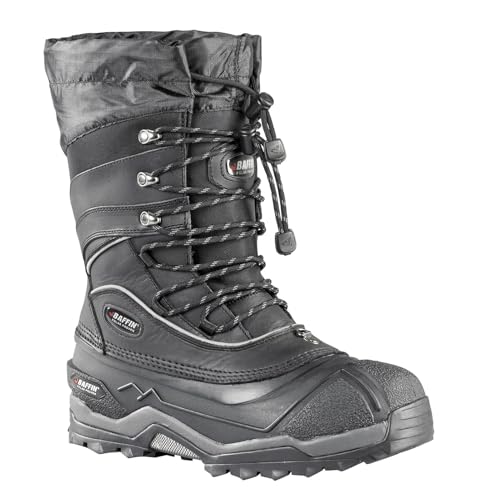
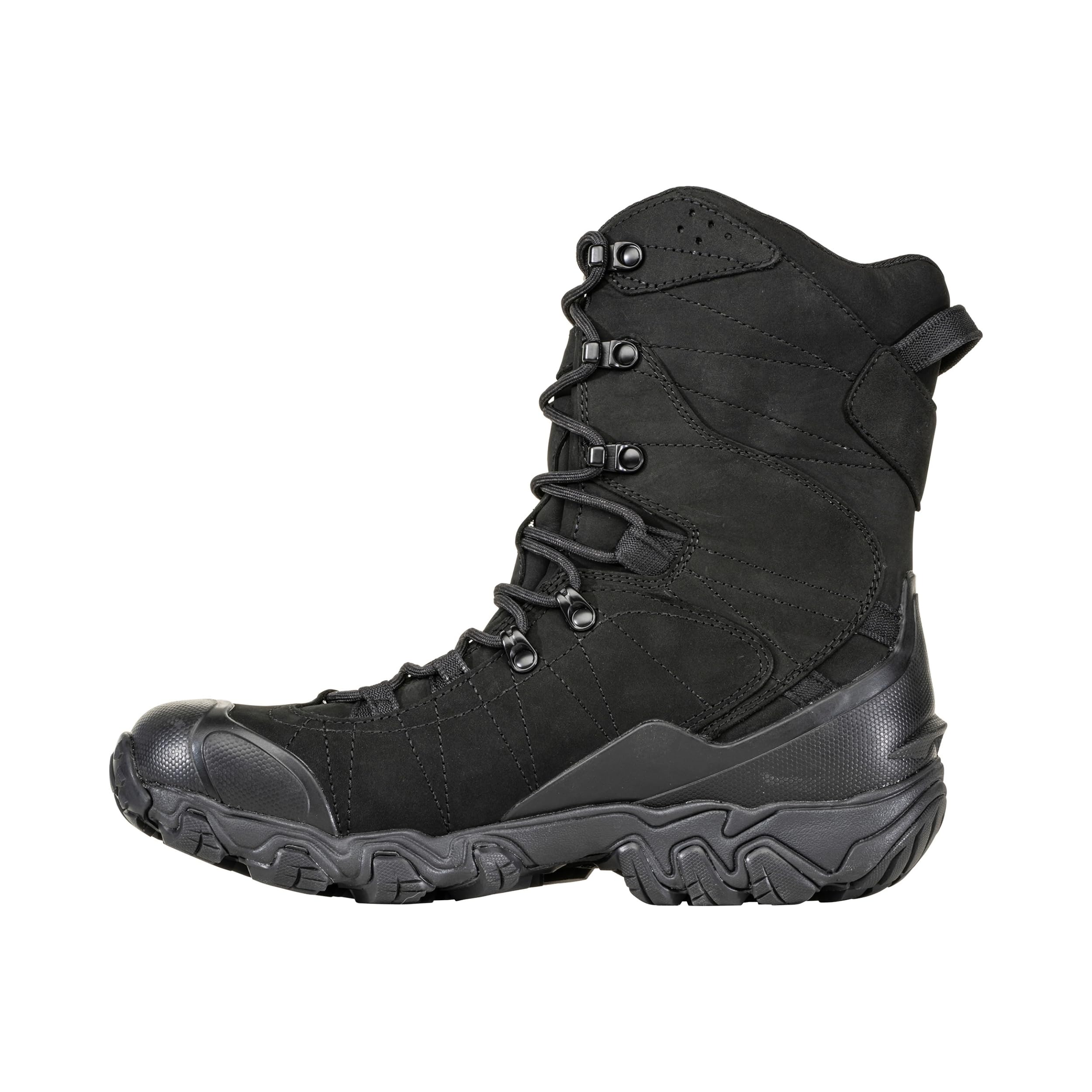
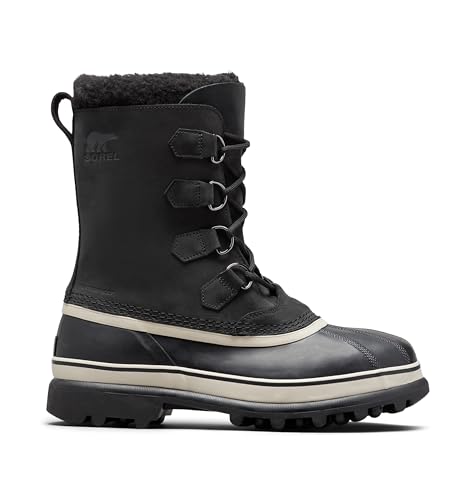
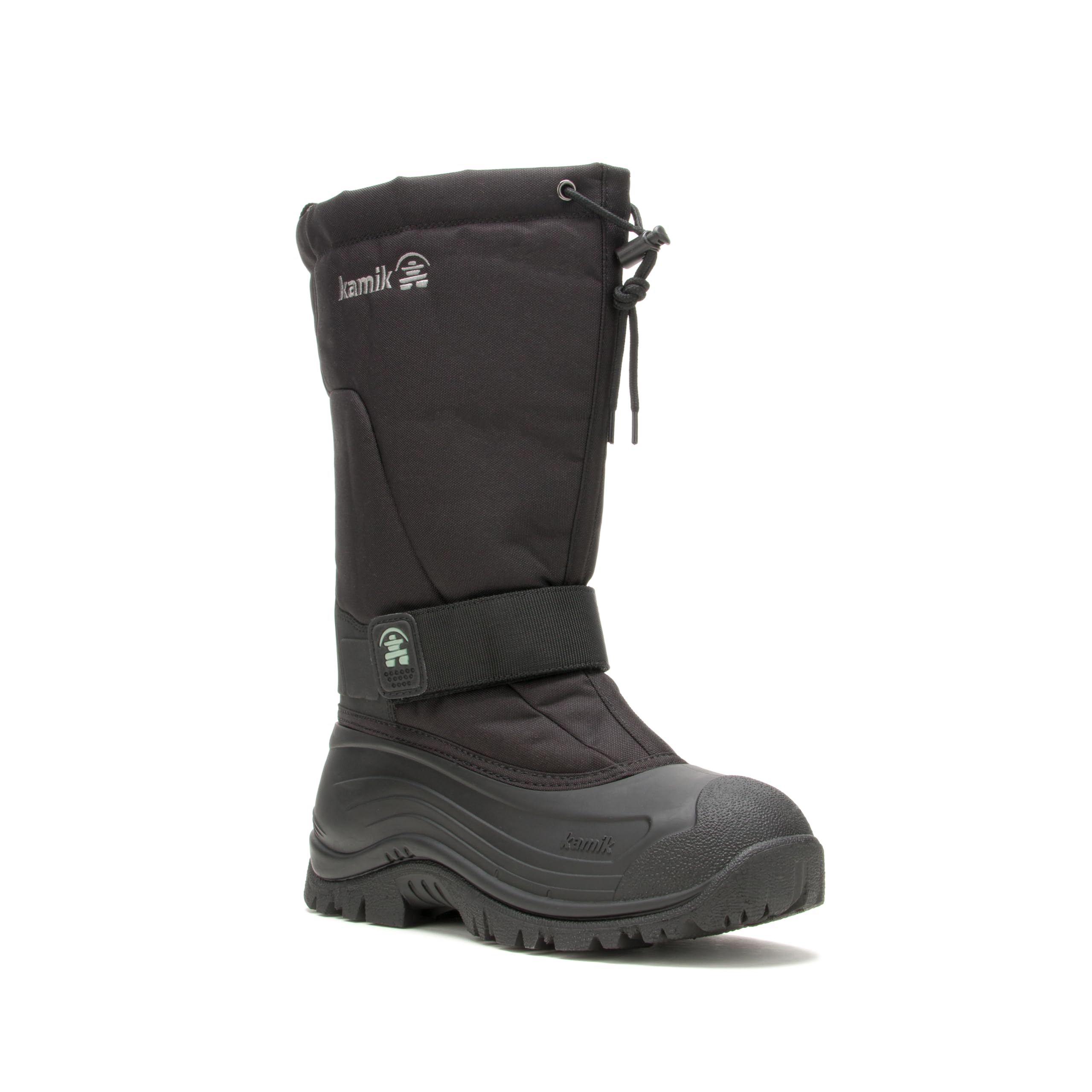
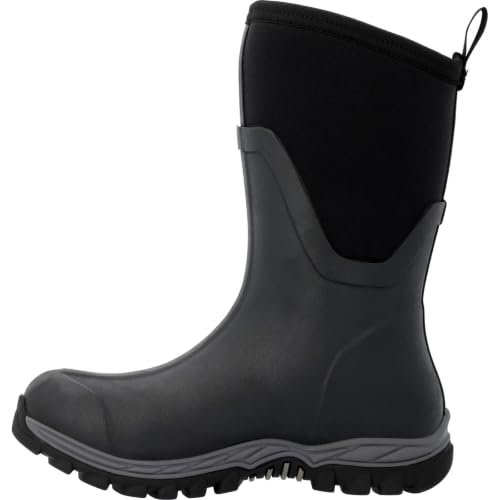


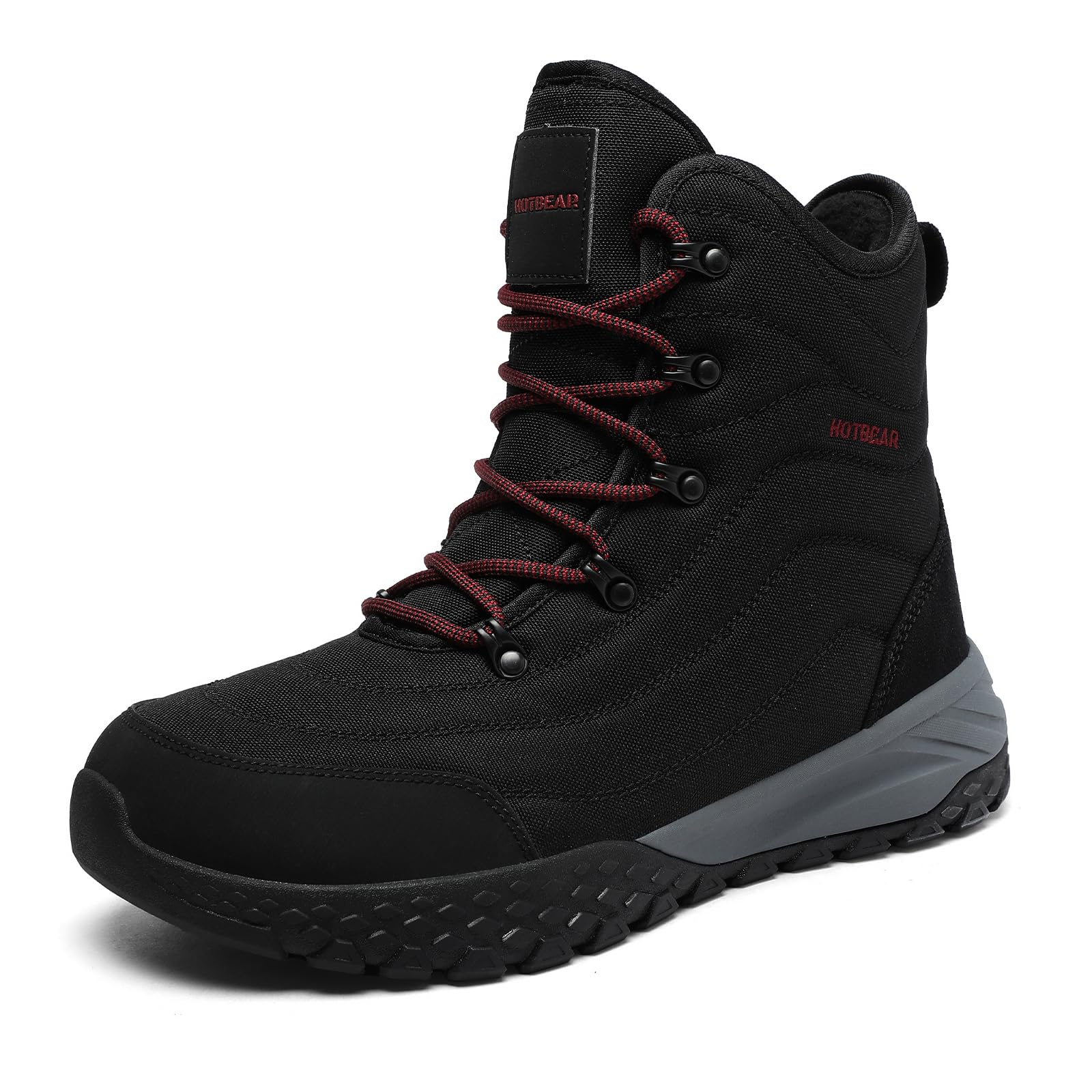
Who Should Buy Black Snow Boots?
Black pairs with work clothes, coats and casual outfits without clashing. That versatility only helps if the boot matches your snow depth and how long you stand outside.
Daily Commuters on Cleared but Icy Streets
You need moderate insulation, a flexible sole, and a shaft that clears slush without feeling bulky on a bus or train. Choose a mid calf height and small reflective details, because a black boot is hard for drivers to see at dusk. A lighter pair you wear daily beats a heavy expedition boot left in the closet.
Homeowners Who Shovel and Work in Deep Snow
Your priority is height and dryness. Choose a taller shaft, a rubber lower shell that rises well above the ankle, and a snug cuff that keeps powder out while you bend and lift. A wide, stable sole helps on uneven driveways. Black hides grit well, though white salt lines still show and need a quick wipe after each storm.
Parents and Dog Walkers Outside in Short Bursts
You are in and out several times a day, often in a hurry, so easy entry matters as much as warmth. A slip on style, or laces with wide loops you can pull with gloves, saves time at the door. Warm lining still counts, because standing at a school gate or on a cold sidewalk chills feet fast.
Key Features to Compare
When you compare the best black snow boots side by side, work through these six factors in order and let the weakest point decide, not the headline claim.
Sizing Snow Boots Around Thick Winter Socks
Measure both feet late in the day, when they are at their largest, and wear the winter socks you plan to use. Leave about half an inch in front of your longest toe, and make sure your toes can wiggle freely. If you sit between sizes, size up, because tight boots restrict circulation and feel colder.
Insulation and Temperature Ratings
Insulation is usually synthetic fill measured in grams, commonly about 200 grams for milder winters and 400 grams or more for long exposure in deep cold. Removable felt liners trap warm air and can be taken out to dry overnight. Treat temperature ratings as a rough guide only, since brands test differently. Active walkers generate heat and can choose lighter fill, while people who stand still at bus stops should choose more.
Waterproofing and the Rubber Lower Shell
Real winter protection combines a waterproof membrane inside the upper, sealed seams and, on many designs, a molded rubber lower section. The rubber part handles puddles and wet snow without soaking through, while the membrane handles melting snow on the upper above it. Check how high the rubber rises and whether the tongue is attached on both sides, because an attached tongue blocks snow at the laces. Boots sold only as water resistant will wet out on a long slushy walk.
Outsole Traction and Stability
Look for deep lugs, often about 4 to 6 mm, set in varied directions so the sole grips when you start, stop and turn. Rubber that stays flexible in cold weather holds better on hard surfaces than stiff plastic soles, which can skate on ice. A wide base and a firm heel add stability on ground hidden under fresh snow. No tread makes ice fully safe, so shorten your stride on glare ice.
Upper Materials and the Black Finish
Full grain black leather looks sharp, resists scuffs and can be polished to restore color after salt exposure. Suede and nubuck feel softer but show salt lines more clearly, and they need a protector spray before first wear. Synthetic textile uppers are lighter and dry faster, though black fabric can fade toward gray after a season of sun and salt.
Cushioning, Arch Support and Weight
A cushioned midsole softens long walks on cleared pavement, while a firmer footbed with clear arch support steadies your foot on uneven snow. Look for removable insoles if you want to fit your own supportive pair. Weight matters more than many buyers expect. A heavy boot protects well in deep snow but tires your legs on a long commute, so match weight and stiffness to your daily distance and load.
Black Snow Boot Types Compared
Once a pair passes the checklist, choose the type that fits your routine. For a wider view of heights and insulation levels, see our guide to the best snow boots.
Tall Insulated Boots for Deep Snow
These reach toward the knee, pair a rubber lower shell with a padded upper, and carry the most insulation. They suit unplowed paths, farm work and rural winters. The trade off is weight and indoor warmth, so they feel excessive for a short city commute.
Mid Calf Lace Up Boots for Mixed City Days
This is the most versatile type for most people. Laces let you tighten the ankle for support, and the height handles plowed sidewalks and moderate drifts. For notes on shaft width and calf room in womens ranges, see our guide to the best ladies snow boots.
Short Slip On Boots for Quick Trips
Short boots are fast to pull on and comfortable for errands, dog walks and light snow days. They let snow in over the top in deeper drifts and give less ankle support, so keep them for cleared ground. For snow free days, see our guide to the best black boots for sleeker styles in the same color.
Quick Buyer Checklist for Black Snow Boots
Run through these questions before you order, and treat any no as a reason to keep looking. If you are buying for someone else, see our guide to the best snow boots for man for notes on wider fits and larger sizes.
- Can your toes wiggle while you wear thick winter socks?
- Does the insulation match how long you stand still outside?
- Does the rubber shell rise above the deepest puddle on your route?
- Is the tongue attached on both sides to block snow?
- Are the lugs deep and varied enough for icy ground?
- Can you open and close the boot while wearing gloves?
- Does the black upper have a care routine you will follow?
- Is there a reflective detail for walks near traffic after dark?
Common Mistakes to Avoid
- Buying your normal shoe size without thick socks, so the tight fit cuts circulation and your feet feel colder.
- Choosing by color alone and skipping the tread check, so a smooth fashion sole slides on the first icy morning.
- Picking the heaviest boot for short car errands, so your feet overheat, sweat, and then chill.
- Ignoring shaft height, so a short boot fills with snow in the first unplowed drift.
- Letting salt crust build up on black leather for weeks, so the finish dries and cracks.
- Assuming water resistant means waterproof, so the upper soaks through in wet slush.
How to Make Your Black Snow Boots Last Longer
After each wet outing, loosen the laces, remove liners and insoles, and air dry everything at room temperature away from radiators and direct heat, which can crack leather. Brush off grit once dry.
Wipe white salt marks off black uppers with a cloth dampened with plain water as soon as you see them. Then condition leather or refresh protector spray on suede, polish out scuffs, and store the boots upright in a cool, dry place with liners clean and fully dry.
FAQ
How often should I replace my black snow boots?
Replace black snow boots when the tread has worn smooth, the waterproof shell cracks, or the insulation stays flat and cold despite full drying. Many pairs last several winters. One new check is the heel lining, since a hole there causes blisters long before the outside looks worn. Fading alone is cosmetic and often improves with polish.
How long is the break in period for black snow boots?
Most black snow boots feel comfortable within two to five short wears, while stiff leather and tall shell styles can take about two weeks of regular use. Wear them indoors first, then on short walks, so pressure points appear before a long day. Boots that still pinch the toes after a week are the wrong size, not a pair that needs more time.
Do I need waterproof black snow boots for city winter wear?
Yes, waterproof black snow boots are worth it in most cities, because plowed streets create slush puddles at nearly every crossing. One deep slush step can soak socks for the rest of the day. Sealed uppers also block salty road water, which is the main cause of the white stains that stand out on black finishes.
How should black snow boots fit with winter socks?
Black snow boots should feel snug at the heel and midfoot, with clear space and wiggle room at the toes in your thickest winter socks. Your heel should lift only slightly as you walk. Try both boots on stairs or a slope if you can, because toes that touch the front on a decline will bruise on icy hills.
Are expensive black snow boots worth the extra cost?
Expensive black snow boots can be worth it when the price buys a better waterproof membrane, replaceable liners and a sole that stays flexible in deep cold. About $100 to $250 covers most well made pairs, so weigh fit above price tier.
Final Thoughts
Start with fit in thick socks, honest insulation for your climate, and a sole that grips when pavement turns icy. Then let the black finish work for you, with simple salt care you will actually keep. When those pieces line up, the best black snow boots for your winter are easy to spot. Compare your finalists in the product table above.


