
Best Black Tactical Boots for 2026: Types Compared and How to Choose
Disclosure: We may earn a commission when you buy through links on this page, at no extra cost to you. As an Amazon Associate I earn from qualifying purchases. Learn more
Compare the best black tactical boots by type, pros and cons, ideal users, and price range, then pick the style that suits your shifts and terrain.
Black tactical boots look alike on a shelf, yet the types under that label serve very different work. A patrol officer on pavement, a security guard facing a uniform inspection, and a corrections officer on concrete floors all need the same color and very different boots. This guide compares the main kinds of best black tactical boots side by side, then walks through the checks that separate a good pair from a return. The comparison table below lines the types up by job, strengths, and price.
One point is worth settling before any type talk. In this category, black is a uniform color, not a style extra, and many employers pair the color rule with a shine rule. Start with your dress code, then match the type to your terrain and your shift length.




Types of Black Tactical Boots Compared
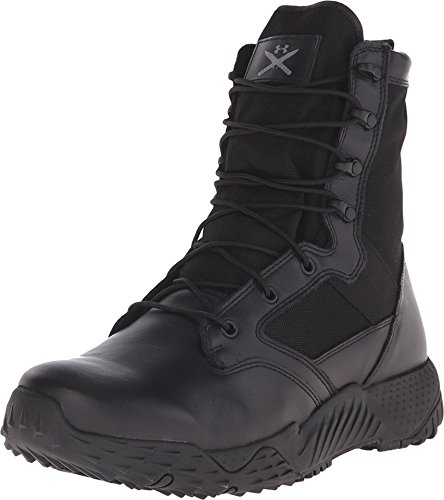
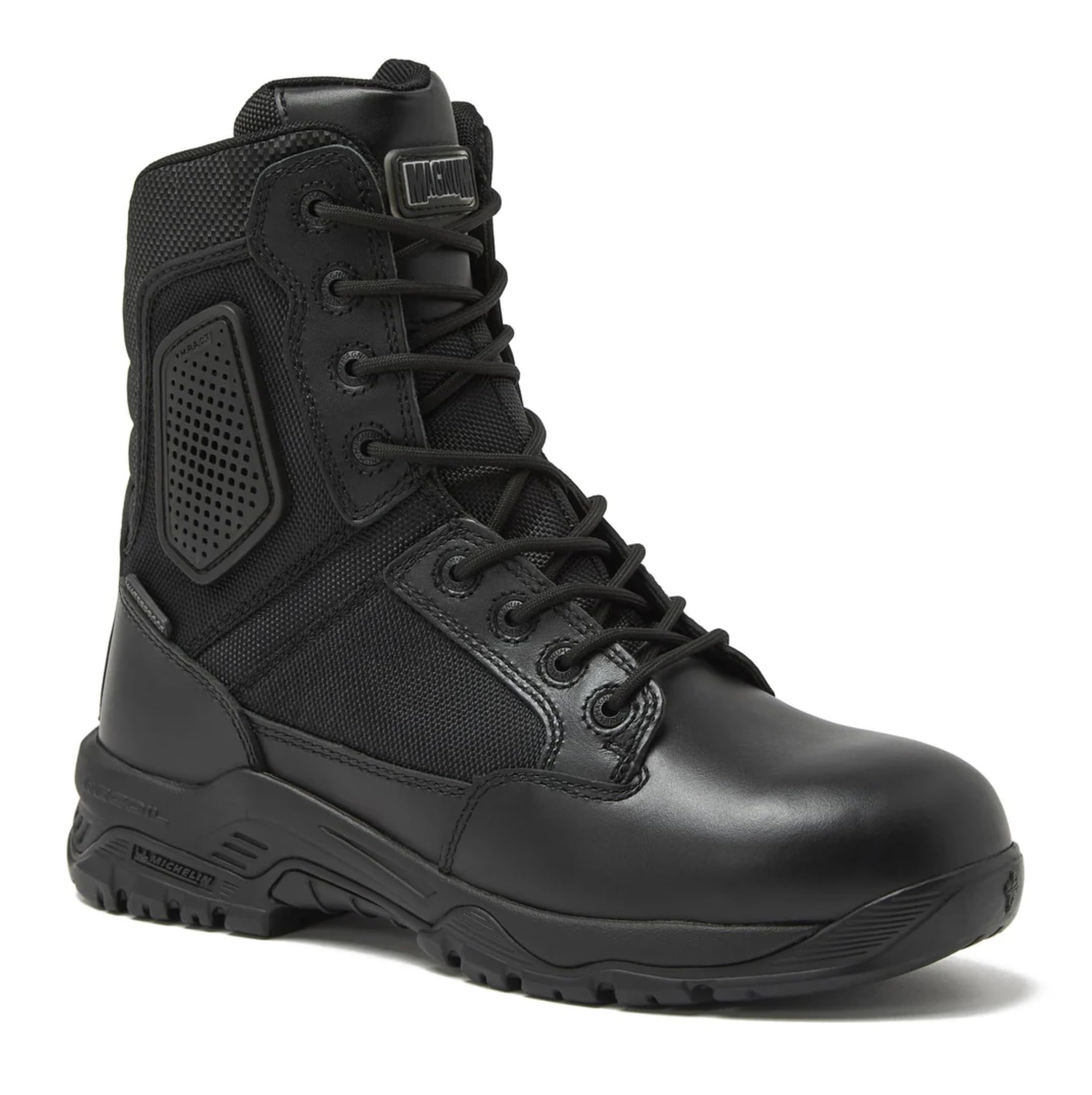
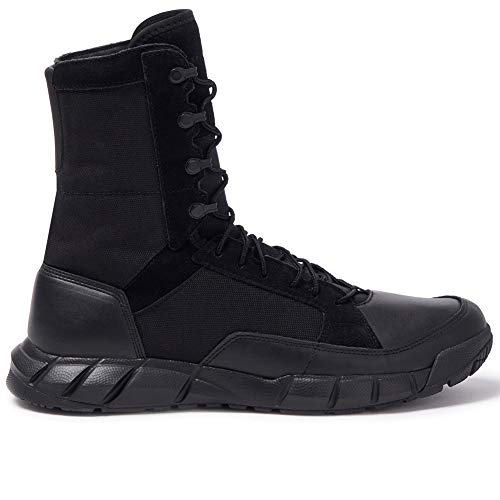
Three types cover nearly every listing you will see, and the notes under the table match each type to a job.
| Type | Best For | Pros | Cons | Typical Price |
|---|---|---|---|---|
| Polishable duty boots | Uniformed patrol and inspections | Takes a high shine, formal look | Stiffer leather, slower break in | About $120 to $220 |
| Tall field boots | Training and rough ground | Tall shaft support, deep tread | Heavier on long pavement shifts | About $130 to $250 |
| Lightweight patrol boots | Long shifts on hard floors | Low weight, quick break in | Toe rarely takes a parade shine | About $80 to $160 |
Polishable Duty Boots
Black in this category is a uniform requirement first and a color choice second, and the polishable duty boot is built around that fact. Its toe and heel are smooth leather that takes paste polish and holds a shine, and that shine is what a supervisor checks at inspection. A polishable toe governs whether the pair passes a parade or dress standard, so a matte or rough finish fails the uniform test even when the boot fits perfectly. Our guide to the best black boots covers dress styles for posts that allow a less formal look.
Tall Field and Training Boots
Height is the defining spec of this type. Most black tactical boots stand about 6 to 8 inches tall, and that ankle height governs how much side support you feel on uneven ground, stairs, and vehicle steps. The taller shaft also keeps brush, gravel, and debris out of the boot during field training or rural patrol, at the cost of more heat and slower lacing. If your shifts mix pavement with rough ground, this middle height is usually the safest place to start.
Lightweight Patrol Boots
Weight is where patrol boots split from field boots. A light pair at about 2.5 to 3 pounds per pair serves a long shift on tile, concrete, or asphalt, where every step adds up by hour ten. A heavy pair past 4 pounds per pair serves rugged work instead, repaying the weight with thicker soles and sturdier leather. Lightweight models reach their number with fabric panels and foam midsoles, which shortens the break in, so pick by surface: smooth floors favor light, while loose and broken ground favors heavy.
Polishable Duty Boots vs Lightweight Patrol Boots: Which Should You Choose?
Most buyers weighing the best black tactical boots for daily uniform wear end up choosing between these two types. The duty boot wins on appearance, since its leather toe takes a shine that fabric panels cannot match, while the patrol boot wins on weight, comfort out of the box, and price. If inspections are part of your job, choose the duty boot; if nobody checks your shine and your shifts run long, choose the patrol boot. Readers whose work has no color rule at all can compare the broader field in our guide to the best tactical boots.
How to Choose the Right Black Tactical Boot
Read every label against your actual job, because shared words hide very different products. A tactical label alone does not promise a polishable toe. Work through the five checks below in order and the right type usually becomes obvious.
Fit, Sizing, and Toe Box
Measure your feet late in the day, when they have swollen to working size. Leave about a thumb width of room in front of your toes, and wear your duty socks for the fitting, since thick socks change the size you need. The toe box should let your toes spread without pressing the sides. Men moving over from work boots should also read our guide to the best men's tactical boots, because tactical lasts often run narrower than work boot lasts.
Outsole Traction and Terrain
Match the tread to the ground you actually cross. Deep lugs grip mud, gravel, and wet grass, but they can feel clumsy on smooth tile and they pack with mud on the way indoors. Flatter tread with many small contact points grips wet pavement and polished floors better, which is where most slips at work happen. Look for oil resistant and slip resistant markings if you cross kitchen, garage, or fuel areas.
Waterproofing and Breathability
A waterproof membrane liner keeps rain and puddle water out, but only up to the top of the shaft, and it always costs you some airflow. In hot climates or indoor posts, a non waterproof fabric boot dries faster after a soaking and feels cooler during the shift. If you stand in rain or wash down vehicles, take the membrane and keep spare socks in your locker. If your feet overheat, take the fabric and accept a wet day now and then.
Cushioning and Support
Cushioning decides how your legs feel at the end of a shift on hard floors. A thicker foam midsole absorbs impact on concrete, while a firmer build gives more stability on uneven ground, and a removable insole lets you swap in a more supportive one later. Heel to toe drop is low in most tactical boots, which suits a flat, stable stance at a post. If your feet ache early in a new pair, the insole is the first thing to upgrade.
Break In Period and Comfort Out of the Box
Leather duty boots need a gradual break in, usually a week or two of short wears before a full shift. Fabric patrol boots feel close to ready on day one, which is why many officers keep them as the second pair. Never break in any boot on a double shift, because a stiff heel counter can raise blisters fast. Lace firmly at the ankle and a little looser at the toes while the leather softens.
Care Tips for Black Tactical Boots
Brush off dirt after each shift and let wet boots air dry away from direct heat, since heat cracks leather and warps foam. Rotate two pairs if you can, because a rest day lets the midsole foam recover its shape. Keep polish, a soft brush, and a cloth with the boots you wear for inspection, and touch up the toe before the shift rather than after. Good care stretches a mid priced pair well past a neglected expensive one.
Black Tactical Boots: Your Questions Answered
How should black tactical boots fit when they are new?
New black tactical boots should feel snug at the heel and midfoot, with about a thumb width of space in front of your longest toe. A small amount of heel slip is normal in a stiff leather pair and fades as the sole flexes in the first weeks. Fit both feet, since one is usually larger, and always try boots on with the socks you wear on duty. If your toes press the front when you walk down a slope or a ramp, go up half a size.
Are expensive black tactical boots worth the higher price?
Higher priced black tactical boots are worth it when the extra money buys full grain leather, a sole that can be serviced, and a fit your feet agree with. Judge the price per shift rather than the price tag, since a pair worn two hundred shifts a year costs little per day even at the top of the range. Budget pairs still make sense as a backup or for short contracts. What extra money cannot buy is the right type, so settle the type question first.
Can I wear black tactical boots all day on concrete floors?
Yes, black tactical boots can be worn all day on concrete if the cushioning matches the work. Choose a foam midsole build rather than a thin, hard sole, stand on a mat where your post allows one, and swap the stock insole for a cushioned one if your heels ache by midday. Rotating between two pairs on alternating days also helps, because compressed foam needs a day to rebound. Persistent foot pain is a fit problem to solve, not something to push through.
Do black tactical boots need a waterproof membrane?
Black tactical boots only need a waterproof membrane if your work regularly puts you in rain, wet grass, or standing water. The membrane guards the foot up to the shaft line, but water that enters over the top is then slow to leave, so a soaked waterproof boot dries slowly. For indoor and dry climate posts, a plain fabric or leather upper breathes better and dries overnight. Many officers keep one waterproof pair for winter and wet assignments and a lighter pair for the rest of the year.
How often should I replace black tactical boots?
Replace black tactical boots when the tread is smooth in the center, the midsole feels flat and dead, or the upper cracks at the flex point. For daily duty wear, that point often arrives in about one to two years, sooner on rough ground. A boot that still shines can still be worn out underneath, so judge by grip and cushion rather than looks. Replacing on time matters, because a worn sole is a slip risk long before the boot falls apart.
The Bottom Line
Choose the type first: a polishable toe for inspected uniforms, a tall shaft for rough ground, and a light build for long shifts on hard floors. Then check fit late in the day, match the tread to your ground, and let your worst week decide the waterproofing question. When you are ready to compare prices and styles, the product table above gathers the current best black tactical boots in one place.


